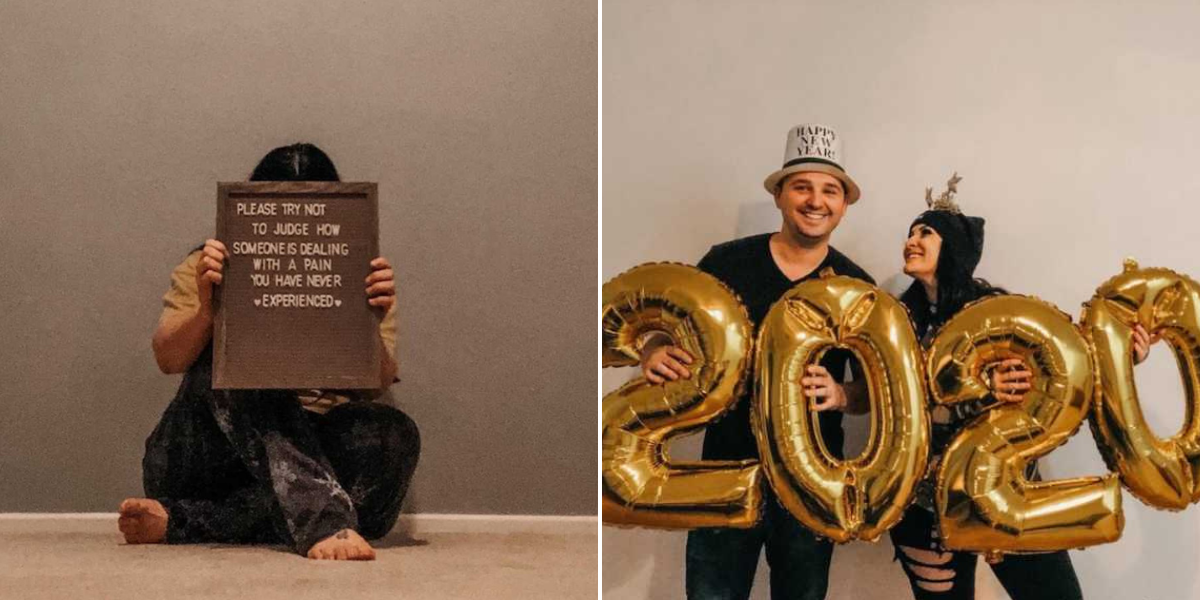
I never imagined I would be writing my story—or that I would even be in this place—but I want to share it with all of you so that anyone feeling hopeless can hold onto hope. I know too well what it feels like to be constantly met with bad news, one after another, and to feel like hope is slipping away.
My journey began back in 2015. At the time, I had been with my husband for only a few months. We were just dating, getting to know each other, and figuring out our lives together. We met in Las Vegas through mutual friends, and honestly, he completely swept me off my feet. Everything felt new and exciting, and I was so happy to have found someone so loving and kind.
After a while, however, I began noticing pain during intercourse. One night, the pain became unbearable, and I was rushed to the emergency room. There, I was told I had an ovarian cyst rupture. I had no idea what that meant at the time. They gave me pain medication and told me to rest for a couple of weeks. Naïvely, I assumed it wasn’t a big deal and didn’t see my OB-GYN, continuing life as if nothing were wrong.
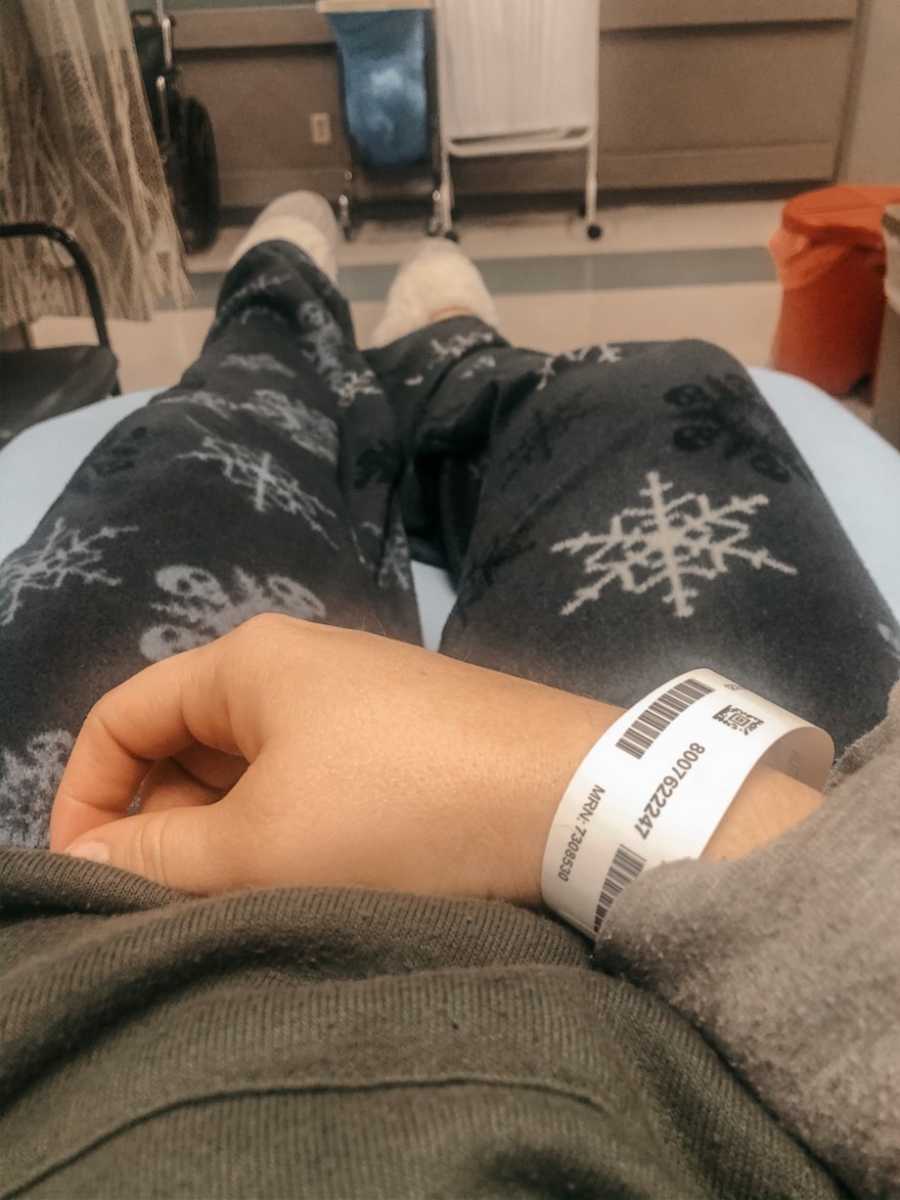
Over the next few years, I faced other medical issues, including having my gallbladder removed, but still experienced pain. I thought it would all just go away. Fast forward three years into our relationship, my husband and I decided we were ready to try for a baby. We had never used birth control, but despite carefully tracking ovulation and timing everything perfectly, nothing seemed to work.
My periods became irregular, sometimes skipping a month or two entirely. I felt a mix of frustration, sadness, and anxiety. I immersed myself in the Trying to Conceive (TTC) community online, reading countless posts and googling symptoms, hoping for answers—but mostly finding heartbreak and false hope. When I finally saw an OB-GYN for the pain, I was told it was just ovarian cysts, and that if I was patient, we would eventually conceive.
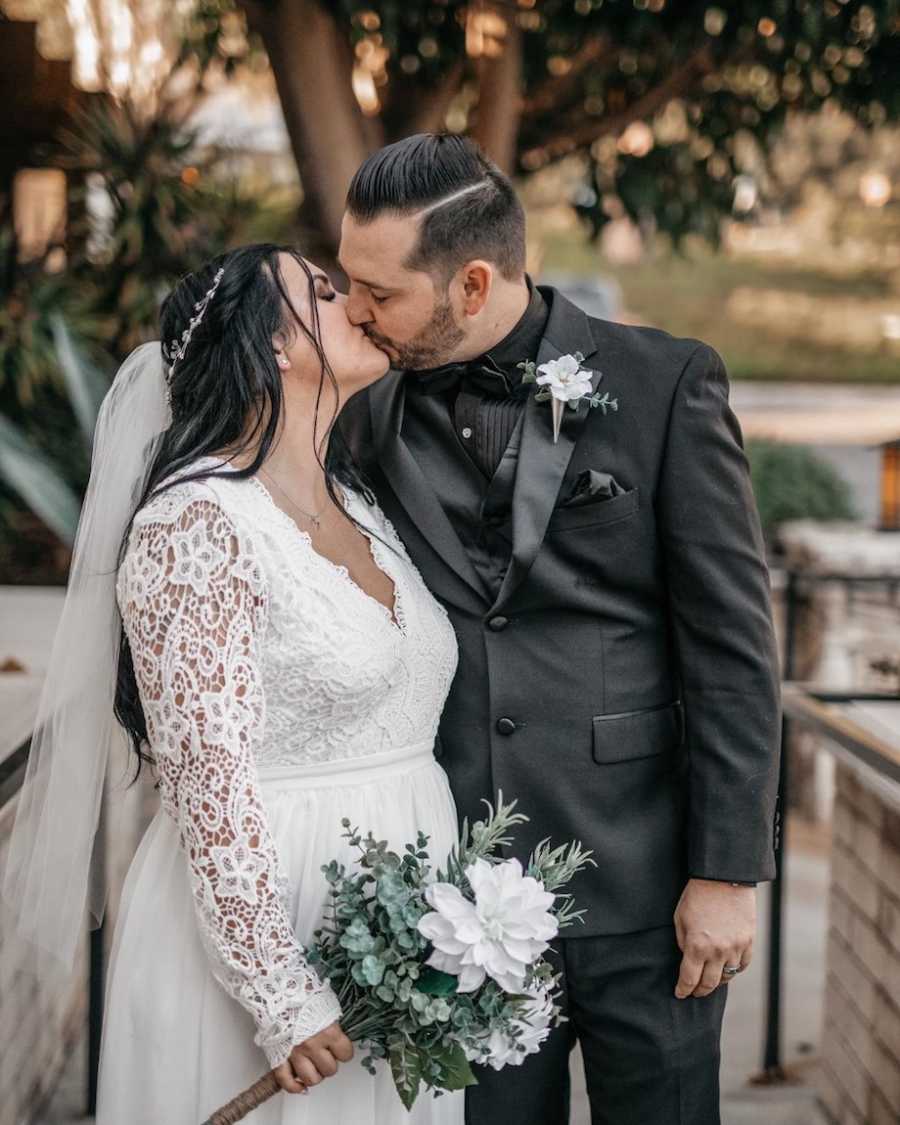
In May 2019, my husband and I got married. By then, we had only been living in Las Vegas for about a year, and we decided it was time to see a fertility specialist. Initially, the doctor suspected my husband’s slightly low testosterone might be the issue. But after a sperm analysis, we learned he was perfectly healthy and fertile—a huge relief in the midst of all the uncertainty.
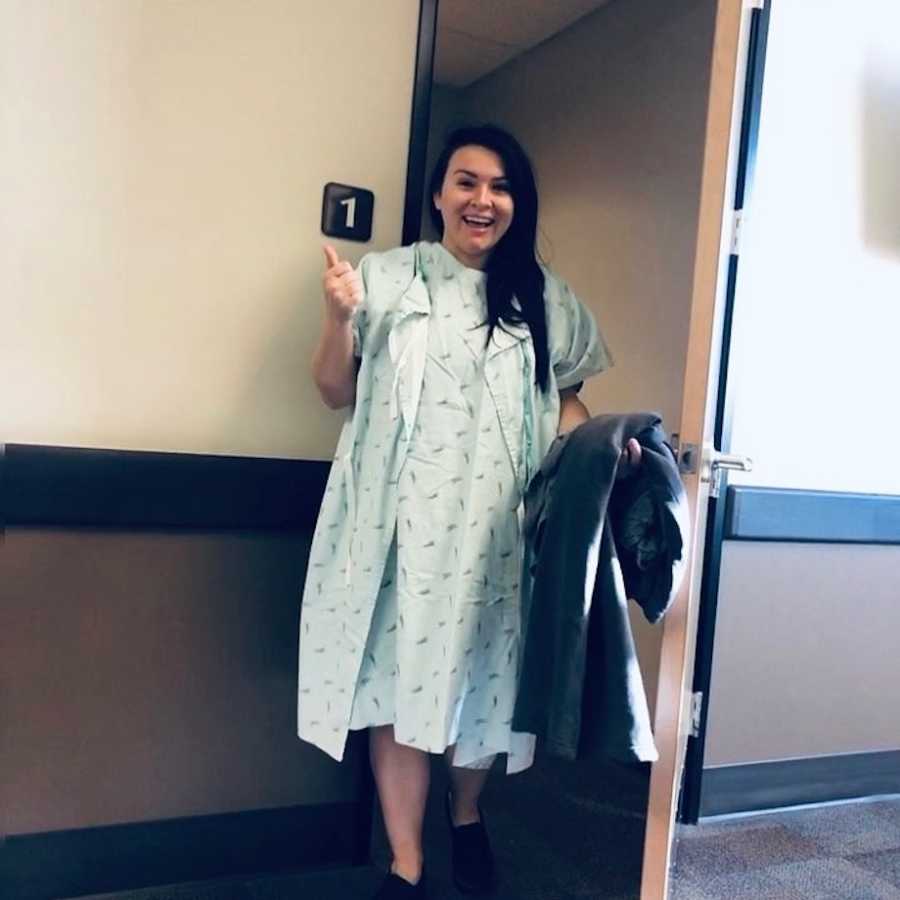
Knowing the issue was likely on my end, I sought another OB-GYN for answers. I was diagnosed with Polycystic Ovarian Syndrome (PCOS) and prescribed medication to regulate my hormones. My symptoms worsened over time: severe acne, mood swings, hair loss, and a 60-pound weight gain. While the medications helped stabilize my hormones, I still felt empty, depressed, and desperately longing for a child.
Next, my OB-GYN recommended a Hysterosalpingogram (HSG) test, a procedure to check if the fallopian tubes are open by inserting dye and observing its flow. The procedure was uncomfortable, but the results were devastating. Both of my fallopian tubes were blocked, and I was also diagnosed with endometriosis.
I remember looking at my husband, speechless, and saying, “I’m so sorry.” At that moment, I felt utterly broken, lost, and alone. Coping with infertility has been a constant learning process. Some days, a hot Epsom salt bath, reading a book, or cleaning the house are the only things that help. I may never fully come to terms with it, but I try my best, and that is all I can do.
The emotional pain of not being able to conceive naturally is indescribable. Hearing people say things like, “Why don’t you just adopt?” or “You don’t want a baby in this world anyway,” can make you feel even more isolated. Even well-meaning family and friends often struggle to find the right words, which can be just as painful. For a long time, I feared sharing my story, worried people would judge me or think it wasn’t my place to share—but keeping this journey to ourselves only made the isolation worse.
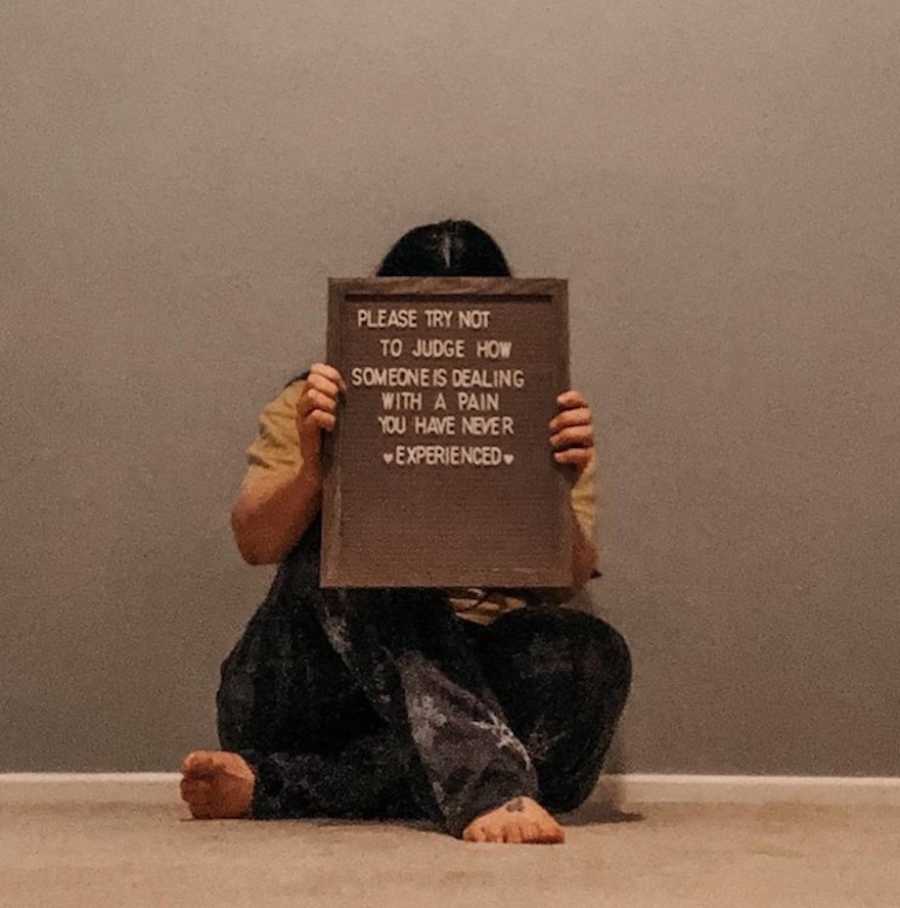
After seeing a fertility doctor and confirming my diagnoses, I was told my only option might be to remove my fallopian tubes. At thirty years old, having never had a child, that advice felt shocking and terrifying. Determined, my husband and I researched alternatives and discovered a procedure called fallopian tube cannulation, a “keyhole surgery” that could potentially clear the blockage. Our hopes soared—but after calling several clinics, even out-of-state, we learned that the procedure was no longer being performed. Our hopes were crushed once again.
Through all of this, my husband has been my unwavering support. He has shown compassion, patience, and love, reminding me I am not alone. He listens when I struggle and encourages me to keep going when I feel like giving up. Relationships are tested in ways words can’t describe, but his support has been a lifeline.
We have since decided to pursue in-vitro fertilization (IVF) and sought a second opinion from another fertility specialist. I cannot stress enough the importance of doing your research, finding multiple opinions, and connecting with people who have gone through IVF successfully. IVF is expensive, and not all clinics have the same success rates—some may even take advantage of your desperation.
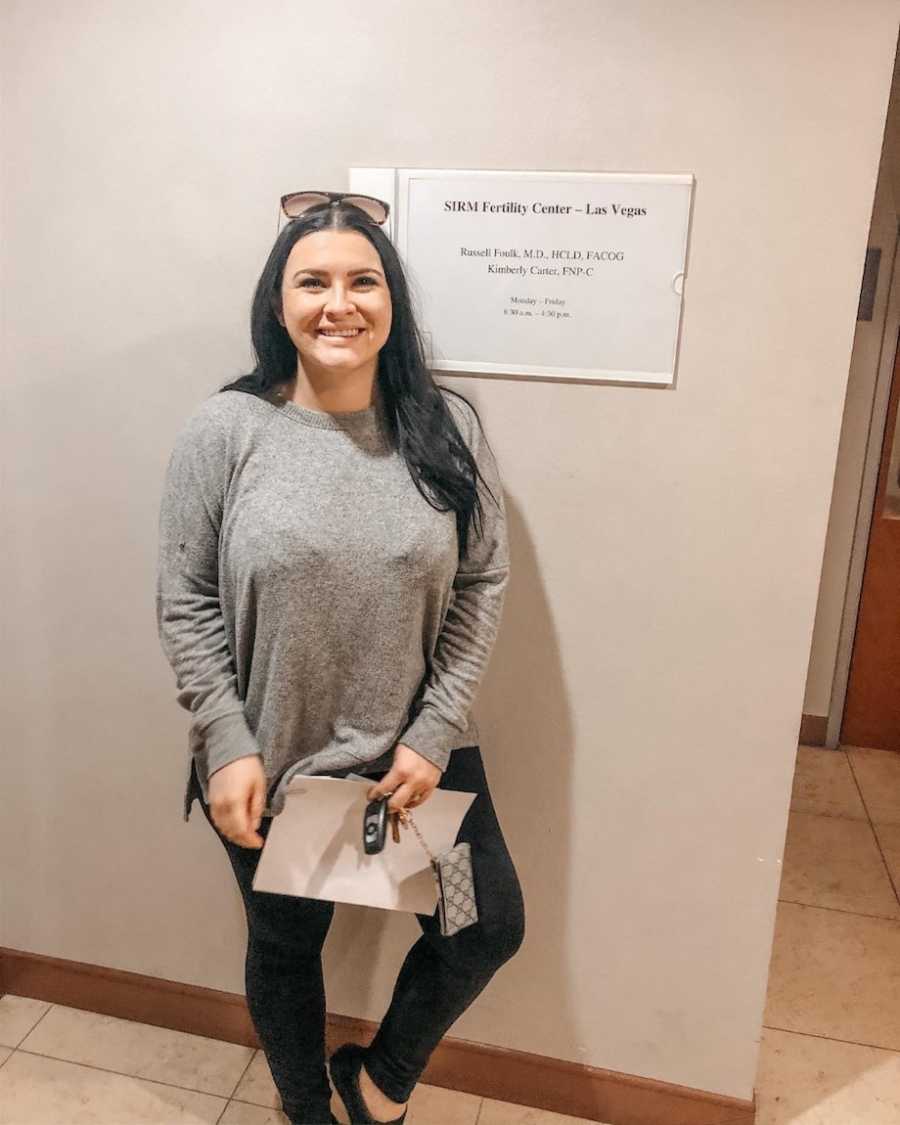
One day, while at Sprouts shopping for vitamins to help with my symptoms, I met another woman battling infertility. She recommended a compassionate fertility doctor, and when I met him, he explained my conditions—endometriosis and PCOS—in a way that truly made me feel heard. He assessed my eggs and reassured me that, thanks to my PCOS, I have a strong egg reserve, making me a good candidate for IVF.

We are praying that it only takes one IVF cycle. We are budgeting, fundraising, and even holding an IVF garage sale to help cover costs. Above all, we hope our miracle baby will arrive soon, reminding us that God can move mountains.
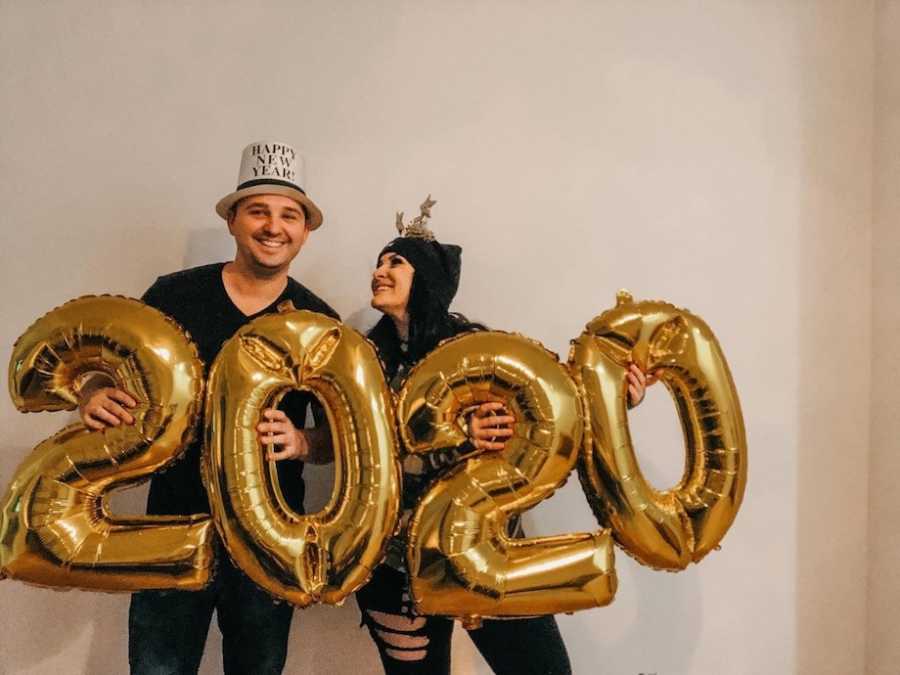
This journey has been painful, overwhelming, and full of setbacks—but it has also been filled with love, hope, and resilience. For anyone struggling with infertility, please know you are not alone, and miracles are still possible.