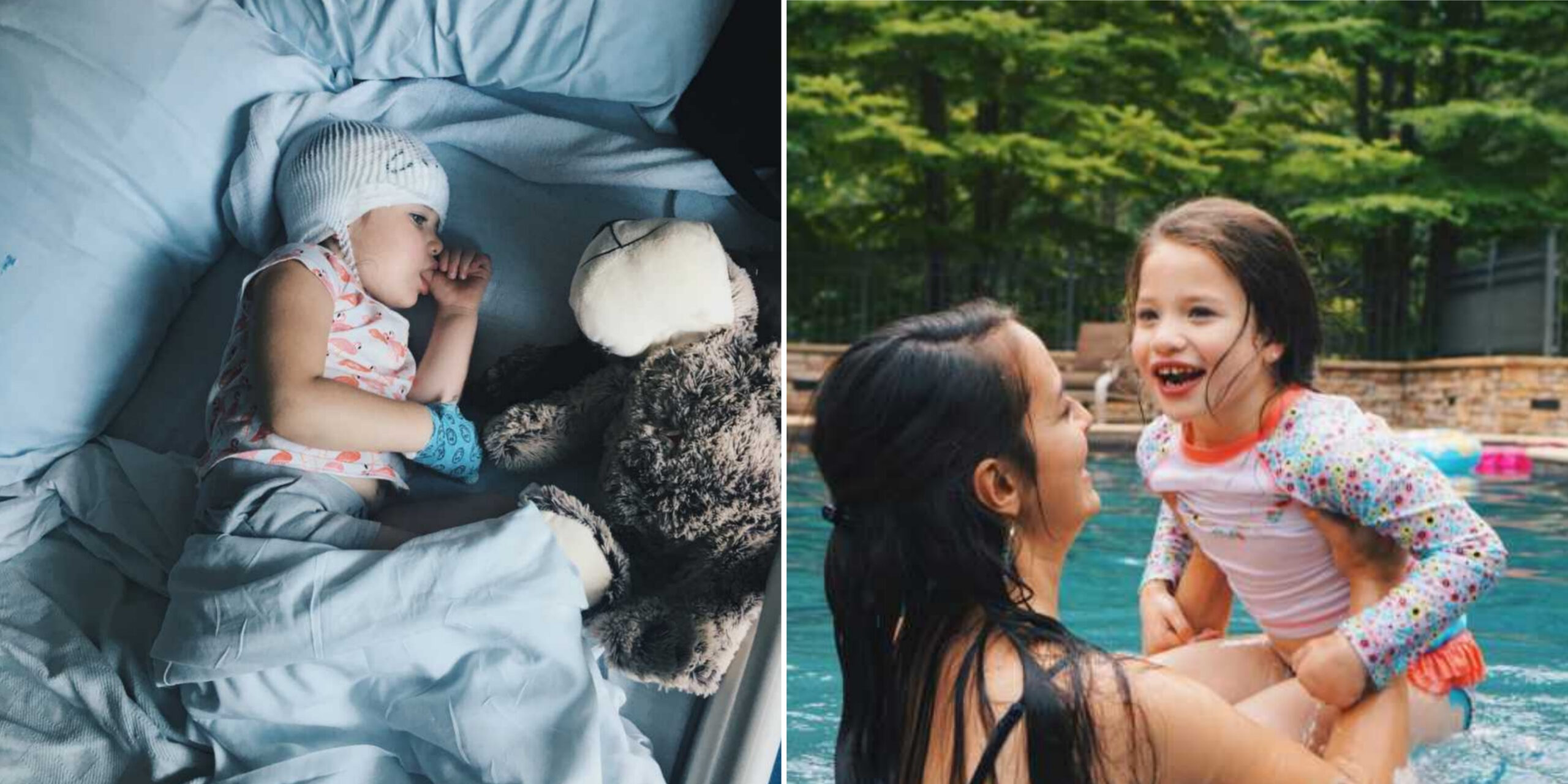
I found out I was pregnant with Evelyn on the morning of my husband Stephen’s 25th birthday. I was thrilled, incredibly nauseous, and quietly nervous about what lay ahead. From the very beginning, I had the strongest feeling this baby was a girl—no doubts, no backup plan. I fully committed to that belief. Like most first-time moms, I did all the “normal” things while waiting for her arrival. I prepared the nursery, chose adorable but impractical clothes and decorations, and slowly began making space in our home and hearts for this child. I dreamed of having a daughter and everything that would come with it.
My pregnancy was uncomplicated and mostly uneventful. Labor, however, was long—so long I thought it might never end. But on her own schedule, she finally arrived. Evelyn Marie was perfect. She had the sweetest little face, the most beautiful lips, and looked so much like her daddy. She was calm and observant, content to watch the world around her. She rarely cried unless she was hungry or tired. For a first baby, she was wonderfully easy.
Evelyn met all of her developmental milestones until around nine or ten months old. That’s when I noticed she wasn’t really trying to crawl. Still, she was happy and healthy, so I reassured myself the way parents often do—she would do things in her own time.
Eventually, Evie crawled at fourteen months. She fed herself, played with her toys, constantly flipped through her books, mimicked us, babbled, and repeated words. But just as with crawling, she made no effort to walk. As time went on, something else began to worry me. By the time Evie was almost two, I realized she wasn’t talking as much as she used to. Months had passed since I’d heard her say a real word. The last word I clearly remember her saying was “baby,” spoken when we announced to our family that she was going to be a big sister. That moment stopped me cold. I knew then that something about our girl was very different.
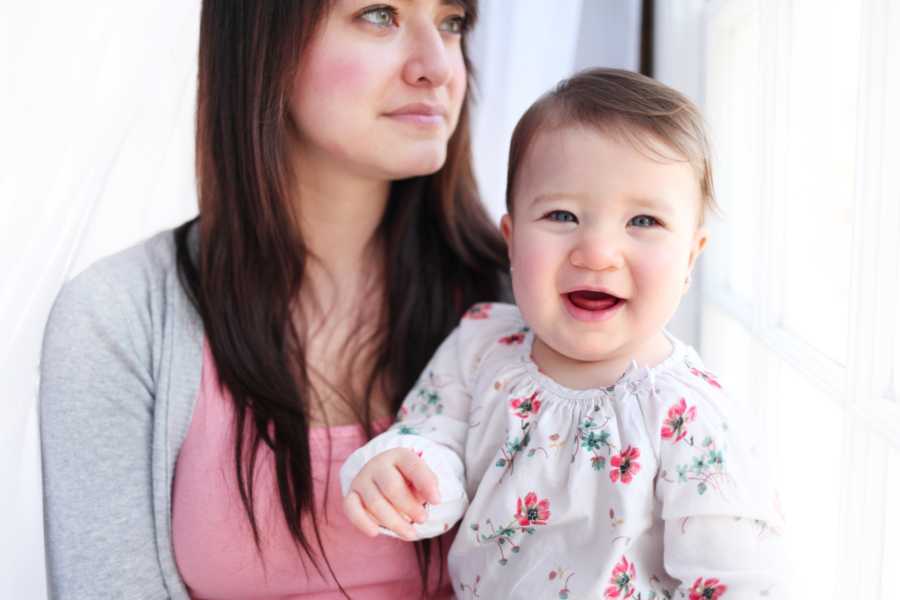
I knew developmental delays existed, and many children overcome them in time. What terrified me was not just the delay—it was the regression. Evie could speak, and then she couldn’t. She stopped playing with her toys and stopped flipping through her books. She became clumsier when feeding herself. Utensils were useless, and she could only manage food if it was cut into large pieces. I could no longer tell myself this was something she’d simply grow out of. Something was wrong.
From that point on, we did everything we could. We saw specialist after specialist, enrolled Evelyn in every therapy available, and completed countless evaluations. Nothing helped, and no diagnosis fit. There was no explanation that made sense of her life so far.
With no answers and mounting frustration, we made the difficult decision to leave our home in Florida and move to Virginia for a fresh start. That move marked a turning point. Evie changed even more. She wasn’t sleeping. She screamed for hours in the middle of the night. She began biting her hands repeatedly when she was excited or frustrated. She was slipping further away from herself.
The spring Evie turned three, we pursued early intervention through the county school system. After evaluation, she was diagnosed with Autism. While diagnoses can bring relief and direction, this one didn’t sit right with us. Evie did have some behaviors associated with ASD, but she was incredibly social and had intense, meaningful eye contact. It felt as though she spoke through her eyes in a way that set her apart.
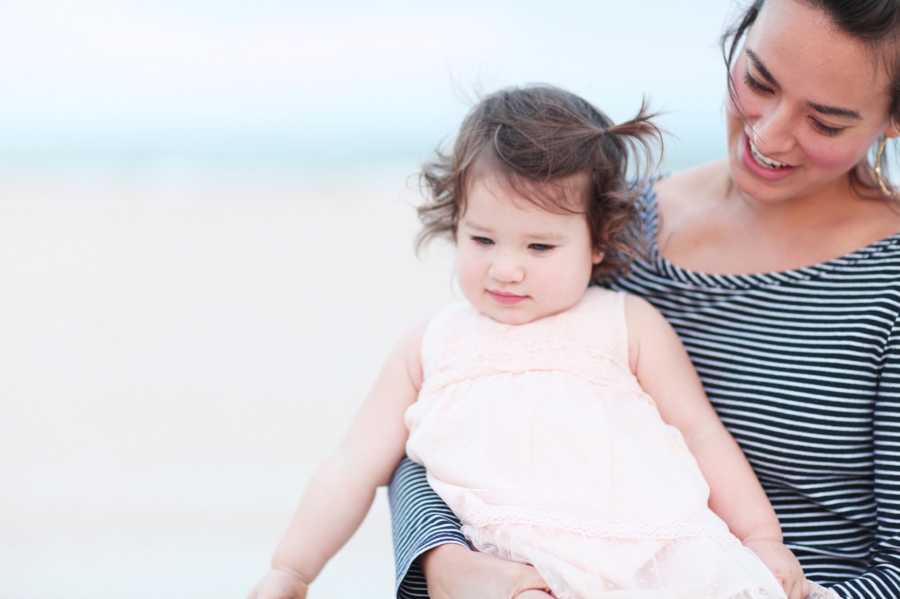
Still, the diagnosis allowed her to enroll in a special education preschool program that summer, and she loved it. Then one afternoon, she came home and something was clearly wrong. She would suddenly stop what she was doing, blink rapidly, and fall backward. We called her pediatrician, who immediately sent us to the emergency room. Everything pointed to seizures.
Stephen rushed Evelyn to the children’s hospital while I arranged care for our son Ellis and our dog. When I arrived at the hospital, I learned Evie had fallen during an episode right in front of the doctors. They admitted her immediately. My heart dropped. This was serious.
Evie was hooked up to countless wires for a 24-hour EEG. That night, none of us slept. We were instructed to press a button any time we saw what we thought was a seizure—and we pressed it constantly.
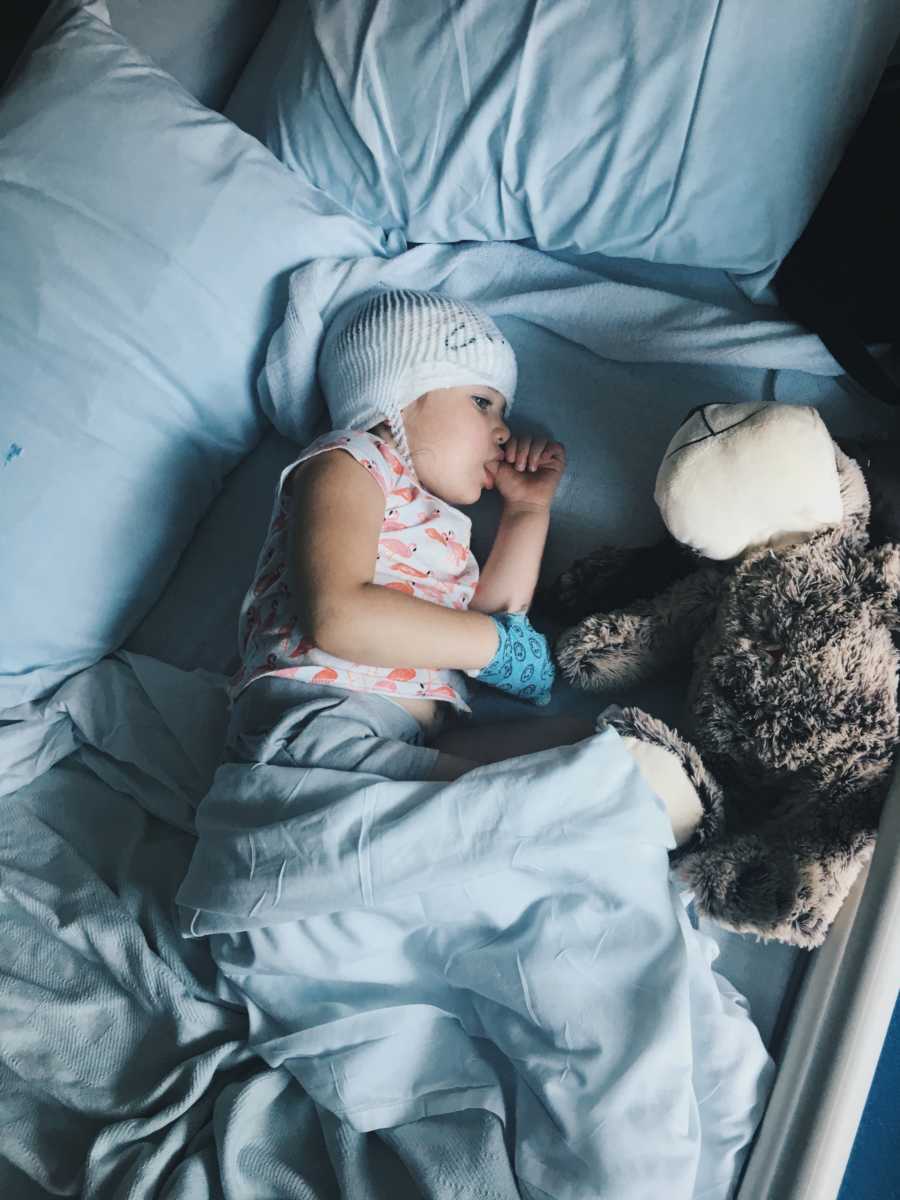
Before the test was complete, her neurologist came in and stopped it early. She told us that while Evelyn’s brain activity was abnormal, she wasn’t having seizures. Confused, I asked what they were instead. Her answer: “staring spells.” I actually laughed, stunned by how inadequate that sounded.
Then I asked what we were supposed to do. I will never forget her response. “Nothing,” she said. “There’s nothing you can do to stop them. I’m referring you to genetics. Evelyn’s brain activity is indicative of Rett Syndrome.” We had never heard of Rett Syndrome, so we searched for it—and what we found shattered us.
Rett Syndrome is a rare genetic neurological disorder that affects nearly all motor function. Children with Rett lose many of the skills they once had and develop severe complications, including breathing abnormalities, seizures, scoliosis, and sleep disturbances. It’s like Autism, Cerebral Palsy, Parkinson’s, Epilepsy, and Anxiety Disorder combined into one small body.
Later that day, we were discharged with instructions to keep Evelyn on carpeted floors and stay close in case she fell. It felt hopeless. We pulled her from school for the rest of the summer while waiting for genetic testing.
On October 3, 2017, Stephen called to tell me Evie’s geneticist wanted a conference call. The call dropped three times. When Stephen finally called back, I answered and waited silently. He said the words that would change everything: Evie had Rett Syndrome. Her mutation was one of the most severe. There was no cure. But we didn’t cause it. We couldn’t have prevented it. And we couldn’t change it.
Everything we had imagined for our daughter’s life disappeared in that moment. Every day would be a battle—for balance, walking, breathing, and control. She would need help with everything, every day, for the rest of her life. There were frightening possibilities we couldn’t ignore. We were completely broken.
But we realized we still had a choice in how this life would shape us.
Out of this diagnosis, we created Evelyn’s Voice—to raise awareness, support other families, and help fund research toward a cure. Because even without a cure today, there is hope.
There are dark days, but I will always choose to give my daughter the most beautiful life possible. We will look for light in every circumstance. Evelyn is joyful, forgiving, and resilient. She is not sad about her life, so I refuse to be either. Her love and her smile have changed lives without her ever saying a word.
Am I heartbroken by how hard her life is? Absolutely. But I will help her climb every mountain, swim every ocean, and chase every adventure. I will love more deeply because of her. And I will be forever changed by this extraordinary soul who has already taught me what true strength looks like.