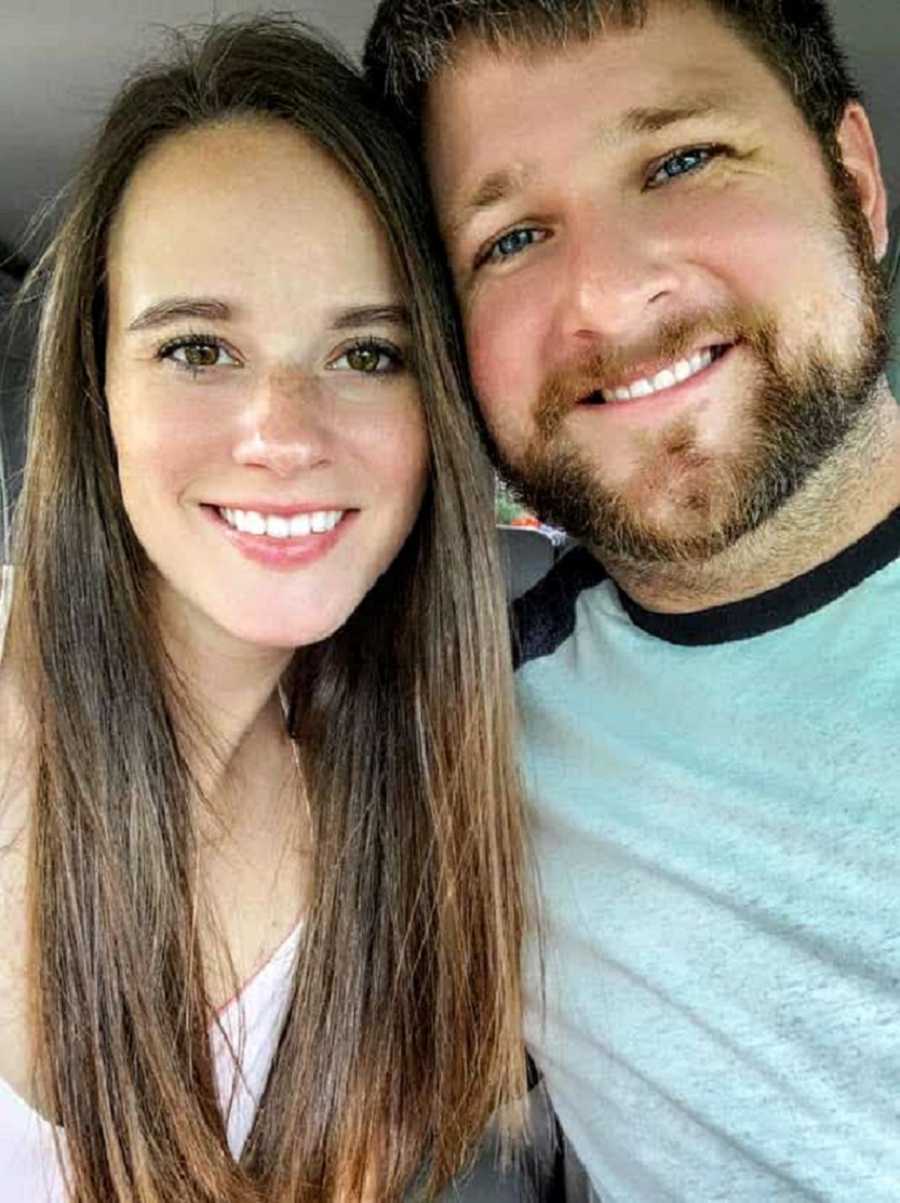
When my husband and I experienced our first miscarriage, I was terrified of what it might do to our relationship. I had heard too many stories about how trauma can silently pull couples apart. Would he blame me? Would I blame him? Was I letting him down? Did he even see how deeply this affected me? Was I loving him enough? These questions became a heavy weight of insecurities that I carried with me. Growing together, grieving together, and healing together felt almost impossible—but because we held each other’s hands through it all, our relationship grew in ways I could never have anticipated, even in the year we lost three babies.
The night we lost our first baby, I chose to sleep alone. I felt like I needed to process the miscarriage by myself, to give myself permission to grieve without interruption. The following days left me confused, lonely, and raw. But I am so grateful I didn’t try to face it entirely alone. I learned to confront my insecurities by opening my heart completely to my husband. I shared every fear, every pain, every swirling emotion, and I allowed myself to feel them with him. I cried with him, I got angry with him, and in time, he began to do the same with me. Vulnerability is uncomfortable, and at first, it can feel awkward—but through it, I found a sense of security and peace in our relationship that became the rest I desperately needed during that season of grief.
Shortly after, we discovered I was pregnant again—but it was an ectopic pregnancy. I needed emergency surgery to remove our baby. When we lost our first baby, it felt like a tragic fluke. One in four women miscarry in the first trimester—it felt normal, somehow expected. But after the second loss, it no longer felt normal. It felt personal, like it was my fault.

Sharing our emotions openly with each other became essential. We learned to communicate with intention, without expecting the other person to read our minds. If I needed him to be with me, I asked. If one of us needed space, we voiced it. We reminded ourselves constantly that we were on the same team, walking the same journey. Grief has a way of making you feel isolated, of convincing you that you are a burden. Sometimes, I feared my husband felt that way about me. But speaking those fears aloud made them lose their power—they sounded small and unreasonable when spoken, not monumental and unmovable as they felt in my head. Don’t let your mind trap you in a cage of lies. You hold the key; you can step out.
The third loss came without even knowing I was pregnant. It ended before it really began. I felt hopeless, and a strange sense of shame settled over me. I questioned whether I even had the right to try again. Others reinforced those feelings—telling me secondary infertility wasn’t real, that because I had two children already, wanting more made me selfish.
The most important thing my husband and I did for our marriage was to let go of the opinions of others and remember that the choices we made moving forward were ours alone. It sounds simple, but in grief, it’s easy to lose yourself in negativity—believing you are the source of all the pain, that trying again is selfish. My husband reminded me who I really was. He loved me fiercely, prayed with me, and helped me see the lies I had started believing about myself. He carried me through the pain, the depression, and the anxiety that follow multiple miscarriages.
We talked—endlessly. We prayed—constantly. We sought counsel from mentors we trusted. We protected each other and put one another first. Our losses were not mine or his alone—they were ours together. We each had unique needs, unique emotions, but we walked the same path, hand in hand, toward healing.
If you are navigating the loss of a child, I encourage you to face this trial as one—side by side with your partner. Grieve together. Speak openly, pray openly, and lean on each other. Let your hearts remain connected through the pain, because love, even in the darkest seasons, has a way of making us whole again.