My name is Gerardo, and I am adopted… well, sort of.
My story begins with me as a baby, born in the heart of Mexico to two traditionally raised Mexican parents. When I was just two years old, we immigrated together in search of that elusive “better life” we kept hearing existed just north of the border. It was my four-year-old sister, my mom, my dad, and little Gerardo—completely unaware of the incredible, and sometimes turbulent, journey ahead of us.
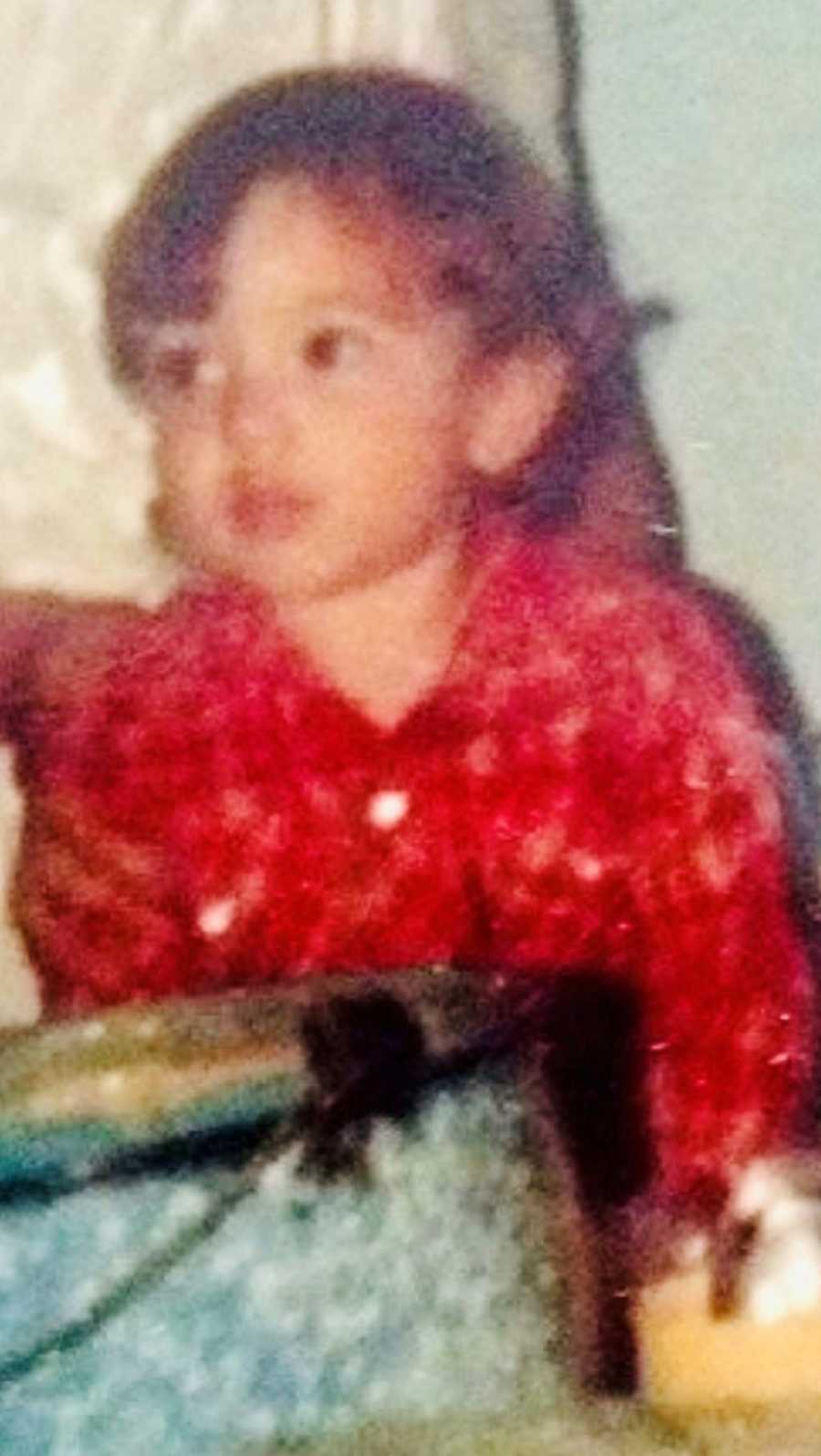
I was born in the late 1980s in a very poor part of Mexico, long before iPhones or digital cameras existed. Because of that, there are only two or three photos of me as a baby. These days, parents post two or three pictures a day of their kids on social media, proudly sharing how cute little Jane or Grady are. What I may lack in photos, though, I make up for in memories. I remember growing up in a place where I didn’t speak the language at first and had to translate for my parents. I remember feeling different from many of my classmates in the East Texas town of Sulphur Springs. And I remember finding family—not the “we share DNA” kind, but a much deeper, more meaningful kind, at least to me.
By most standards, we had a decent life. We had a roof over our heads, clothes on our backs, food to eat, and two parents who, although not married, stayed together. That mattered to me a lot. I would often think, “Life may not be perfect, but at least my family is together.” Still, life was hard in many ways. We lived far from our extended family, so it was mostly just the four of us and my school friends. Occasionally, an aunt or uncle would visit—people I barely knew. I met my grandparents only once or twice in my entire life. I didn’t have the big family gatherings my classmates talked about: cookouts at Grandma’s house, summers filled with cousins, or family vacations. But that was okay. We had each other.
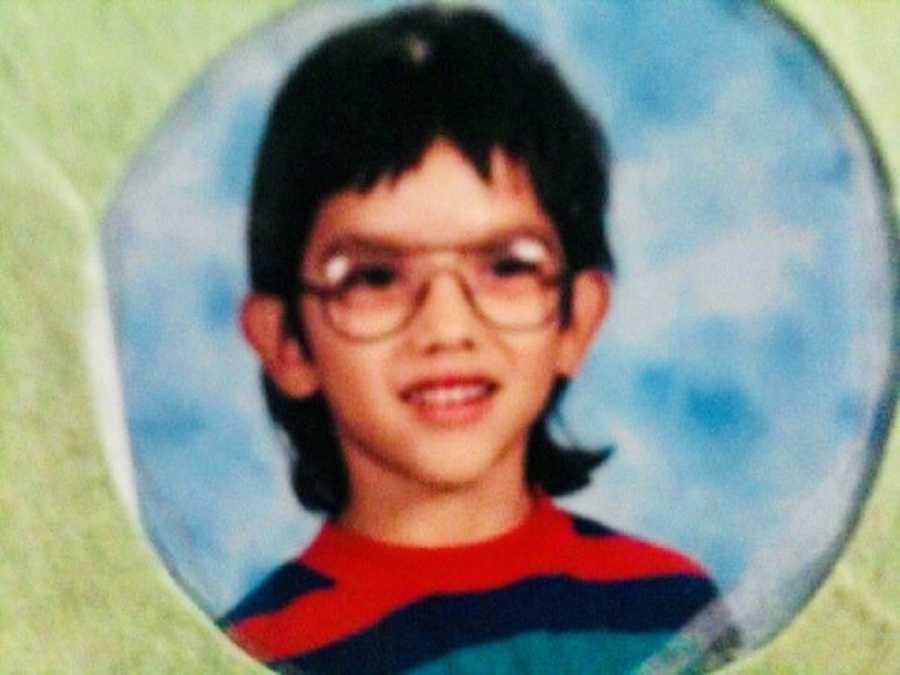
Something unexpected happened at school that made a huge impact on me. Teachers began to notice me, encourage me, and validate me. I remember thinking, “Wait… grown-ups do this?” It felt incredible. I excelled in school partly because I craved that positive affirmation. At the same time, I knew what happened if I didn’t. Anything less than an A or a negative behavior note meant yelling—and hitting—at home. I dreaded the bus ride whenever I saw a bad report card. “YOU ARE AT SCHOOL TO LEARN, NOT TO TALK OR SLACK OFF!” would be shouted at me in furious Spanish. The message was clear. Fear became its own kind of motivation.
My dad was the primary disciplinarian. My mom disciplined us too, but the unspoken rule was: do not make Dad angry. We had ups, but we had many more downs. One of the saddest realizations I carry is that I don’t remember my dad ever saying, “I love you.” I’m sure he did at some point—he had to have—but he was raised in a very traditional, macho culture in Mexico. He often told me, “I had it much worse than you growing up,” as if that made everything okay. What I do remember hearing far too often was, “You are good for nothing.” Because I was a slow learner and forgetful, his frustration with me was constant. I remember sitting in the bathroom one morning, staring out the window, crying uncontrollably, and begging God to send me a new dad. No stork ever showed up. I carried resentment and anger toward him for most of my life, though I’ve since given him grace, knowing he likely didn’t know any better. Still, those weren’t the childhood memories I would have chosen.
High school didn’t magically fix things. My relationship with my dad remained strained, but my sister and I grew incredibly close—best-friend close. Then one summer, something happened that shattered that bond. I became bitter and angry, and I didn’t speak to her for five years, even though we lived in the same house for much of that time. When she was seriously injured in a car wreck, I refused to visit her in the hospital. I said awful things and felt justified in my anger. Looking back, it hurts to admit how immature and unforgiving I was. My mom did her best, but encouragement wasn’t her strength. Trying out for football didn’t come with cheers—it came with criticism. Combine all of that with raging teenage hormones, and I became an angry teen desperate to fill a deep hole in my heart.
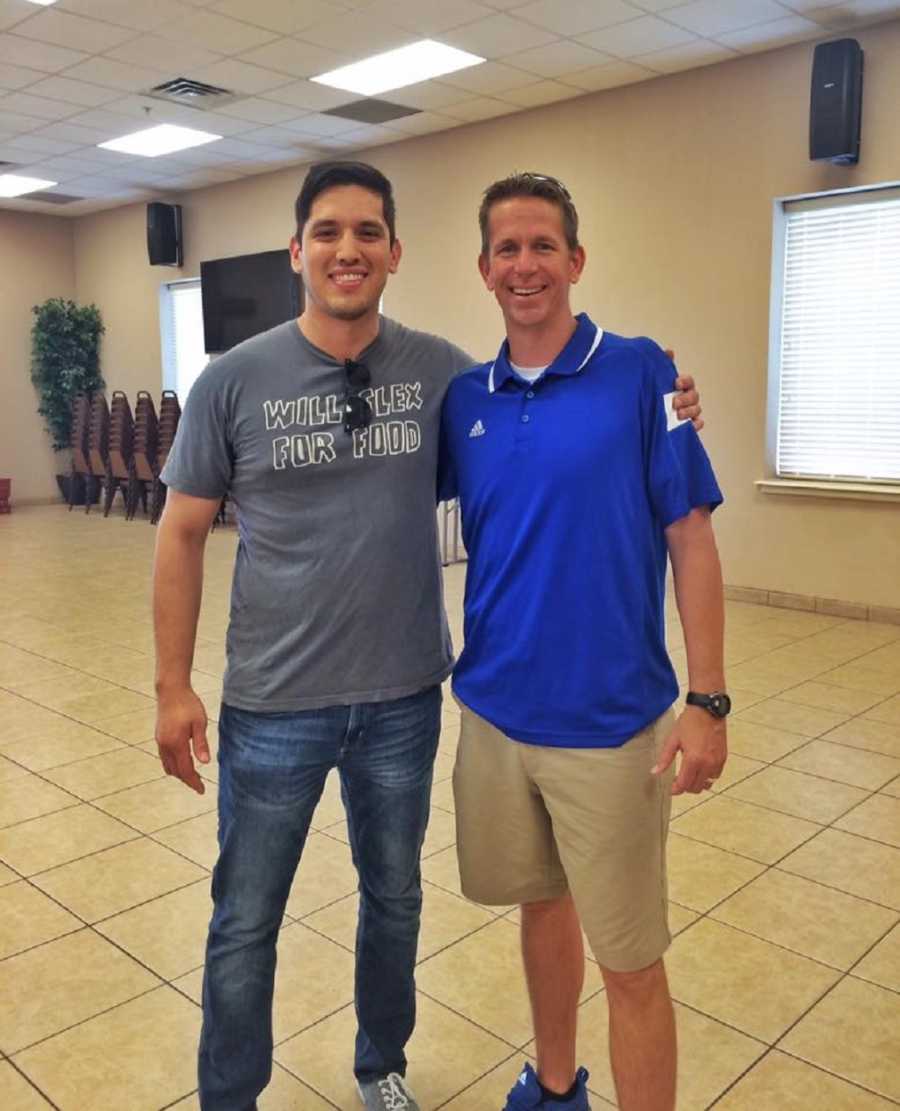
Thankfully, teachers and coaches continued to step in at just the right times. They showed me what guidance, love, and healthy accountability could look like. One coach in particular during my last years of high school made school enjoyable, pushed me to do the right thing, and believed in me when I struggled to believe in myself. He even let us play HALO during the offseason, which didn’t hurt either. A round of applause for Coach Holt.
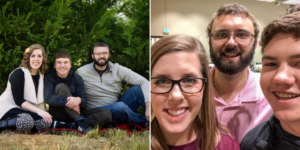
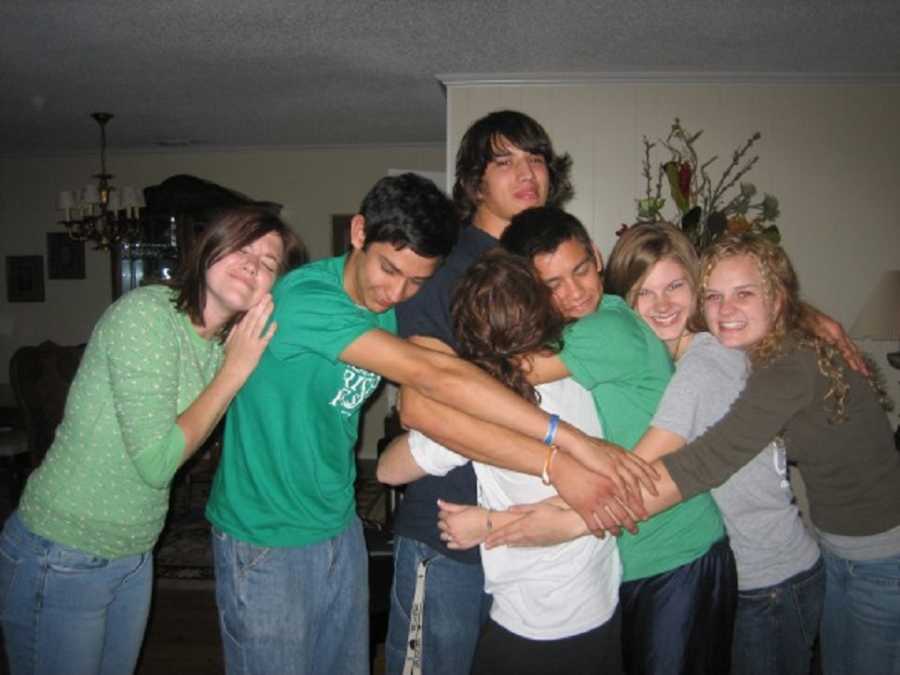
I was also blessed—truly, in a way that felt divinely orchestrated—to be welcomed into a group of classmates known as “The Kids.” They were smart, kind, responsible, and everything parents hope their children will become. For reasons I still don’t fully understand, they invited me in, laughed with me, and treated me with genuine kindness. Many of them are still my closest friends today.
After graduation, my parents decided to move back to Mexico. Their children were grown, and their friends and family were there. My sister and I agreed it made sense, even though it led to some lonely holidays. Once again, friends and their families stepped in, inviting me into their homes with open arms. I worried I didn’t belong, but I was met only with warmth, love, and plenty of food—which, if you know me, you know is my favorite expression of love.
In college, I experienced a loss that changed me forever. My friend Jessica was killed in a car accident during her first semester. She was beautiful inside and out. Losing her was devastating and confusing, especially since I hadn’t grown up grieving family deaths in a traditional way. Mourning her forced me to confront grief head-on. Through that pain, I grew incredibly close to her family, who I now consider my own. We have shared laughter, tears, long conversations, and countless baked goods.
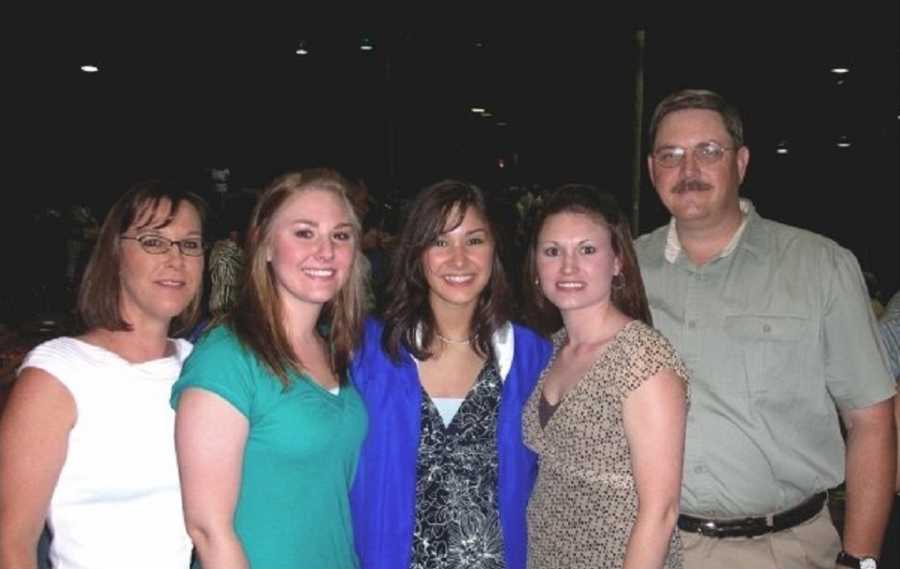
To this day, the families of my friends continue to be my support system. They invite me into their lives and homes, and I will never have enough words to express my gratitude. We may not share blood, but they gave me everything that truly matters.
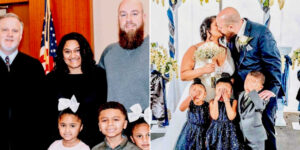
This past year, I achieved one of the most meaningful milestones of my life: I became a U.S. citizen. It took years of struggle and perseverance, and I owe that opportunity to my biological family for starting the journey. On that day, even though not everyone could be there, I carried all of them in my heart.
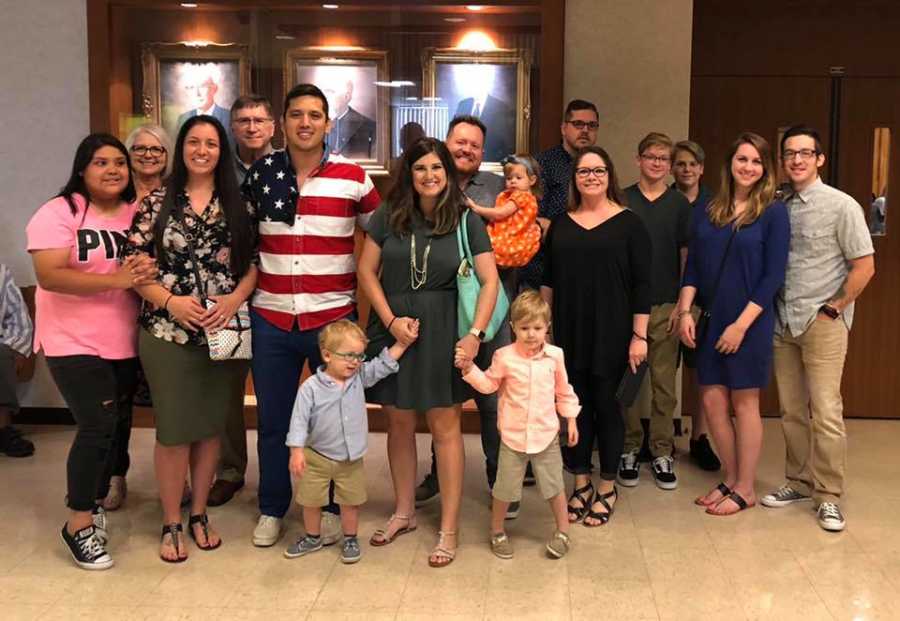
I am endlessly grateful for the many families who chose me, loved me, and helped shape the person I am today.