Five years ago, I walked away from a toxic marriage. No matter how much goodness existed within us individually, our foundation was built on sand. Our life together began as an uphill climb on a slippery slope, and we clung to each other by the thinnest of threads. Inevitably, it ended like a shattered mosaic of glass. We were left gathering fragments of something we had once believed was beautiful. In our young, carefree love, we never truly understood the constant effort and reverence a marriage requires. We crumbled like an avalanche, tumbling down the very hill we had tried so desperately to scale. Fourteen years of our lives had been entwined, and everything we had become was rooted in being each other’s spouse. Yet we lost ourselves in the oil-and-vinegar mixture of our mismatched union. The marriage we once thought blessed had become threadbare, exposed for all to witness its rips and holes. Though we grieved the loss, we knew it was over. We clung until there was nothing left to hold. It was the death of a dream—a curtain call for all we had hoped for since we were eighteen. Divorce is more than death; it’s the grim reaper suffocating your chest, a thief that swallows victory whole. Its weight is inescapable, its presence relentless.
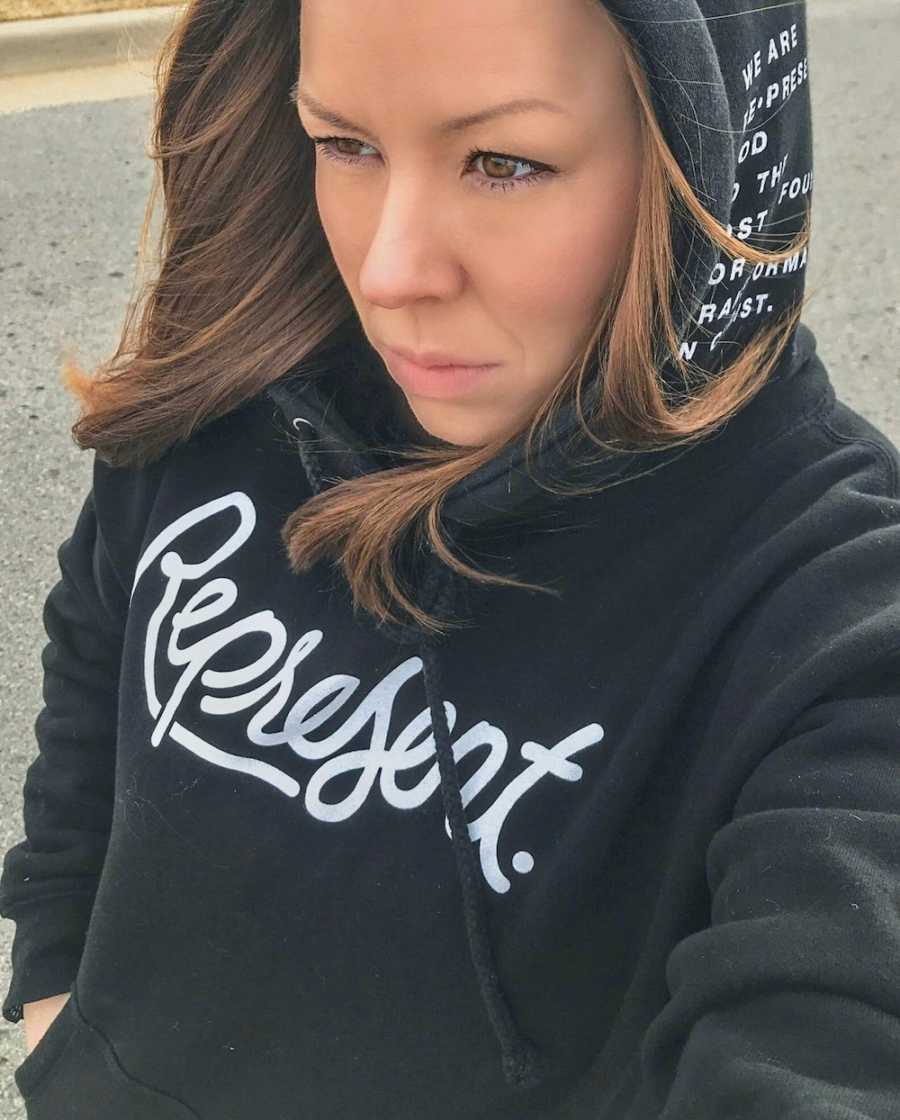
Six months later, I found myself drawn into a forbidden relationship. It was the tantalizing fruit hanging from the only tree I was forbidden to touch. We gravitated to each other, clinging to our brokenness in a desperate attempt to heal. Hidden in plain sight, cloaked in shame and dishonor, we bonded like magnets, unable to release the euphoria of connection—even as it pulled us deeper into danger. Our integrity was compromised, our defenses dismantled, every ounce of character thrown into a blender of secrecy. I am not proud of it. Neither is he. Our vulnerability stripped us bare, opening Pandora’s box and letting the haunting beauty of temptation whisper lies to our hearts. Post-divorce, the fragments of sanity I clutched were stripped away. Secret relationships steal life instead of giving it, leaving you hollow, uncertain if survival is even possible.
A year later, my mother began to hide persistent stomach pains. At first, we thought it was nothing—a minor irritation. But the pain worsened, her weight dropped rapidly, and she struggled to digest even soft foods. Doctors assured us it was IBS, then Colitis, then Diverticulitis. But a CAT scan revealed a deeper threat: her lymph nodes lit up like Christmas lights, and the thickening of her intestinal wall signaled a blockage. A colonoscopy was recommended, and I believed she would be fine. My mother had been healthy her whole life, never smoked, never drank, and lived fully in service to Jesus.
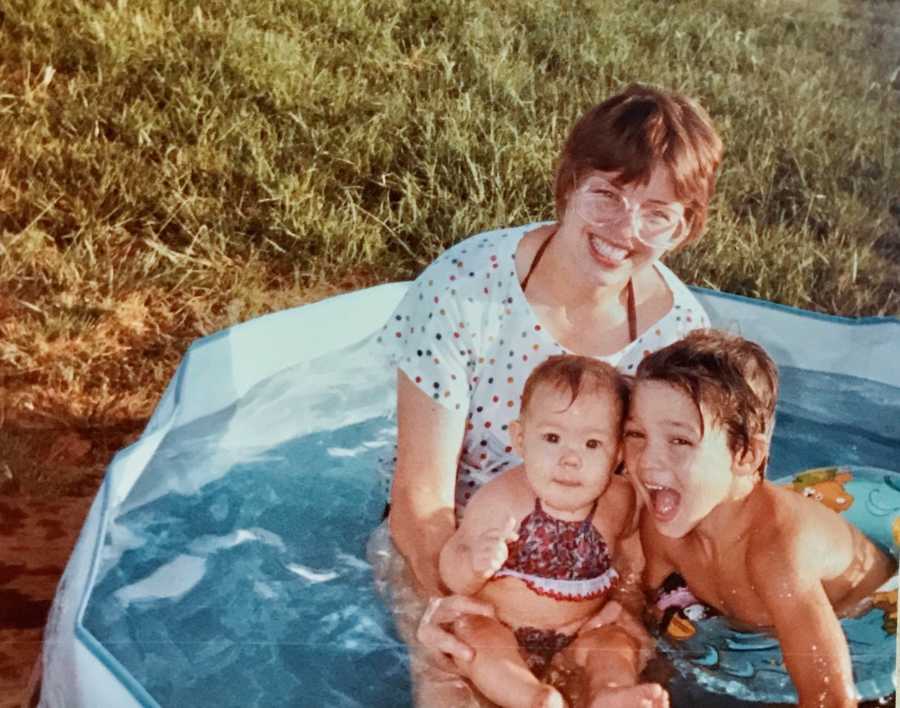
When the surgeon emerged, mask removed, I could see the truth in her eyes. She pulled up the image of my mother’s colon, pointing to the swelling. “We’ll send a sample for biopsy, but I’m almost certain this is cancer,” she said. Cancer. The word echoed in my mind, impossible to process. The next six months blurred into a nightmare. Her intestine ruptured, she went into sepsis, and the cancer had advanced to stage four. She was too weak for chemotherapy. I watched her groan in pain through endless nights, helpless as I tried to feed her, bathe her, medicate her, and keep her alive. I prayed over her constantly, swabbed her Pic line with meticulous care, and held her trembling body. Cancer is like a weed that suffocates every bit of life. My mother fought, but the battle was unfair. She didn’t make it.
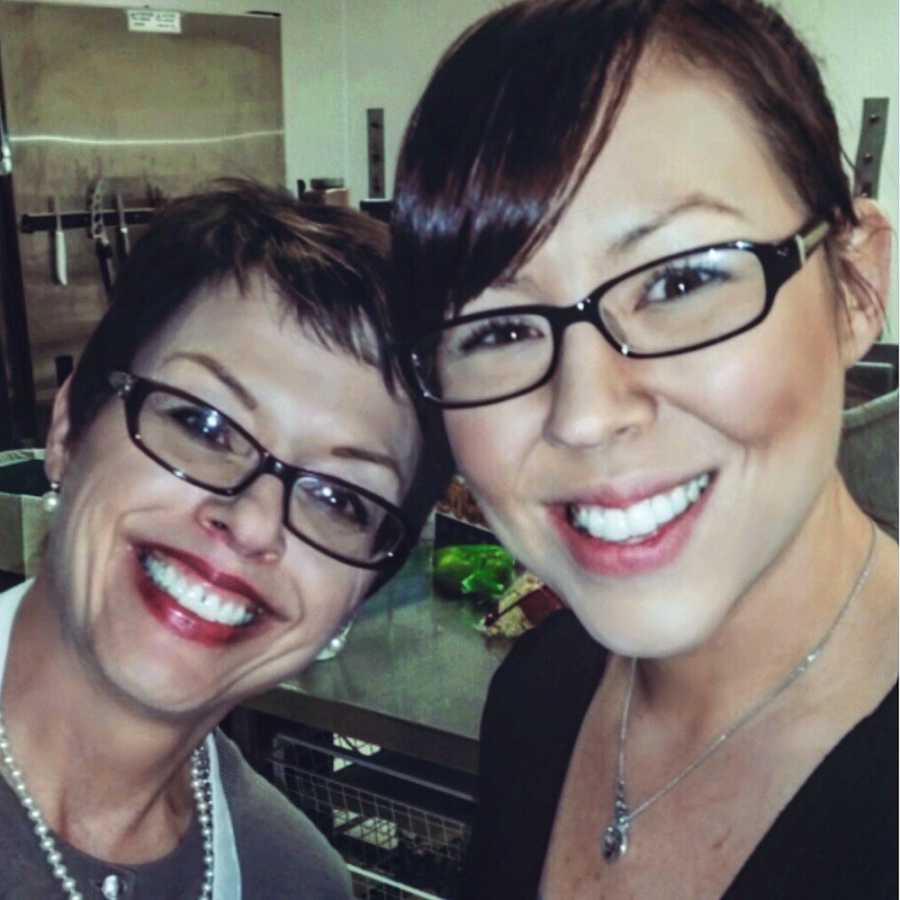
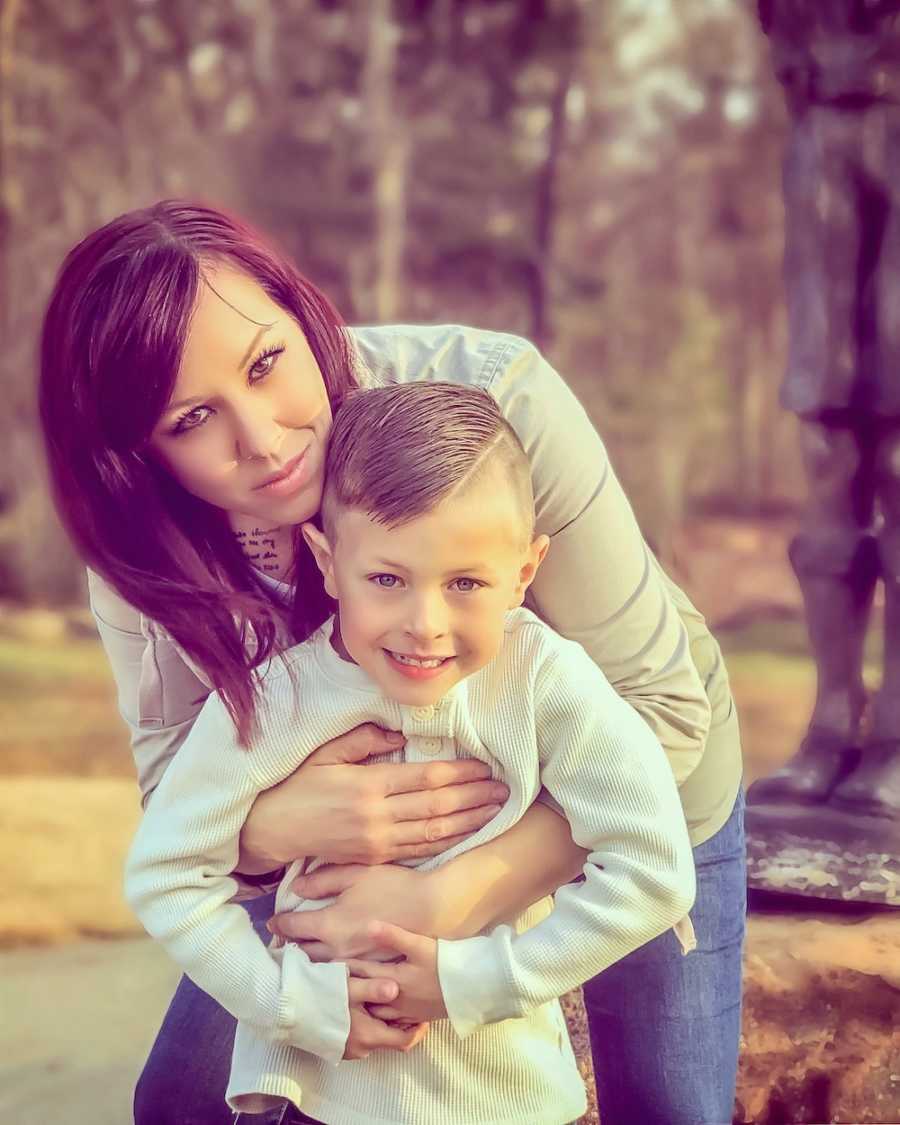
The grief didn’t end there. Her surviving husband and I had never fully connected, yet we tried to band together in the wake of her death. Weeks turned to months, and the weight of loss fractured us. Blame, accusations, and petty conflicts took the place of solidarity. I was pushed out of the home I had shared with my son, and he lost not only his grandmother, but now his grandfather as well. The aftermath of cancer lingers in ways that aren’t easily reconciled.
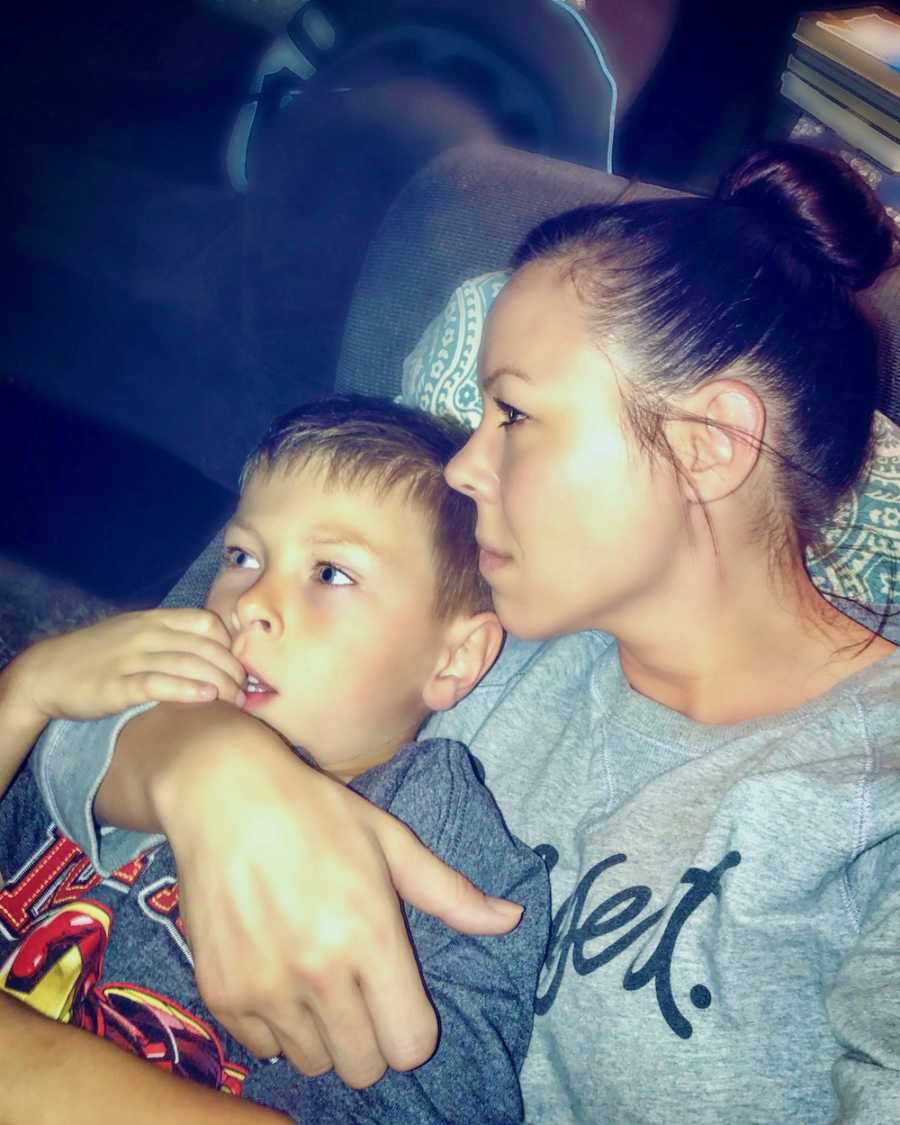
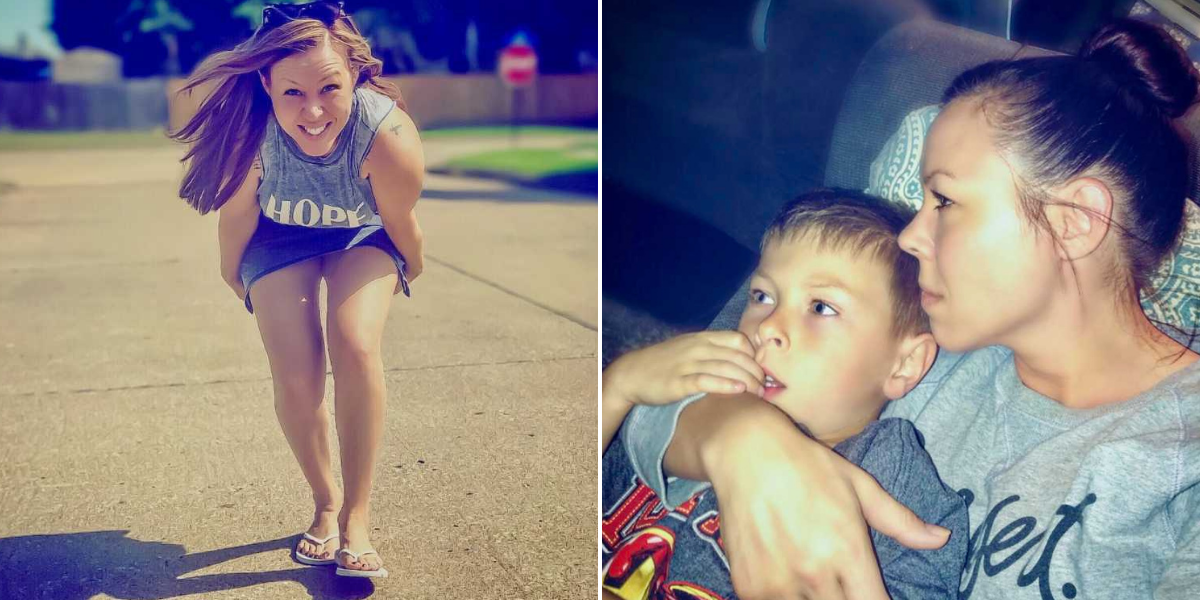
Looking back, I remind myself of all I’ve endured over the past five years. Reflection allows grace, but dwelling does not help. Bitterness and despair imprison you, while hope frees you. I choose daily to cling to hope instead of sorrow. I don’t rehearse the opposition, but I remember the fires I’ve weathered. I have overcome. I have not given up. My determination has reinforced my strength from the inside out.
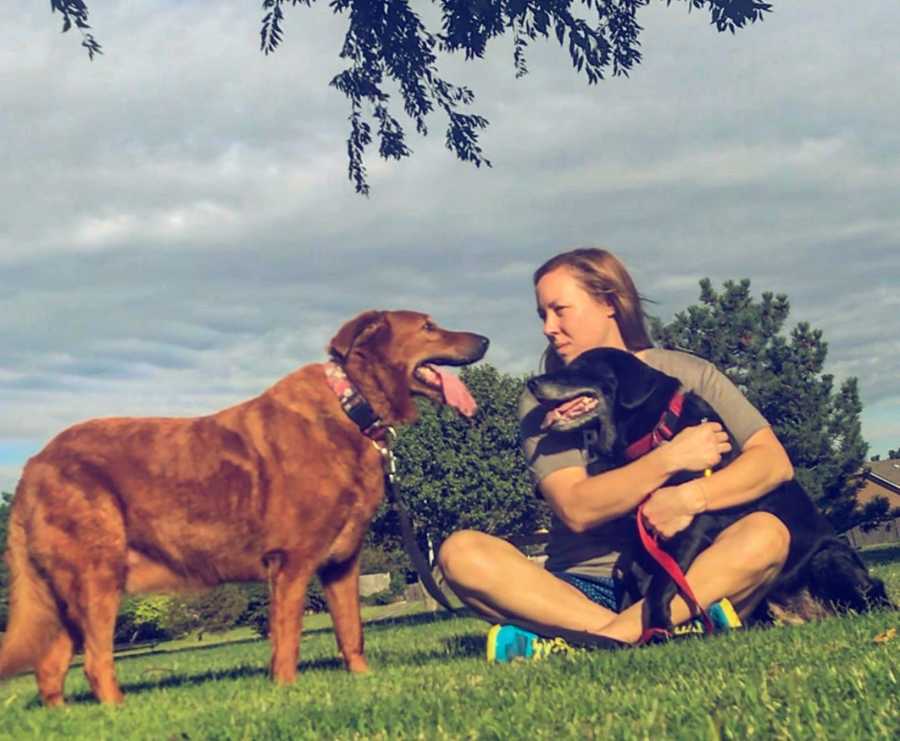
This is my journey of progression. Life is a process, and each of us is in our own lane of becoming. How you respond to trials—both unavoidable and self-inflicted—shapes who you will become. I am thankful for a Savior who has used every mess I’ve endured to refine compassion, leverage hope for others, and instill steadfast resolve. I have been pressed and broken in the fire, yet I emerged stronger, levelheaded, balanced, and free.

Today, I am a worship leader in one of the most influential ministries in the world. I have found hope through heartache and am committed to sharing it with as many as I can. As my pastor Michael Todd says, “She decided not to make her tragedy an excuse for God using her life.”