I remember daydreaming about what my future would look like. I pictured two boys and a girl, a white picket fence, a husband, and a cute dog—classic, picture-perfect family life. Children were always my certainty; being a mother was something I knew I wanted more than anything else.
I met Ed when I was 18, and we married when I was 26 and he was 28. We were eager to start a family, but when it didn’t happen right away, discouragement set in. I had friends and family who were foster parents or had adopted through the foster system, and I found myself drawn to their stories—especially to a little girl one couple had adopted. The thought of helping children while potentially building our family in a unique way kept tugging at me.

I eventually suggested fostering with the possibility of adoption to Ed. He was hesitant, with very valid concerns, but I felt it could be a meaningful distraction while we tried to conceive and an opportunity to grow our family in unconventional ways.
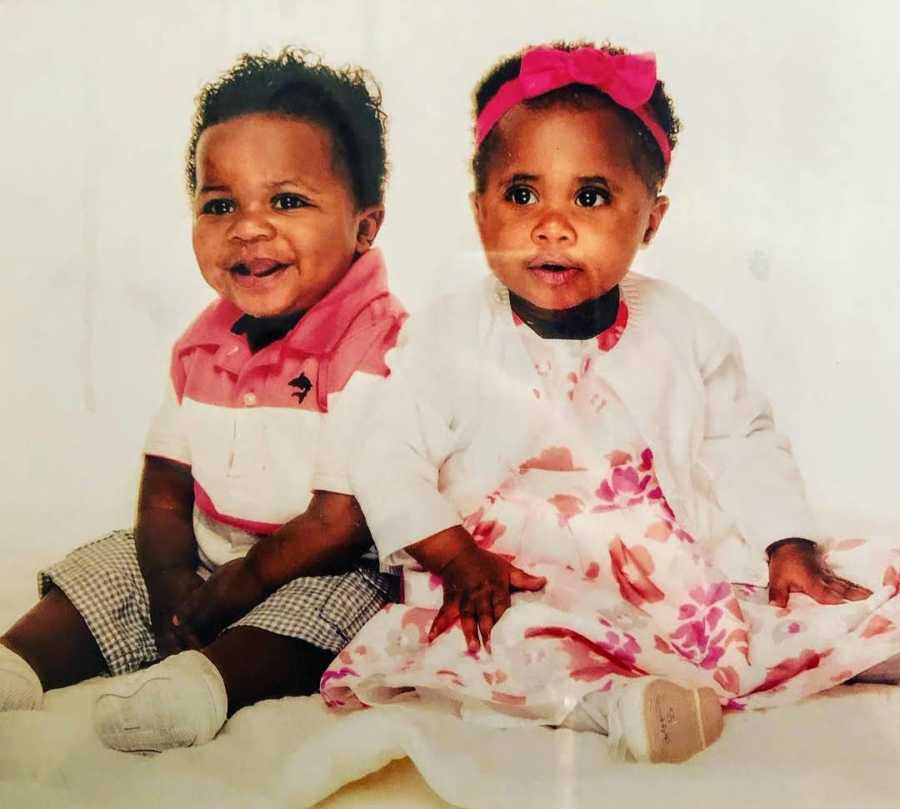
Our journey began in 2011. After several sibling groups came and went, we met our twins on March 30, 2012. What started as a weekend emergency placement quickly became a life-changing moment. Ace and Avaya captured our hearts instantly, and in that moment, we became parents. I quit my job to dedicate myself entirely to them.
Avaya faced heart surgeries and spent much of her first year in and out of the hospital. After a rollercoaster foster care journey, they officially became ours in November 2013 at 18 months old. The longing to have biological children faded entirely; the love I felt for them was as strong as if I had carried them myself. Many fear adopting children they aren’t related to, worrying whether the bond will match that of biological children. For me, the love I felt for Ace and Avaya surpassed anything I could have imagined.
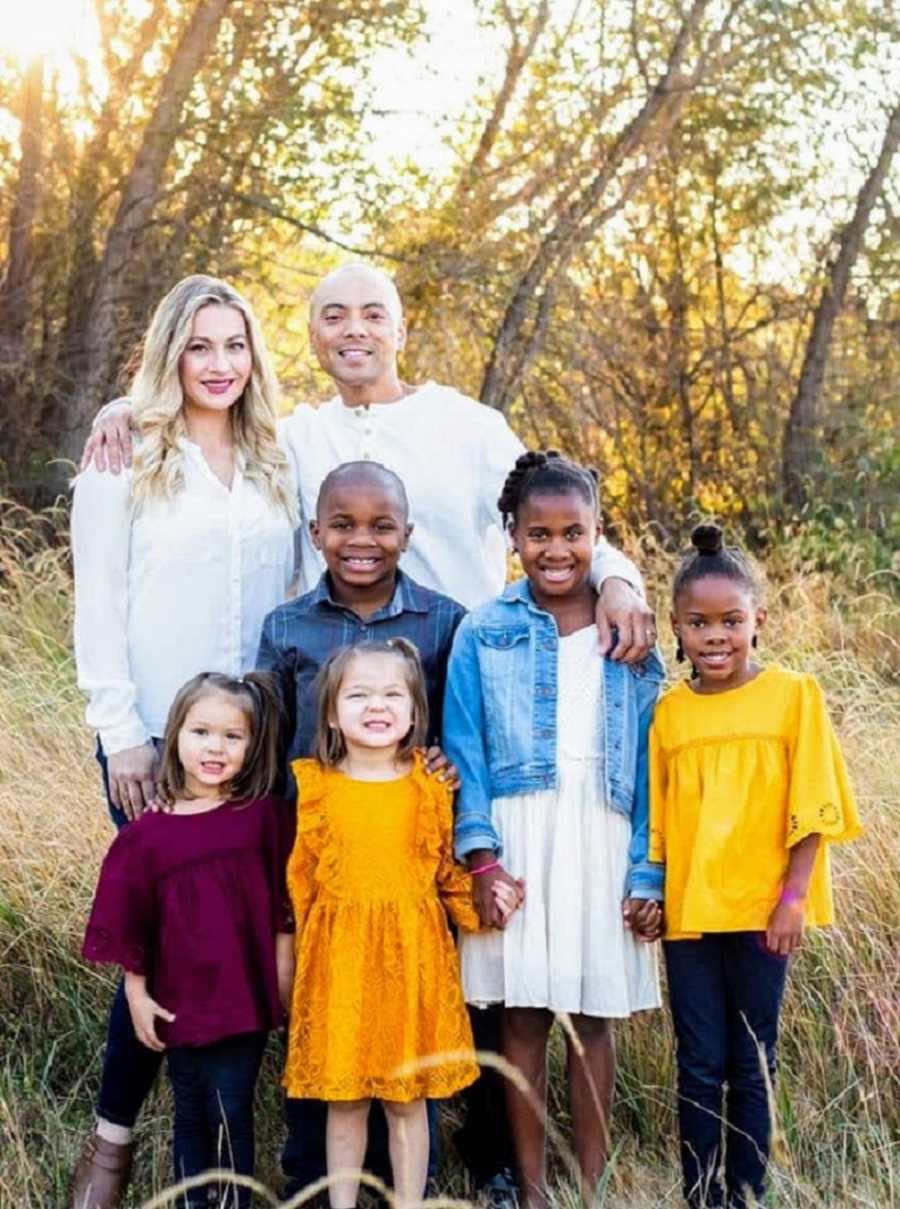
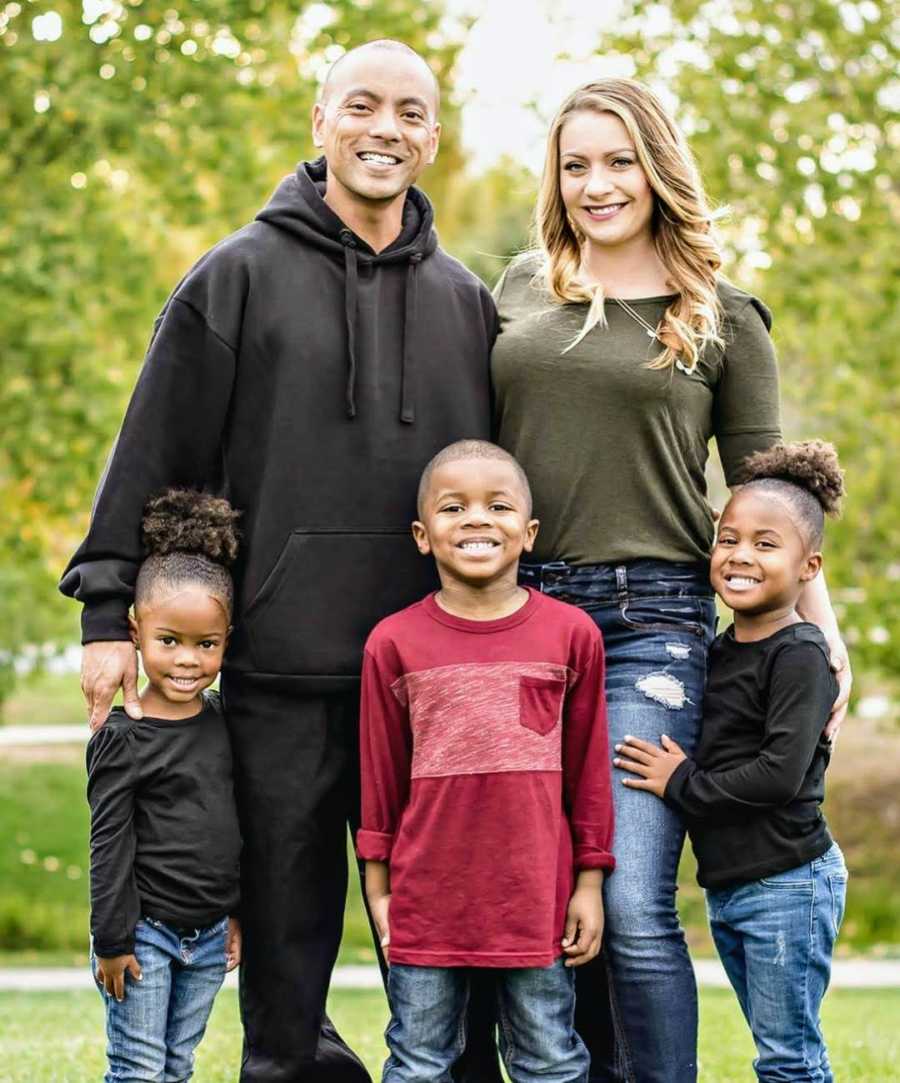
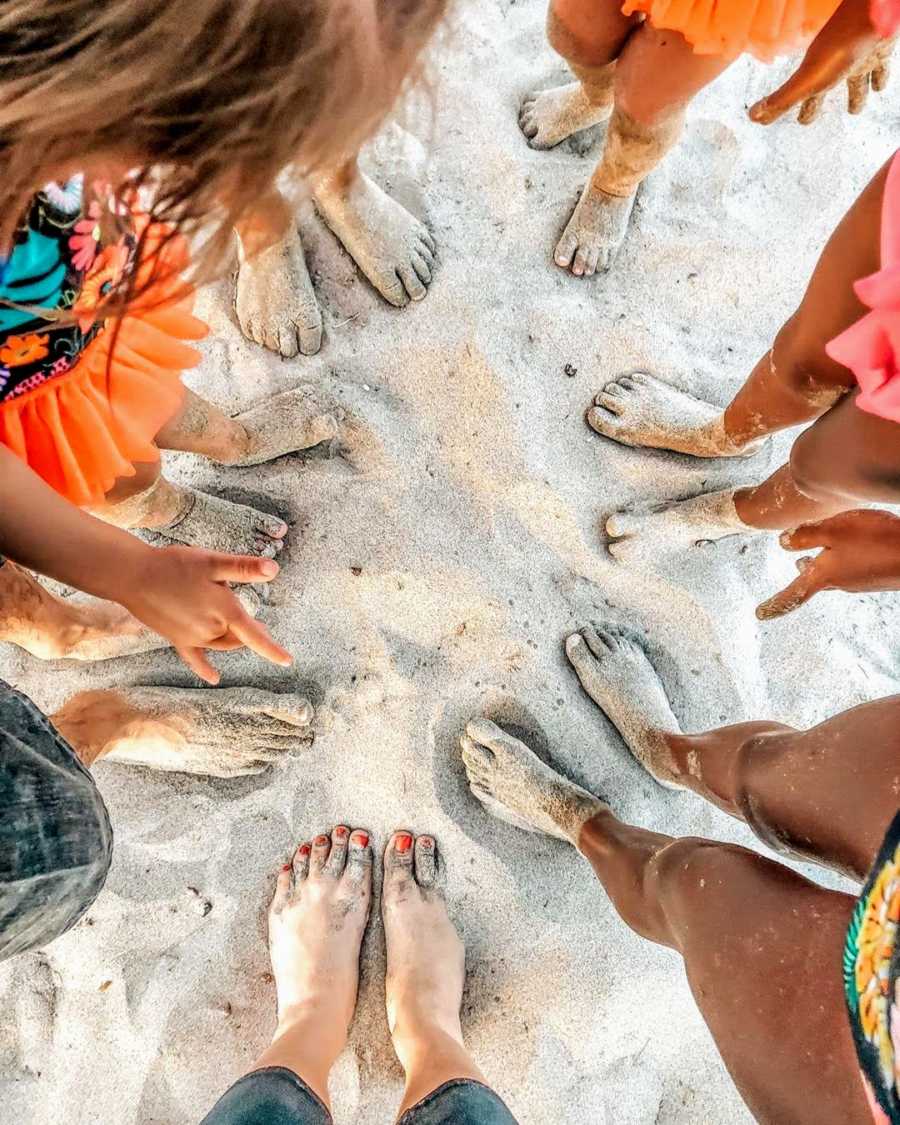
Our family is wonderfully diverse: the twins are African-American, I’m Italian, and Ed is Filipino. Over the years, we’ve faced stares and hurtful comments from strangers—people asking, “How did THAT happen?” or “Why didn’t you adopt your own kind?” It stung at first, making me feel inadequate. I even started covering the car seats when running errands just to avoid judgment. But as the children grew, so did my confidence. I now take immense pride in our family and care far less about what strangers think.
When the twins were 2½, I received a call from a foster parent friend. Her former foster daughter had re-entered the system and needed a home. Little Eliyah, just shy of two years old, joined our family. She and Avaya formed an instant sisterly bond, and she fit perfectly into our lives. Two years later, in May 2017, Eliyah was adopted. With three nearly same-age children, life was lively and busy, but our hearts were full.
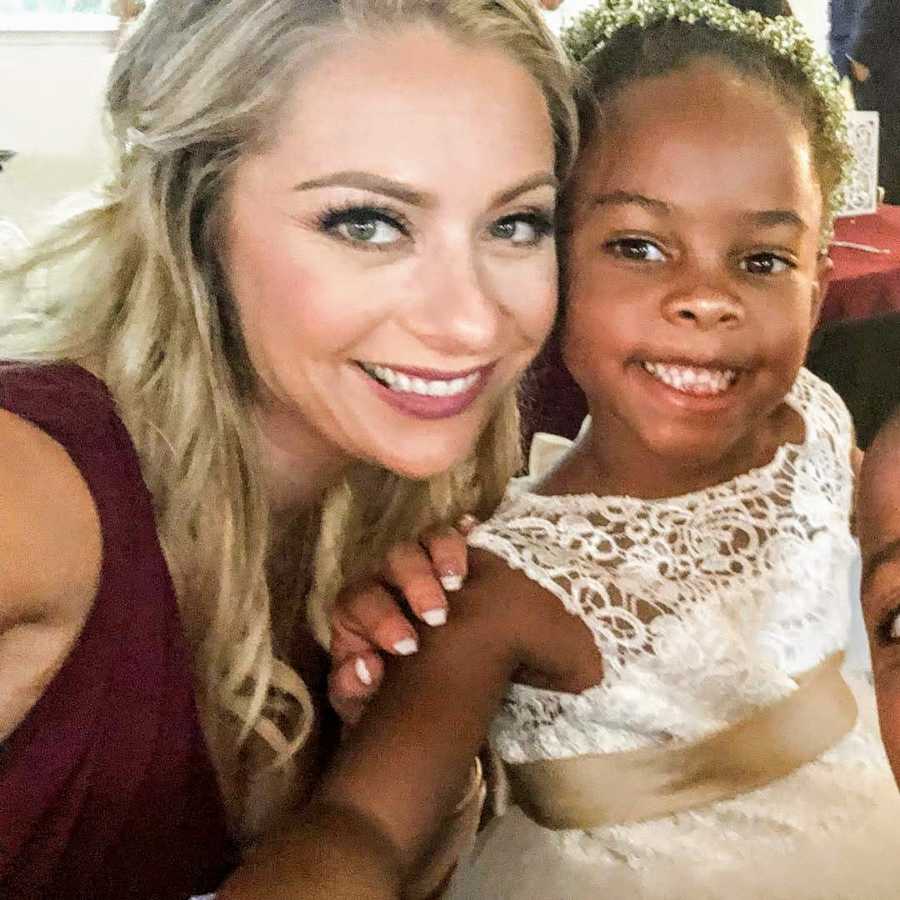
Once the three of them were in kindergarten, I returned to working outside the home. Our fostering journey continued at full speed, often housing six children at a time, coming and going rapidly. Over time, we fostered more than 30 children. Then, a call came about three little girls. We said yes, unknowingly stepping into one of the most emotional roller coasters of our lives.
The youngest of the three had special needs we couldn’t meet with our large household, so she was placed in a home where she could receive focused care. The two older girls, now two and three years old, quickly bonded with us and our children. Despite trying to protect our hearts, falling in love was inevitable.
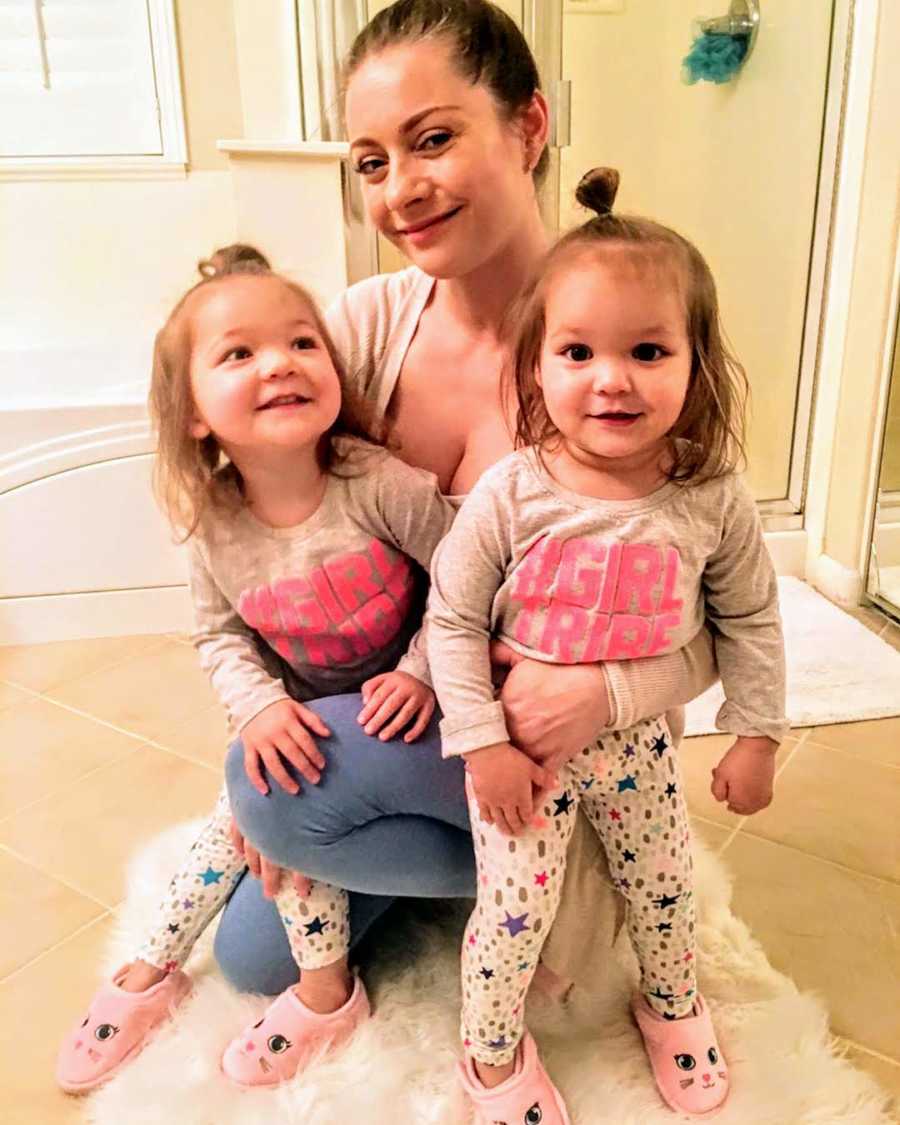
This placement brought intense drama and heartache. The girls’ social worker at the time made decisions that were confusing and emotionally draining. One day, adoption seemed possible; the next, reunification with their biological family was suddenly the plan. It was an exhausting gray area. For over a year, the system seemed to fail these children. Eventually, traumatic events halted reunification, a competent worker took over, and the case moved toward adoption. While I understood my role as a foster parent, it was painfully clear to me that sending them back would not serve their best interests.
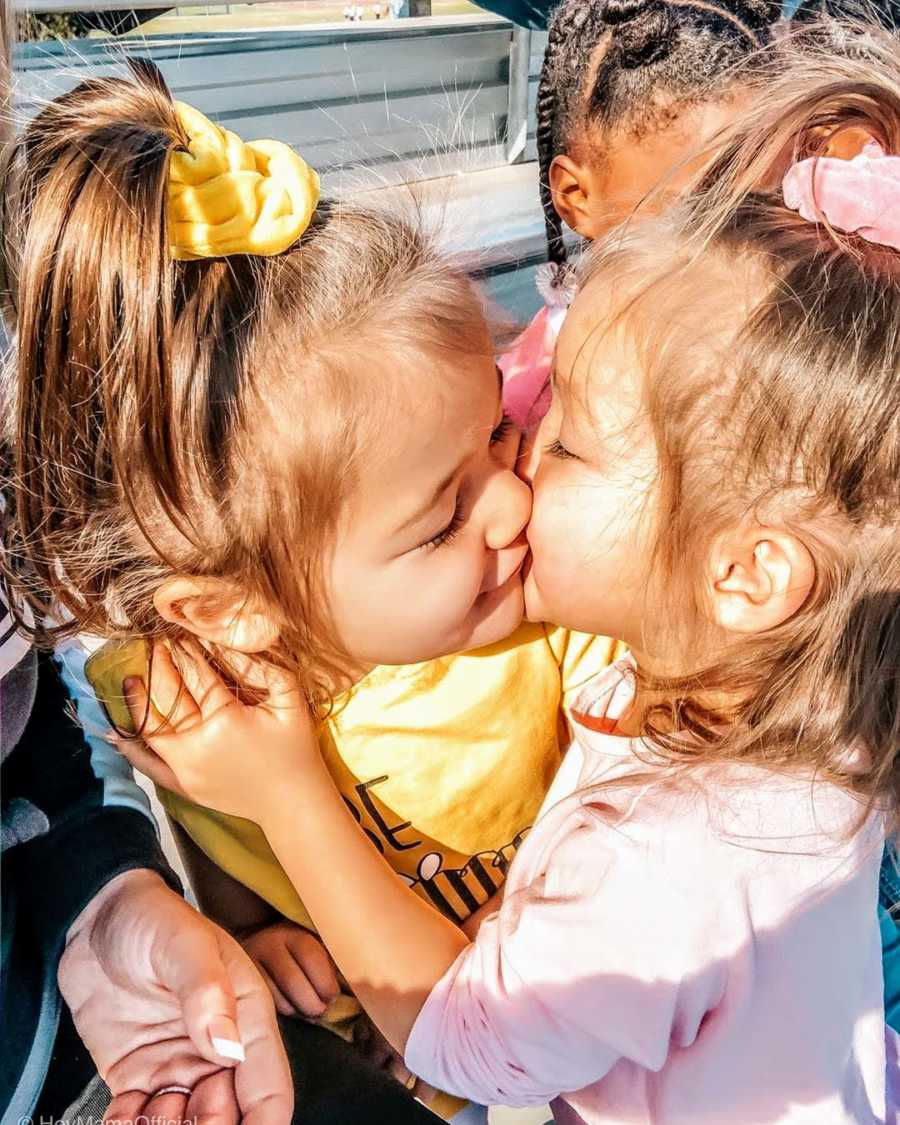
After termination of parental rights was finalized, we met the adoption worker. She initially pressured us to take back the youngest sister, even threatening to place all three girls elsewhere. I knew in my heart it was best for her to remain in a home equipped to meet her needs. After bonding assessments, home visits, and countless excruciating waits, the worker finally agreed. Documenting this journey on YouTube helped us process every high and low and inspired others to consider foster care.
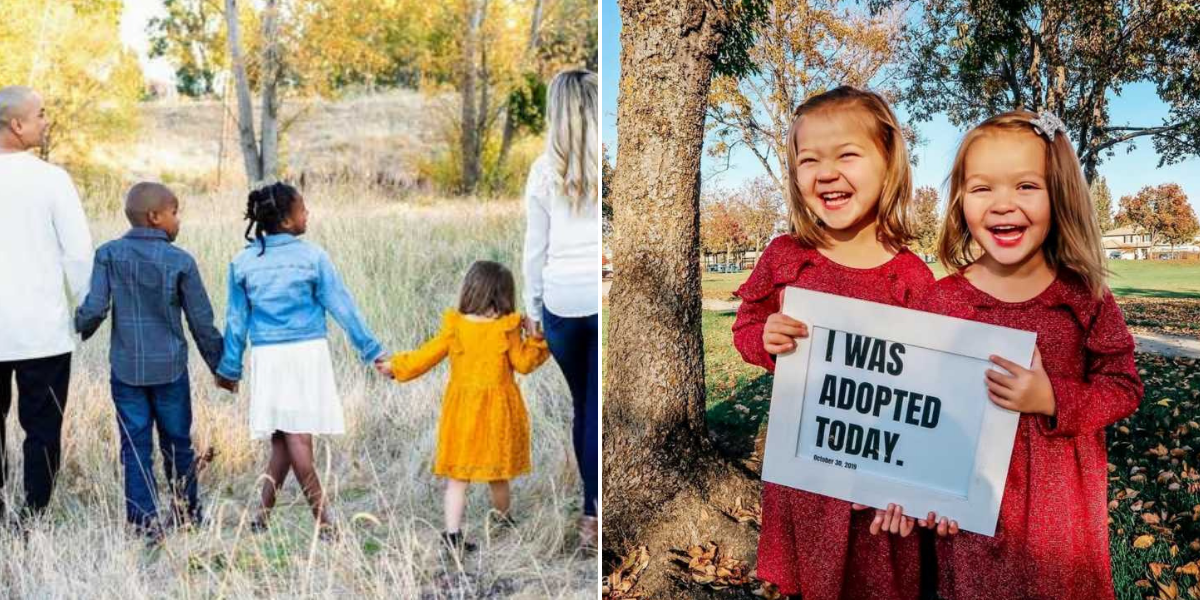
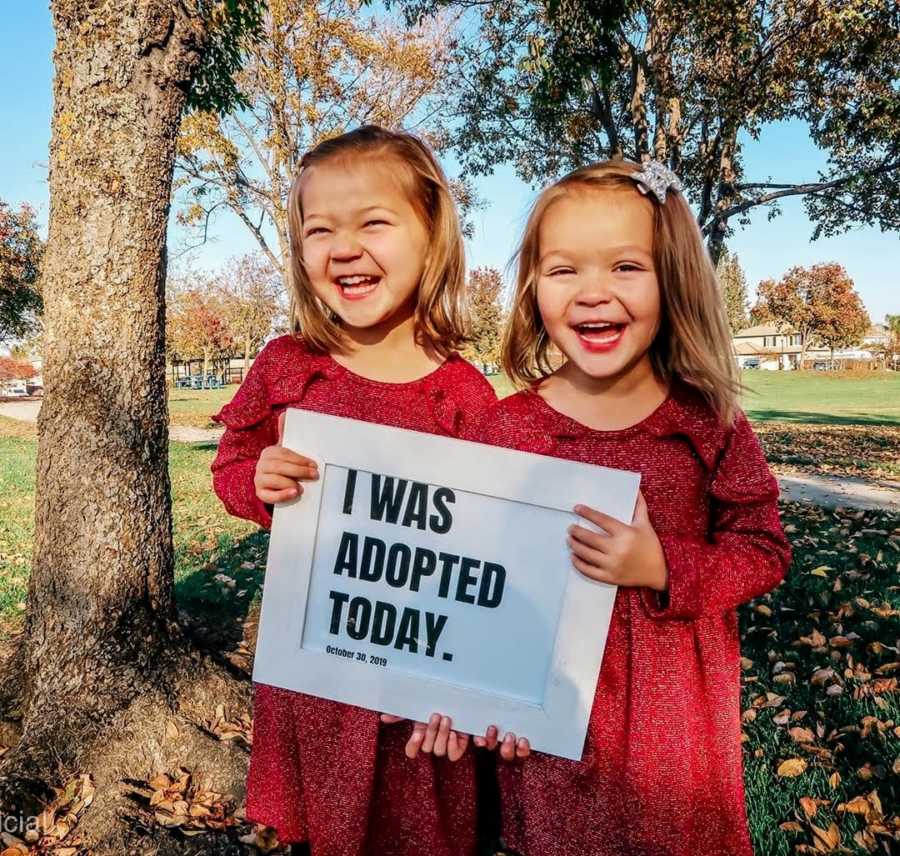
On October 30, 2019, Lilly and Natalia officially joined our family, completing our family of seven. All five of our children came to us through foster care, and each one is wholly, undeniably our child. I cannot imagine a love stronger than the one I feel for them. Yes, raising five children born within three years is exhausting, chaotic, and filled with shoes everywhere—but also overflowing with laughter, tears, and joy.
We sometimes wonder about having a biological child, but the thought feels unnecessary. Our hearts are full, our family is complete, and the longing to birth a child has completely faded. We are grateful, fulfilled, and blessed beyond measure with our five incredible children.