When my husband died, I gathered up his favorite shirts and carefully placed them in a bag. I set the bag aside in the corner of the living room near the front door, intending to give it to a friend who was going to make a t-shirt quilt for our thirteen-year-old daughter. But before I could hand it over, we moved from that house—and the bag disappeared. My guess is that it was mistaken for trash or donations. I’ve always blamed myself for being careless with it. Still, I looked for that bag relentlessly: first for hours, then every few days, then every few weeks, and eventually, periodically over the years. Even now, if I’m in the garage hunting for something, I inevitably move things around, hoping it will appear.
Because it wasn’t just any shirts. They were his shirts—the ones husbands wear too much, too long, that eventually shouldn’t still be in rotation but somehow are. The ones kept for years, cycling in and out of style. The ones you’d recognize anywhere, the ones you could never replace. The ones that smelled like him, that I had slept in, wiped my tears on, and maybe even my nose. The ones our babies had snuggled against. Those shirts carried every memory. I wasn’t ready to lose them, and yet, within a week of losing him, they were gone. I was devastated. Angry. Frustrated. I wanted so badly to give our daughter that quilt, and I had failed. But like everything in those first few weeks, I had been in a fog. I simply wasn’t thinking.
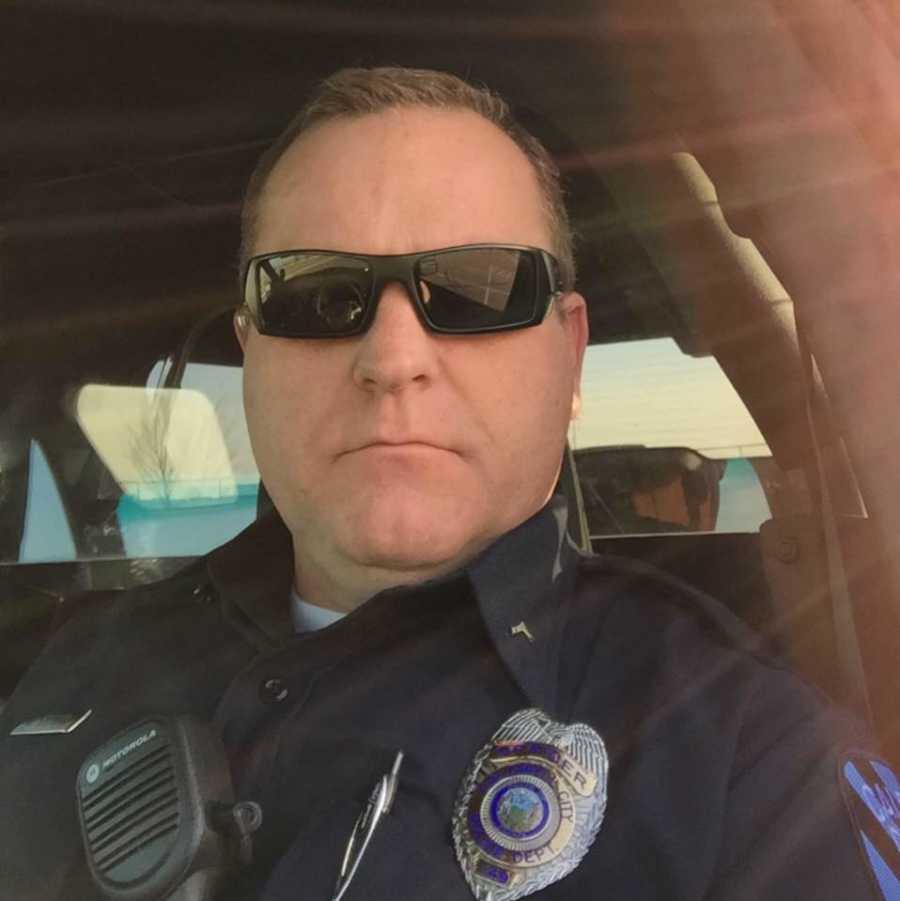
It took me over three years to even consider another way to give her something of his. Maybe I put it out of my mind. Maybe I was afraid she would lose it like I did. Maybe I didn’t know how. Maybe I thought the right time would come when we were all ready—or maybe the universe just knew when the moment was right.
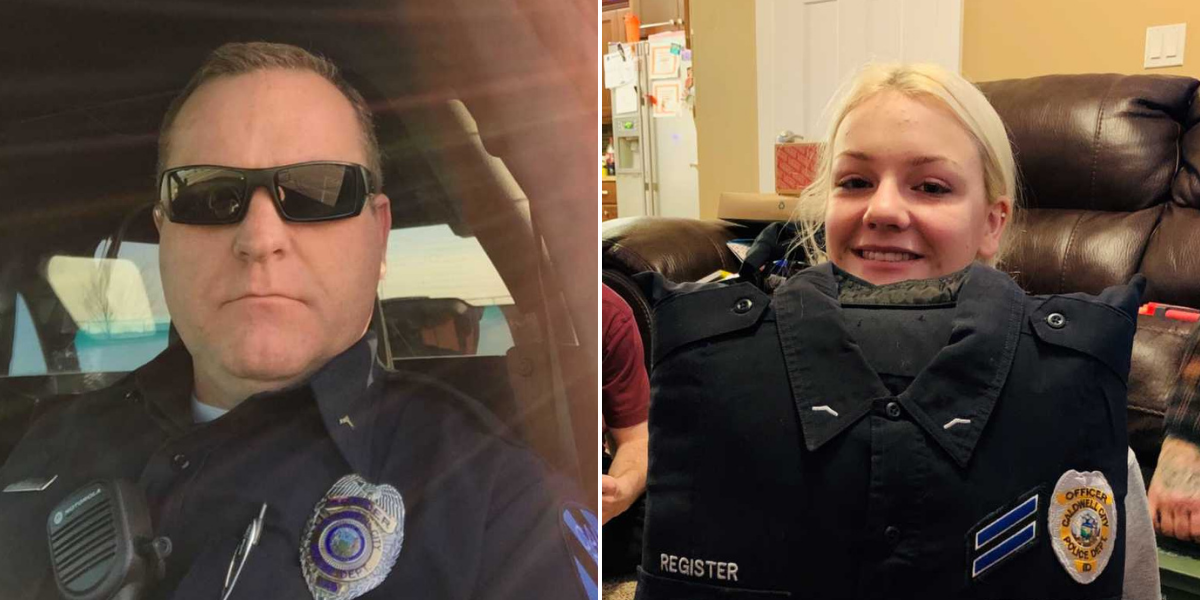
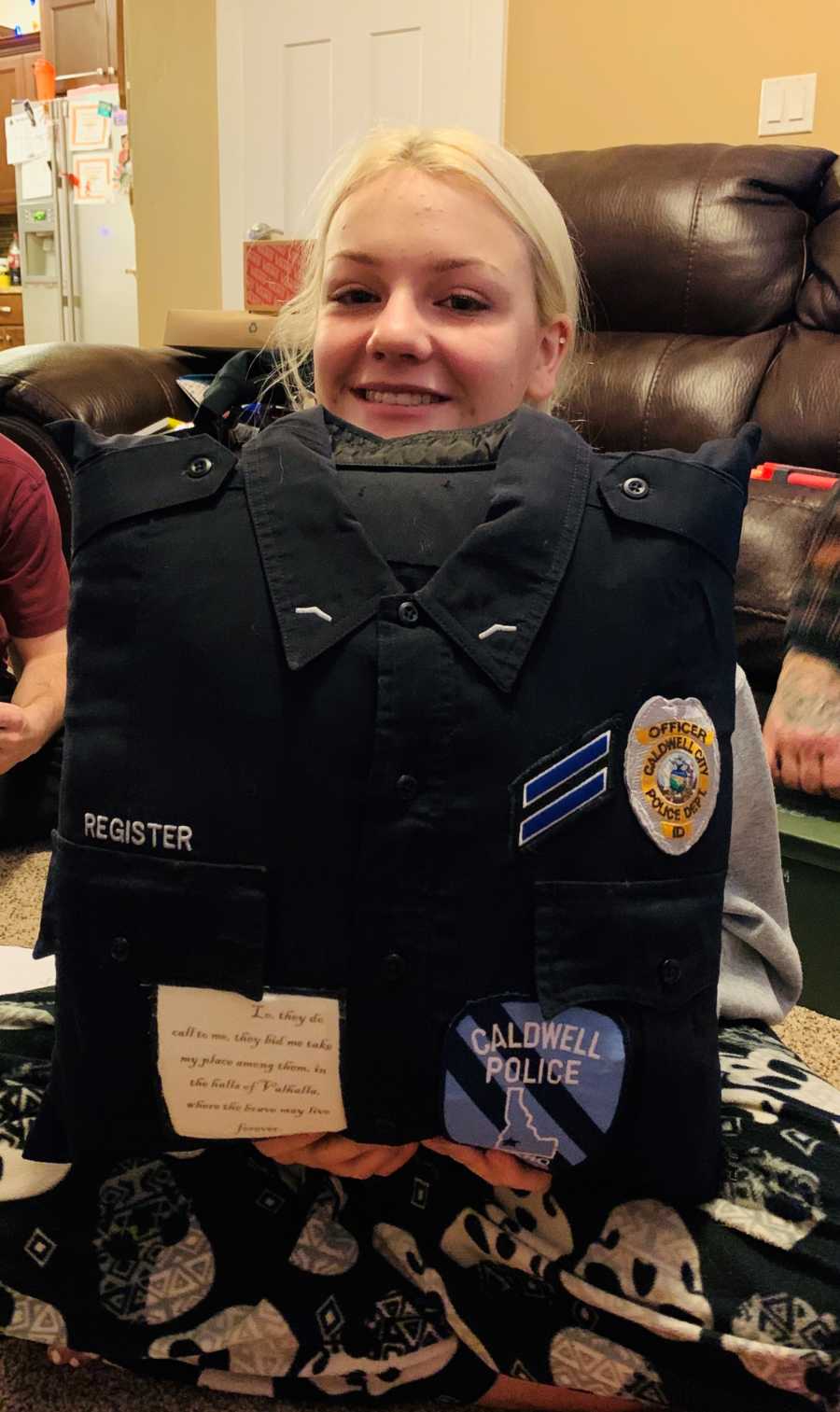
That right time, apparently, was this past fall. I was in the garage hunting for Christmas decorations, and for the first time since his death, I actually felt excited about the holiday again. I don’t remember which box I pulled out, but as soon as I saw it, I knew exactly what I would do. I was going to find someone to make a pillow from Chad’s police uniform shirt. I posted on Facebook, looking for a seamstress, and connected with a friend whose brother could make it happen. Excitement bubbled up inside me.
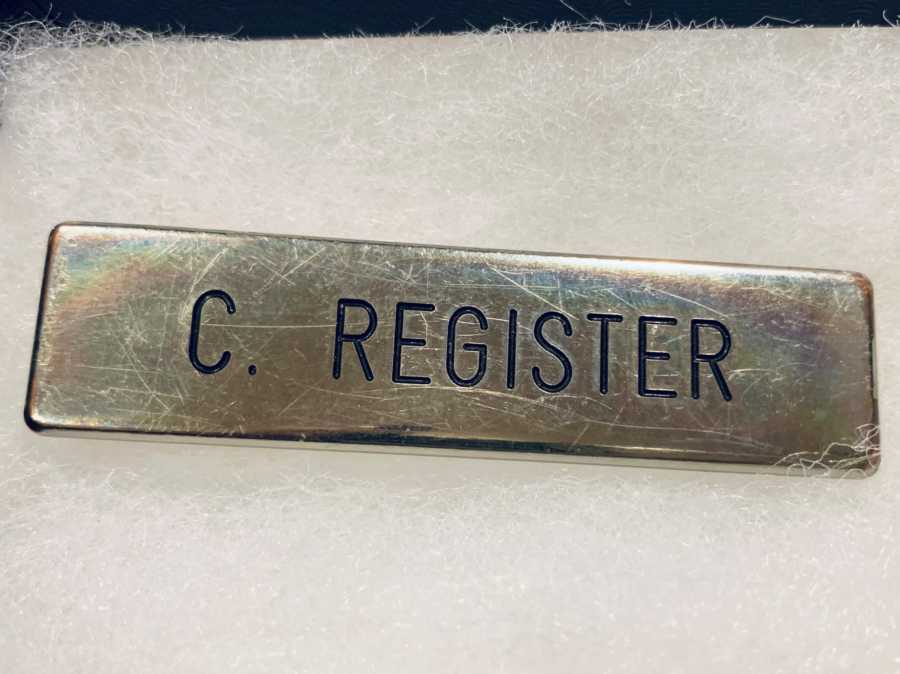
Then, something caught my eye on the shirt: an embroidered emblem on his lapel signifying his rank. My heart skipped. I gasped, tried not to overreact, and ran back to the garage. I flung open the safe, turned on my iPhone flashlight, and patted my hands around the unseen corners. Seconds later, I felt it—a plastic sandwich bag. Inside were two perfect pins, the real pins he sometimes wore, along with his nameplate, tucked away for the right time.
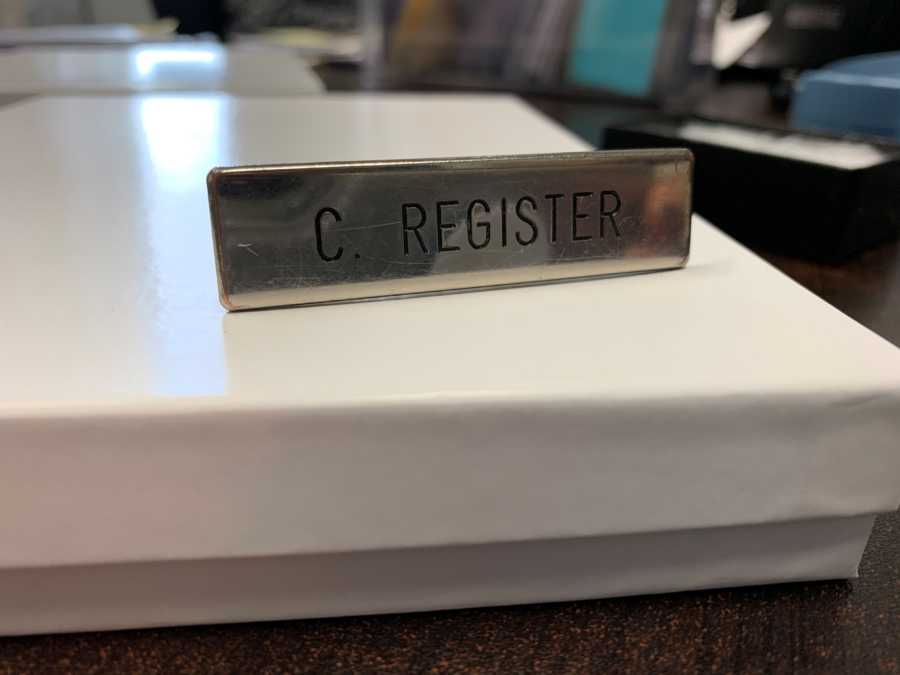
I made an appointment with a jeweler and explained my vision. I repeated myself ten times, probably nervously, anxiously, and fearfully. Entrusting a stranger with something so personal—so irreplaceable—felt almost like entrusting his body to the funeral home. I didn’t want to let go of anything, not even one tiny piece of him.
A month later, I received the call. I drove to the shop, sat down, and held my breath. The first piece, a money clip made from his nameplate for my son, was stunning—the most beautiful thing I had ever seen. Then came the white box. I slid off the top, opened the sheath, lifting the flaps just as my daughters would a few weeks later on Christmas morning. I drew a deep breath, held back tears, and let them fall freely, letting my hands tremble, my lips shake.
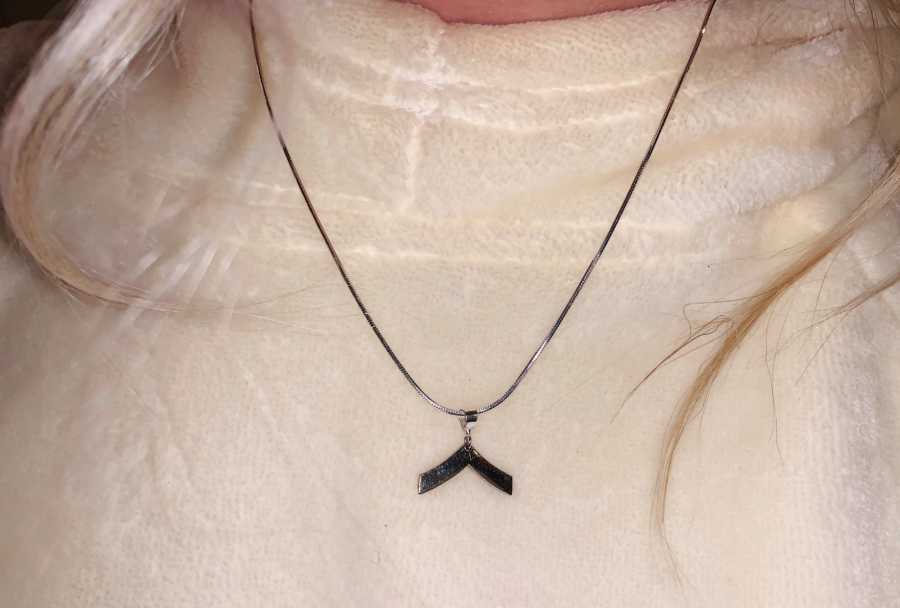
When my teenager finally opened the pillow—the one representing all the missing shirts—she pointed to the embroidered rank on the lapel and asked, “What are these?” My voice broke as I explained, and then, moments later, she held the real pins on a silver chain. She hugged the pillow and whispered, “I love it.”
Then the girls opened the jewelry box together. Their gasps filled the room.
“Is this the real pin?” my younger daughter squeaked.
“Yes, my love. It is. From his shirt,” I said, voice catching.
“I love it,” she whispered. My older daughter couldn’t speak, tears spilling down her cheeks.
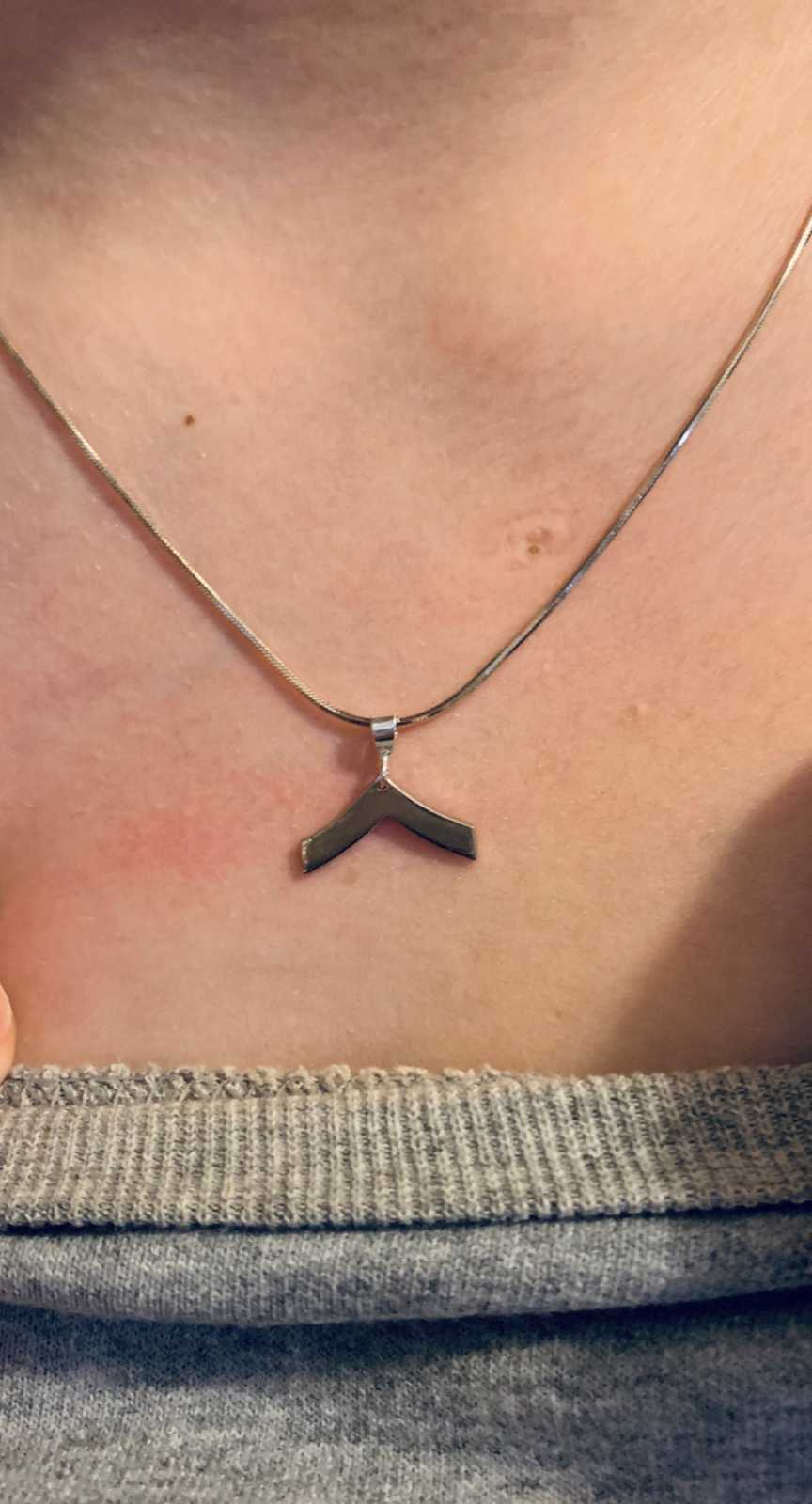
They immediately put them on, took pictures, shared stories about him—his laugh, his generosity, his silly antics. They touched, held, and loved these tiny pieces of him, just as I had hoped. And in doing so, they loved him all over again, as if he were still there, laughing on the couch, sharing those moments with us.
That’s what memories do. That’s what found shirts do. That’s what the smallest, most personal token—transformed into a necklace or a pillow—can do.
Look for the memories, friends. Look for the pictures. Look for the littlest things that make your heart swell. Look for the shirts. Trust me: just look for the shirts.