For the two years we struggled to conceive, my mind was in constant turmoil. Every day, I found myself asking: Am I pregnant? Should I take another test? What if I never get pregnant? What’s wrong with me? Should we consider adoption? The uncertainty was exhausting. Trying to conceive became a source of relentless stress and anxiety. I took pregnancy tests almost obsessively, and watching friends and family around me get pregnant only intensified the ache in my heart.
Finally, our doctor prescribed the lowest dose of Clomid, and on the first cycle, we got the news we had been dreaming of: we were pregnant. But the early excitement quickly gave way to relentless nausea. The morning sickness hit hard, and I found myself vomiting every time I tried to eat. I worried constantly about whether our baby was getting enough nutrition. After a few weeks of feeling unwell all day, every day, a thought crossed our minds: Could there be twins? Nine agonizing weeks passed before our first OBGYN appointment, where we would finally see the baby—or babies—on the ultrasound.
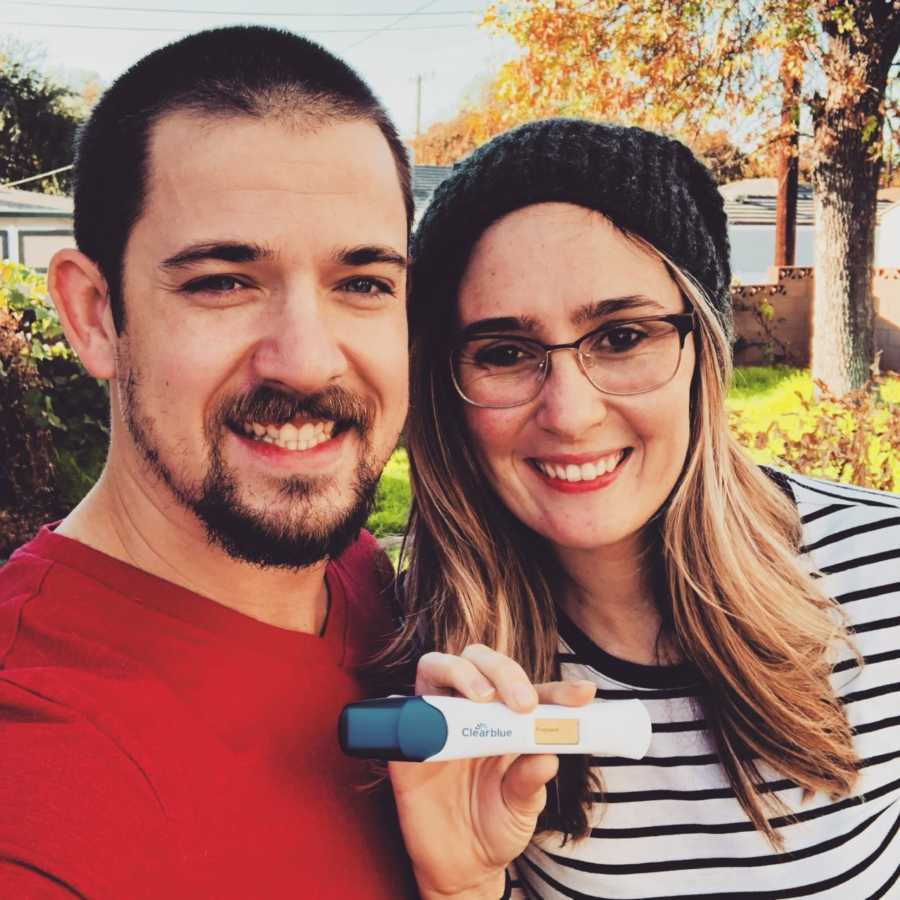
The morning of our appointment, I was feeling especially miserable. But I knew I had to go, to make sure our baby was okay. My nerves were at an all-time high—I feared the worst, imagining the doctor telling us something had gone wrong. As we settled into the exam room, the doctor began the ultrasound. Almost immediately, she exclaimed, “OMG, there are SO MANY.” My heart sank. “So many what?” I asked, panicked. Then she clarified: “There is one, there are two, there are three, and there might be a fourth.”
We were having triplets.
Shock, laughter, and adrenaline collided all at once. Chris sat in a corner, stunned, hand over his face, while I laughed, half in disbelief. The doctor confirmed that all three babies were healthy, each with strong heartbeats. They were trichorionic/triamniotic triplets—meaning each had their own placenta and amniotic sac. On the drive home, we were quiet for a moment, processing the life-altering news. Then the reality hit: Three cribs. Three car seats. Three high chairs. Three of everything. Will our car even fit them? How are we going to do this? And do I really have to push out three babies?!
Once the initial shock wore off, it was time to prepare. Triplets are high-risk, so we needed a Maternal-Fetal Medicine specialist. During my first trimester, I lost nearly 20 pounds from constant vomiting. My nerves were high heading into that first MFM appointment. I was terrified they might tell me there were fewer or more than three babies—or worse, that something was wrong. Instead, we were relieved to learn that all three were growing well. At this appointment, we were also told I would need a c-section and that the babies would likely be premature. The goal was for me to reach 32 weeks.
At 26 weeks, I was hospitalized because my cervix had shortened significantly. I received a steroid shot to help the babies’ lungs in case they arrived early. I still couldn’t fully grasp that we were having triplets—it felt almost impossible to connect with them while trying not to fear the worst. After being released, I was put on strict bed rest. Eating remained a struggle, but the babies were gaining weight, and the doctors weren’t concerned about my lack of intake.
By 29 weeks, my body felt heavy and strained. Gestational diabetes was diagnosed, and diet alone couldn’t control my sugar levels. I began taking metformin and insulin injections, checking my blood sugar meticulously after every meal. With three placentas, my body had an even harder time processing sugar, and gestational diabetes is far more likely in a triplet pregnancy.
At 30 weeks, I was desperate for relief. Sleep was impossible. Breathing was difficult. I began having contractions—though I didn’t realize what they were—and constantly worried whether the babies were okay, especially since their movements felt inconsistent. Making it to 31 weeks was a small victory. For two weeks, my cervix remained dangerously short, and I experienced frequent contractions, living in a constant state of uncertainty.
At 31 weeks and 5 days, the contractions intensified, occurring every seven minutes. Though uncomfortable rather than painful, I called Chris to be ready. After three hours, he insisted we go to the hospital. Monitoring revealed I was 4cm dilated. Within twenty minutes, a team of doctors and nurses prepared us for an emergency c-section.
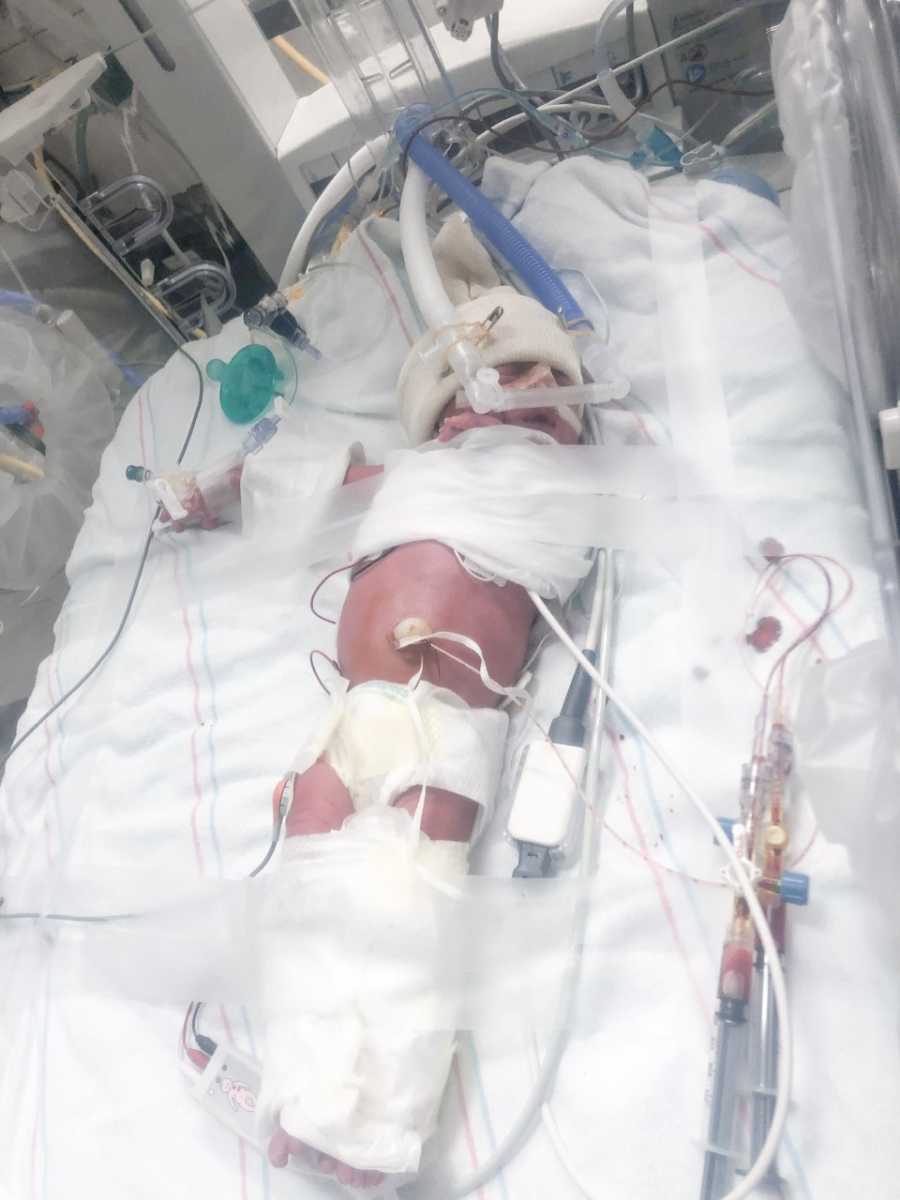
The OR was freezing, and lying flat was difficult as the babies pressed on my lungs. When the first baby was delivered, I felt an immediate weight lifted from my chest. She cried immediately, filling me with relief. Baby B followed two minutes later, also breathing on her own. Baby C—our little boy, Baby Chris—cried as well, but needed to be intubated for oxygen support. Chris went with the babies to the NICU while I was stitched up alone. For the first time in seven months, I was without them. It was surreal.
The next day, I fought through pain to see them. Tiny, fragile, tubes everywhere, weighing just 3.5 pounds each, they looked so small and vulnerable. I had anticipated time in the NICU, but nothing truly prepares you for the emotional impact. Looking back, I realize I was emotionally numb then, and guilt has followed me ever since. I wasn’t always there to comfort them or cuddle them as much as I wanted. Still, seeing their strength and independence today fills me with immeasurable pride.
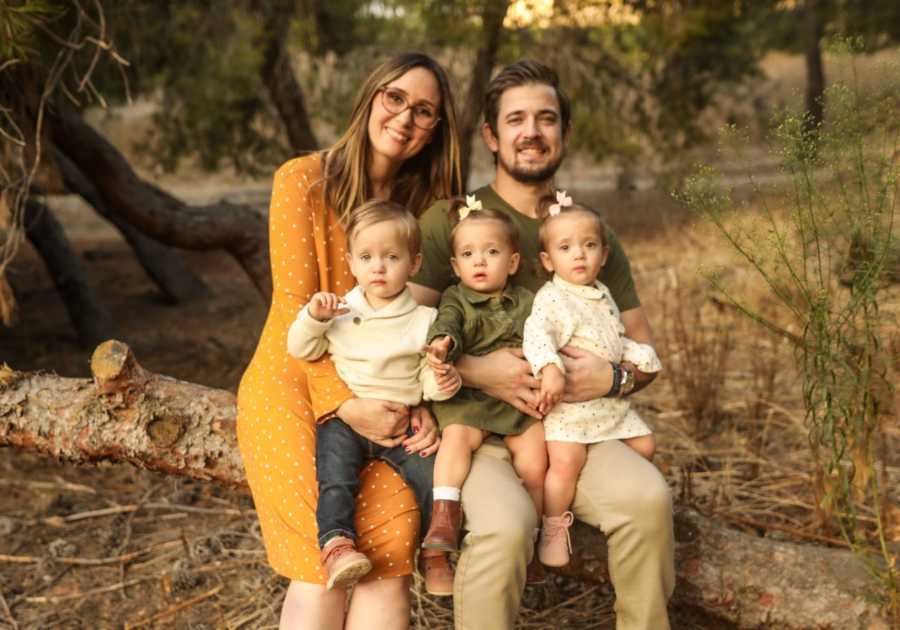
Rey and Edie came home after 30 days in the NICU. Leaving the hospital without all three was unbearable, but finally having them together made our hearts whole. Life with three toddlers is chaotic—meals are a mess, baths a race against the clock, and diaper changes a full-contact sport—but it’s also filled with laughter, love, and resilience.

From that first positive pregnancy test to today, our lives have been completely transformed. There are challenges, of course, but the joy, the love, and the unbreakable bond we share with our three miracle babies make every single moment worth it.