I’ve always been amazed when families can navigate divorce like adults. Five years ago, my husband and I began our tumultuous journey toward divorce. Our kids were just 3 and 5 at the time, and as expected, the process was excruciatingly painful for all of us. But what happened in the year that followed was even more devastating than we could have imagined. Not only did our picture-perfect family break into separate homes and transition to shared parenting, but my husband—who had once been a megachurch pastor—plunged into a dark spiral of drugs and alcohol. It happened fast, and before the year was over, he was gone. Suicide.
Our newly divided family was shattered beyond repair. It became an all-hands-on-deck kind of tragedy. My family stepped in immediately, helping me navigate the chaos and grief, while his family enveloped my kids with love, support, and everything else they suddenly needed in abundance. Life had changed forever, and together, we all learned to paddle through the storm for the sake of my children.
Grief has a way of stripping everything down to what’s human. It asks us to soften, to expand, to let go of old expectations. On the other side of this tragedy, I can see some things more clearly. My kids will always feel the void their dad left, whether through memories or the absence of the experiences they were meant to have. His family cannot replace the chapters of their story that were lost with him. I will never stop mourning my first love either. His death left a gaping hole in my world, one I still feel every single day. These are hard truths, and grieving them is part of our new reality.
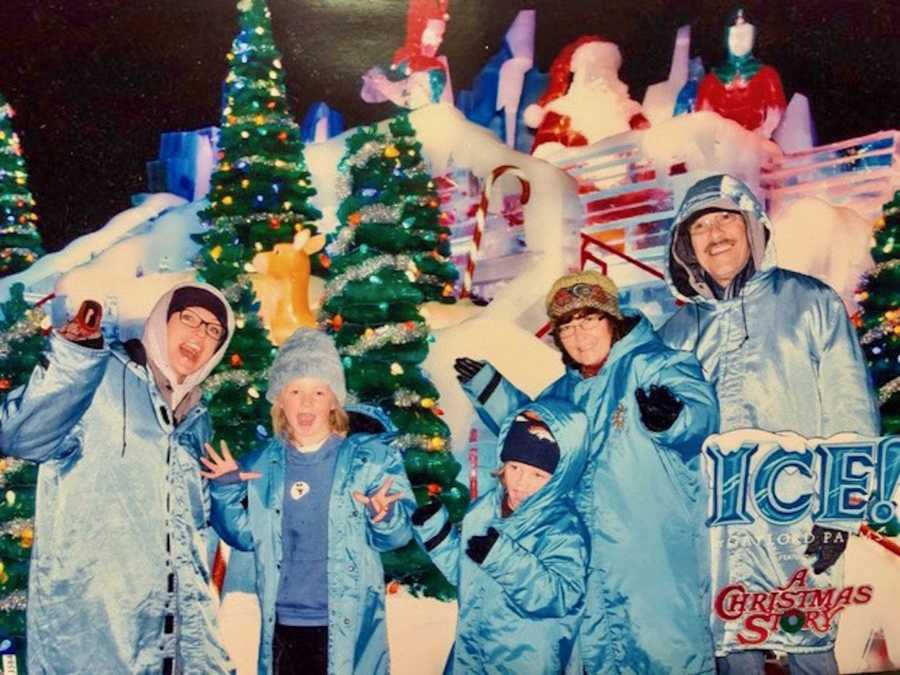
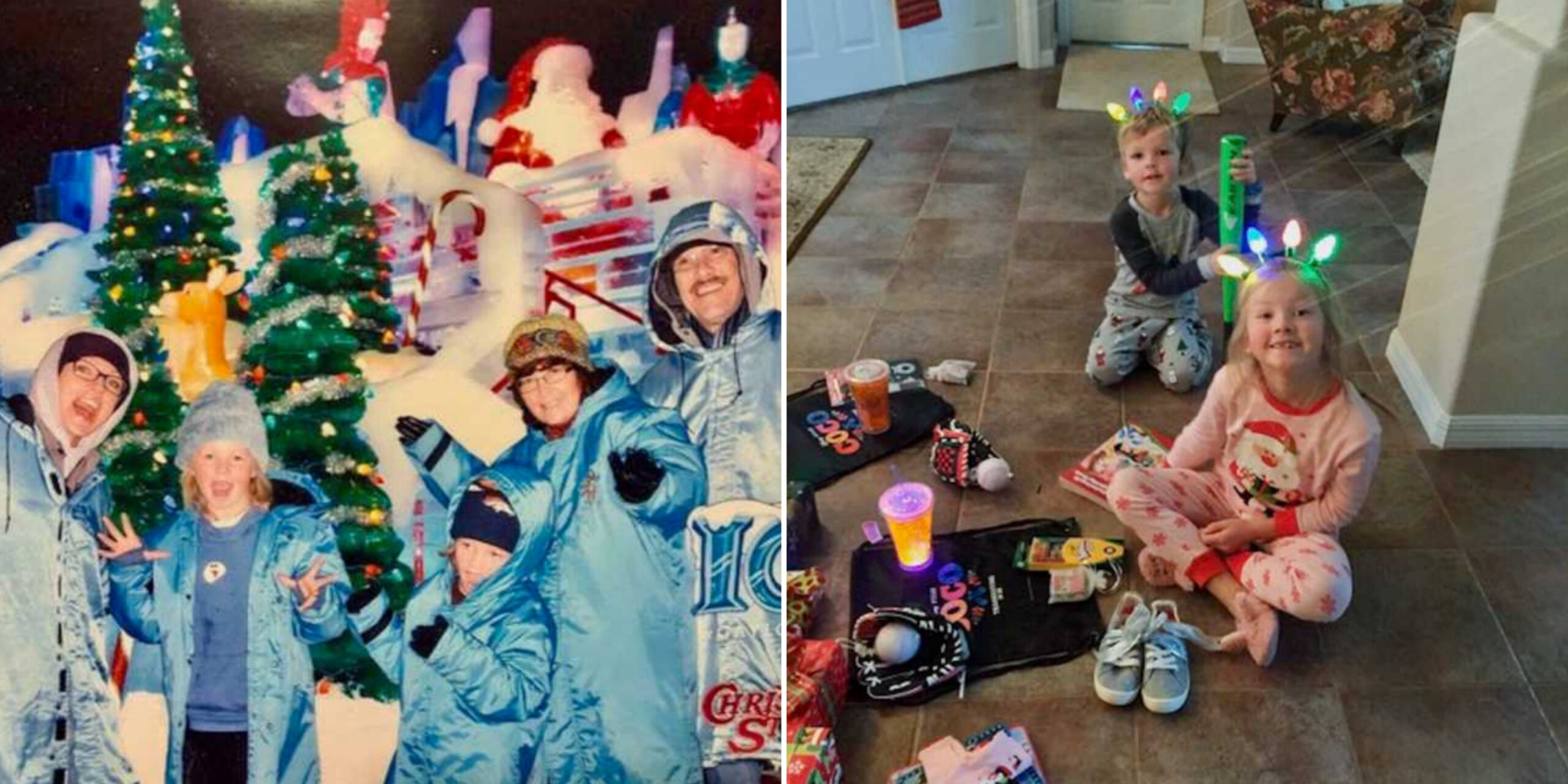
Three months after his death came Christmas, and I had no holiday spirit to speak of. For ten years, my ex and I had built meticulous holiday traditions, but just the thought of Christmas songs, decorations, and wrapped gifts tightened my throat and made my skin crawl. I couldn’t face it. And yet, my kids were still just kids, full of excitement, unaware of the darkness I carried. That’s when my in-laws stepped in. They helped our broken, scattered family make new, magical memories.
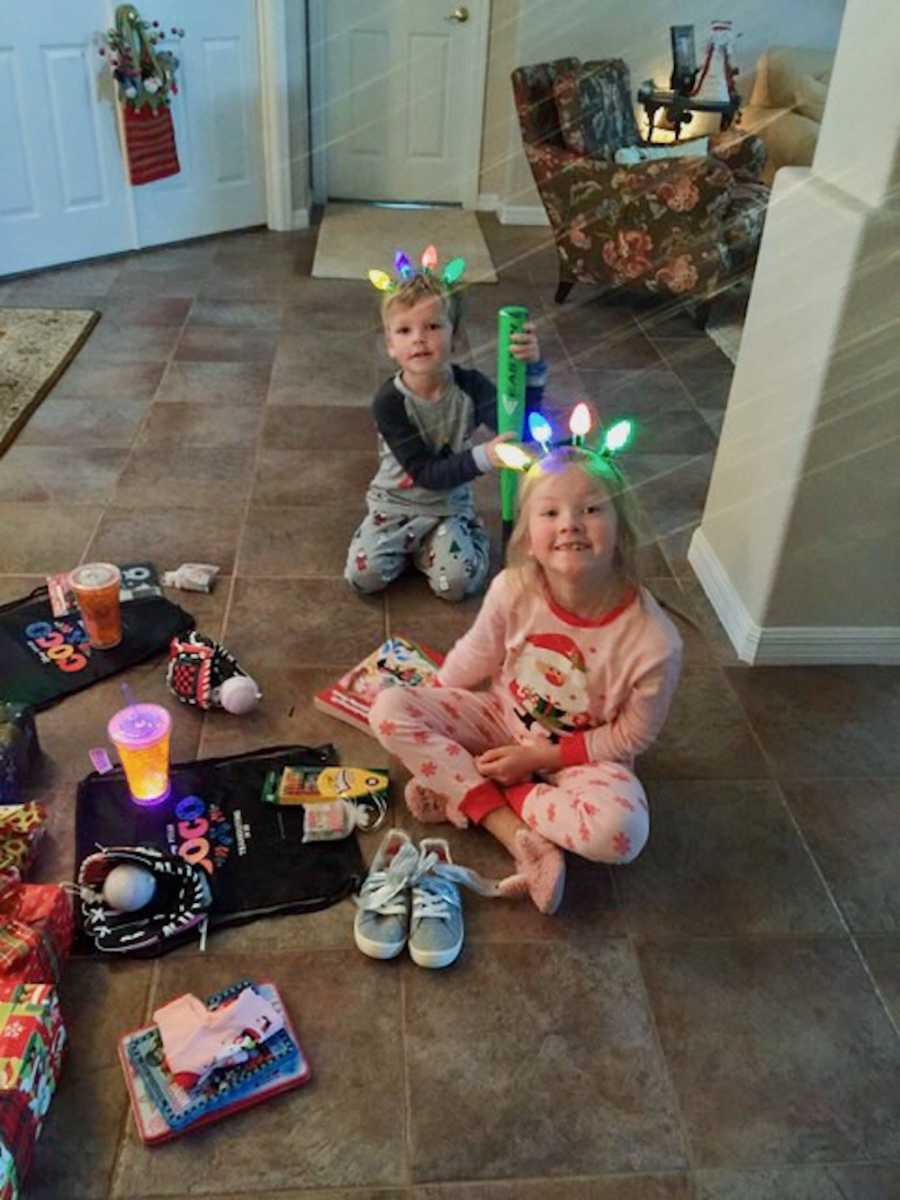
They flew us to Florida over Christmas week, taking over every detail I couldn’t handle. Cookies, shopping, holiday adventures—even Disney World—they planned it all. They played Santa on Christmas Eve and made it feel like magic again. My only responsibility was to get on the plane with the kids. Everything else was taken care of. Their generosity allowed me to grieve without guilt, while my children could still experience joy.
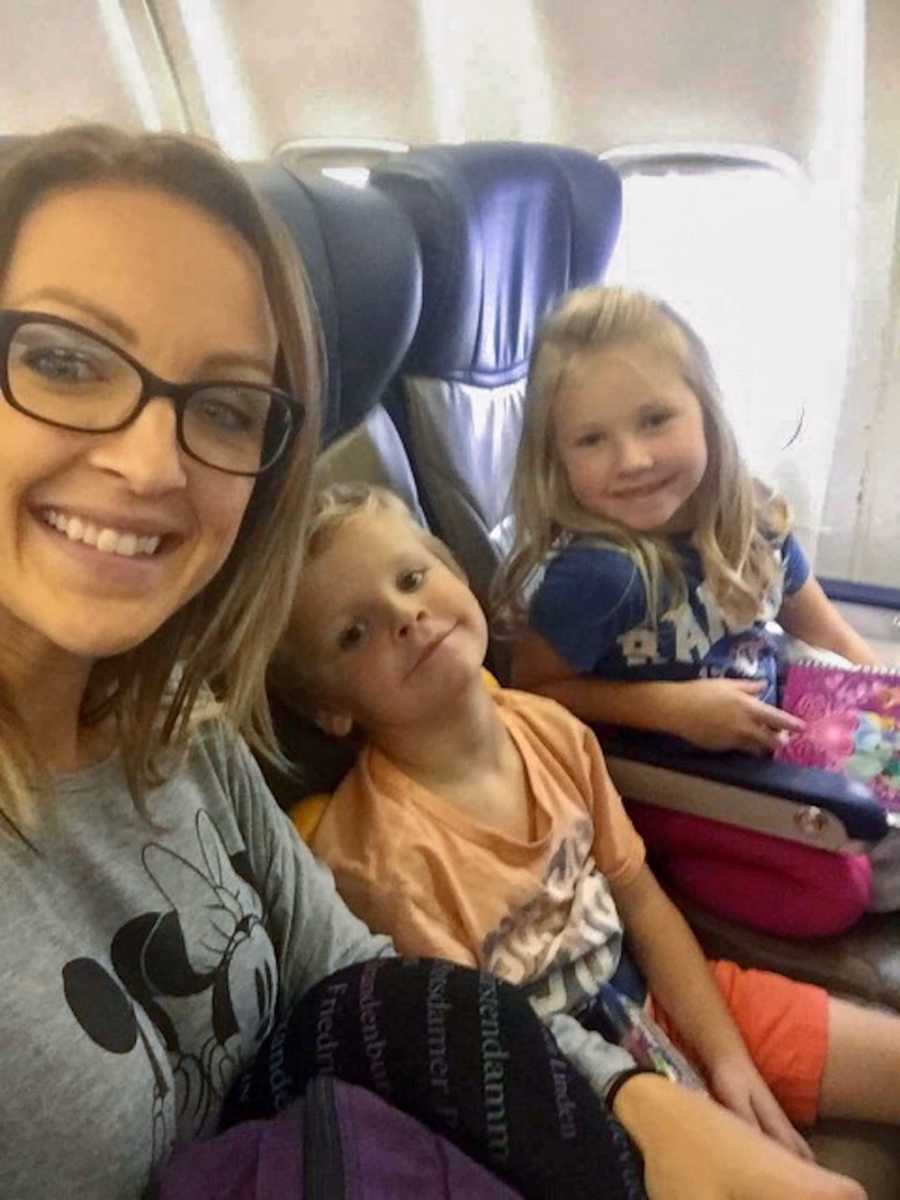
This will be our third year heading to the coast for Christmas, and only now am I fully recognizing the gift they gave us. My husband and I had a difficult, often hostile divorce. He was angry, I was broken, we were consumed with grief. And yet, his parents showed up for my kids—and for me—in ways I never could have expected. There was no obligation for them to include me, care for me, or love me after their son’s death. They could have held anger, resentment, or blame. But they didn’t.
Instead, they became a lifeline. They helped me talk, process, grieve, and even rest. They covered every need my kids had, bought gifts, hugged me, asked how they could help, and never demanded anything in return. They single-handedly made Christmas happen for my children when I couldn’t. Their love was authentic, selfless, and expansive.
Divorce often brings out the worst in people, but my story turned out differently. I lost my ex-husband, I am raising grieving children, and my life has been forever altered. Yet in the midst of all that loss, I witnessed some of the purest acts of humanity imaginable—kindness, loyalty, inclusion, and grace—from people I never expected. And the most astonishing part? All of it came freely.
Christmas has taken on an entirely new meaning for me now. My in-laws’ generosity has shown me what real giving looks like and changed me in ways I could never have anticipated. It has taught me to live with more love, patience, and openness. I am learning to show up for others the way they did for me. I still have much to learn, but I am slowly embracing the truth that life, at its best, asks us to be soft, open, and kind—truly human.