Becoming a Foster Parent
Even though I loved children, I never imagined myself as a mom.
I spent my high school years babysitting, worked as a nanny throughout college, and volunteered with kids whenever I could. I adored being around them, but I equally cherished the freedom of going home at the end of the day. Parenthood, I thought, was something for “other people.”
In my mid-twenties, I led marketing for a foster care agency. Through that work, I learned about the desperate need for good foster parents and the stark realities children in foster care face. While my heart ached for these kids, the thought that I could help never crossed my mind. I was single, living in a small apartment—certainly not in a position to take on motherhood, even temporarily.
But by my early thirties, the idea of fostering refused to leave my mind. The more I researched it, the more I realized I was actually in the perfect position to become a foster mom. I was now leading corporate communications for a global tech company, earning well and working from home with enough flexibility to dedicate myself fully to a child. I even had an extra bedroom—ideal for a nursery.
Because of my experience with infants—I had nannied twin babies in college—I decided I would specialize in children two years old or younger. But even then, I approached fostering with a clear boundary: it wouldn’t be forever. I loved kids, but only enough to be “Mom” temporarily. A few months at a time would satisfy my maternal instincts while allowing me to maintain my fun, single life of travel, dinners, and nights out.

The Unexpected Placement
For two years and four placements, fostering went according to plan. Then, on June 14, 2017, everything changed.
I was in Chicago on a work trip when the Department of Child Services called. They had three babies in need of homes and asked if I could take one. The caseworker warned me about the third: a four-month-old named Jackson who wouldn’t stop crying in his previous foster home. The exhausted foster parents wanted him gone immediately.
I accepted the challenge. Fresh off a fostering break while moving into a larger home with a spacious backyard, I was eager to fill the house with the joyful chaos of a little one. But life had other plans. I fell down the stairs, fracturing three vertebrae, and was forced onto bed rest for weeks. I couldn’t foster until two months later. I was frustrated—but, in hindsight, it was perfect timing.
Though I was a staunch atheist at the time, I later realized that somehow, this delay was a miracle. It allowed Jack and me to meet at exactly the right moment.
When I finally arrived at the DCS office to pick him up, a tall, clean-cut man carried the tiniest baby I had ever seen. He handed Jack over with a simple, honest statement: “We did the best we could.” I had once resented the previous foster parents for not being able to handle him—but now I understood their honesty was one of many small miracles that brought us together.
Falling in Love
The first time I saw Jack, I was mesmerized. Tiny, perfect, with porcelain skin, enormous blue eyes, rosy cheeks, and rosebud lips—he looked like a doll. At home, I held him gently, whispered to him, kissed him everywhere, and tried to make him feel safe. It must have been overwhelming for such a tiny soul, but he eventually fell asleep in my arms, perhaps feeling for the first time that he was truly home.
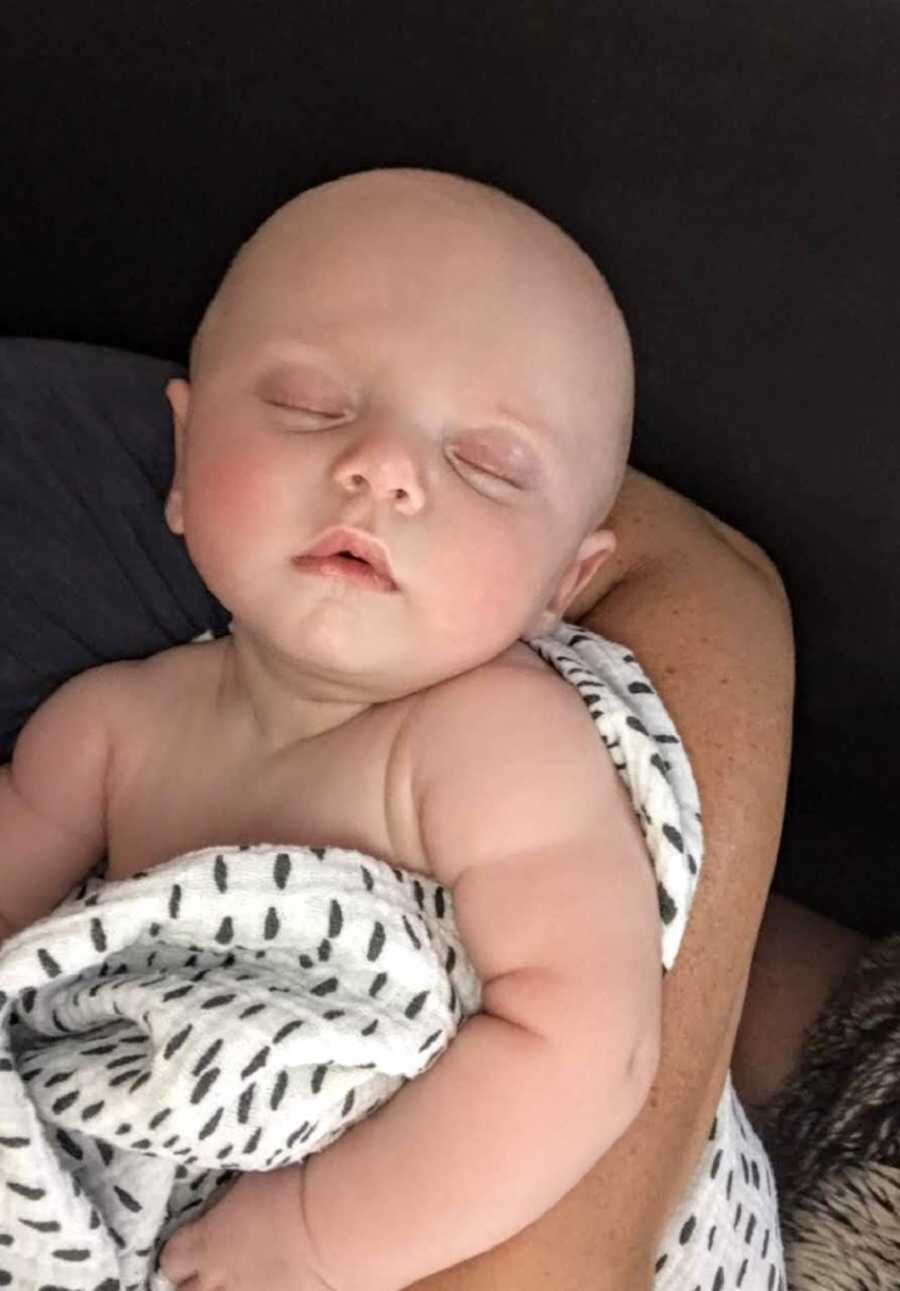
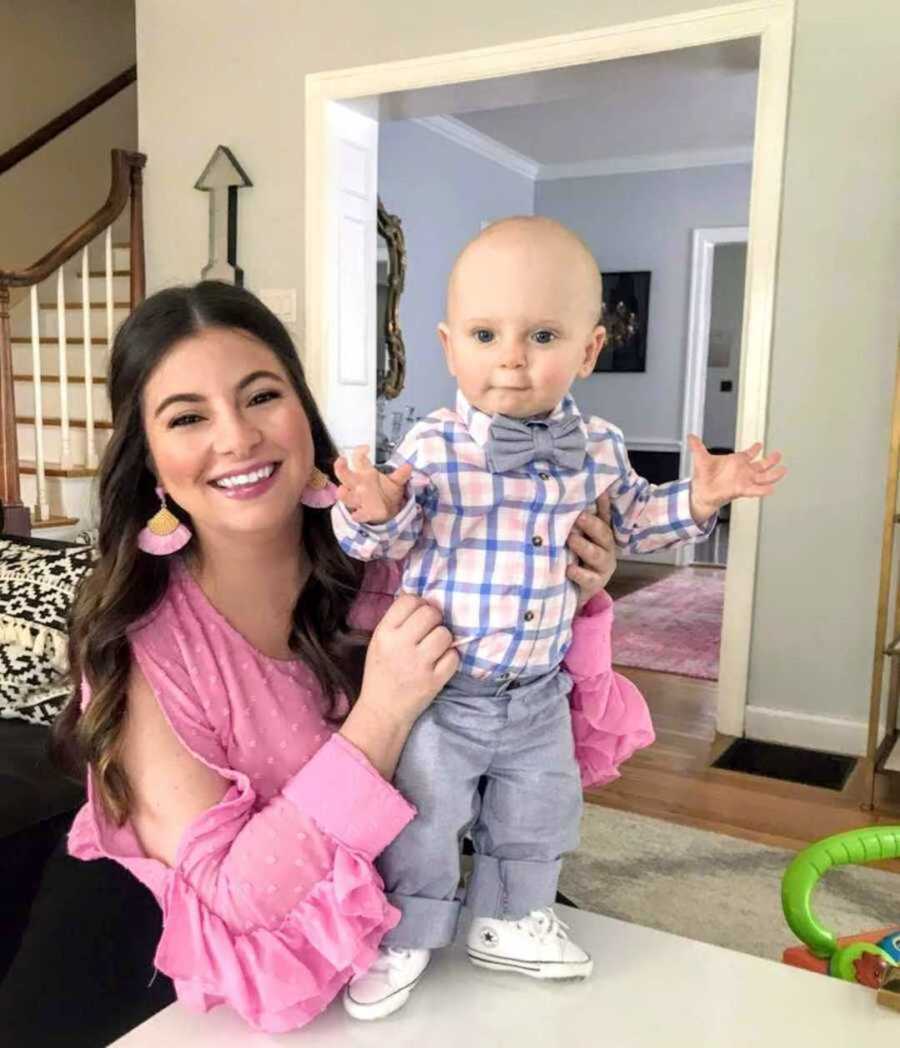
It took me a while to realize that I had been asking the Universe for Jack all along. I had longed for a profound, unshakable love—but it arrived in the form of my son, not a romantic partner. In God’s (or fate’s) infinite wisdom—and humor—Jack became the forever love I didn’t know I was praying for.
Journey to Adoption
Our journey wasn’t easy. Foster care always prioritizes reunification with biological families, and for over a year, I fell deeply in love with Jack, knowing he could be reunited with his parents at any time. I wanted them to succeed, to earn him back, yet the thought of losing him was unbearable.
Eventually, DCS determined his parents had sufficient opportunities to prove themselves and moved toward adoption. That didn’t guarantee permanency; we now faced a long court battle, with DCS asserting unfitness and the parents’ lawyers arguing for additional chances.
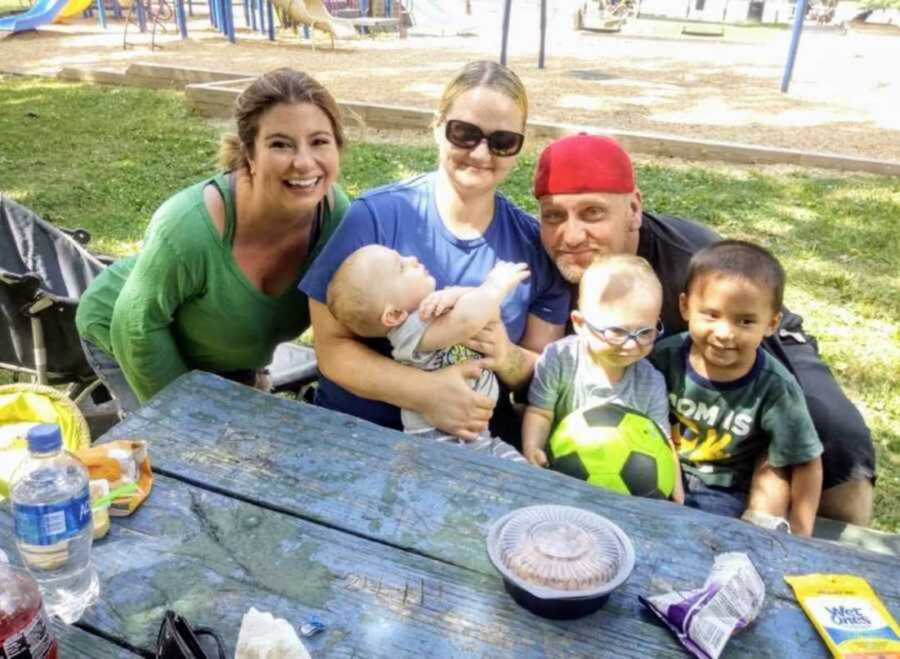
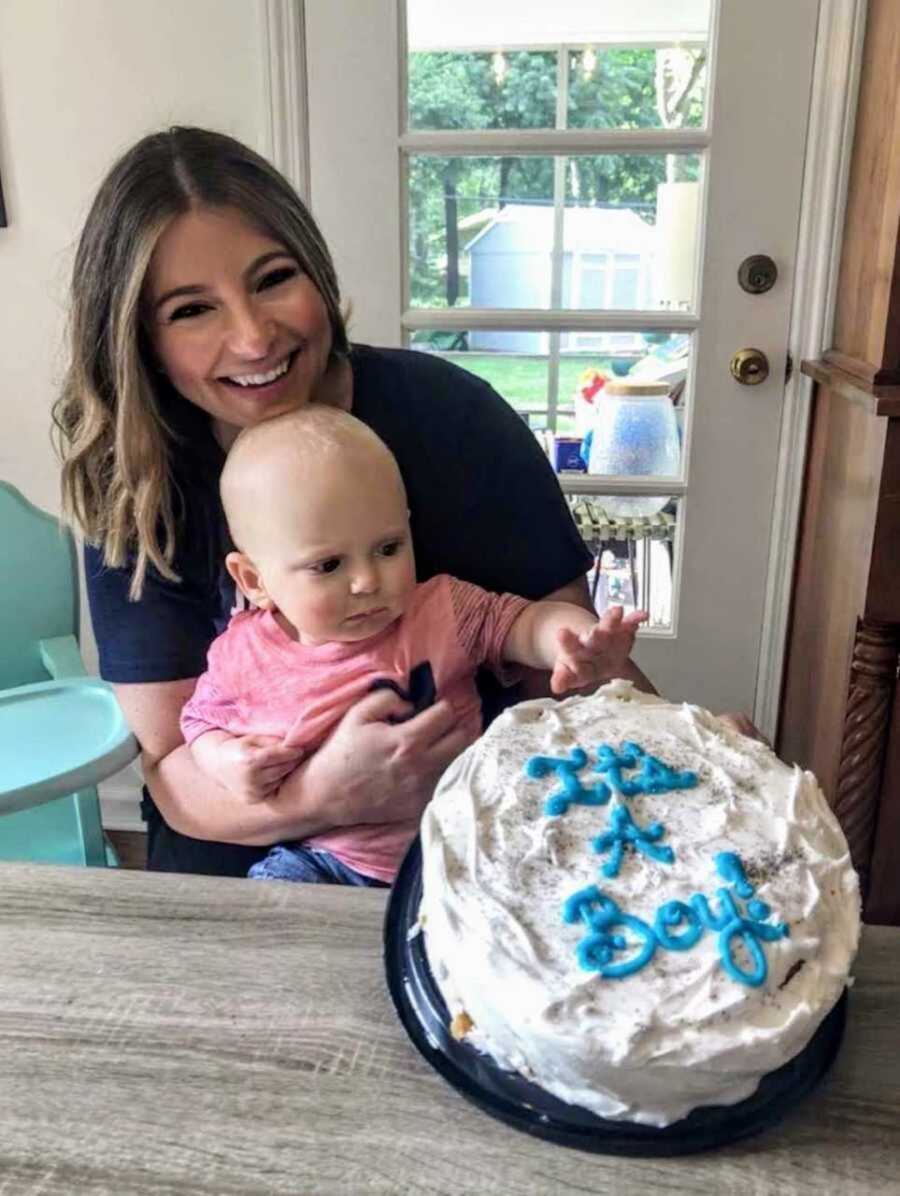
When the day finally came, I sat in a conference room, tense and anxious. The attorney placed a piece of paper before me and said, “Congrats, it’s a boy. His parents have voluntarily terminated their rights.” I had imagined tears of joy—but instead, I was stunned into numb disbelief. “That’s it? It’s over? We’re really a forever family?” I kept asking, hardly able to comprehend the reality.
The Adoption Becomes Official
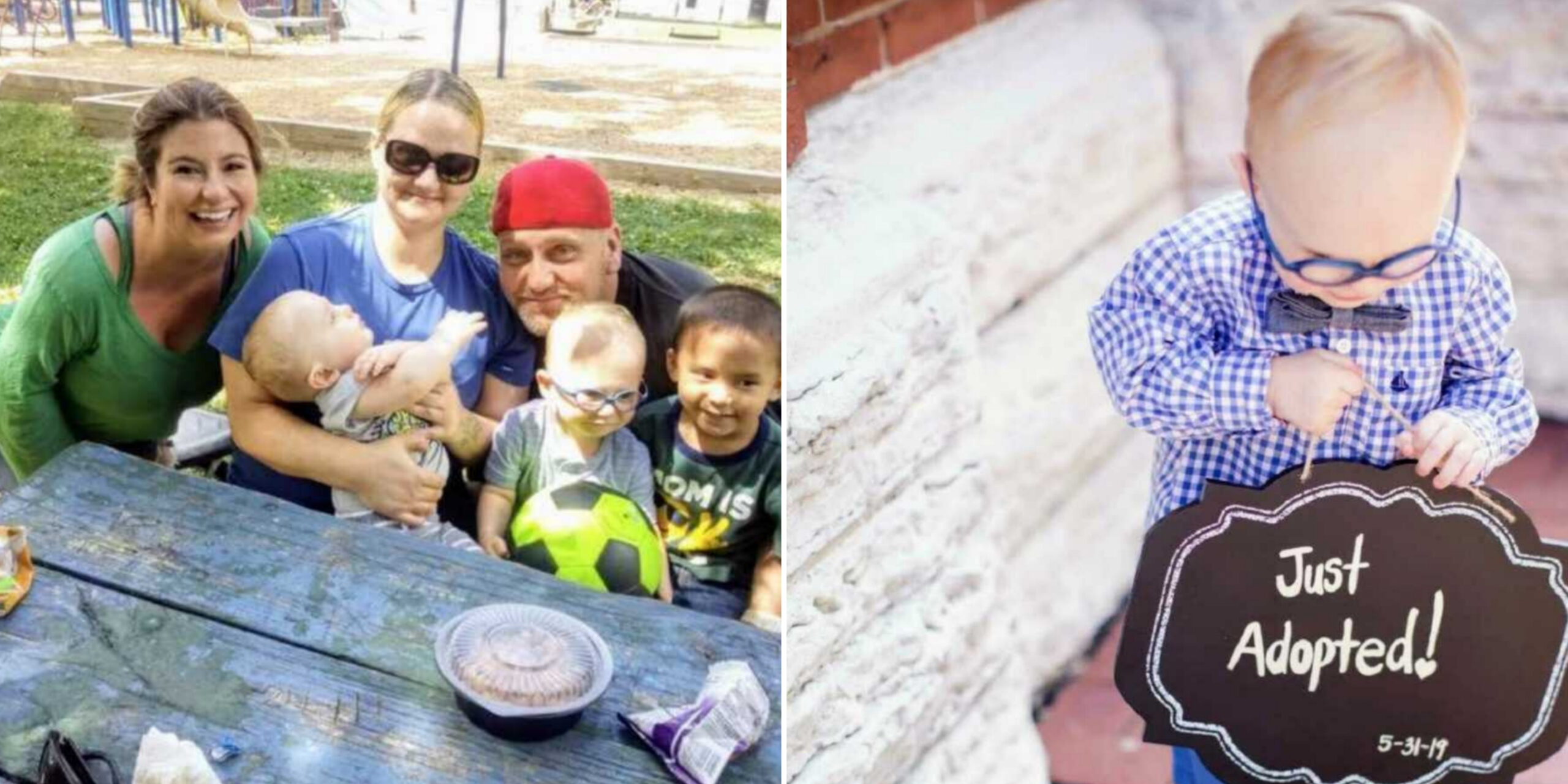
A year later, we returned to court to make the adoption official. This time, the tears came unrestrained. I cried with joy that Jack would legally be mine forever—and also with a deep sense of empathy for his birth mother, whose loss was profound. Adoption is always entwined with grief, and I felt that weight keenly on that day.
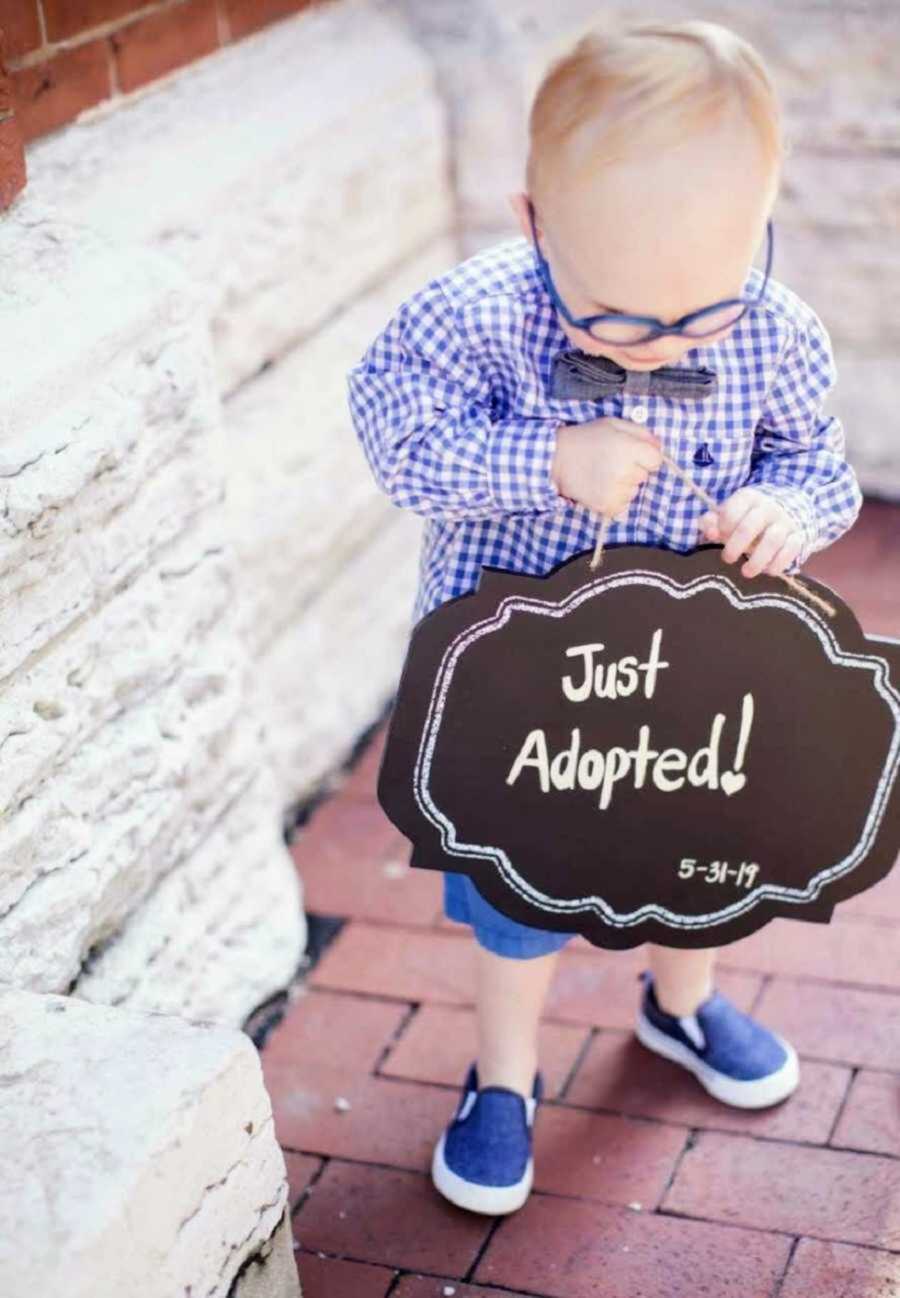
Our little plot-twist family has shown me that God—or fate—moves mountains. He orchestrates timing perfectly. A day sooner or later, and Jack and I may never have met. God took a single atheist woman in a small apartment who never wanted children and made her a mom. Jack is the answer to a prayer I didn’t even know I was praying—a gift beyond anything I imagined wanting.
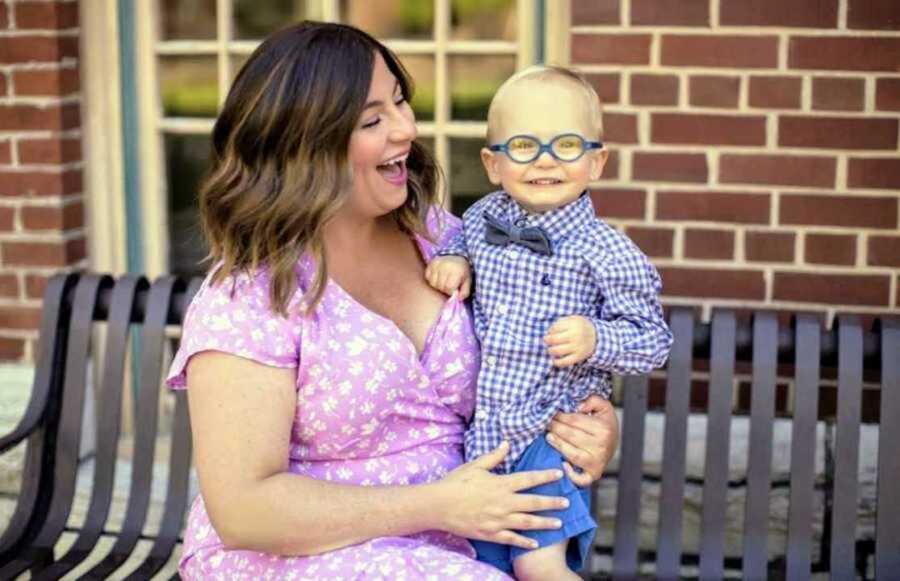
Today, Jack and I enjoy an open adoption with his entire birth family, who have rebuilt their lives and are expecting twins. The relationship is complicated, messy, and lifelong—but unconventional bonds have become my specialty.
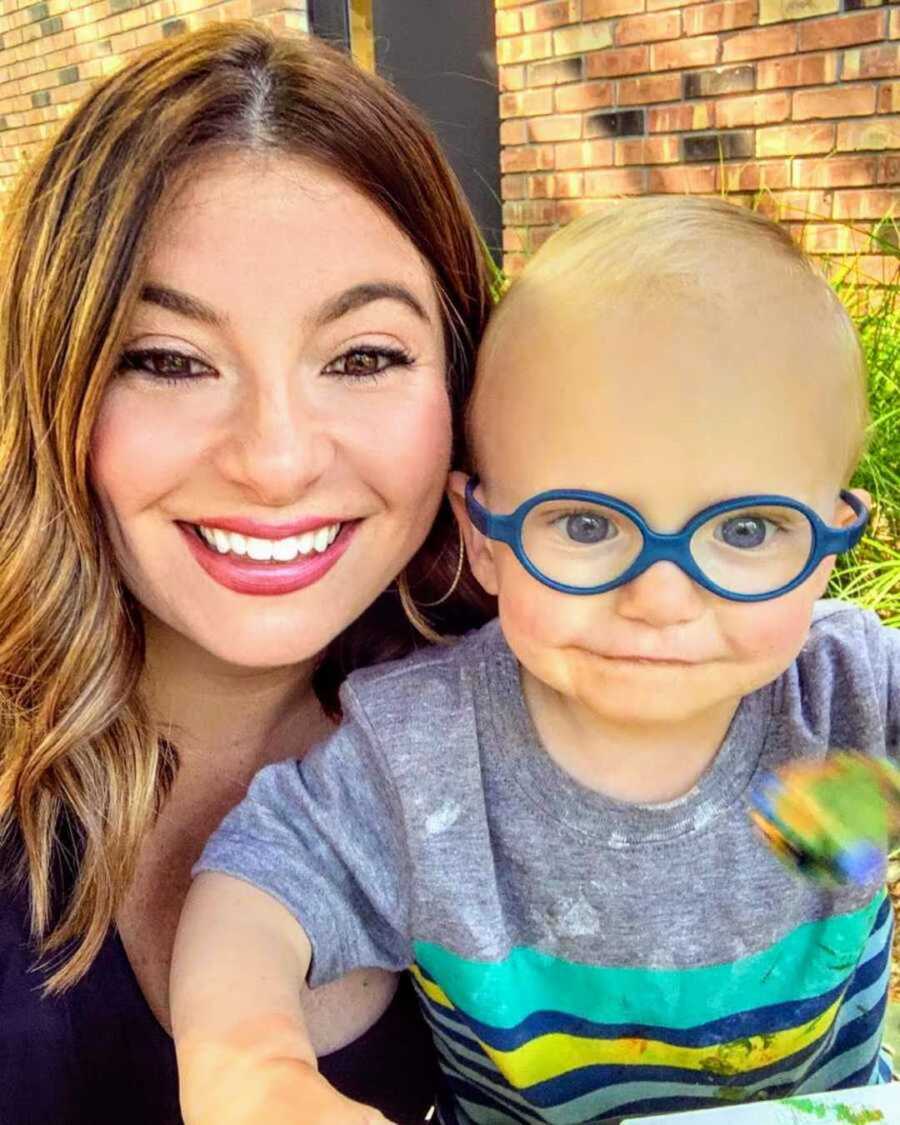
I never expected to become a solo mother, to adopt, or to grow our family this way. I hope to find a partner someday, but even if I don’t, Jack and I are enough. He is my forever, my greatest love, and the son I never knew I needed.