There are two ways a person can become an alcoholic. You’re either born that way, or you simply need to drink enough alcohol to become one.
I believe I was born an alcoholic.
From my earliest memories, I’ve always felt ‘different.’ I remember feeling odd and painfully uncomfortable in my own skin, as though I were looking out at the world through a glass screen—on one side, me; on the other, everyone else. I felt separate, disconnected, and alone. No matter what I did, I never felt like I truly fit in or belonged anywhere. These feelings began long before I ever touched alcohol.
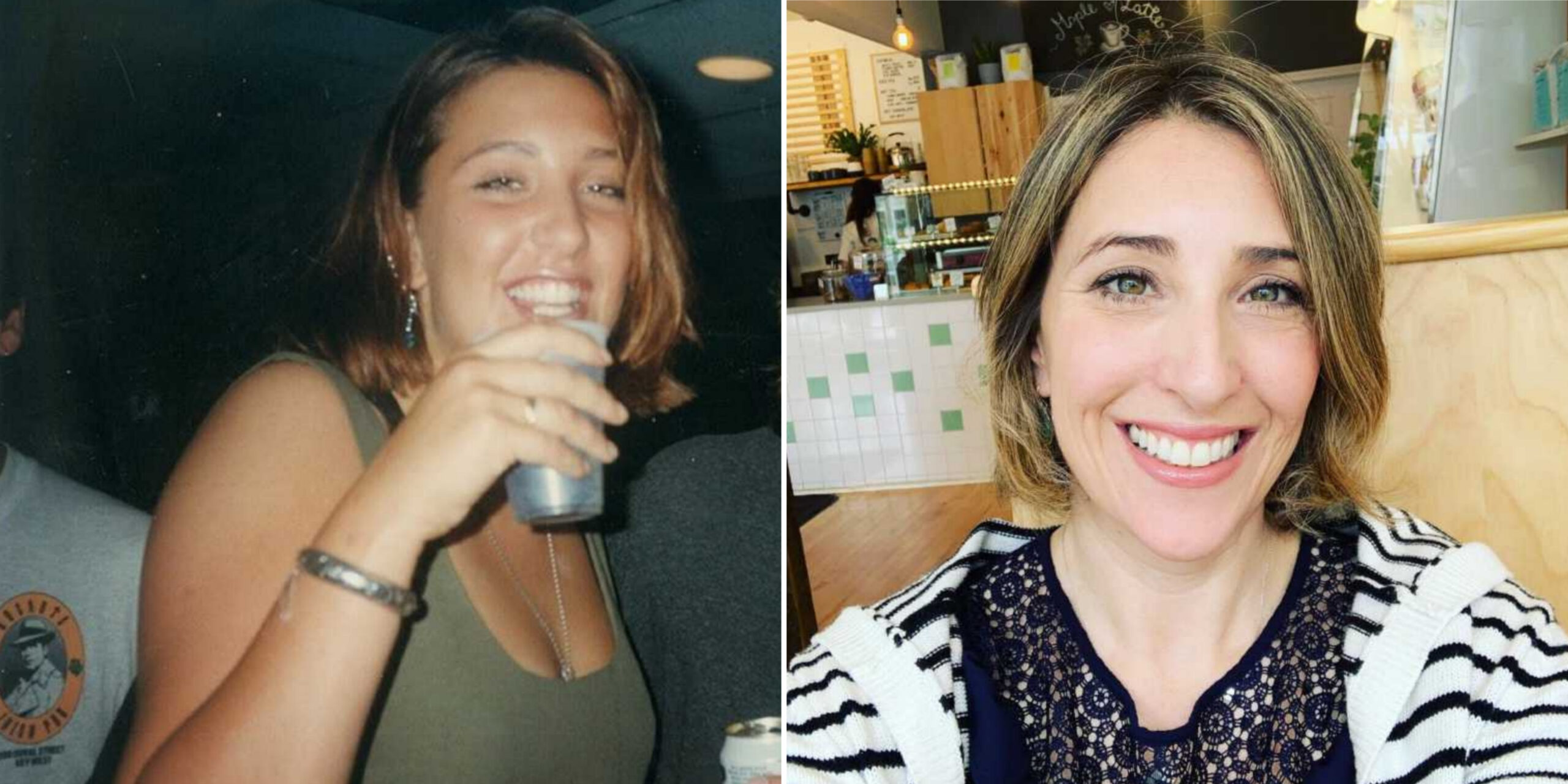
When I finally tried alcohol, around the age of 15, it was like a light bulb switched on. Suddenly, I felt complete. I felt confident, self-assured, and ‘right.’ Drinking gave me something I had never felt before: normalcy. It quieted the chaos in my mind, even if only temporarily.
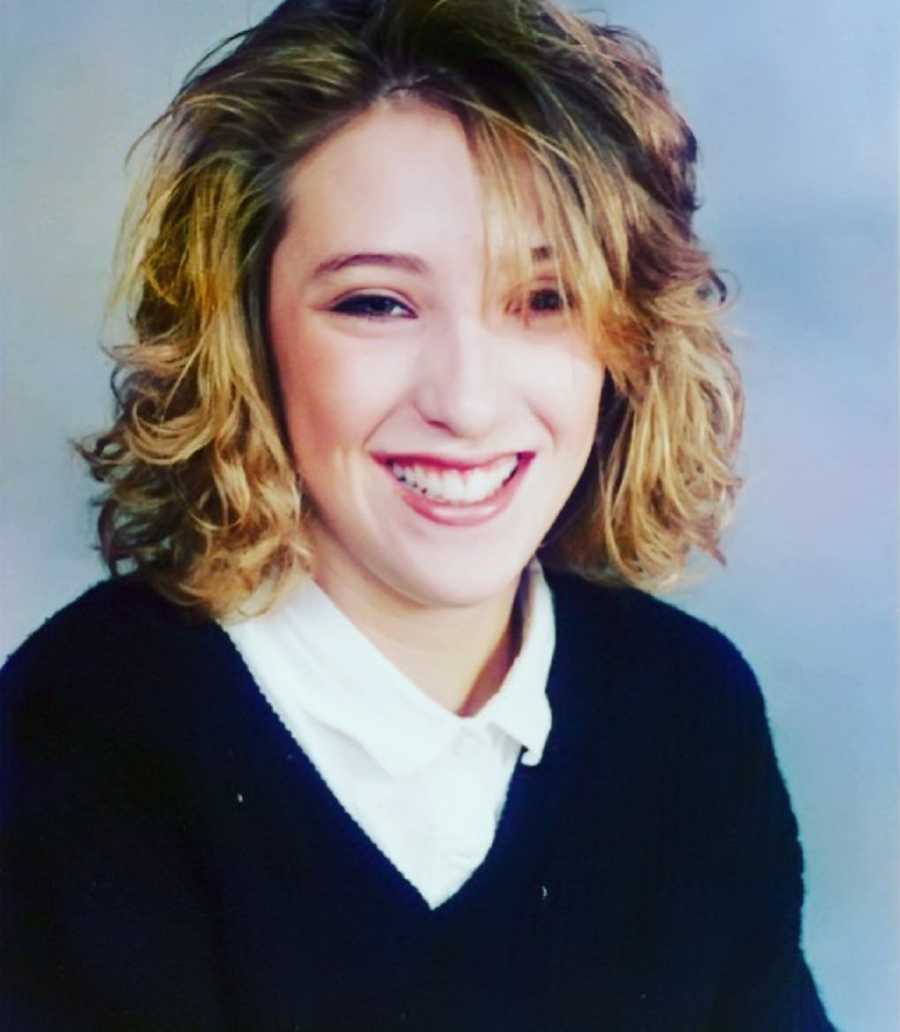
From the very start, I never drank ‘normally,’ whatever that is. I drank alcoholically from the first sip. I could never get enough of the substance that made me feel so good. At first, I was just a typical teenage binge drinker. I got into bars and clubs underage, and like most teenagers, the point was to get as drunk as possible. My peers and I shared this ritual, but even then, I could tell I was different. They didn’t carry the same desperate emptiness, the same gnawing discontent that lived inside me. As we grew up, most of them naturally moderated their drinking, while the thought of doing that was inconceivable to me.
By 15, I had also experimented with marijuana. I must have missed the “just say no” lesson in school because it never occurred to me to question what drugs might do to me. I was desperate to be liked, to feel normal, so I said yes to every substance offered.
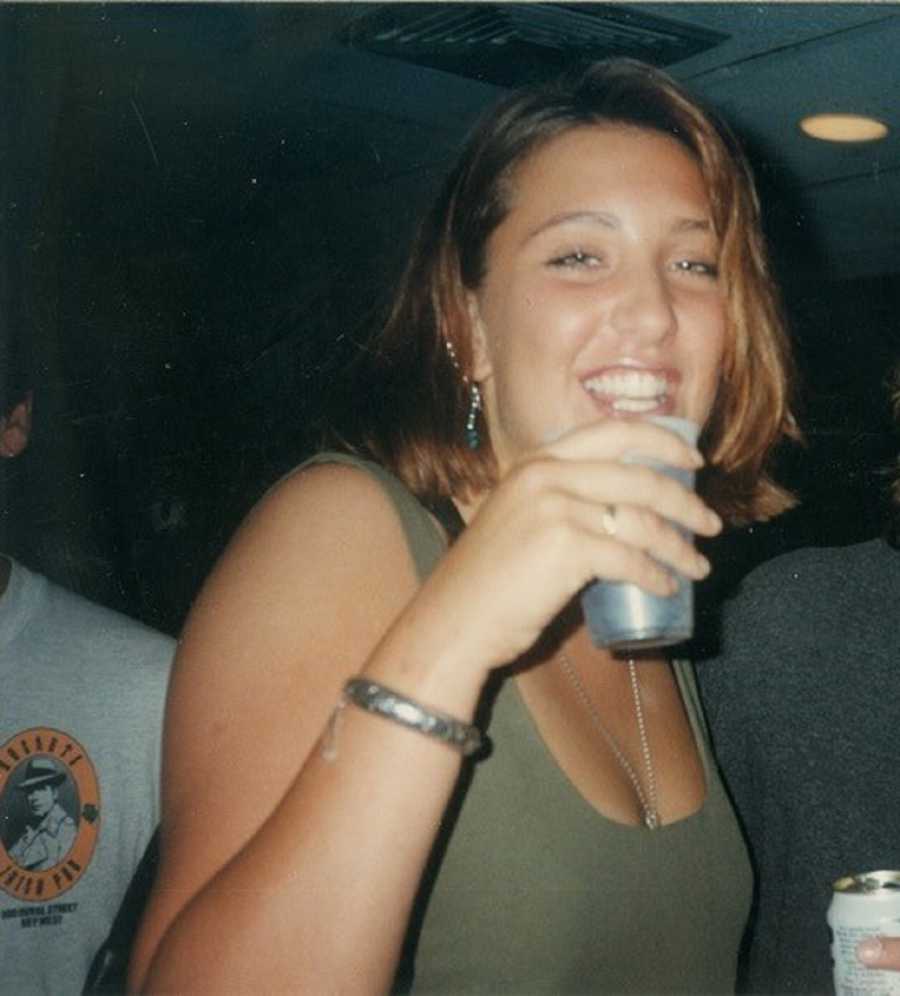
At 16, I met my first serious boyfriend and soon left home. He was a recreational drug user, and through him, I tried LSD, magic mushrooms, and amphetamines. I loved them. I partied every weekend, barely keeping up with college, but I didn’t care. For the first time, I felt I belonged somewhere, that I was living a lifestyle I enjoyed. It felt thrilling, glamorous, and sophisticated.
For two years, I truly enjoyed this reckless freedom. And then, at 17, everything went horribly wrong.
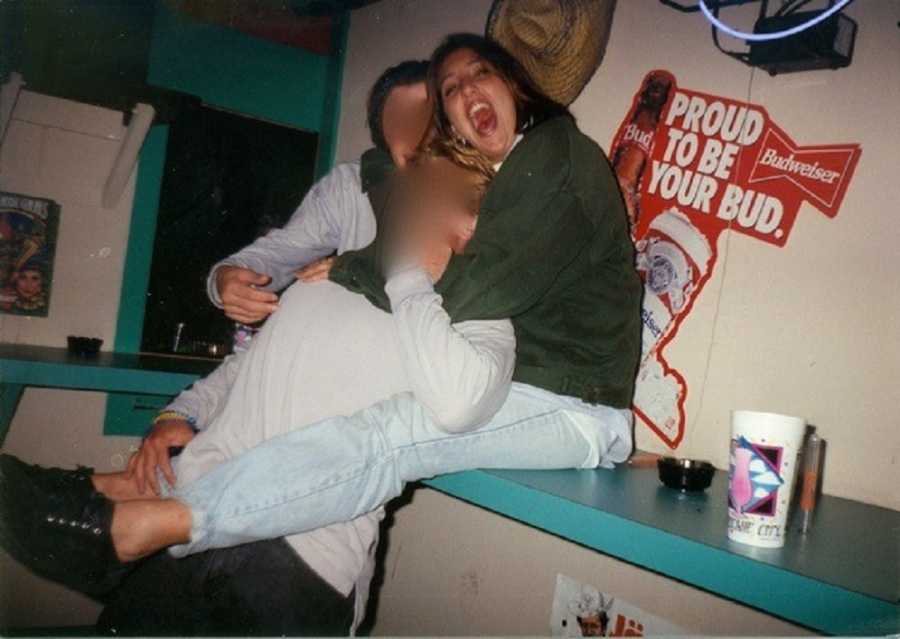
I took LSD and had a ‘bad trip.’ Panic overtook me—I saw and heard things, became deeply paranoid, and couldn’t make sense of reality. Even as I began to ‘come down,’ the terror remained. I now know I experienced drug-induced psychosis, but at the time, I had no understanding of what was happening. The worst part was that I couldn’t tell anyone; I wore a mask, pretending everything was fine. I was terrified someone would discover what I was going through. Fear imprisoned me.
My life shattered. I experienced daily panic attacks, often a dozen a day. I couldn’t ride a bus, walk into a supermarket, or even sit in my own living room without fear overtaking me. College became nearly impossible. I was spiraling toward a complete breakdown and felt profoundly suicidal. I would stand at the bus stop, too scared to get on, summoning the courage to jump in front of it instead. Every day was agony, and I didn’t know how to continue.
Months passed, and I still couldn’t tell anyone what I was experiencing. I lacked the words, and saying them out loud would have made my nightmare real. I clung to the hope that one day I would wake up and be normal again.
Eventually, on the brink of collapse, I went to a doctor and told him everything. He prescribed Valium and recommended counseling. I never went to counseling, but the idea of prescription drugs to make me feel better appealed to me—and it became the start of a 10-year prescription drug habit. Over the next decade, I cycled through Valium, Xanax, antidepressants, and other medications. They masked the symptoms temporarily but never addressed the underlying problem.
From 17 to 27, my life was a living hell. Fear was the overwhelming emotion I woke up to every day. Some mornings, I struggled to breathe through the terror of facing another day pretending to be normal.
After the LSD incident, I stopped using illegal drugs, but my alcohol use escalated. Drinking became the only thing that could dull the fear, providing a few hours of reprieve from the chaos in my mind. It allowed me to pretend I was normal.
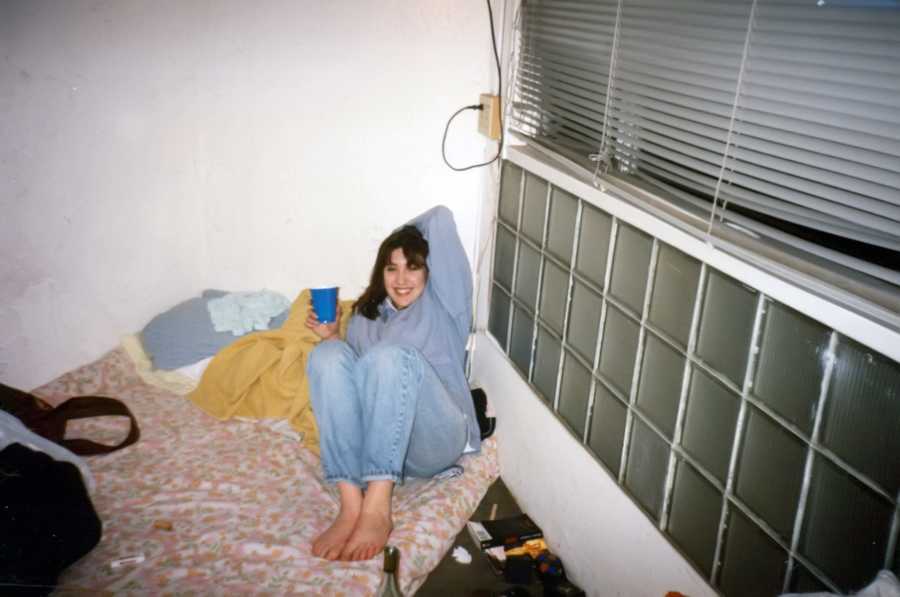
At 17, my drinking shifted from fun to a coping mechanism. I knew something was profoundly wrong with me, but I didn’t know what. I sought help everywhere—doctors, counselors, psychiatrists, psychologists, therapists, churches—anywhere that offered hope. I was treated for anxiety or depression, but never for alcoholism. Either I hid the true extent of my drinking, or no one asked. No one recognized that alcohol was the real problem. Every treatment offered me temporary relief, but the feelings of loneliness, despair, and disconnection inevitably returned. Drinking always provided momentary relief.
I tried every method known to alcoholics to fix my life. Looking back, it’s almost amusing how unoriginal my efforts were. Every alcoholic I’ve known has tried the same methods. At 19, I traveled to America. In my twenties, I traveled extensively, trying to escape myself—but I always ended up in the same place: alone, confused, scared, and feeling like a failure. No matter where I went, I hated myself and the fear that lived inside me.
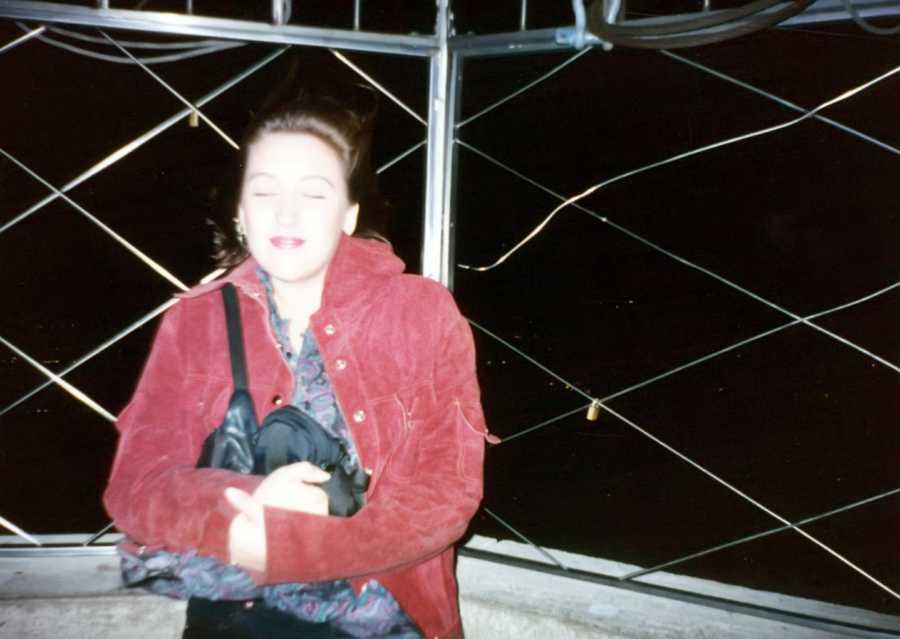
Somehow, I managed to hold down jobs and complete university. I sought solace in relationships and almost married a man I didn’t love, hoping it would save me. But my romantic life was built on dishonesty, fear, and neediness. I couldn’t believe anyone could love me once they knew my truth. So, like many alcoholics, I took ‘hostages,’ afraid of being alone.
Throughout my twenties, I drank heavily and surrounded myself with people who drank as much as I did. I drank before any social situation, before parties, whenever I felt scared or unable to cope. By my mid-twenties, I added cocaine to alcohol to prolong the buzz, but the comedowns were unbearable, leaving me suicidal and empty. The fleeting moments of happiness were always swallowed by the inevitable return of darkness. I was slowly dying inside. It wasn’t just alcohol; it was the lies I told myself. Fear, I realized, is the defining trait of alcoholism.
I never became physically dependent—I could go without alcohol—but I relied on it emotionally, as well as prescription drugs or pot. I’ve experienced shame, degradation, and compromising situations, but I was never arrested, bankrupt, or fired. I once thought I wasn’t ‘qualified’ to be an alcoholic, but I learned it’s not the drinking or consequences—it’s the thoughts and feelings driving the addiction. Once I understood this, I could finally begin to address the problem.
I sought help from experts and joined a self-help group. For the first time, I realized I wasn’t alone. Sobriety was the hardest thing I ever did, but I had no choice. I wanted to live, to see what I was capable of. Recovery offered me exactly that: possibility, freedom, and hope.
I came to understand that something had always been wrong, but it wasn’t a rare mental illness—it was alcoholism. It isn’t measured by quantity of drinking but by the patterns of thinking and feeling that drive it. Recovery freed me from the prison I had built. It restored my self-belief, confidence, and a sense of purpose. I am no longer merely surviving; I live fearlessly, embracing challenges, loving myself, and finding joy every day. Life is now a beautiful adventure instead of a threatening place.
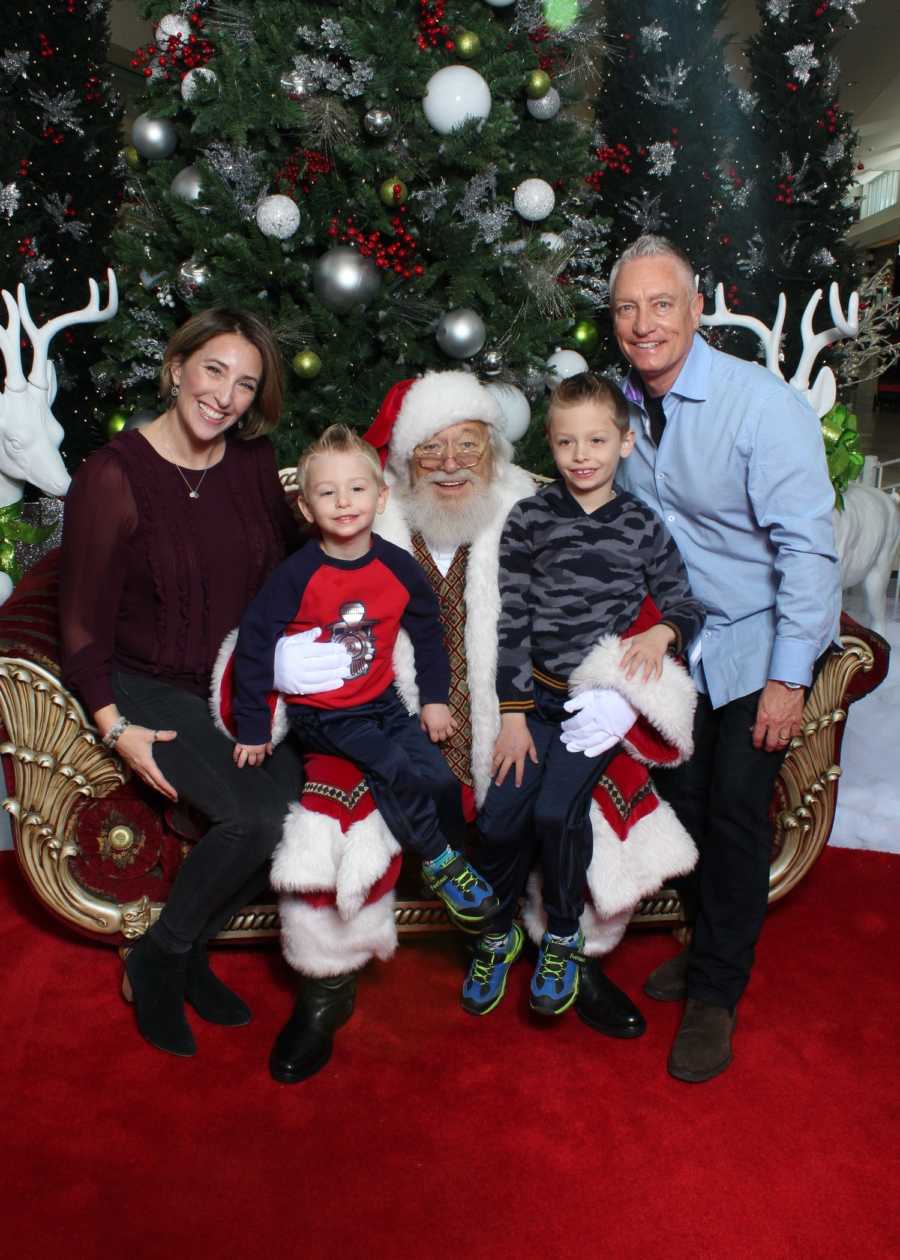
I have been sober for more than 19 years. I became a wife, a mother, and a psychotherapist. I’ve written two books on recovery and now help others reclaim their lives. Life is beyond anything I could have imagined, and I am on fire with the possibilities in front of me.