“You’re 4 centimeters dilated. I’ll call your doctor and see what he wants to do, but there may be nothing we can do to stop your labor,” the triage nurse said after checking my cervix. I was 20 weeks pregnant with our IVF twins—a boy and a girl.
Just a week earlier, we had seen the specialist and learned their genders. Everything looked perfect. On Monday, we had my routine OBGYN appointment. I remember him giving me a high five and saying, with a smile, that I was making this pregnancy look easy. Up until that moment, it had felt easy, normal, even joyful—until it suddenly wasn’t.
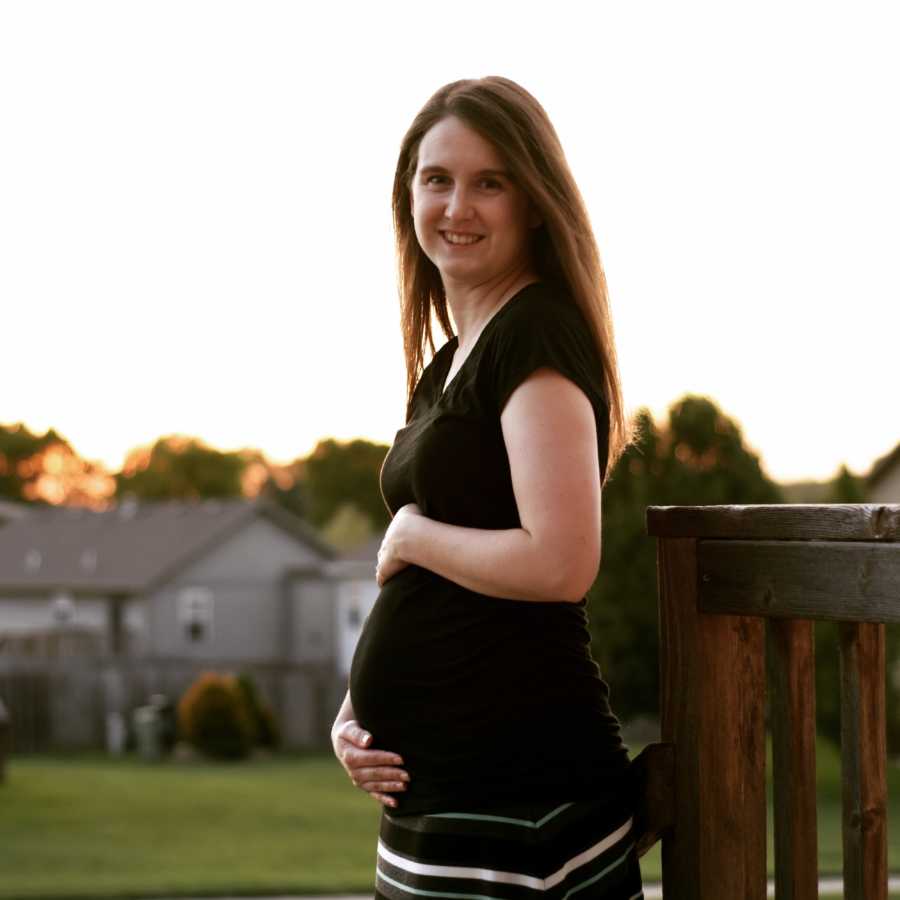
Thursday, June 29, 2017, changed our lives forever. It was 8 p.m., and my husband and I were relaxing, watching the final episode of West Wing on Netflix. I felt a little uncomfortable, but I chalked it up to carrying twins and didn’t think much of it. After the show ended, my husband went to our office to work, and I settled into bed to watch another show.
Then the discomfort intensified. I drank a glass of water, turned onto my side, and tried to breathe through it. Soon, I realized the sensations were rhythmic—coming and going—and beginning to feel like cramping. I kept telling myself, There’s no way I’m having contractions. I’m only 20 weeks. But worry began to creep in. I downloaded an app to track the cramping, and the data was alarming: every 4 to 7 minutes, lasting over a minute each, twelve times in an hour. My hands were shaking as I texted my husband: “I think I should call my doctor. I might be having contractions.”
By then, tears were streaming down my face. It was after 9 p.m., and I didn’t want to be the “crazy pregnant lady” calling the doctor’s office in the middle of the night. But I called anyway, spoke with the answering service, explained what was happening. Within 15 minutes, my doctor returned the call. He instructed me to come to the hospital—Labor and Delivery—to get checked, just to be safe.
After hanging up, I laid on my bed and cried. I wanted to fall asleep and wake up to a normal pregnancy. I didn’t want to face doctors and nurses only to be told everything was fine, fearing they would look at me as if I were overreacting. But I also didn’t want to stay home and later regret not going.
We got in the car and drove 35 minutes to the hospital. The tightening and pain continued throughout the drive. Because it was late, we had to enter through the emergency room, where we waited to be escorted to Labor and Delivery. Another couple was there as well, and we were all taken up together, placed in adjacent rooms.
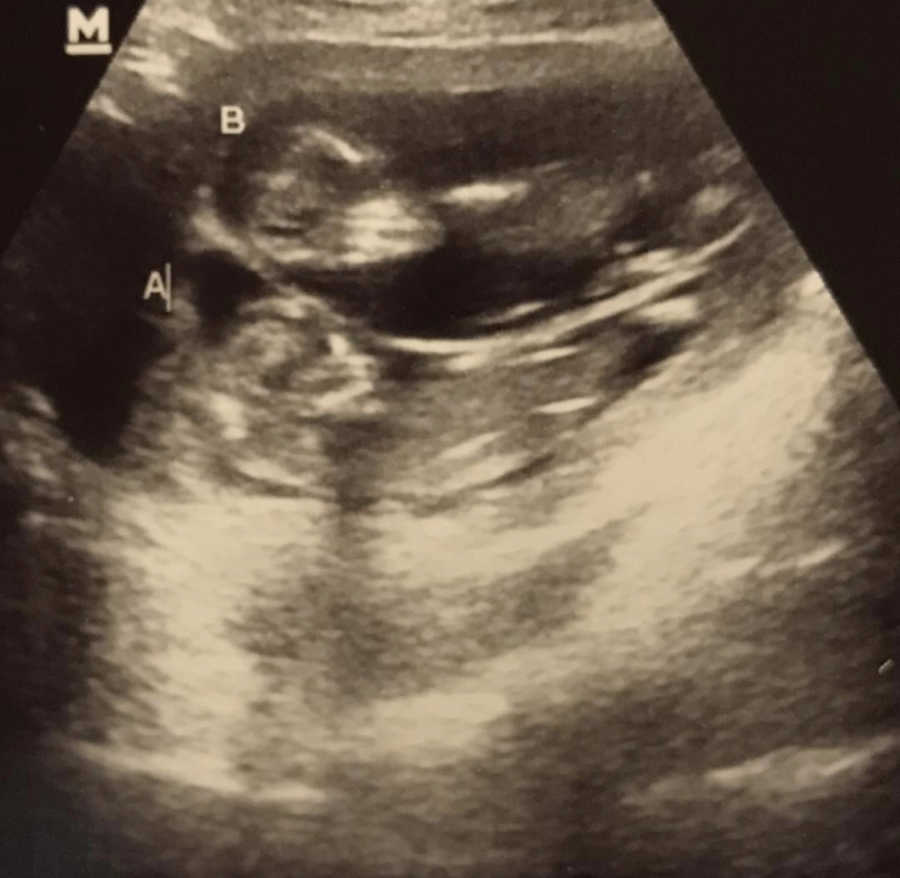
We could hear the couple laughing, listening to the baby’s heartbeat. I sat there, praying I was wrong. That maybe everything was fine, and we would be sent home. Then the nurse came to me. She reviewed my history, listened to my fears, and used the Doppler to check both babies’ heartbeats. Strong. Healthy. For a moment, hope flickered.
Then came the cervix check. The words I will never forget followed: “You’re 4 centimeters dilated. I’ll call your doctor, but there may be nothing we can do to stop your labor.”
We sat in silence for a moment. Tears streamed down my face as my husband took my hand. We can’t lose them, I whispered. Soon, the nurse returned. My doctor had decided to act aggressively—admit me, start medications, and hope we could stop the contractions.
I was wheeled into a room, hooked up to IVs and monitors, given a catheter, and then…we waited. The nurses came in every few hours to check on me. Each time I asked if the contractions had stopped, the answer was no. The medication dulled them but didn’t stop them.
The next morning, I was exhausted and miserable from the magnesium. Ultrasounds confirmed both babies were doing well, but the contractions persisted. A social worker and a neonatologist came to explain that at 20 weeks, survival was nearly impossible. We had to make it to 22 weeks for a chance at life.
Later that morning, our son’s water broke. Hours passed. Heartbeats became difficult to find. Finally, the ultrasound confirmed our worst fear: our son no longer had a heartbeat. He had moved past my cervix, and his tiny heart had stopped.
The doctors recommended delivery. I tried pushing, but it was too painful and ineffective. Manual assistance failed, IV pain medication rendered me unconscious. Finally, an epidural allowed the delivery to proceed. At 8:05 p.m. on Friday, June 30, 2017, our son, James Lawrence, was stillborn.
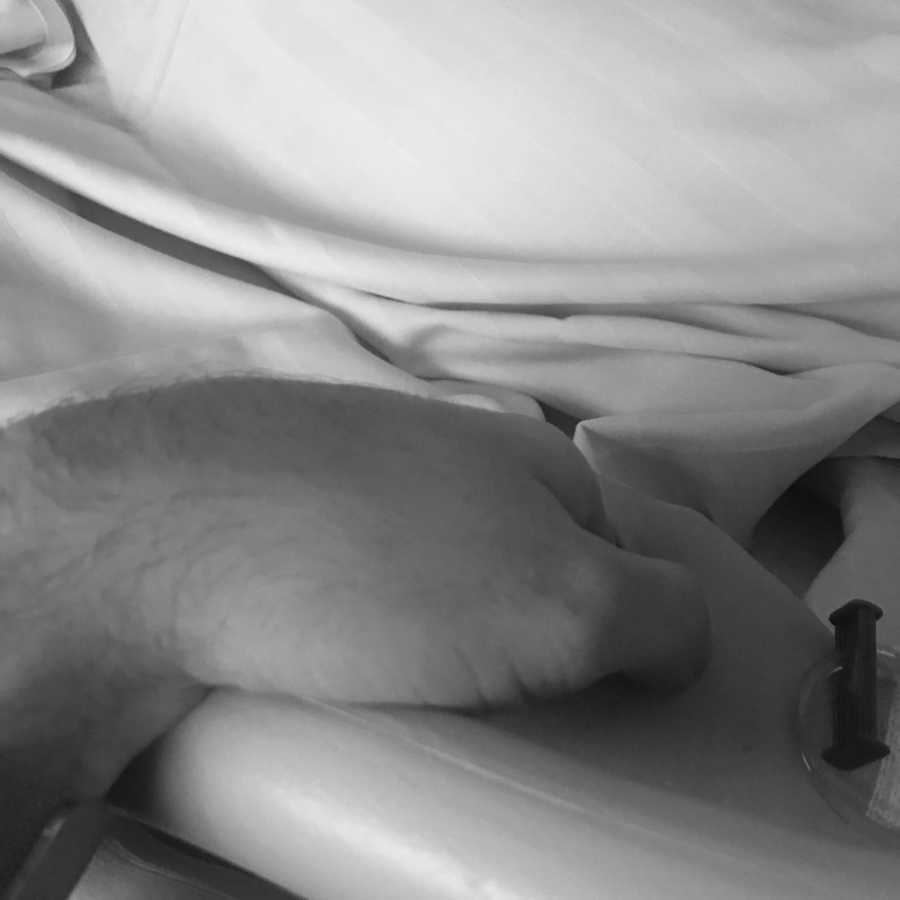
Wrapped in a blanket, placed on the cold warmer, James was ours to hold when we were ready. We talked to him, took pictures, called our families to meet him. We stayed with him until 6 a.m. the next morning, saying goodbye gently, before he left with our nurse. I couldn’t bear to send him away with anyone new.
After James, my cervix closed and the contractions stopped. I was moved to the antepartum unit and put on bedrest, allowed only brief trips to the bathroom or shower. For four weeks, the hospital room became our safe haven—doctors and nurses watching over me, answering questions, addressing fears.
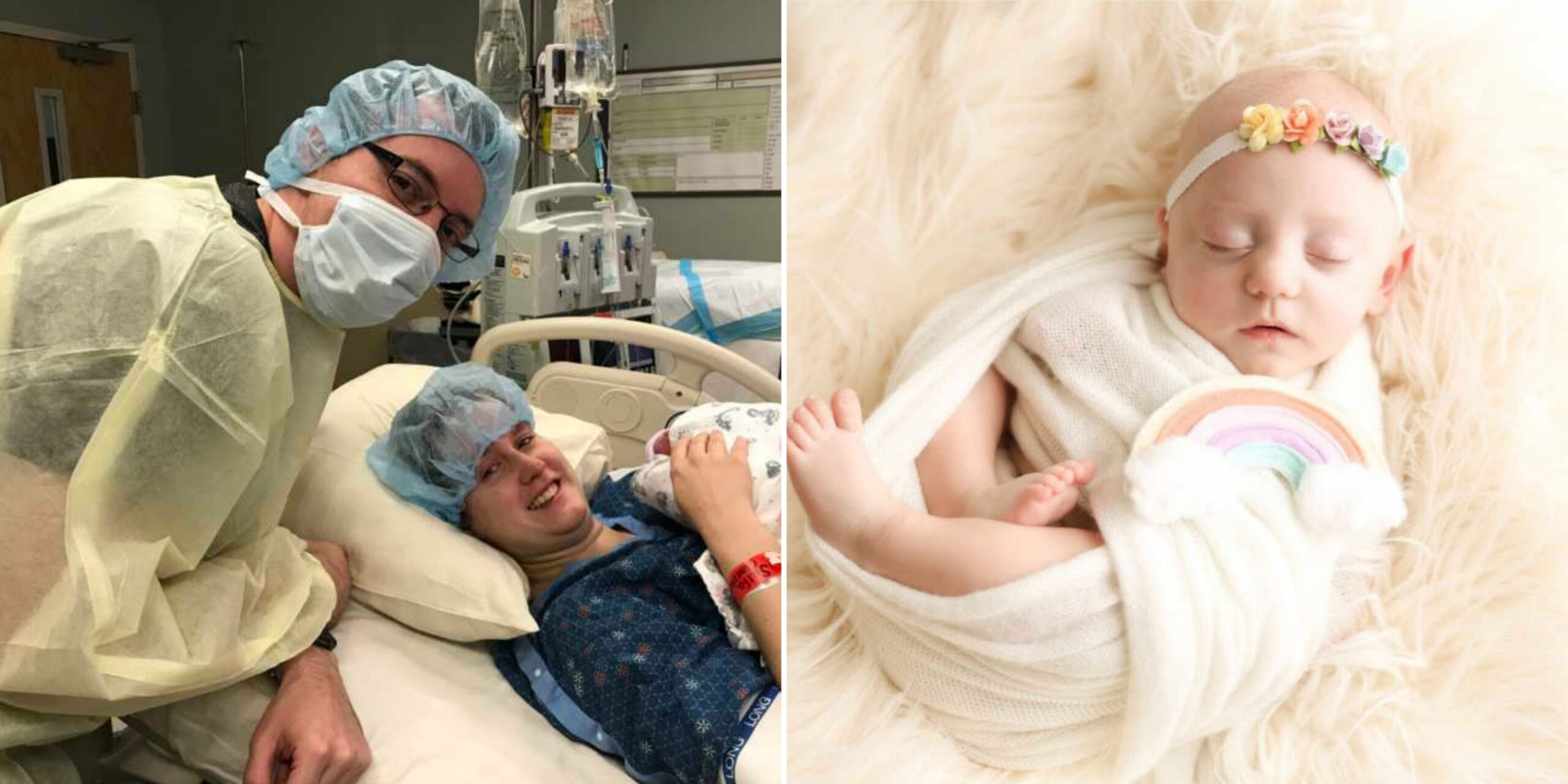
But labor returned. Again, doctors could not stop it. On Wednesday, July 26, 2017, our daughter Amelia Jane was born in an operating room filled with medical staff. Her first cry was the most beautiful sound I’ve ever heard. Relief washed over me. We had made it. She was alive, breathing, and strong.
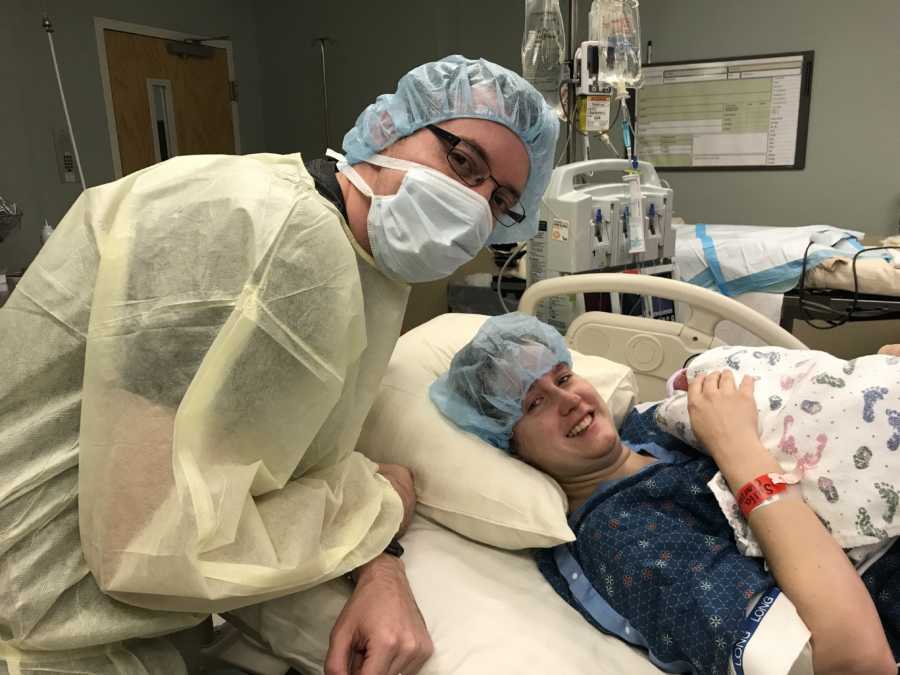
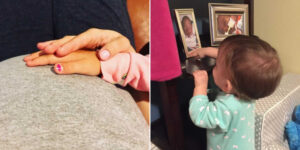
Amelia spent 141 days in the NICU before finally coming home. Today, she is thriving, full of life. And though we navigate the emptiness left by James, we share our story in hopes of helping others facing the unimaginable. How can something be a blessing and a heartbreak at the same time? Life with Amelia reminds us that even after loss, love finds a way to grow.