I was just 10 years old when I was first diagnosed with asthma in primary school, but it wasn’t until I turned 19 that my health truly began to spiral. That year, I faced one of the scariest experiences of my life: I briefly ‘died’ from whooping cough.
It’s strange how vividly I remember that night. I had just returned home for Christmas break after my freshman year of college. On Tuesday, December 16th, 2008, I had an appointment with my pulmonologist because my lung function was declining rapidly. My doctors were seriously concerned and even considered admitting me to the hospital. But, like any stubborn 19-year-old, I somehow talked my way out of it. They drew some labs, gave me instructions, and sent me home. Looking back, I wish I had listened and stayed in the hospital that day.
Later that evening, my breathing was still labored, and I was constantly using my nebulizer. Before bed, my dad asked if we should head to the hospital, and I brushed it off, insisting I was “fine.” About an hour after falling asleep, I woke up thinking I was having another asthma attack. I reached for my nebulizer but quickly realized something was very wrong. I was downstairs, and I banged on the wall, screaming for my parents. They rushed to me, trying to place the nebulizer mask on my face, but I instinctively pushed it away.
In that moment, I felt an overwhelming sense of calm and peace. I wasn’t scared. The last thing I remember saying was that I needed to go to the bathroom. Then, everything went black. My dad started CPR, and in the chaos, when he tried to give me an Epipen, he accidentally injected his own thumb. Soon, paramedics arrived, and the next thing I knew, I was waking up in the ambulance on the way to the hospital. Seeing my parents there, broken and terrified, left me with a lasting sense of guilt—I never want to see them like that again. Once I was more awake, we embraced and cried together.
The labs from earlier that day confirmed the culprit: a severe case of whooping cough. Antibiotics and steroids helped me recover, but that night left me with a profound understanding of how fragile life truly is, and the importance of being proactive with my health. Lesson learned.
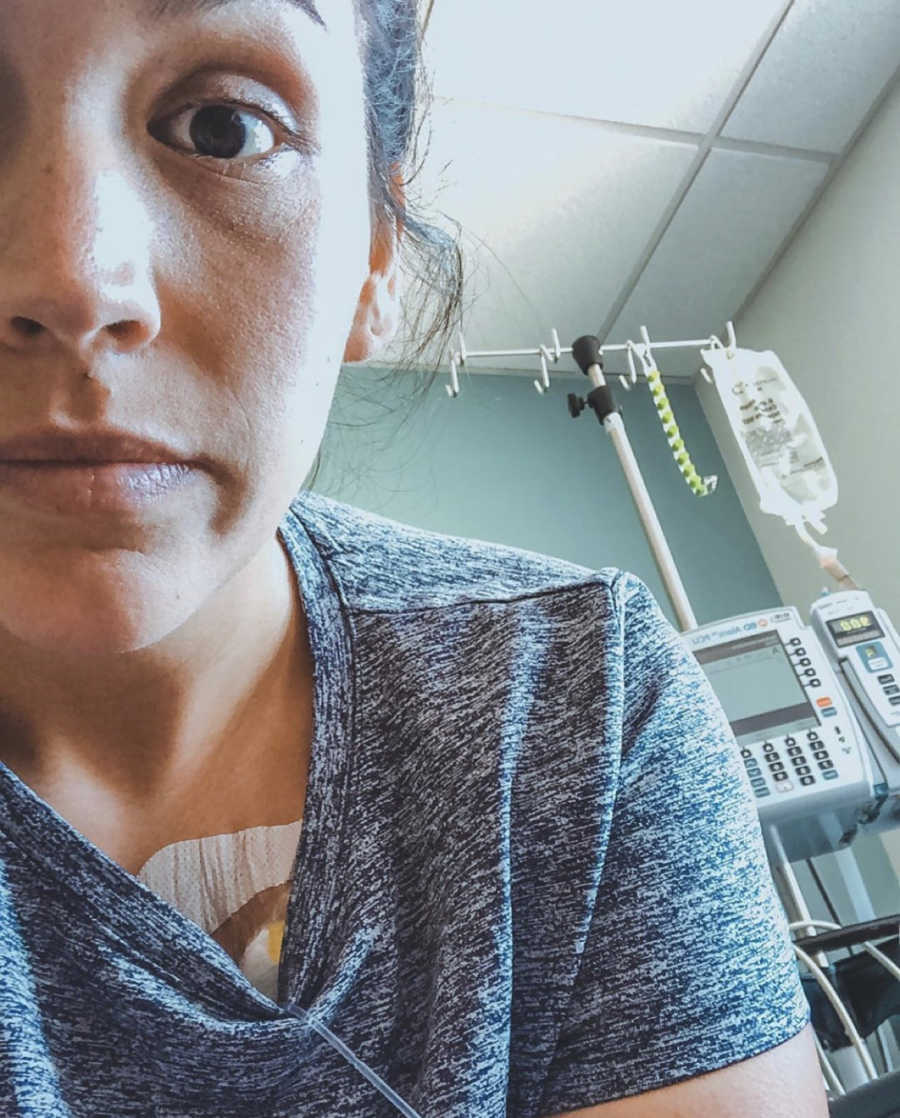
After that near-death experience, I became the first patient on the West Coast to undergo an experimental procedure called bronchial thermoplasty. By the third stage of clinical trials, several patients had seen significant improvement. The treatment cauterizes the smooth muscle in the airways to reduce asthma-related events. My family and I were hopeful, but my lungs had their own plans.
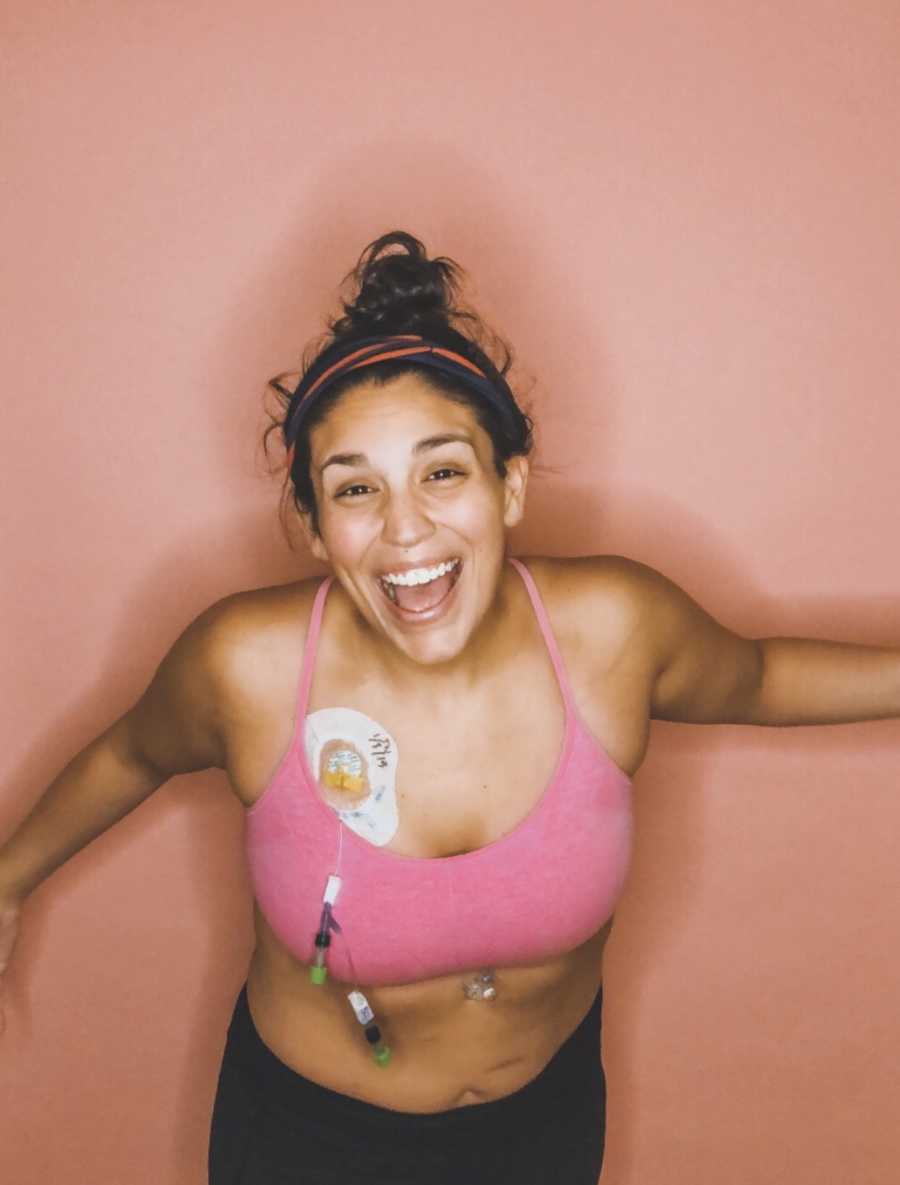
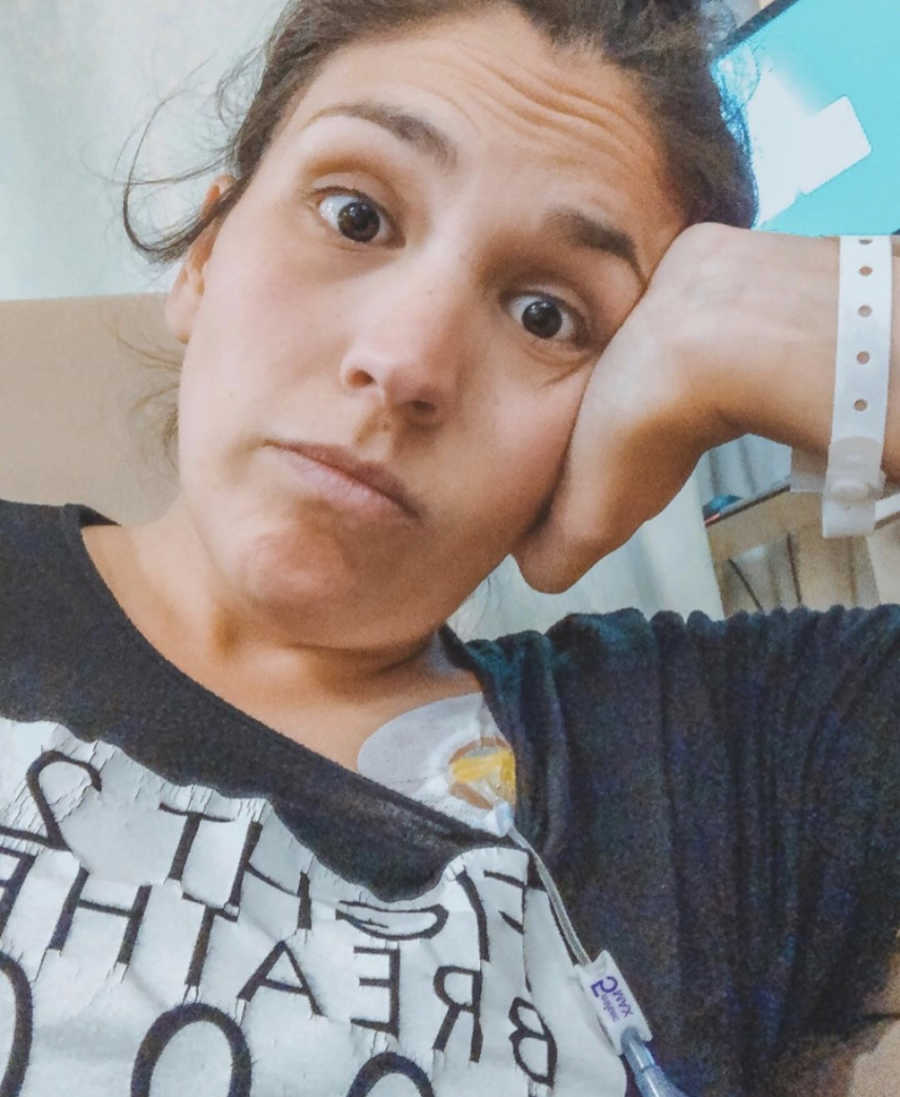
Doctors suspected that GERD—gastroesophageal reflux disease—was aggravating my asthma, so I underwent LINX surgery to prevent acid from reaching my lungs. But as many chronic illness warriors know, fixing one problem can sometimes lead to another. This eventually led to my diagnosis of gastroparesis in 2012, after multiple attempts to control symptoms with medication failed. Surgery became the only option. Now, I live with a port-a-cath, a gastric stimulator, and a GJ feeding tube. Accepting my body—scarred and full of medical devices—was a challenge, but I’ve learned to love it. These reminders of my journey show me just how strong I really am.
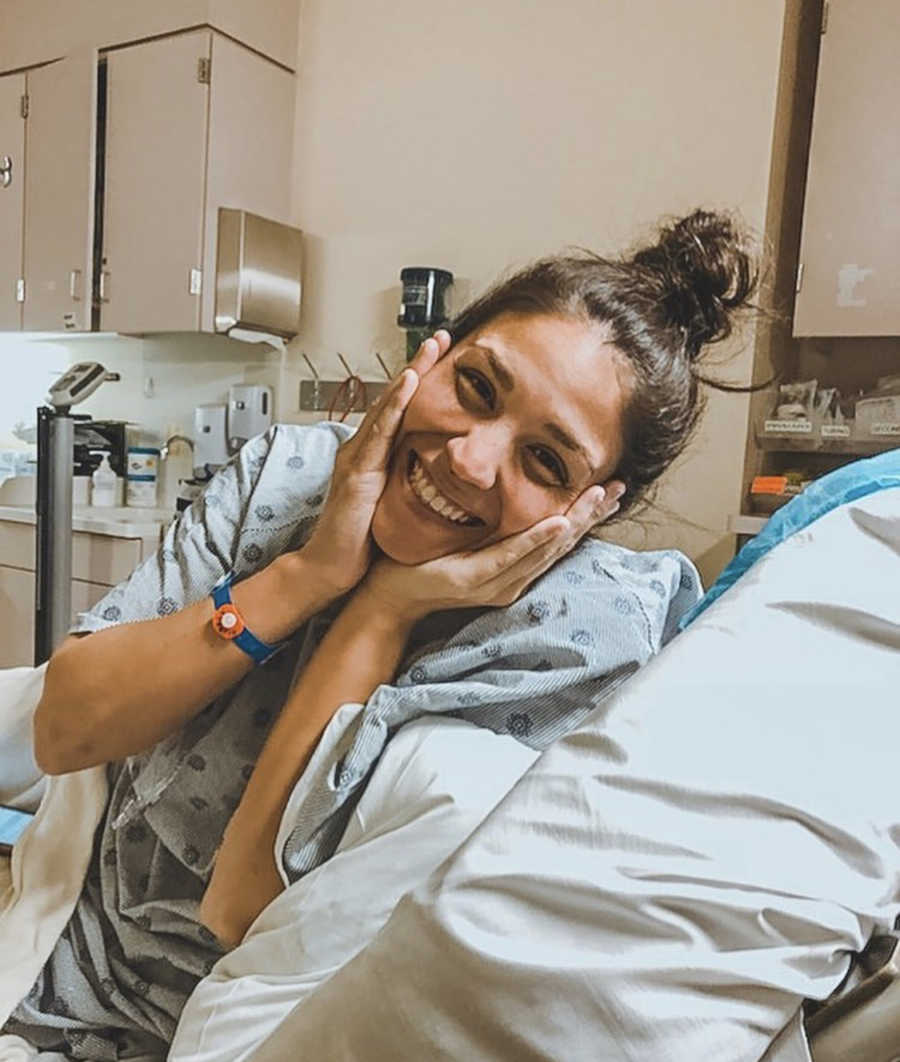
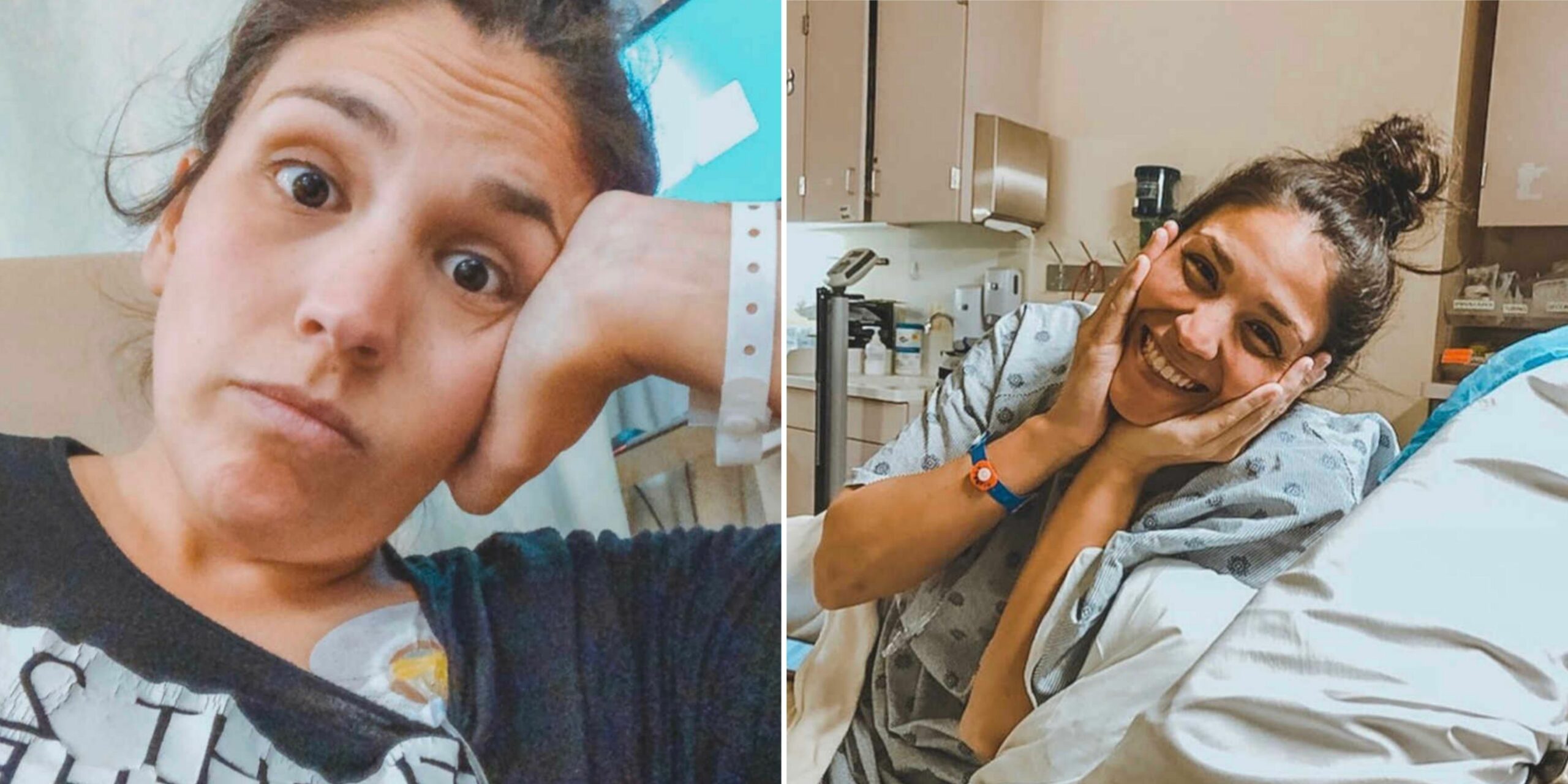
School remained relatively normal despite my chronic illnesses—until my senior year of college. My health had declined to the point where I spent multiple stretches in the hospital, including a 17-day stay. I’ll never forget the friends who visited me; when you’re sick, you quickly discover who your true friends are. I’m still close with those people today. Even through all of this, I managed to graduate college in four years, a feat that felt like a victory on its own.
Living with health issues beyond my control has taught me to treasure every moment of life. Positivity has become a skill I practice daily. Even small victories—like getting out of the house—can feel monumental. And when I need a lift, I find joy in simple, beautiful things, like dancing around the living room with my nieces to Disney music. Those moments pull me out of dark places and remind me that life can still be full of joy, even with challenges.
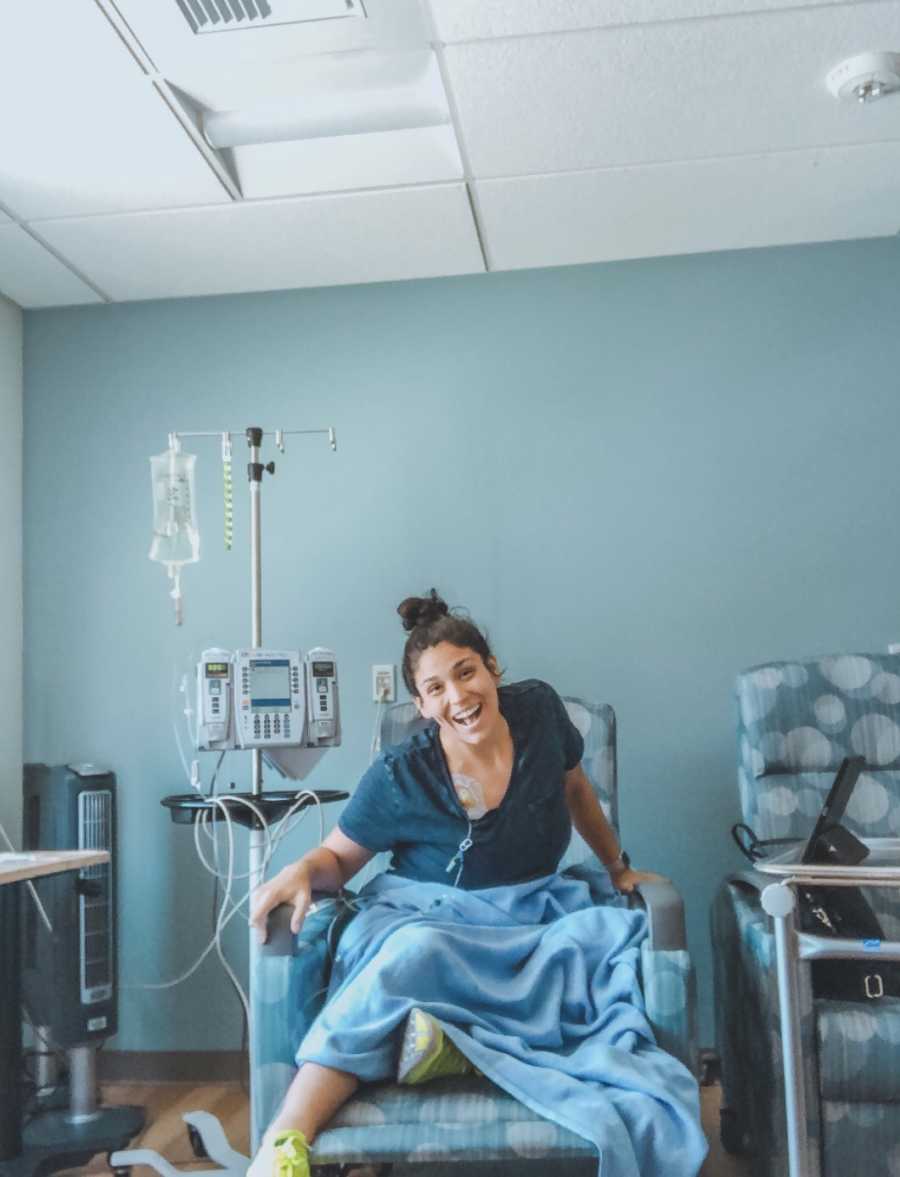
I hope my story inspires others not to let chronic illness define or consume them. And I want to leave you with this: whenever you have the opportunity to help someone, take it. Helping others is one of the most powerful ways to heal yourself.