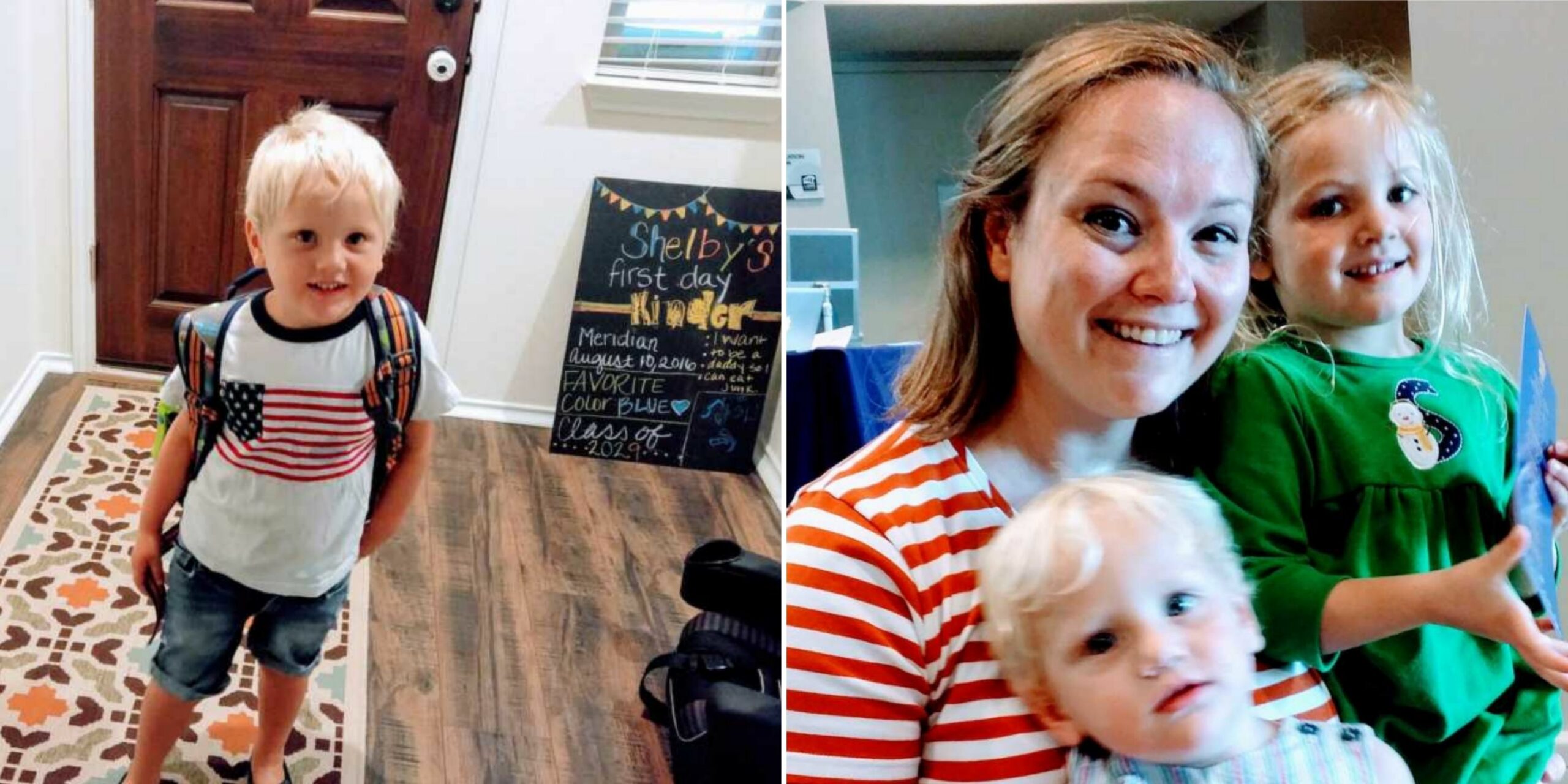
“We are having our first boy! I imagined him tall, handsome, kind—maybe a football player like his Dad, or perhaps a painter with a gentle heart. I couldn’t decide; I only knew I wanted him to be happy and loved.
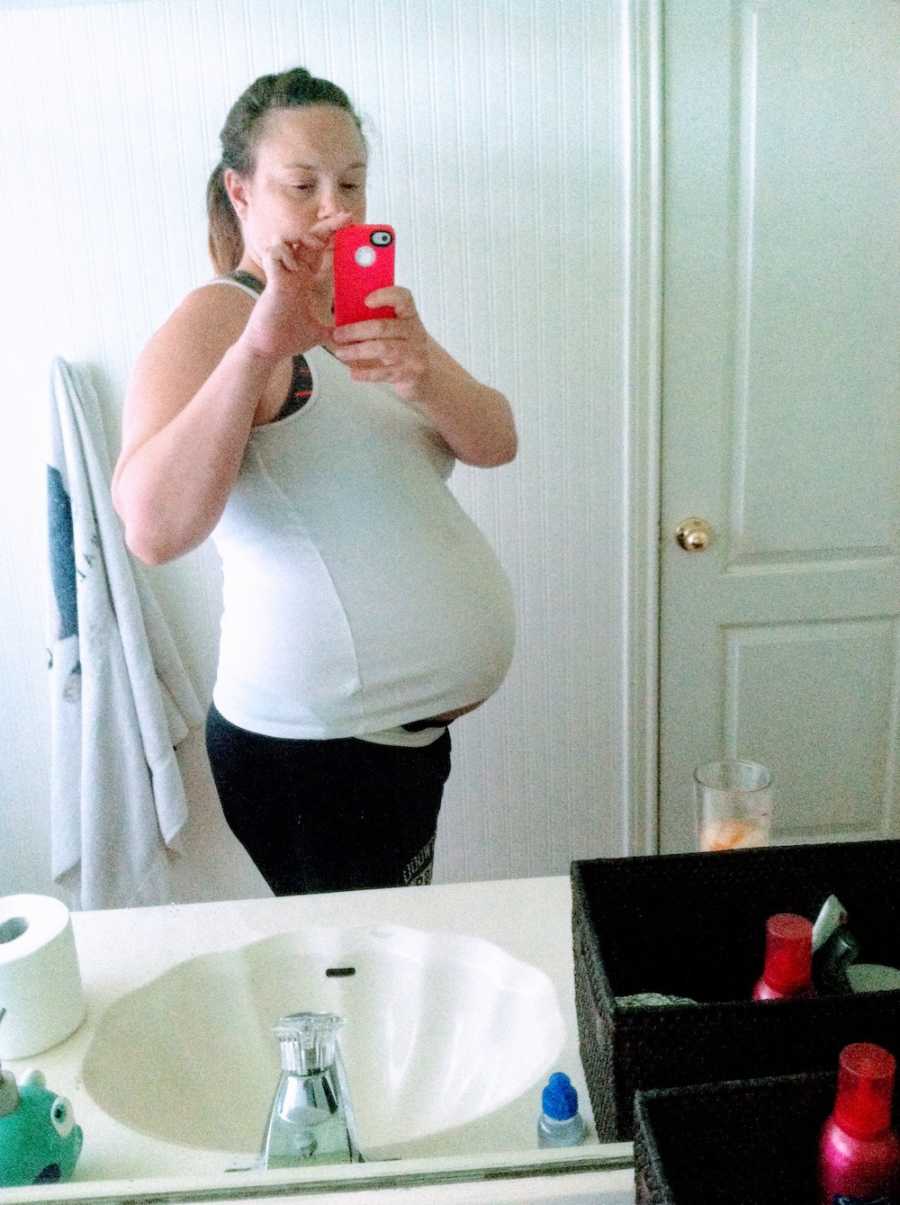
When I finally met him, after a healing and empowering birth, it was like meeting a soul I had known long before conception. He came into the world with a gentle yet undeniable force, and in that instant, I knew he was ours. I beamed with a joy that felt too big to contain, overwhelmed with gratitude that this little being was finally here.
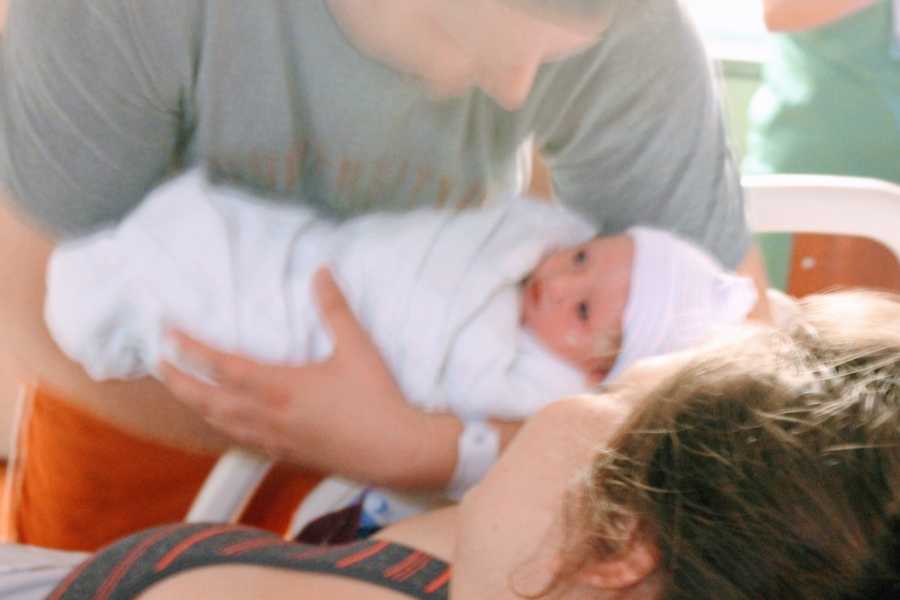
My son grew and reached every milestone on time—or so I thought. He was strong, big for his age, and endlessly sweet. I couldn’t have asked for more than his constant smile and tender spirit.
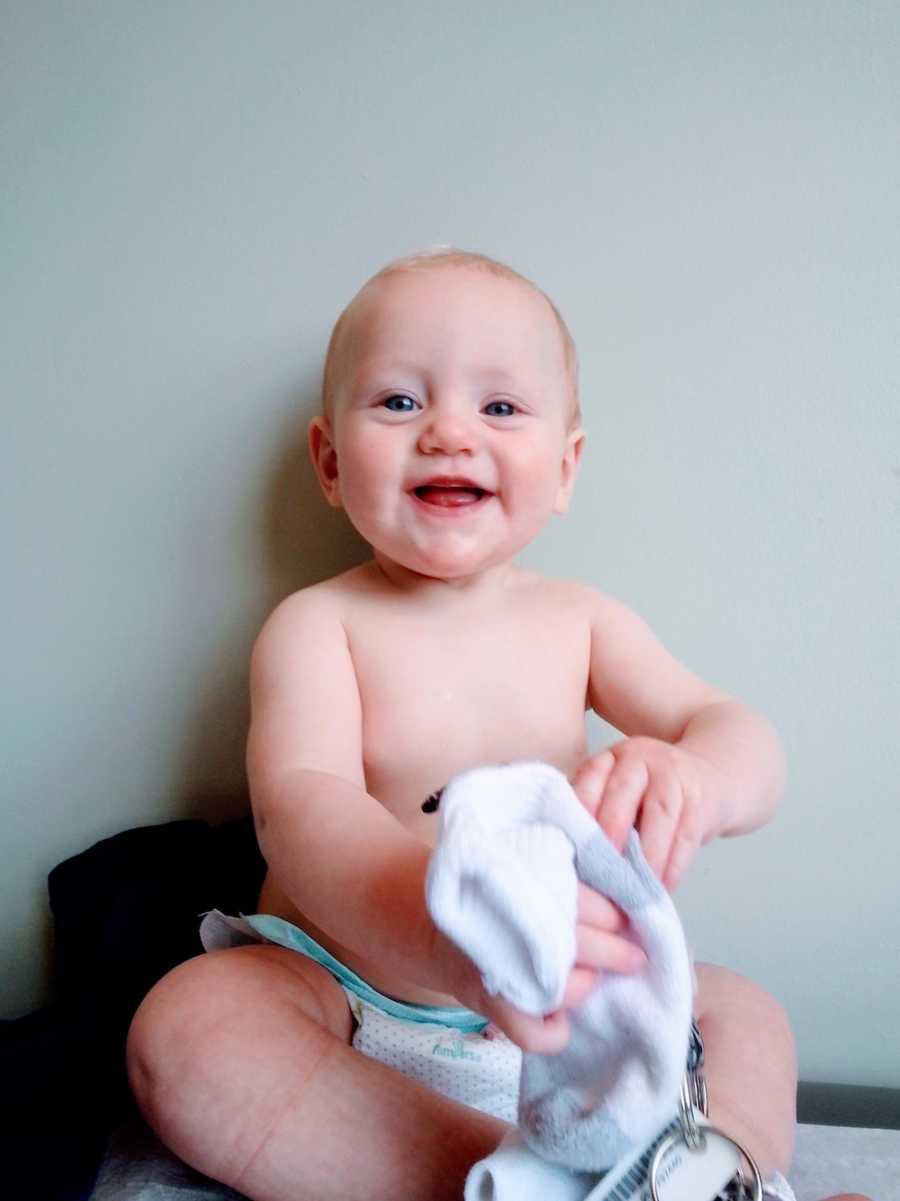
By the time he was 12 months old, he wasn’t walking or talking. I dismissed it at first, blaming his overactive older sister, who adored getting everything for him. The pediatrician reassured me, and I left feeling placated. By his 18-month check, he had begun walking but still wasn’t talking or waving. Again, I told myself boys often develop slower. I believed he just needed time, and I ignored the subtle alarm bells.
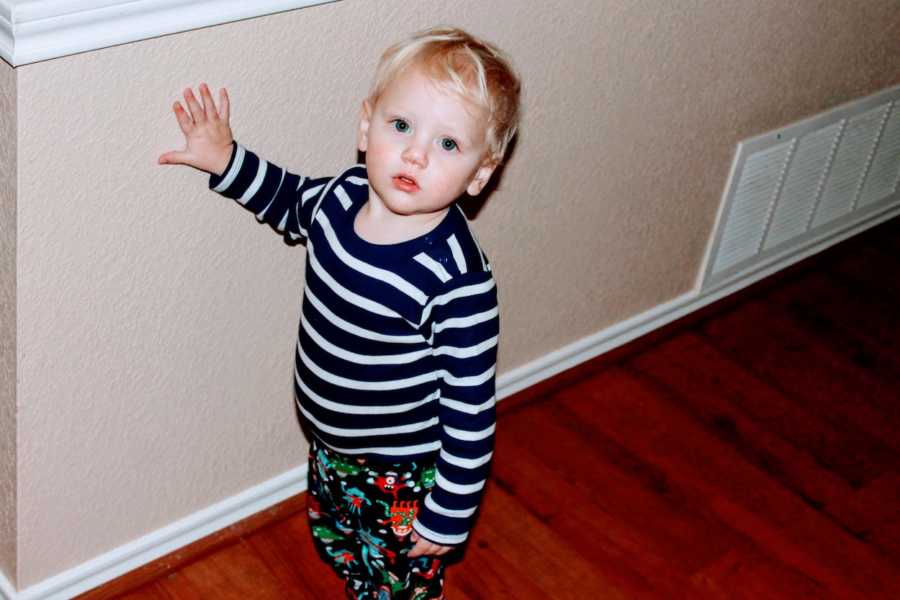
Eventually, we reluctantly reached out to our state’s Early Childhood Intervention office. After describing our concerns, they scheduled an evaluation. Sam was tested with simple exercises: could he recognize himself in a mirror, follow instructions, manipulate objects, or vocalize? He struggled with every single task. The results were sobering. He had a significant developmental delay, and therapy—speech, play, and occupational—was recommended.
I left that office wearing a smile, but it was fragile, masking the crushing weight in my chest. My lungs felt tight, my shoulders heavy, as I carried him back to the car. I refused to cry in front of him—I couldn’t show my fear, my worry, or my heartbreak.
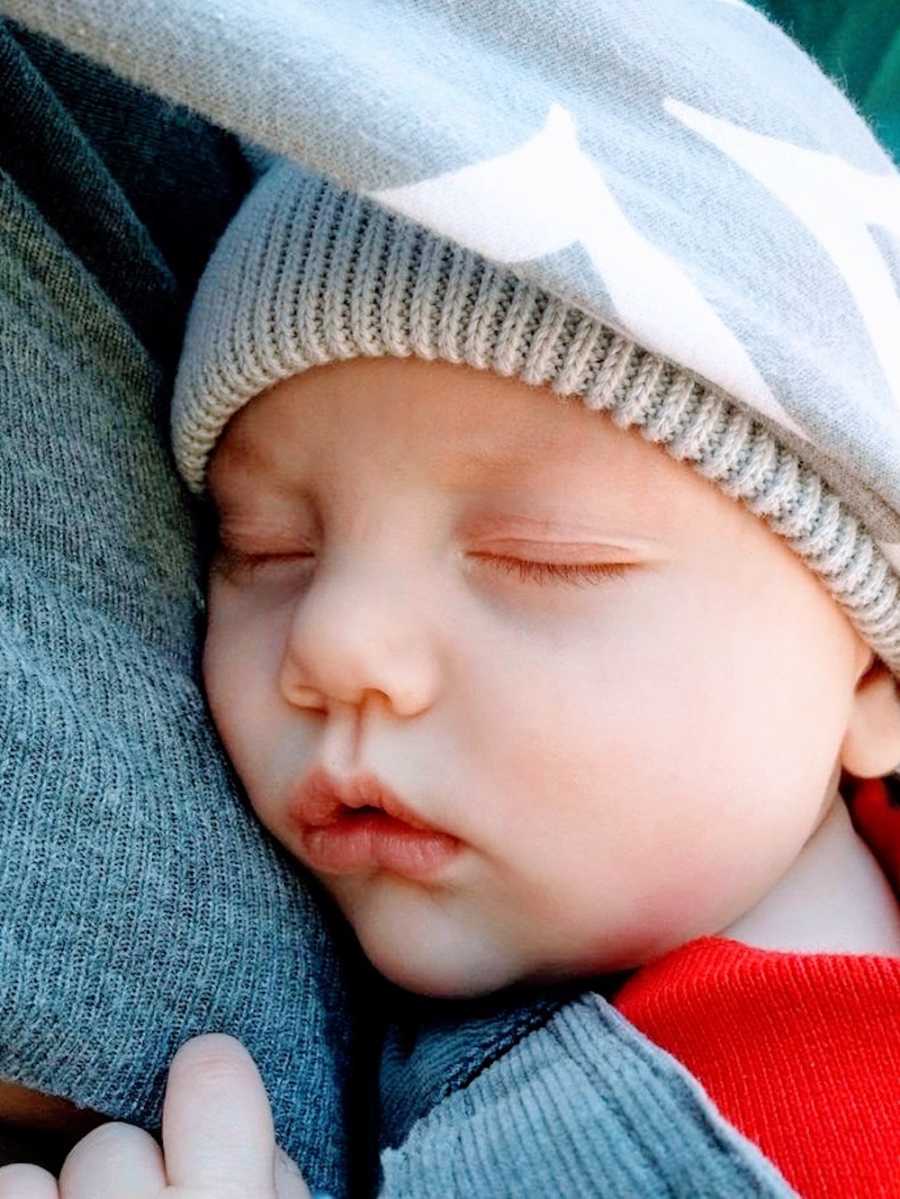
The year that followed brought little progress, and soon we were facing the end of the state’s therapy program. The public school system assessed him, and then the word came: Autism. I felt my breath catch. I forced a calm exterior for everyone else, though inside, my heart raced with panic and grief. I told my husband, who quietly retreated to his office to process. Later, after Sam had fallen asleep, I finally allowed myself to feel the raw pain, the anger, the disbelief.
I wrote pages of a letter to the world, capturing every raw emotion: the grief for a son I had imagined, the fear of what he would face in a world that can be unforgiving, and the desperate hope that he would feel love and joy despite the obstacles. I prayed and pleaded for him, mourning the son I thought I would have while embracing the one I actually did.
Friends offered support, but their words sometimes rang hollow. I withdrew, retreating into my own mind, confronting the unknown future alone.
We enrolled Sam in Applied Behavior Analysis (ABA) therapy, a structured program designed to encourage meaningful progress. On the first day, I heard him scream as I left—not because he recognized me, or wanted me there, but simply because the world was confusing. I hurried away, fighting tears and guilt. Did I deserve this? Did I deserve the stares, the whispers, the constant judgment? Somehow, I told myself yes—it was ours to bear.
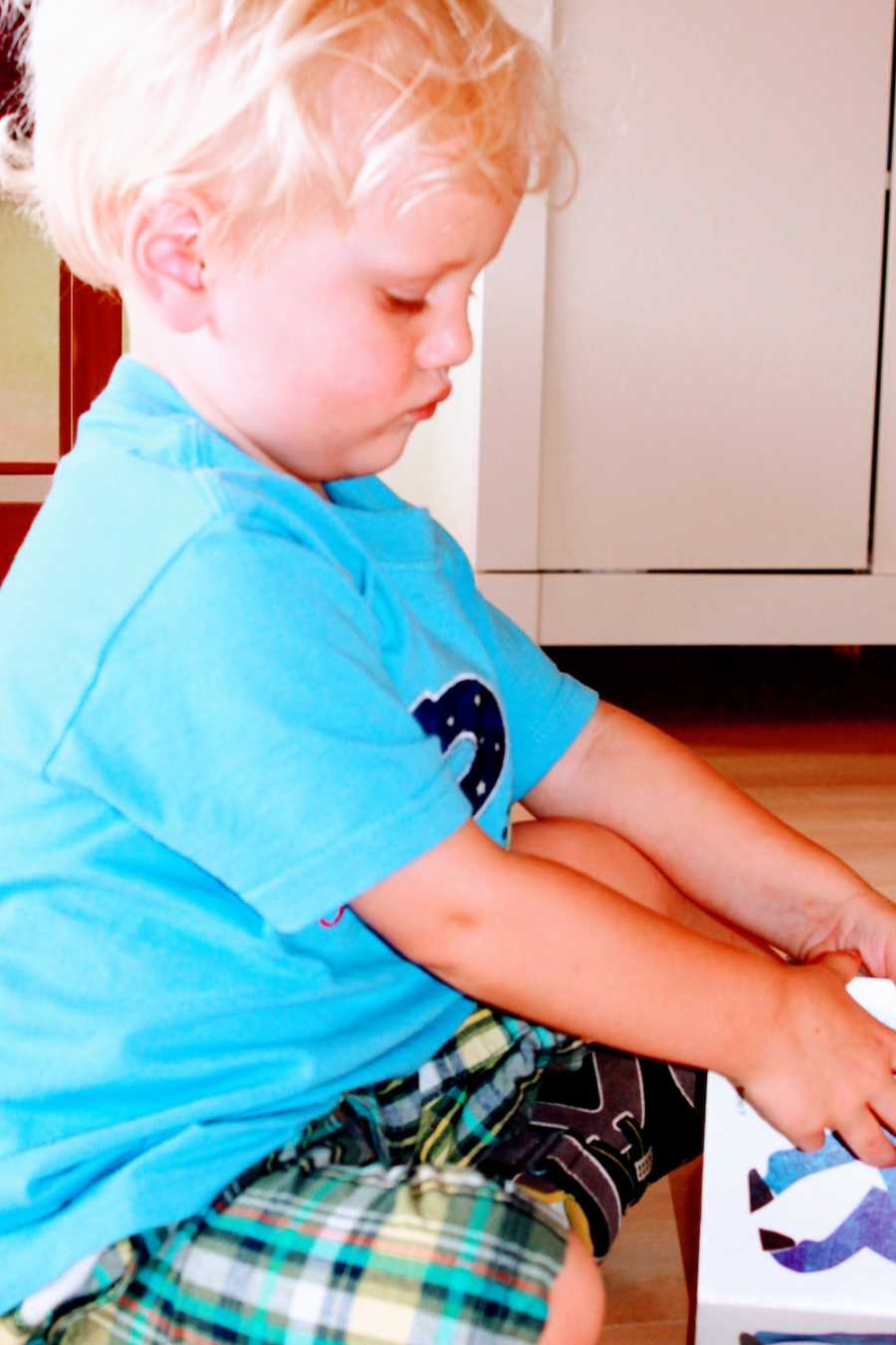
Then came the small, unexpected victories that filled my heart with wonder. One day, as Sam collected acorns near the street, he lunged dangerously forward. I grabbed him, and he looked up and said, ‘Pud Job!’—his version of ‘Good job!’ Waves of emotion crashed over me as I hugged him tightly and echoed, ‘Good job!’
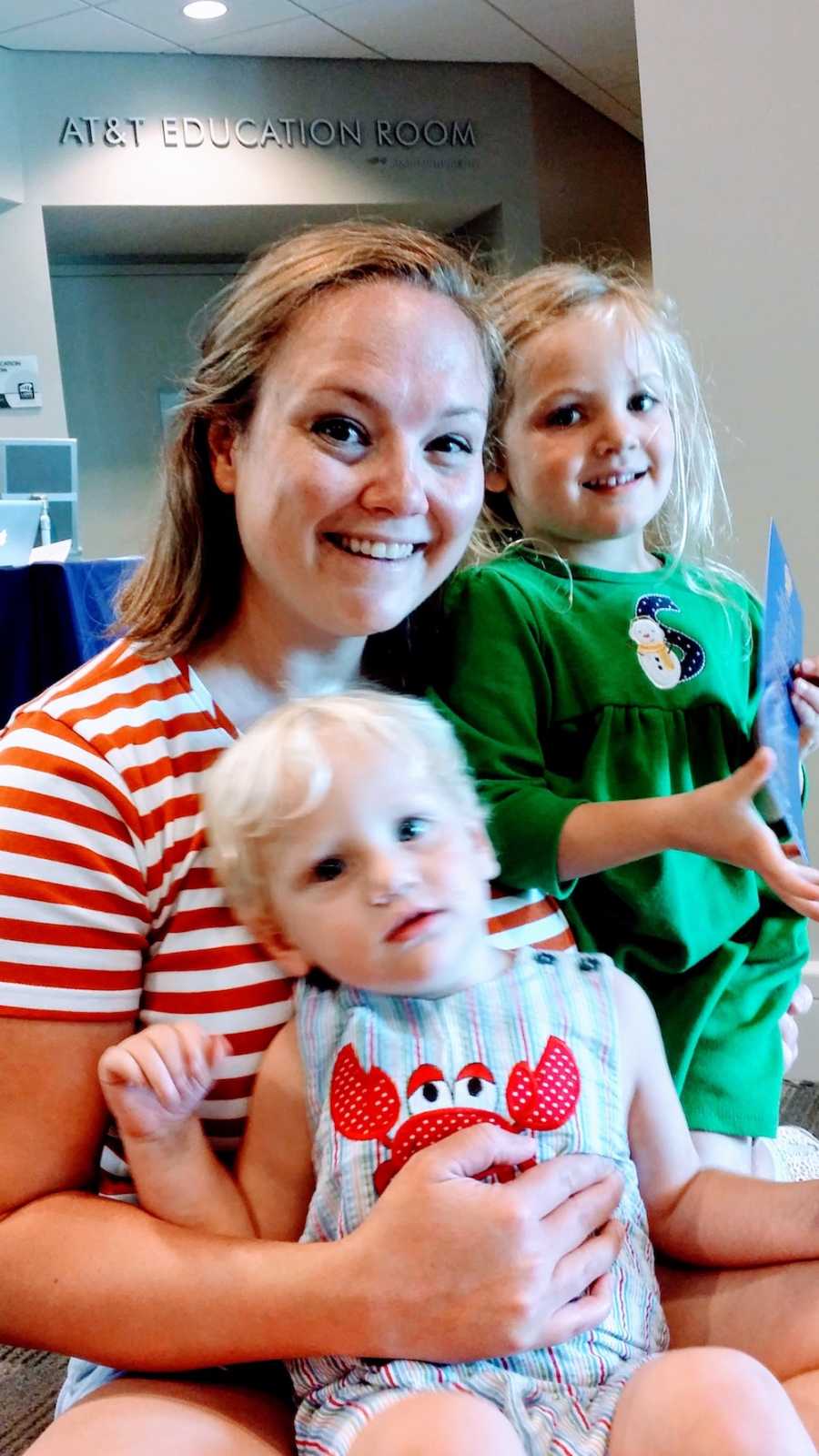
I know we have a long journey ahead. I have mourned the son I imagined, but I will never stop fighting for the one I have. He will not give up, and I will walk this path with him until my last breath. I will protect him as fiercely as I can, love him unconditionally, and celebrate every victory—no matter how small.
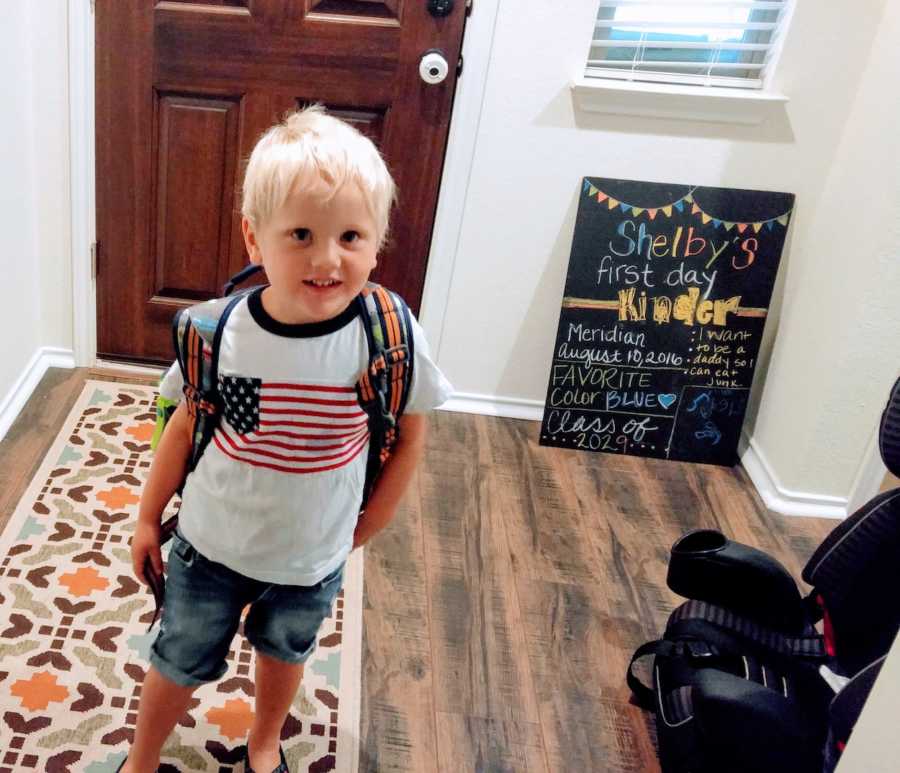
It takes all kinds of people to make this world turn, and my son deserves his place in it, shining just as he is.”