Feelings can be terrifying sometimes. They sneak up on you, unannounced, and suddenly you’re flooded with emotions—some uplifting, some heavy and painful. Often, I find myself hesitating to share my blogs. My goal is simple: these posts are for me. They are my safe space, a way to pour out the emotions swirling inside and release them. I imagine it like dropping a coin into a jar every time I face a feeling, a memory, or a thought. Eventually, the jar fills, and it feels like you’re ready to move on to the next phase. That, I think, is what life is really about: cycles, stages, moments that shape us, and then transitions that carry us forward.
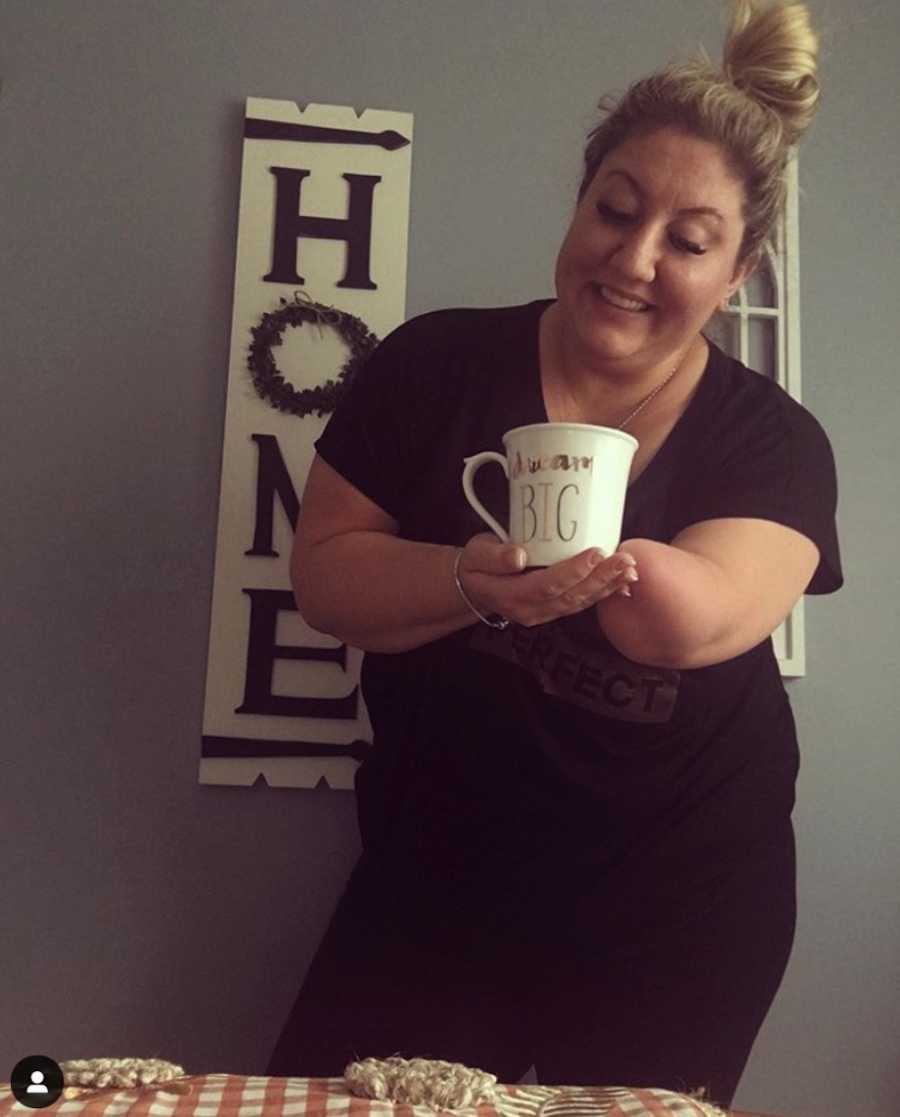
I feel incredibly blessed for the life I live now. I have a supportive, loving family, friends who feel more like chosen family, an amazing soon-to-be husband, and a fulfilling career. Yet, sometimes, I feel as though my purpose—my passion for writing, uplifting others who have faced struggles similar to mine—is pushed to the side. Sharing my own experiences, the times I’ve felt different, the moments I’ve stumbled, has always connected me to others. Everyone battles insecurities in some form. Swap out my own labels, and you could see yourself reflected in my story. And yet, life’s struggles, as painful as they are, are what shape the people we become.
Today, I want to share a part of my story that’s incredibly personal: the trauma I endured that led me to contemplate suicide for nearly two years. It’s a story that’s hard to tell and even harder to have lived.
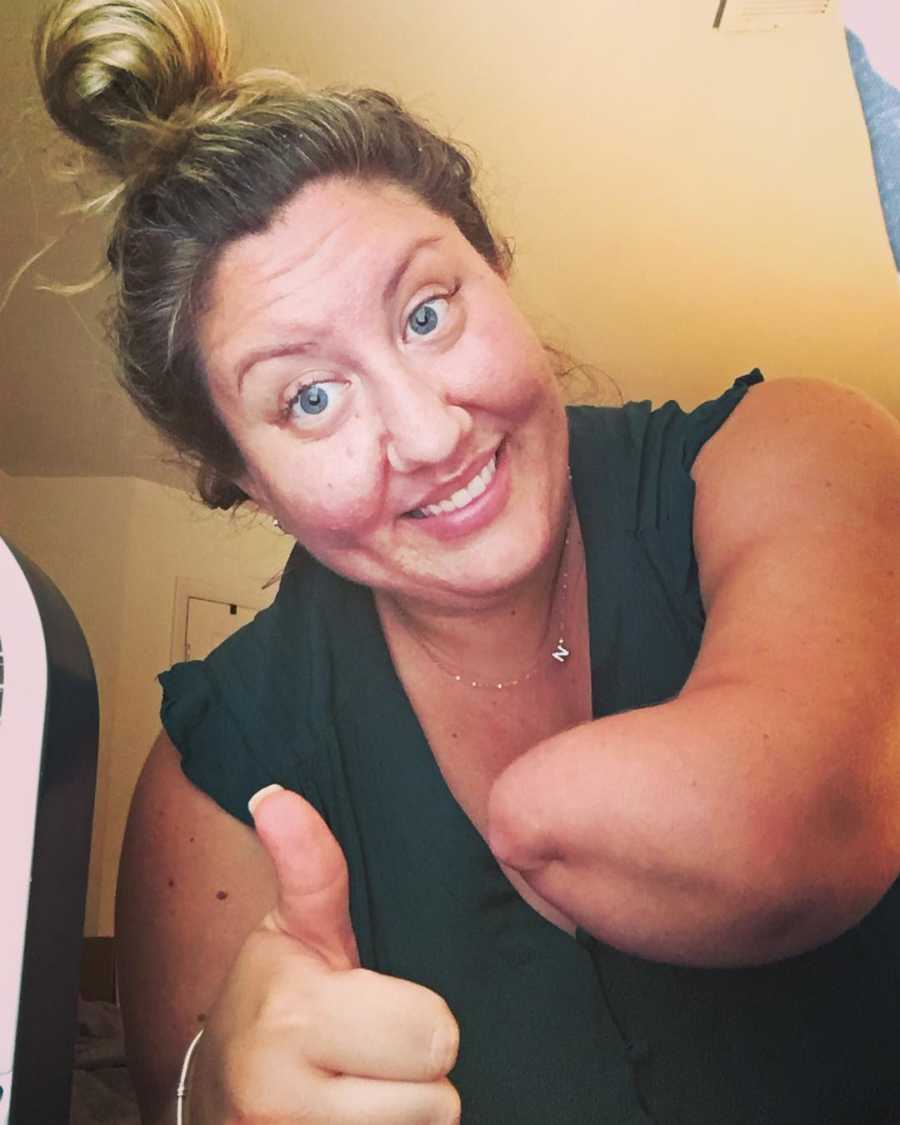
It all began in 2006. My family had just received news that my dad’s job required us to move. At the time, we lived in Albany, Georgia—a small southern town that had been my entire world. I was 15, at that awkward, self-conscious age when acne, boy problems, and endless insecurities dominate your mind. I was born missing my left forearm, a difference that had earned me the nickname “the girl with one arm.” Though that label stung, I had learned to accept it; people knew my story, and they didn’t ask questions.
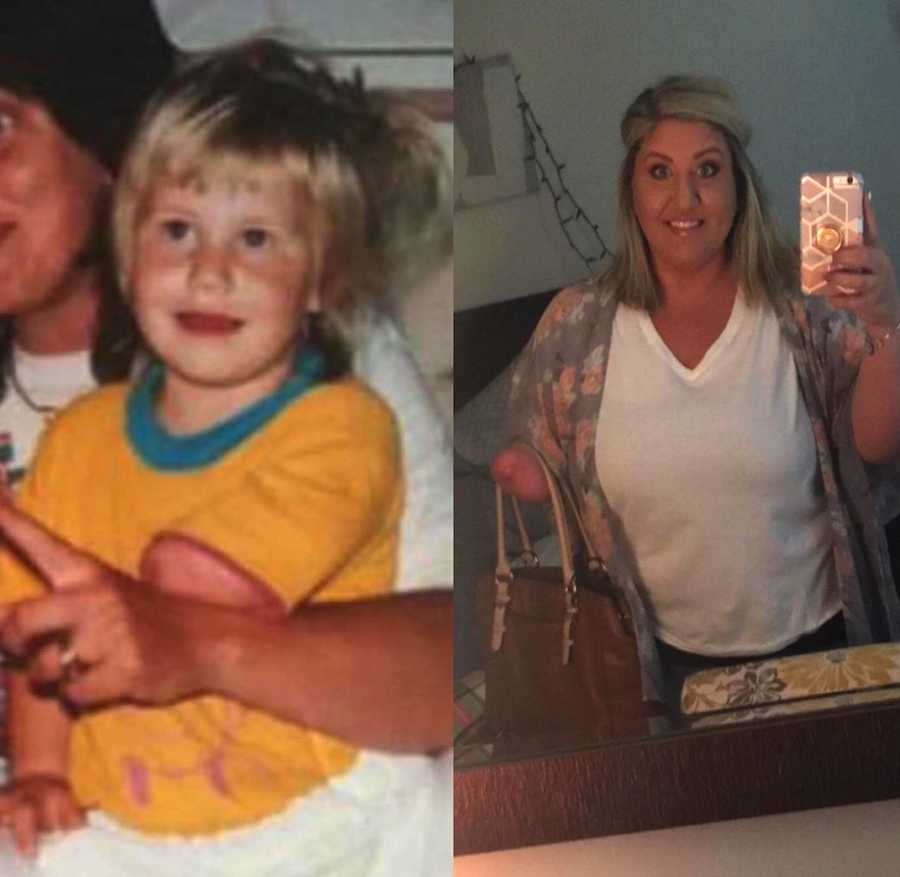
But underneath the surface, I was struggling. I rarely thought highly of myself, and I worked hard to avoid thinking about the darker feelings brewing inside me. I buried them deep, day after day, pretending to exist rather than truly live. The news of moving to Delaware—a state I had never considered—triggered a panic I could barely contain. The thought of facing new people, new schools, new stares, and endless questions made my anxiety nearly unbearable.
In desperation, I asked my parents for a new prosthetic arm. They were shocked. I had not worn one since I was seven, and it took time for them to connect the dots: I wanted it not for function, but as a shield, a way to blend in. As supportive as they were, they got me a brand-new prosthetic a month after the move. Thinking back, I feel a mix of gratitude and guilt. I hated the thought of my parents stretching themselves financially just to ease my anxiety. The prosthetic wasn’t about function—it was a shield against the world, a way to hide my difference and avoid questions, stares, and laughter.
The move unleashed waves of panic and self-consciousness. I couldn’t share these thoughts with my family. I didn’t want my mom to feel guilt, my dad to worry, or my siblings to feel responsible for protecting me. I suppressed everything. And so, I wore my prosthetic to school every day for two years—never removing it, even for gym class, soccer practice, speeches, or honor society. I mastered the art of tucking it into my pocket under long sleeves and jackets, trying to live as “normal” as possible while hiding a piece of myself.
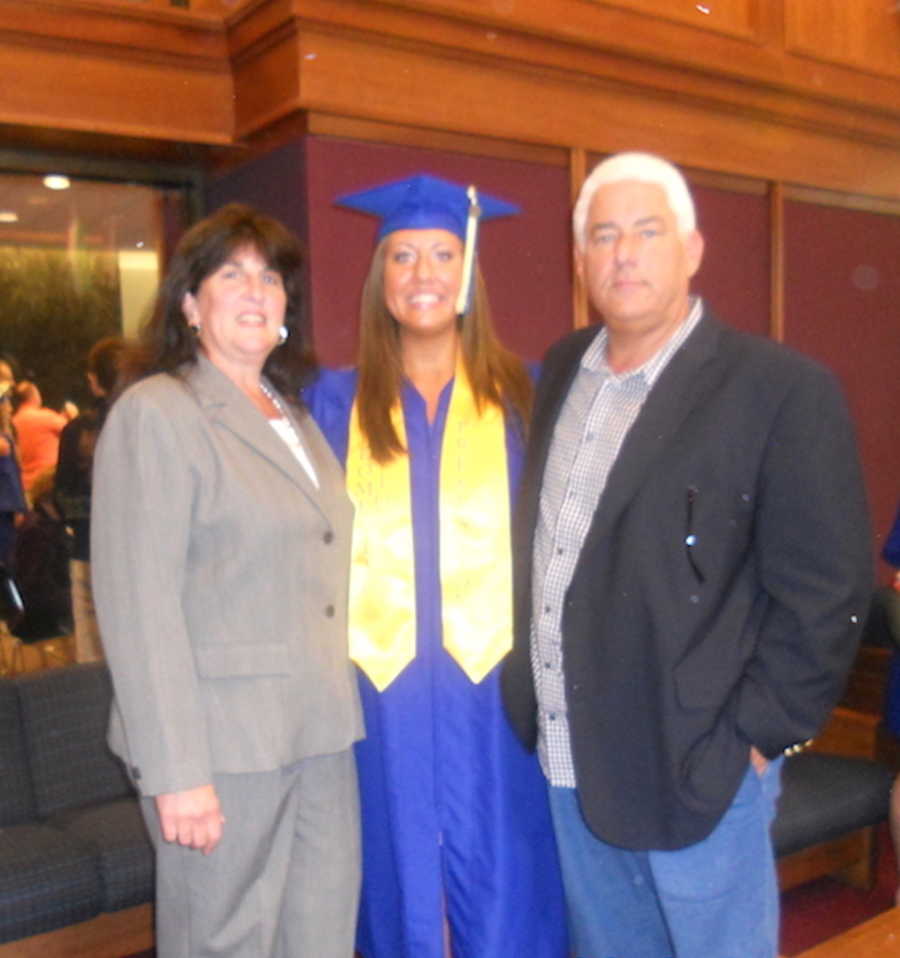
Though the prosthetic was high-tech, able to move fingers and grip objects, I never used it as intended. It was a mask. When classmates touched my arm, I lied, saying it was a cast from an injury. I avoided getting close to friends to keep them from discovering the truth. This exhausting charade left me feeling hollow, hopeless, and by my 17th birthday, suicidal. I reached the point where I wanted to escape the pain I had created for myself. The darkest moment came on a sunny morning, ironically, when the world seemed cheerful and bright outside my window. I was alone in my room, writing reasons I didn’t want to live. As tears fell, I realized the gravity of what my actions would do to my family. That moment was pivotal. I chose myself. I chose life. I chose to be Nikki. And for that choice, I am endlessly grateful.
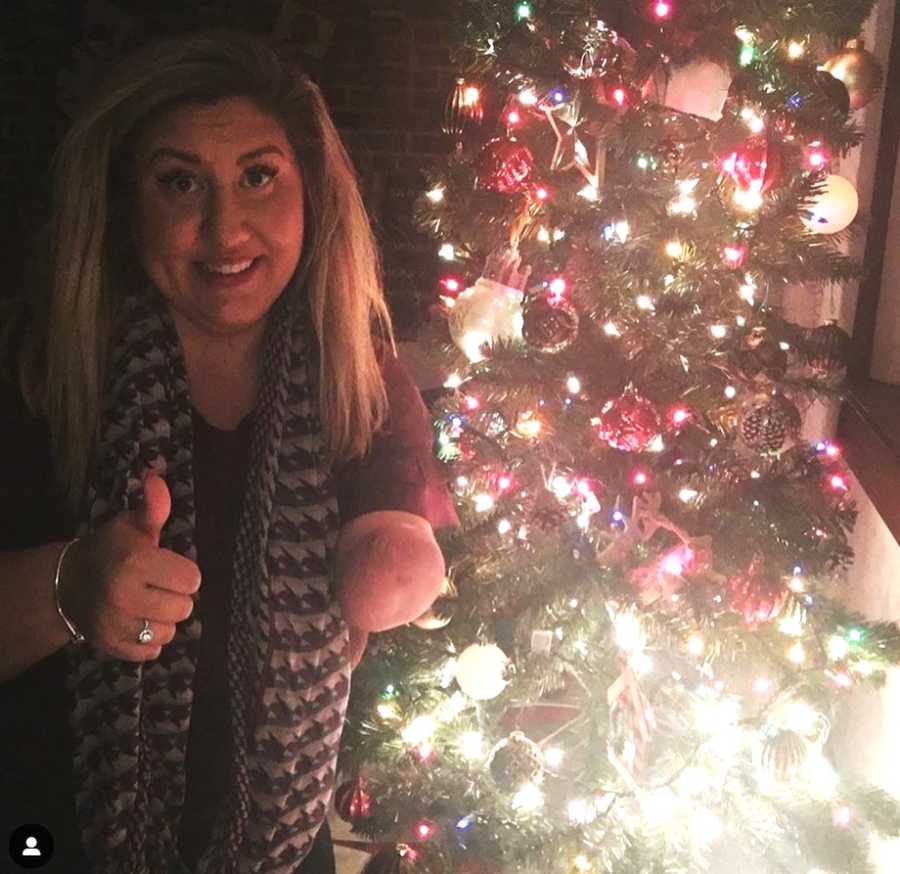
Senior year began with a bold, terrifying move: I left my prosthetic at home. I faced stares, questions, and a flood of vulnerability. But to my relief, my peers, teachers, and friends—many of whom had already known my story through my supportive older brother—accepted me without hesitation. The anxiety that had consumed me for years began to ease, replaced by a growing sense of self-acceptance.
Looking back, I realize how much energy I wasted fearing rejection instead of embracing authenticity. Perhaps if I had faced the world with my smile, my true self, and my story from the start, some pain could have been avoided. But that is the nature of life: the past is behind us, not in front of us. What matters is growth, learning from mistakes, and moving forward. Today, I share this story not only as a testament to survival, but as a reminder: we can choose ourselves, we can choose life, and in that choice, there is hope, healing, and the power to inspire others.