There are pivotal moments in every life moments that change everything, that make the world as you know it unrecognizable. For many, a positive pregnancy test is one of those moments. I still remember staring at that tiny flashing word, pregnant, and feeling the unmistakable thrill and fear of life as I knew it shifting forever. I had no idea that sixteen weeks later, everything would change again.
A teeny, tiny flicker on a gray, blurry ultrasound screen—a shiny spot on a tiny heart—was all it took to set off a whirlwind I could never have anticipated. The next four weeks were a blur of high-risk ultrasounds, blood tests, and eventually an amniocentesis. At twenty-four, I had no markers suggesting anything was “wrong” with my baby. In fact, my high-risk doctor told me testing wasn’t necessary—insurance wouldn’t cover it anyway—and assured me there was no way anything could be wrong. The ultrasound looked perfect. But two weeks later, a call changed everything. The nurse on the line asked me to hold for the doctor. Let me give you a little spoiler: if you’re ever told to hold for the doctor, it’s rarely good news.
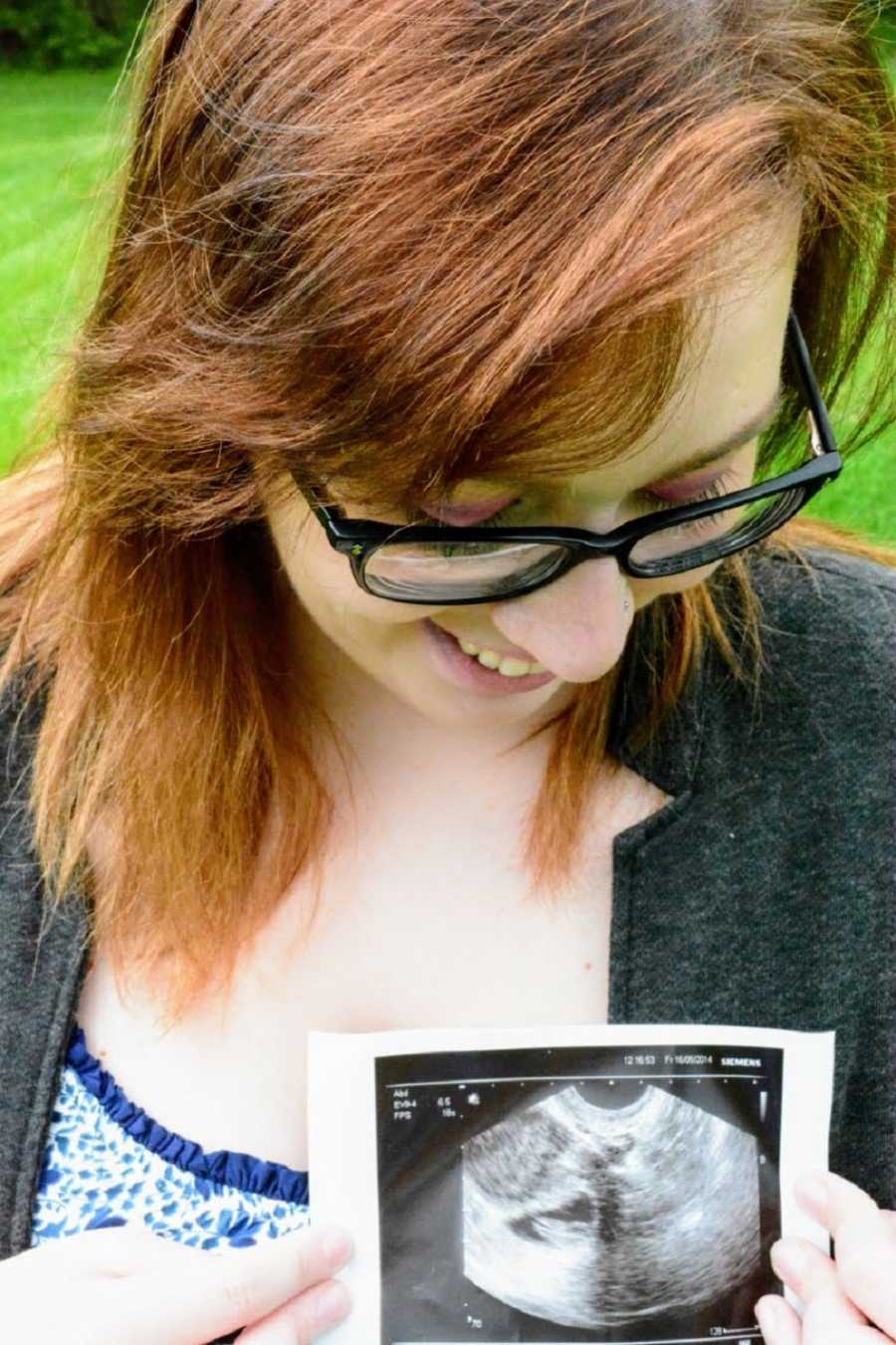
I remember that moment with a clarity that hasn’t faded. I was at work, adrenaline surging through me, my face flushing hot, tears welling and spilling over. The droning hold music seemed deafening until finally, an “I’m sorry” came through the line. I told my boss I had to leave, and before he could even respond, I was gone. I screamed. I cried. I found myself, for the first time in my life, pleading with God—begging him to make this not true. The day passed in a haze of Google searches, desperate attempts to find a mistake in the tests, and more tears than I can count. The next day, a long needle was inserted into my belly, inches from the tiny life growing inside me, to confirm the unthinkable. At twenty weeks, we learned that our Oliver would be born with Down syndrome.
At the time, I had a naïve, limited understanding of what Down syndrome meant. I had never met anyone with it; my knowledge was fragmented, full of myths and half-truths. Fear consumed me. When we met with a geneticist for guidance, the first words out of her mouth were about the nearest abortion clinic. I am pro-choice, but in that moment, I was furious. What I needed wasn’t an “out.” I needed knowledge, support, guidance. I cut her off and made it clear—there was never a question about bringing this child into the world. The real question was, how do we move forward?
She handed me a stack of books that did nothing but amplify my fears. Looking back five years later, almost none of the terrifying scenarios ever came to pass. I allowed myself to grieve. I cried, I raged, I questioned whether I could be a special needs parent. I wasn’t ready. No parent ever truly is at first. But grief is part of the process, and in that darkness, the light of Oliver’s future was waiting, unseen but unwavering.
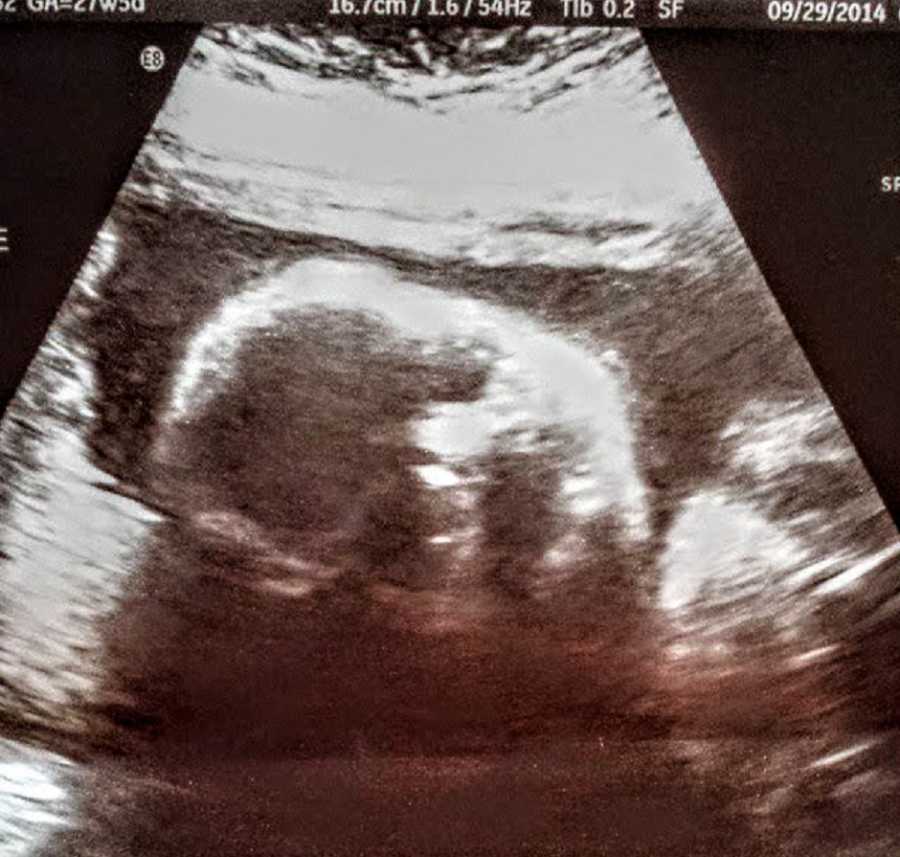
This journey has tested me in ways I could never have imagined. I’ve been broken to my core and lifted higher than I ever knew I could go. I’ve been pushed past my limits and learned to gather the pieces and keep going. I wouldn’t trade this life for anything. I wish I could tell my past self that the things she worried about wouldn’t even matter in five years, that the woman she would become is strong, brave, and unrelenting. And that her son—Oliver—would shine brighter than the sun, the moon, and all the stars combined, touching countless lives along the way.
Pregnancy with a high-risk baby is nothing short of grueling. Stress, worry, endless research, and uncertainty became our daily companions. By thirty weeks, we had bi-weekly ultrasounds, and by thirty-seven weeks, I learned his placenta was failing. Every day, our tiny miracle inside me faced mortal danger. On December 10th, after daily fetal monitoring, labor was induced. Exhausted, I waited, unaware that two more days would pass before meeting my son.
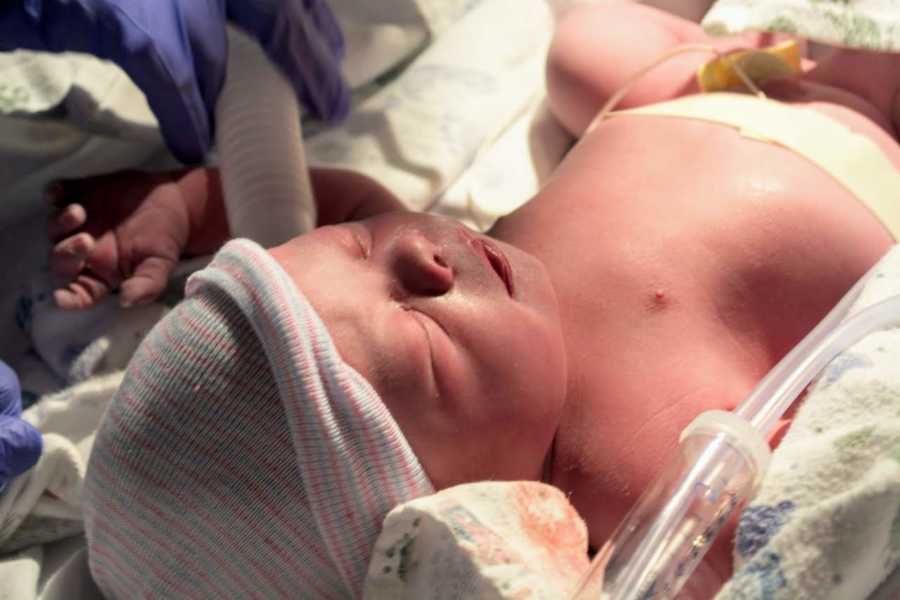
December 12th, 2014, 12:03 a.m.—Oliver Wendell Miley entered the world. Eight pounds, two ounces, nineteen inches of perfection. A brief NICU stay and a few days under the bili light later, I brought him home, holding in my arms a tiny being who would challenge, change, and inspire me every single day.
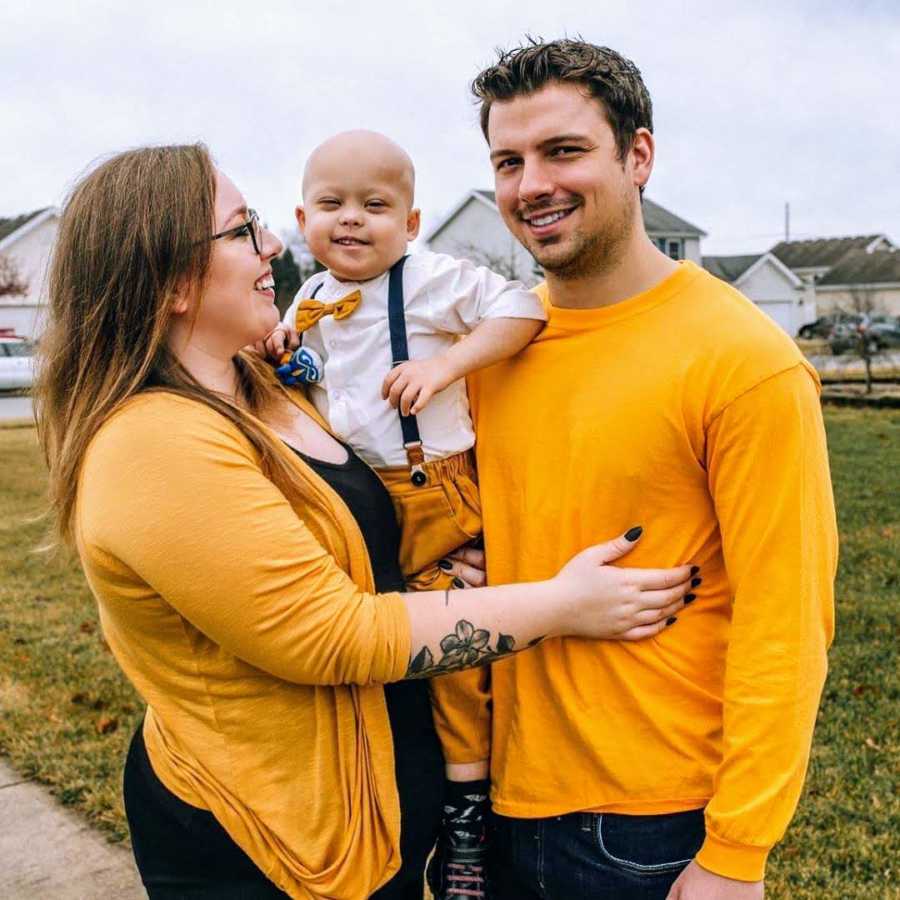
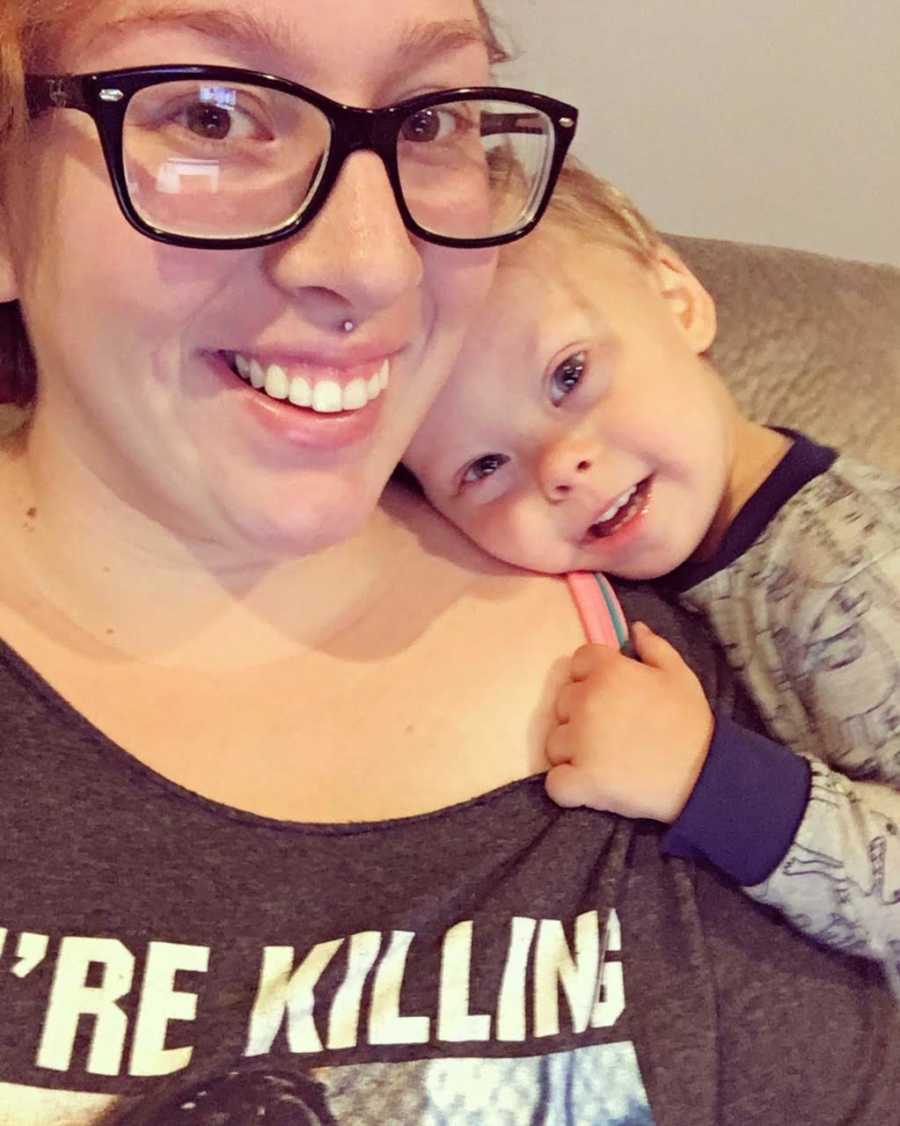
Four and a half years passed in the blink of an eye. That fragile NICU baby became a spirited, hilarious, headstrong “threenager,” and I had become a confident, capable special needs mom. I was prepared for IEP meetings, advocating fiercely, celebrating small wins, and savoring the ordinary joys of family life. Then March 2019 arrived, and everything shifted again.
Oliver was on vacation with his father when I got the call: he had stopped walking. At first, I thought it was soreness from his SMO braces, but weeks passed and he still couldn’t walk. Concerned, I took him to the ER. His lymph nodes were swollen, he seemed off, but the doctor reassured me it was a virus. Negative strep and flu tests sent us home.
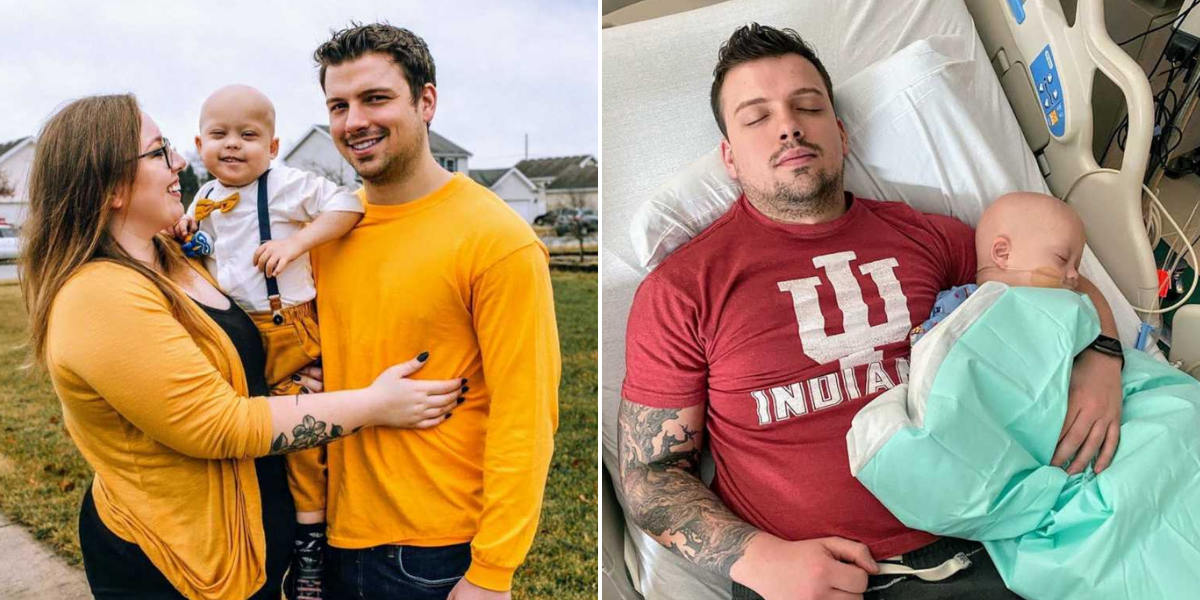
A week later, I went to his pediatrician. Her eyes betrayed worry she couldn’t voice, and she sent us back to the ER for STAT testing. April 11th, 2019, is etched in my mind as the scariest day of my life. Within hours, we were rushed to a children’s hospital in Chicago. Oliver’s white blood cell count was 50,000—ten times normal. Deep down, we all knew: he had cancer.
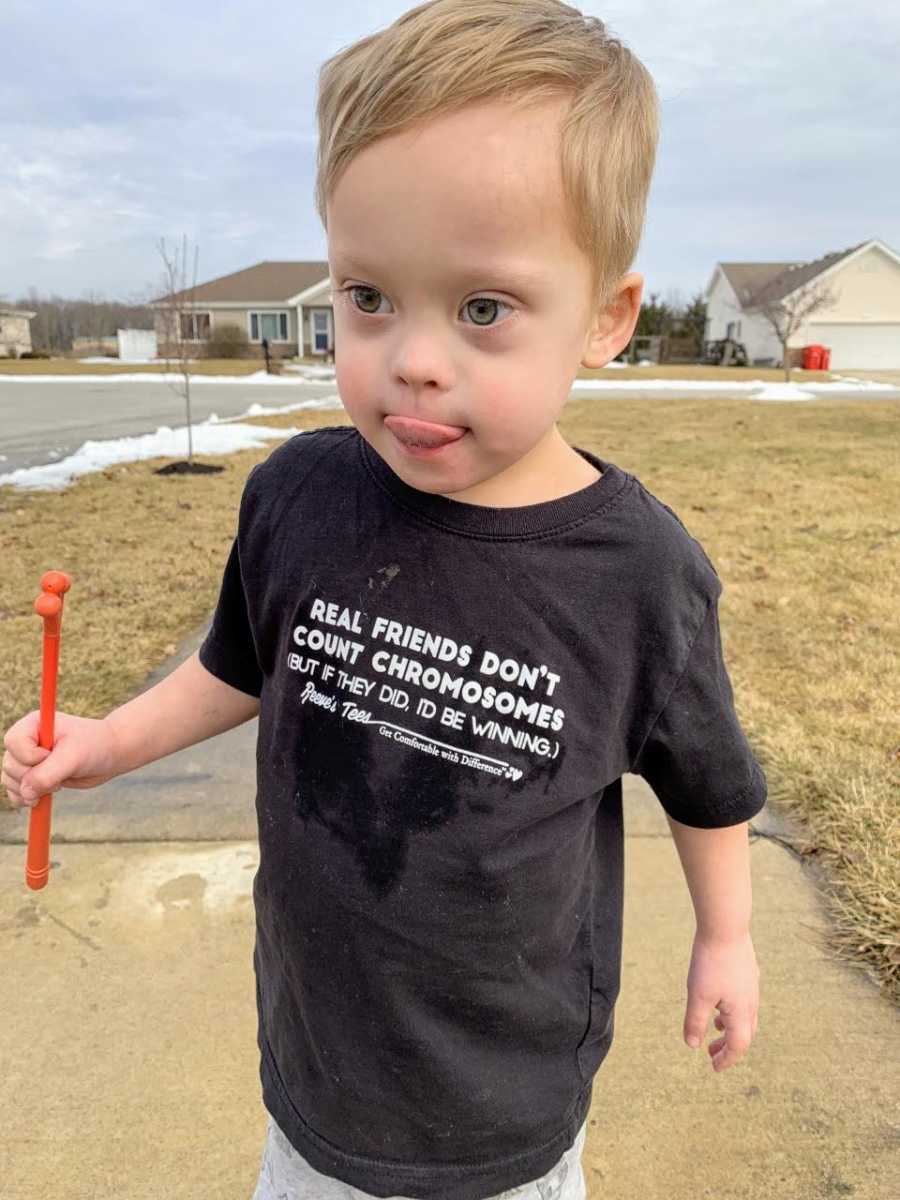
The first inpatient stay lasted twenty-six days. Oliver was diagnosed with Acute Lymphoblastic Leukemia, the most common pediatric blood cancer. His prognosis was good, but the stakes were high: chemo could have severe long-term effects, relapse was possible, and the treatment itself carried risks. I refused to be passive. This time, there would be no pity, no mourning—I would learn everything I could to fight for my son.
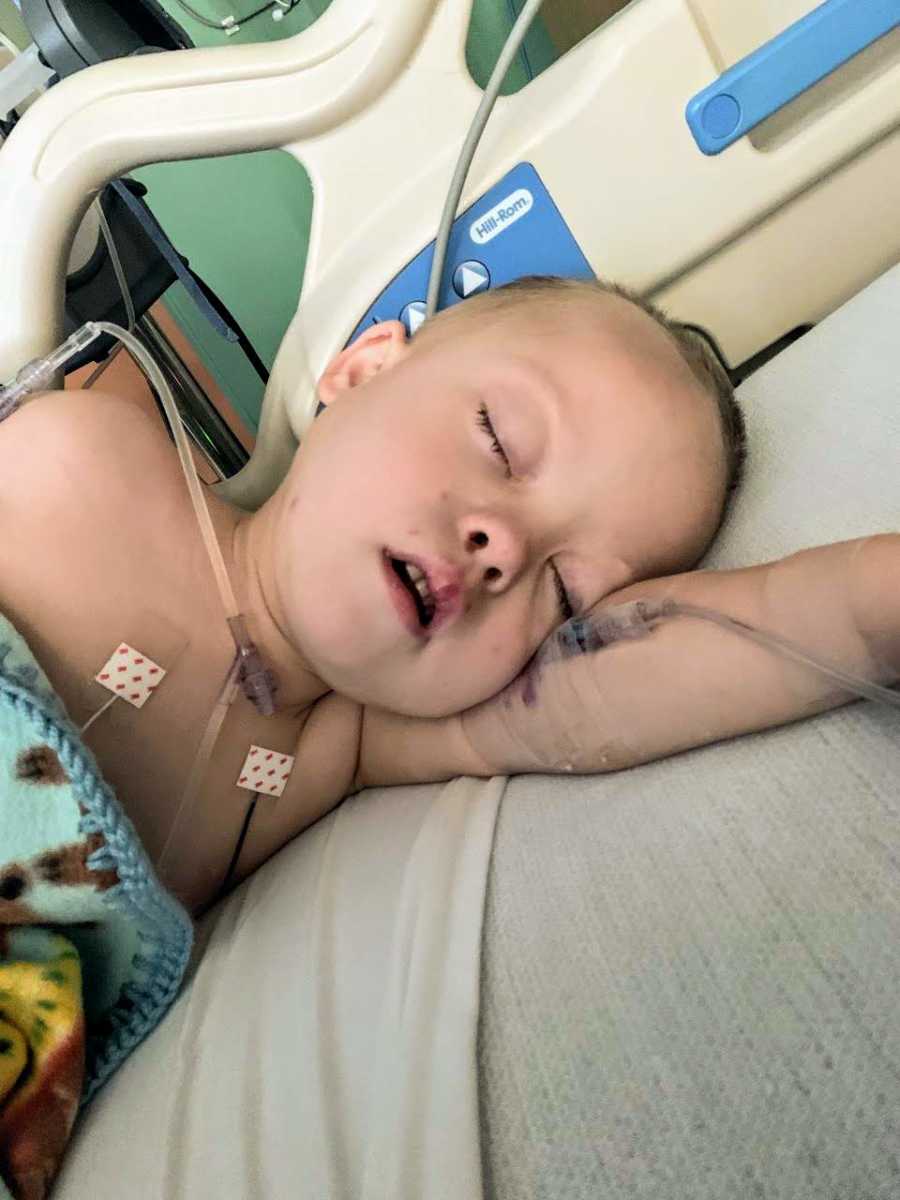
I learned to administer chemo through his PICC line and port, de-access his port, troubleshoot clogs, manage alarms, and master every medicine, every dose, every side effect. Calendars and lists became my lifelines. When his hair started falling out, we shaved it together, laughing at the adorable shape of his head. Fifty-five days after diagnosis, Oliver took his first steps again. Life felt almost normal, if you ignored the constant meds, tests, and appointments.
Then came neutropenia—a period of zero immune system—and twenty-two days of quarantined hospital life. He felt fine, but we couldn’t leave. We survived, like we always have, and returned home. Every time we near normalcy, another twist emerges.
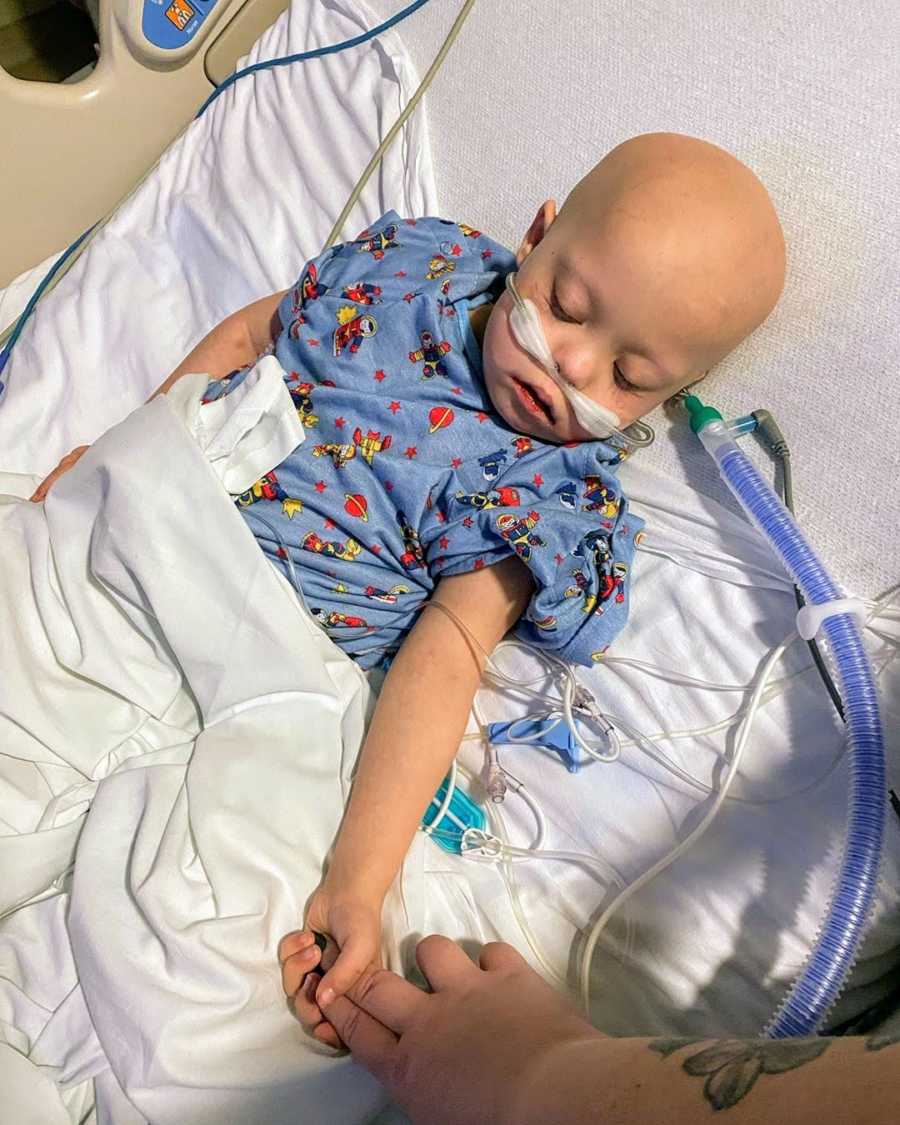
As I write this, we are on day thirteen of the most challenging inpatient stay yet. A simple fever became bacterial blood infection, respiratory failure, congenital heart failure, and sheer terror for me. Morphine allergies, IV nutrition, ketamine, antifungals, countless antibiotics—the days have blurred. He hasn’t eaten or walked in weeks. Yet today, Oliver smiled. Today, he laughed. Today, he ate.
The greatest lesson I’ve learned, from that first sixteen-week ultrasound to this current battle, is that nothing in life is permanent. Oliver has faced every challenge—Down syndrome, cancer, hospitalizations—and he has emerged triumphant. He has beaten the odds time and time again. We move forward, hand in hand, ready for whatever twist the road throws next. My son, my Oliver, is unstoppable, and with him, so am I.