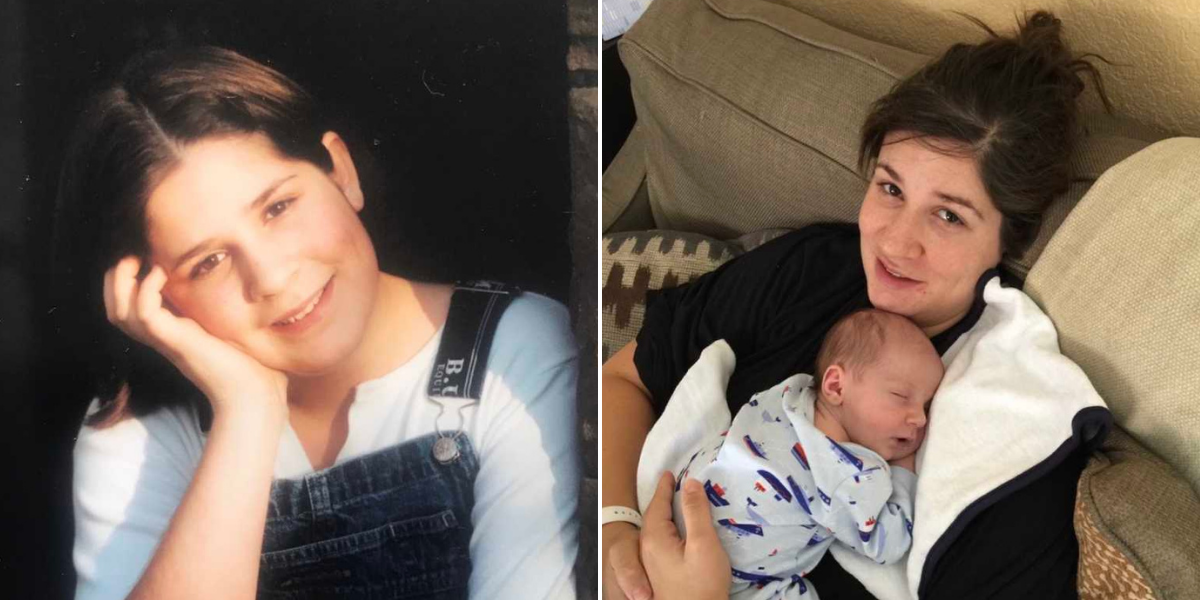
“‘Really? That’s what you’re going to eat for breakfast?’ I remember that moment in the kitchen vividly. I stood there, two pieces of cinnamon toast trembling in my hands, while every single one of my siblings had already buttered, sugared, and devoured theirs. And there I was, singled out by my grandpa, his look heavy with disappointment. That moment, small as it seemed, marked the beginning of a lifelong struggle with shame and my body.
It didn’t stop there. At family gatherings, I was the only one allowed just one scoop of ice cream. At the movies, an aunt would comment on the amount of popcorn I ate, while my cousins went unnoticed. Those early experiences left a lingering, gnawing embarrassment about my body and my eating habits that only grew stronger with time.
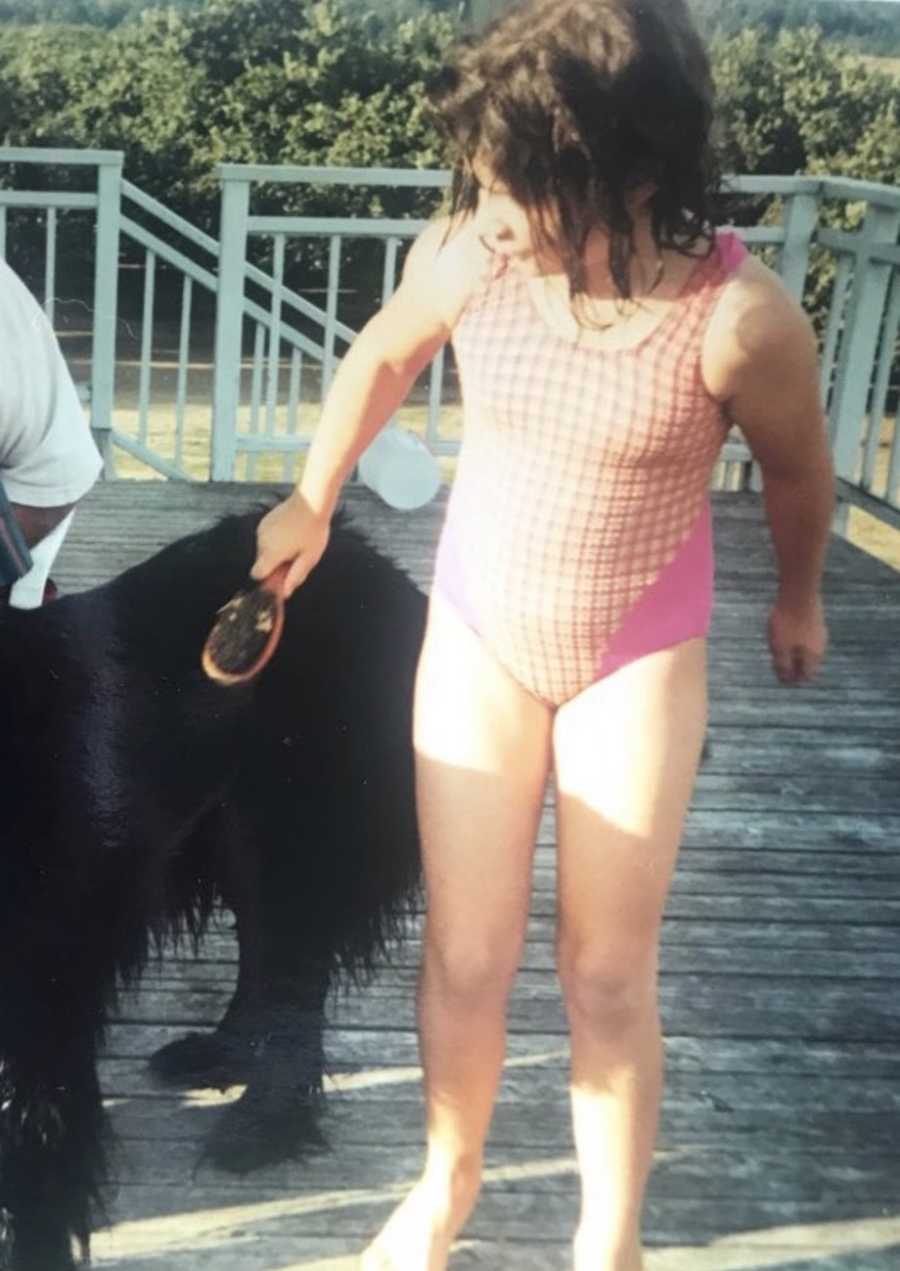
By age 11, I found Tae Bo, a popular workout video, and it became my obsession. Each morning before 6th grade, I’d wake up early to follow the routine in solitude. By 13, my dedication had escalated—I worked out daily, took diet supplements, and even tied a string around my stomach to remind myself to ‘suck in’ and train my abs. I ate lunch in the bathroom and lay on the tile afterward, doing crunches. Slowly, my body began to shrink. It felt like a miracle.
My mom took me shopping for new clothes, kids at school started noticing me, and family members praised my ‘health, discipline, and confidence.’ I soaked it in, believing I had finally fixed my ‘ugly’ body. But the praise was fleeting. The weight returned, even heavier than before. The shame was crushing, the disappointment overwhelming—especially my own.
One night, my mother sat me down. ‘Kylie,’ she said gently, ‘how would you like to do Weight Watchers with me?’ My heart lifted. ‘Really?’ I asked. ‘Yes!’ she replied, and for the first time in years, I felt hope.
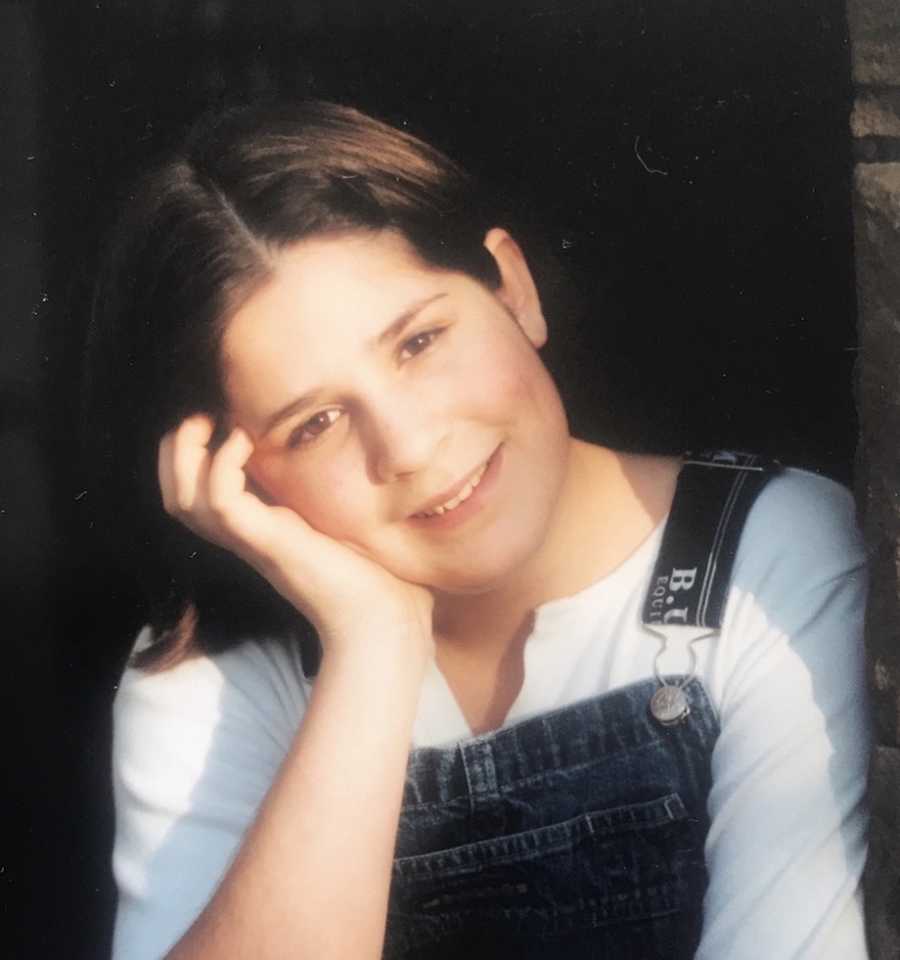
At 15, I began weekly meetings with my mom. Each session started with a stranger weighing me, sometimes commenting on a gain or a loss. The applause for lost weight was addictive. Stickers, badges, and compliments fueled my obsession. I memorized every tip from fellow members: throw away ‘bad’ food, track everything, bring your own snacks, stop eating after 7 p.m., plan every meal. My life became a constant calculation of numbers and points, with shame for any misstep.
By my early 20s, I had mastered a strict routine: weigh myself weekly, count and record every bite, exercise daily, plan every meal, check restaurant menus in advance. Even then, weight fluctuations continued, but I controlled them with endless energy, time, and money. Keeping my weight down had become my life—and I justified it as being healthy.
Then I got pregnant in my late 20s. Excitement mixed with panic. I couldn’t go to Weight Watchers while pregnant. In the first trimester, I craved ‘bad’ foods and struggled to eat vegetables without vomiting. Midway through pregnancy, we moved two states away, and depression set in. By the end, I had gained 75 pounds. I felt ashamed, disgusted, and terrified of my body.
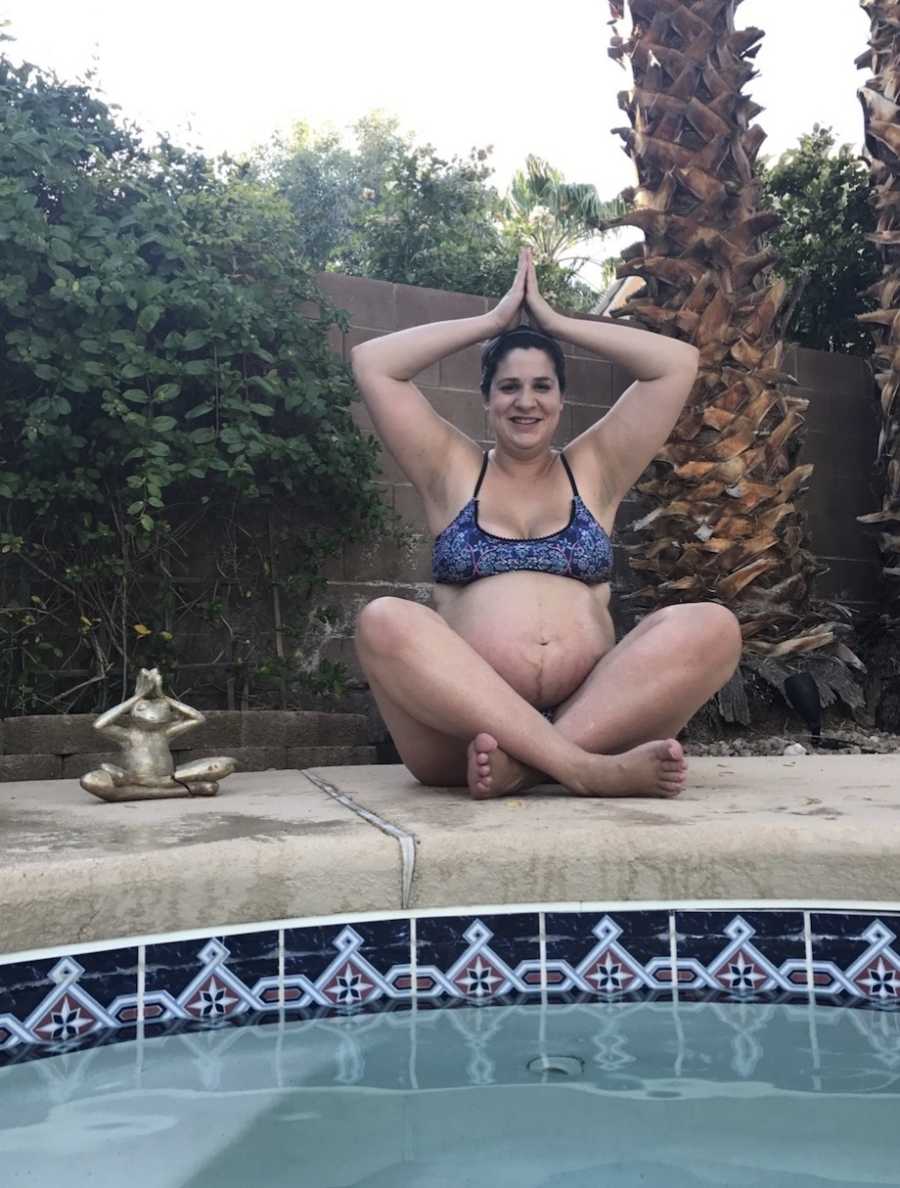
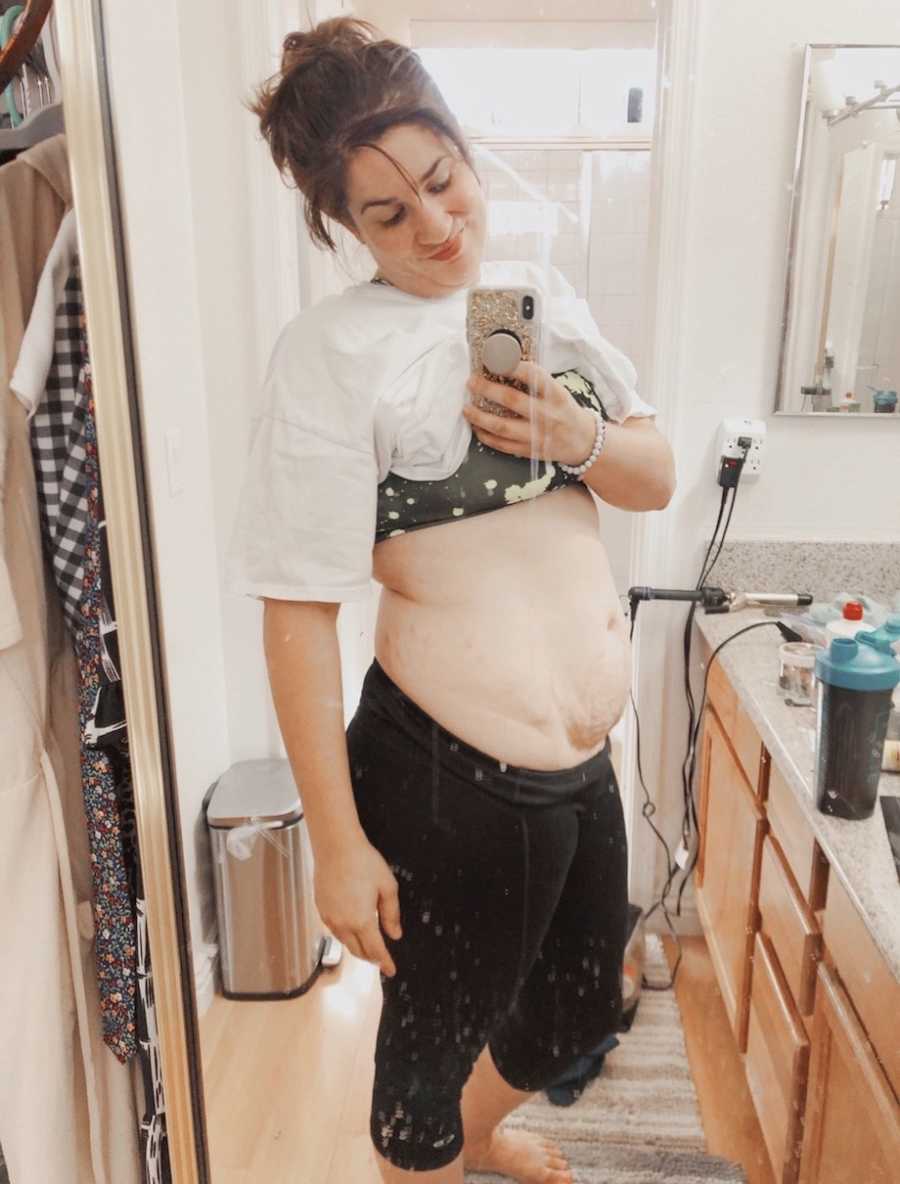
My baby boy arrived, but the obsession didn’t stop. Within a week, I was back at a Weight Watchers meeting, meticulously weighing, tracking, and measuring every bite. I even photographed my swollen postpartum body, determined to fix it. My son struggled to breastfeed, I fought to maintain supply, and I painstakingly lost just one pound a week. By his first birthday, I had shed 50 pounds, but at a tremendous mental, physical, and emotional cost. Then I became pregnant again.
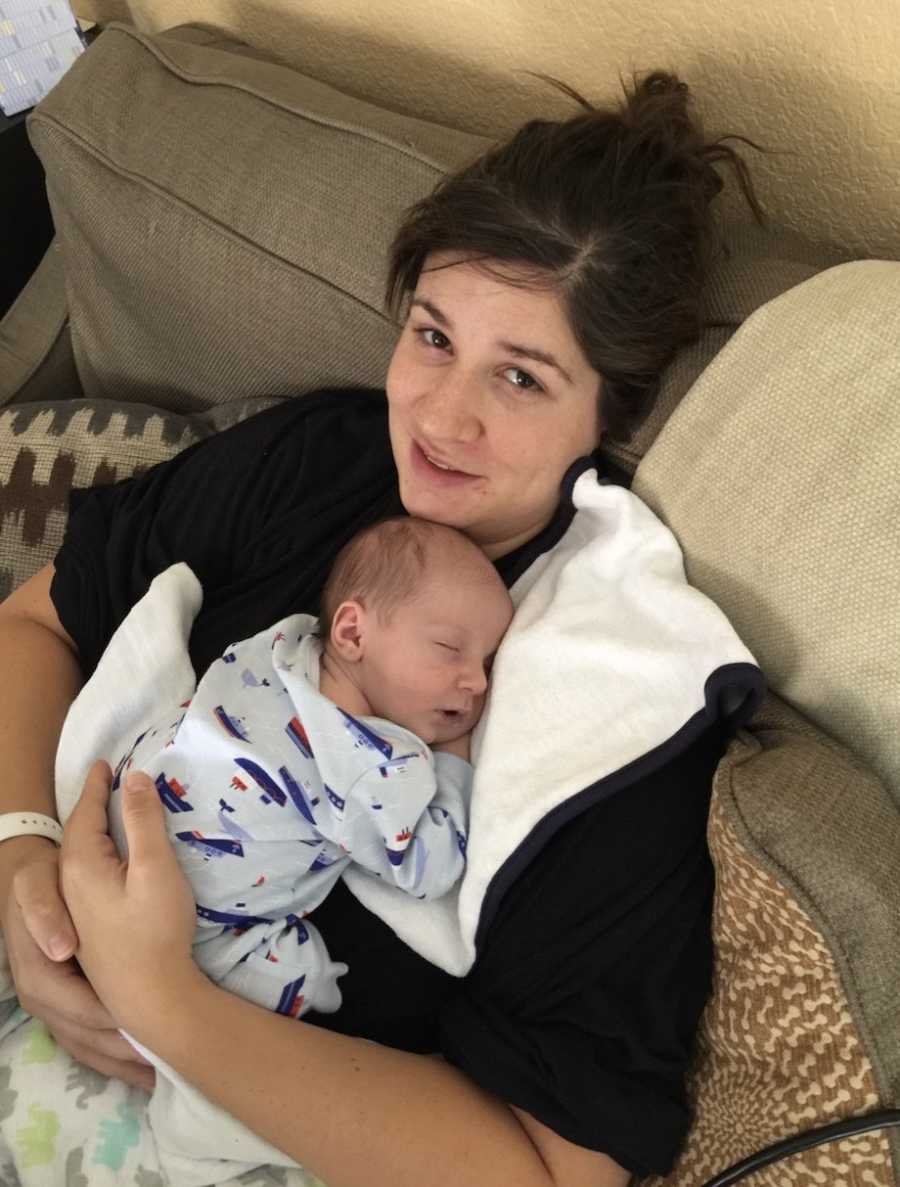
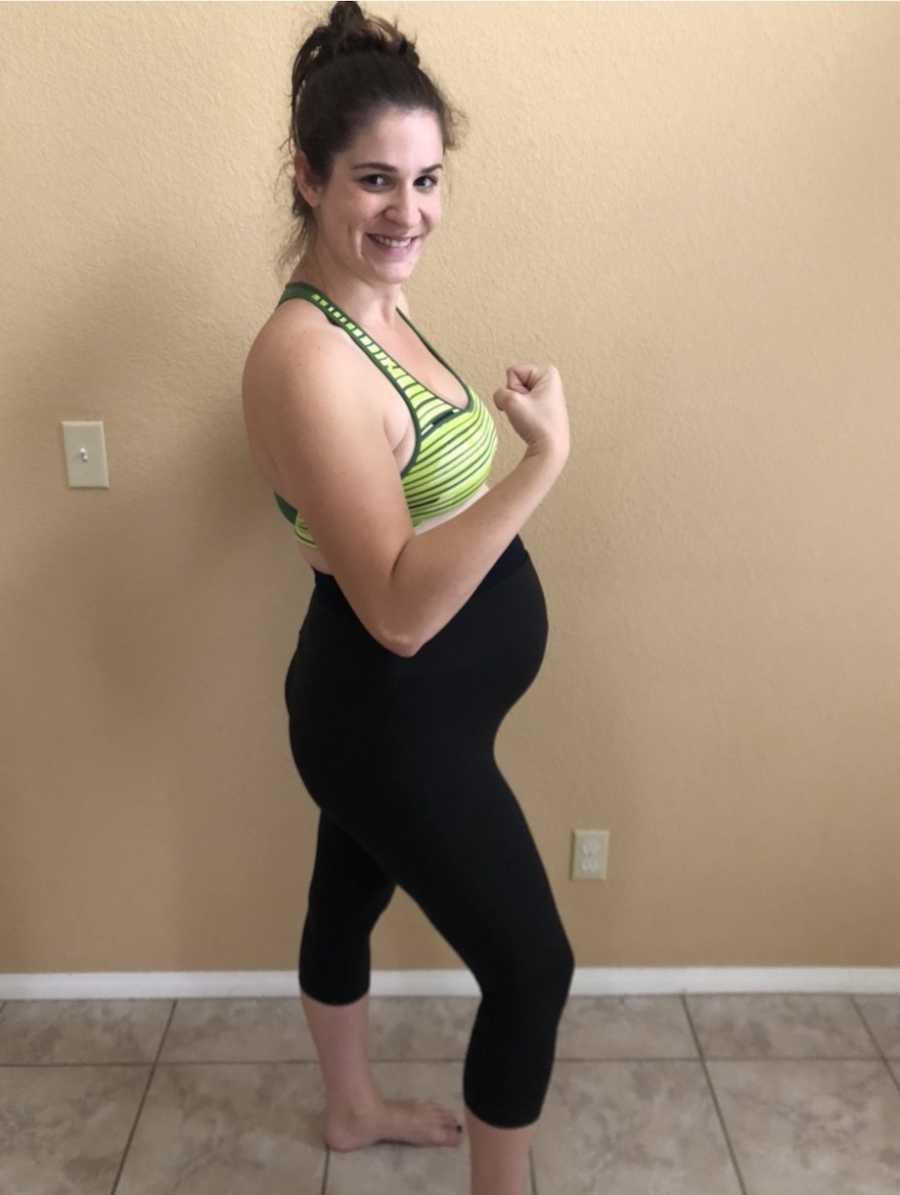
This time, I thought I knew better. I ate mostly naan bread and hummus in the first trimester. Midway through, I gained weight, but I worked out and incorporated more vegetables. Recovery was smoother, workouts helped my strength, and our baby girl arrived healthy. But back on the weight-loss grind, I hit a wall. Six weeks of dieting left me at starvation-level calories, and panic, mania, and uncontrollable cravings took over. I felt desperate, lost, and ashamed.
Then I discovered Jessi Jean on Instagram. She spoke of intuitive eating, a concept that sounded impossible at first. But the more I listened, the more I realized she was describing my life perfectly. In her Food Freedom Masterclass, she taught that giving yourself unconditional permission to eat frees you from obsession and bingeing. I hesitated, terrified, but reached out to her. On our first call, I cried through most of it. She listened, understood, and guided me into her program.
The journey was gradual but transformative. First, I gave up weighing myself, with my husband hiding the scale. Then I granted myself permission to eat whatever I wanted. I walked freezer aisles like a child in a candy store, bought multiple ice creams, and… never binged. The fear, panic, and shame that had defined food for decades slowly melted away. I realized I didn’t even crave ice cream—I preferred chocolate chip cookies.
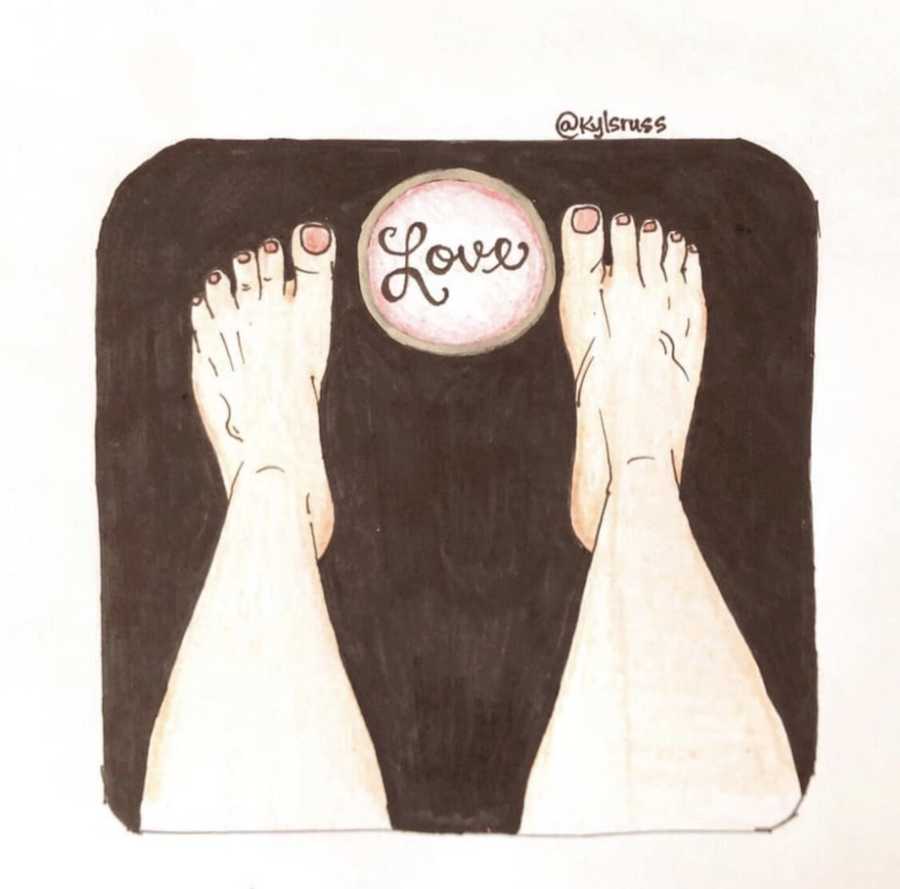
Almost a year later, I live in freedom. I no longer binge. I explore new restaurants with my husband without worrying about calories. I cook, try new recipes, and have completely released food guilt. There’s no scale at home, and my weight is irrelevant. I refuse to shrink myself to fit an ideal. My children see a vibrant, strong, and confident mother, focused on her life and values, not a number.
For the first time, I’m excited about my future. The energy I spent obsessing over my body has been freed for creativity and growth. I’ve begun making art again, with plans to sell my work. My husband and I are training for a triathlon, purely for the joy of it. I no longer sell myself short. I embrace my authentic self, beautifully flawed, healing in progress, and miles away from the shame that once controlled me. I can’t wait to see where life takes me next.”