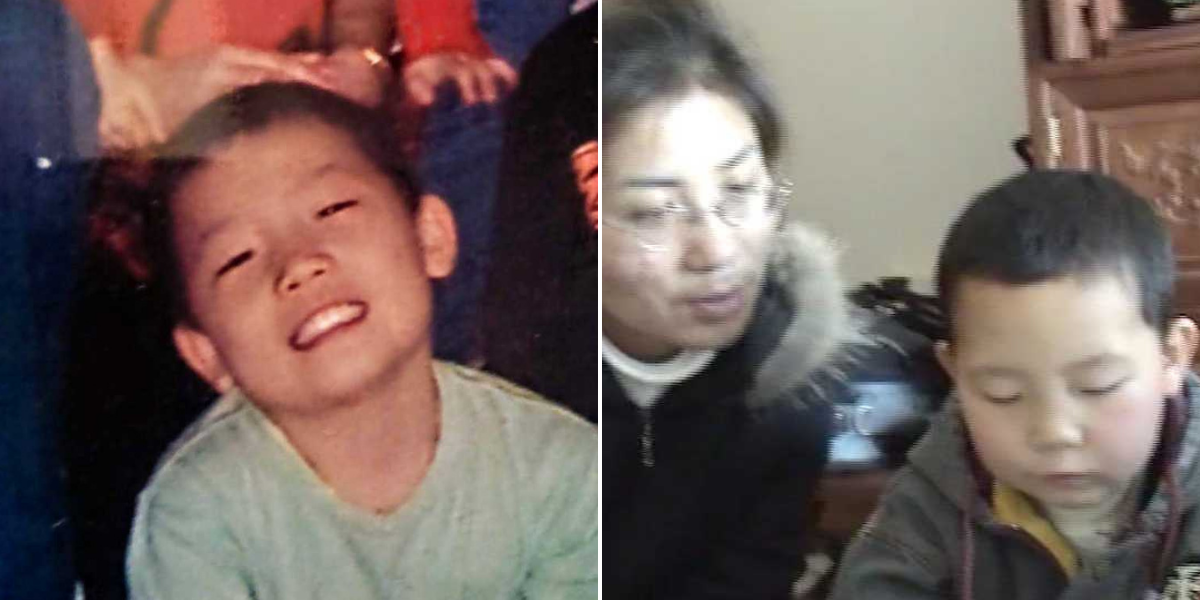
It all started with a fire—or at least that’s what I’ve been told by the people around me. The scars on my body are a daily reminder, even though I don’t remember the accident itself. I was only about a year old when it happened, and the pain is something my memory can’t reach. No one knows exactly how I was burned, but the theory is that there was an accident, and my family may not have been able to afford the medical bills. To save my life, they may have made the heartbreaking decision to give me up, knowing they might never see me again. This is just a theory—no one knows for certain—but it is the story I carry with me.
When I was a baby, I was found severely burned and in desperate need of care. On June 28th, 2000, an orphanage discovered me on its doorstep. A notice was placed in a magazine, stating: “On June 28, 2000, a one-year-old baby boy was found at the main gate of the City Social Welfare Institute. A large part of his body was burned.” The orphanage immediately took me in, treated my injuries, and integrated me into their system, pairing me with a temporary foster family. The injuries could have been fatal if no one had intervened when they did. I was fragile, my cries weak, barely able to drink milk or eat—but I survived. I was lucky.
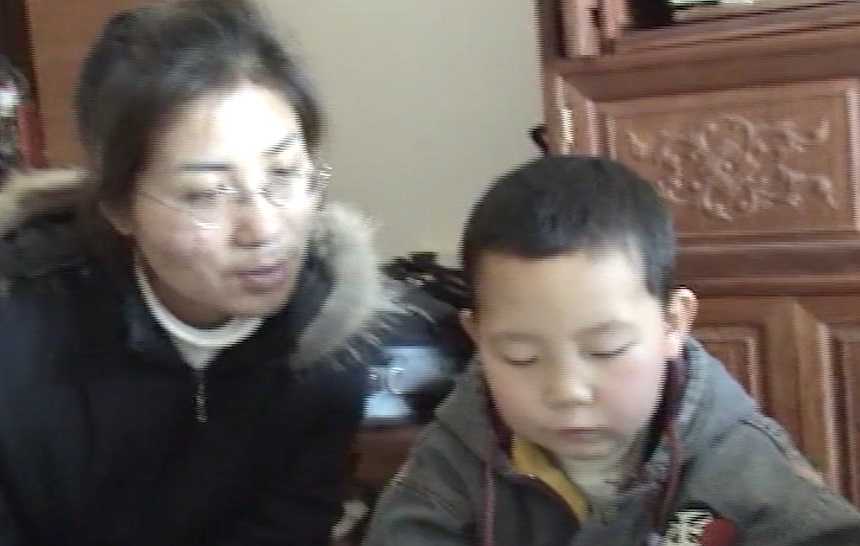
My foster parents were incredibly patient, understanding that I wasn’t like other children. After multiple surgeries, I essentially had no foot and would require a prosthetic leg eventually. The orphanage couldn’t afford one, so they improvised: I wore thick socks up to my ankle, and my shoes were tied as tightly as possible. That was how I learned to walk. I adapted, never letting my injury hold me back. This was only a temporary solution, though, until I could find a permanent family.
Growing up in the orphanage and with my foster family, I didn’t feel too different from other kids because I had nothing to compare myself to. Walking with my prosthetic—or rather, with the makeshift sock-and-shoe method—became my normal. I lived with the family for several years alongside three other children, whom I grew very close to. I helped care for my two younger siblings, while the oldest watched over me. Those years, though sometimes difficult, were filled with love and care, and I still miss them deeply.
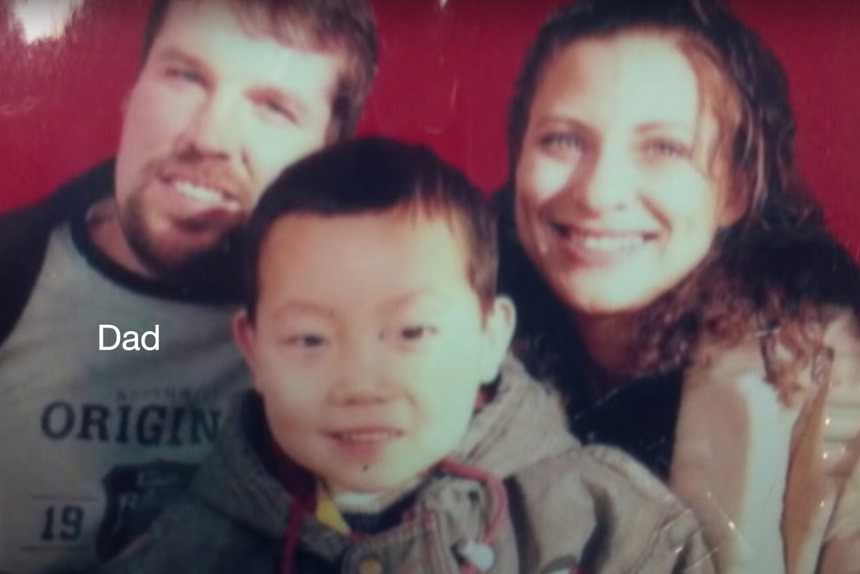
Then, in 2006, my life changed dramatically. A family from halfway across the world expressed interest in adopting me. I had no idea what adoption even meant at six years old. After a long wait and mountains of paperwork, I was preparing to leave for America. I didn’t know these people—they didn’t look like me or speak like me. They handed me gifts, my foster parents cried, and I had no understanding of what was happening. I thought the foster parents were my real parents and couldn’t comprehend leaving. I cried, and before departing, I gave away the new toys my future family had given me to my foster siblings as a way to say goodbye. Then, I boarded a plane to Seattle, Washington, unaware that this journey would transform my life forever.
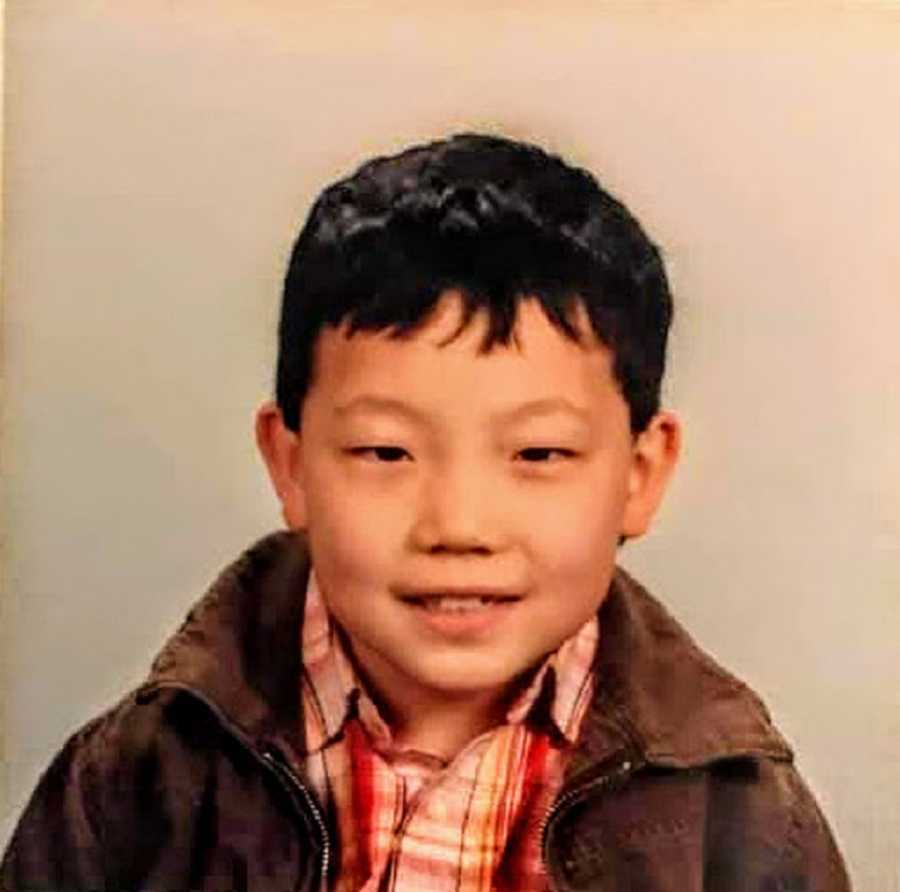
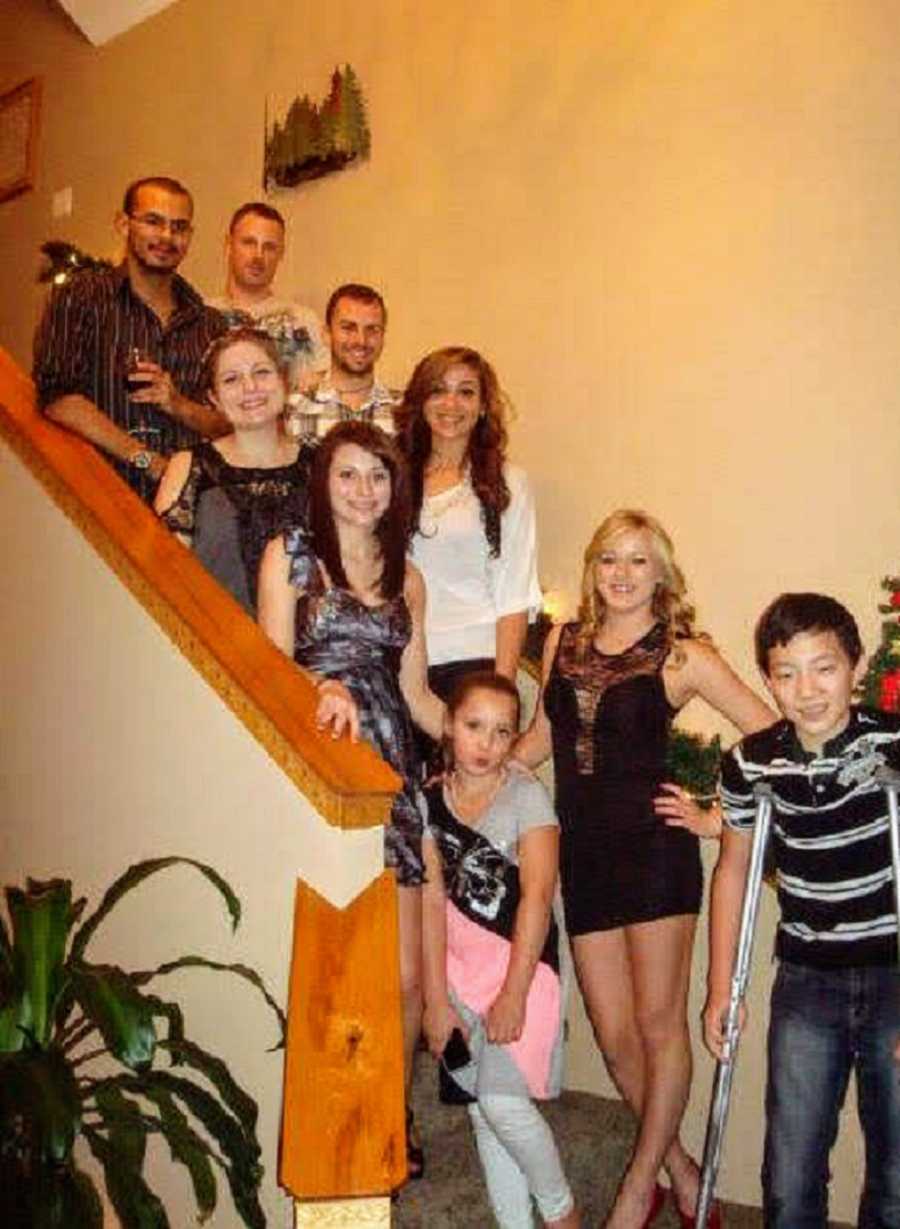
Adjusting to my new home wasn’t easy, but it didn’t take long. I quickly adapted to American culture. My new mother tried to get me to watch movies in Chinese, but I didn’t understand why—there were no other Asian kids around, and I had nobody to speak to in Mandarin. By the time I was seven, I had learned English quickly, and my Mandarin began to fade. My parents never hid the truth about my past and answered my endless questions. I was naturally curious and wanted to know everything about where I came from. I understood I was adopted because my mother was half Black and Caucasian, my father Caucasian.
Of course, questions about my past lingered: Why was I adopted? Did my biological parents not love me? How did I get burned? Why me? For years, I wrestled with these thoughts. But over time, I realized that life had given me a second chance—a chance to live, to grow, to be loved, and to thrive.
Now, looking back, I feel incredibly fortunate. I have a loving family, opportunities I never could have imagined, and a life in America that I am grateful for every single day. I do wonder about my biological parents and wish I could see them, to tell them, “I understand what you had to do, and I will always be grateful. Without your sacrifice, I wouldn’t have the life I have now. I don’t hate you; I just miss you.”
As of 2020, I am twenty years old and ready to begin searching for my biological parents. I don’t know what the chances are of finding them, but I do know it’s 0% if I don’t try—and that is enough for me. Even as I embark on this journey, I will continue to cherish the family who raised me, the foster siblings who loved me, and the life I’ve been blessed to live.