Dear John,
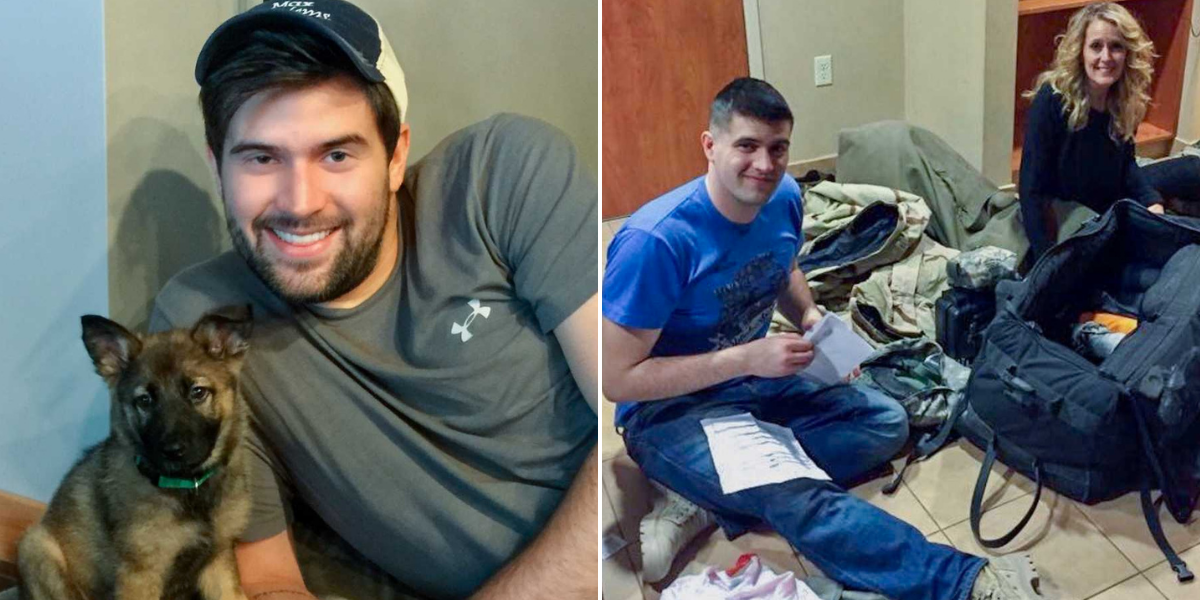
It has been 795 days since we found you. You died while we were sleeping. It was November 4, 2017, and we were only a few feet down the hall. When we went to bed that night—after you told us you loved us and took the puppy into your room—we had no idea it would be the last time we’d ever see you alive. You didn’t know either. I’ve been asked to share your story, but where does a story like yours even begin? How do I capture who you were, what happened to you, and what has happened to us since, in just a few paragraphs?
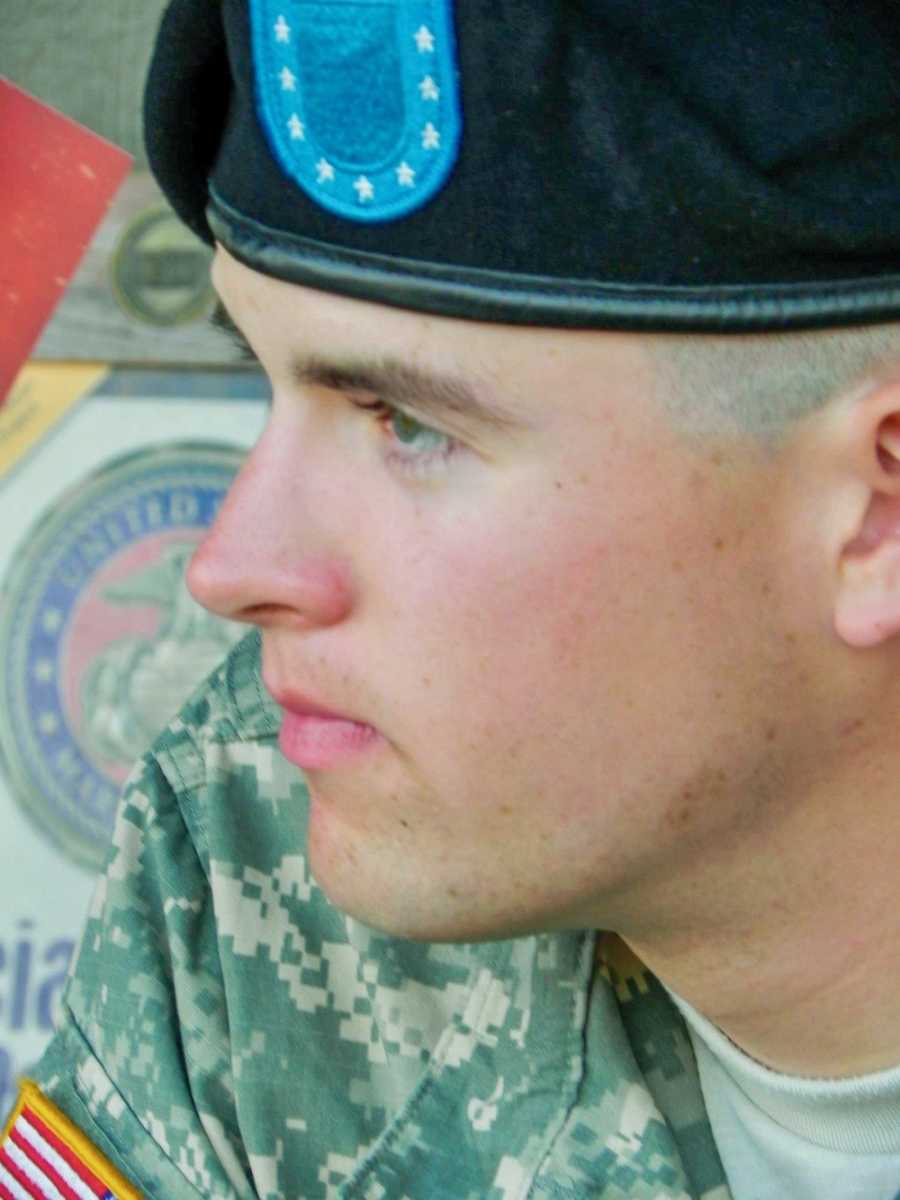
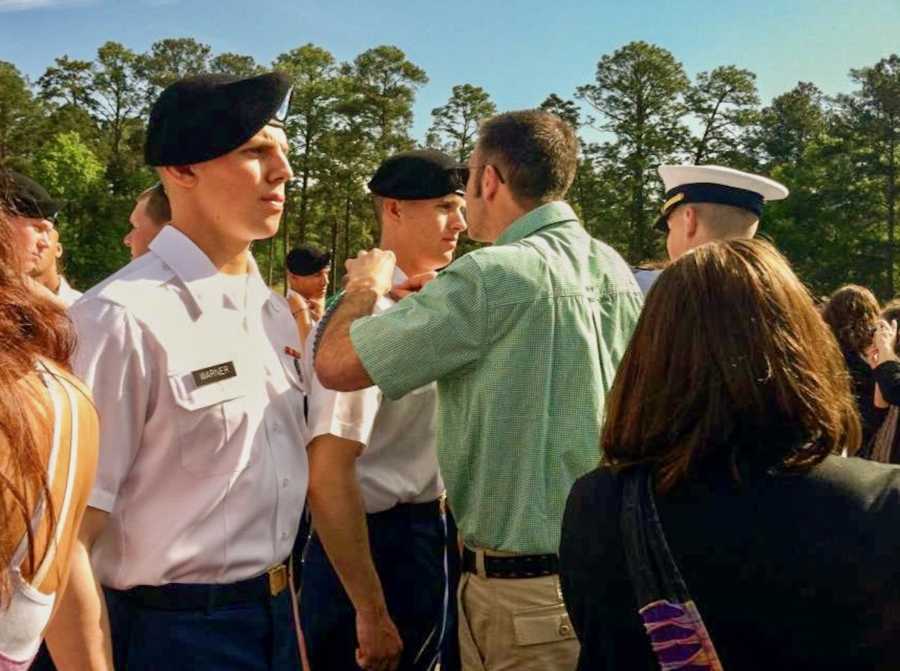
It was always your dream to serve your country. You joined the Army and headed to Fort Benning, Georgia, for infantry boot camp—exactly where you wanted to be. After graduation, you got your orders: Fort Wainwright, Alaska. We joked about it, said at least you liked the cold after growing up in Minnesota. You saw it as an adventure, though you had hoped for a deployment.
When you left, I stared at the distance between you and home—3,250 miles. You thrived anyway. As a private, they made you a vehicle commander of the Stryker. You worked your way up to specialist, and we truly believed you’d be a lifer. The military fit you so well. You loved the camaraderie, the brotherhood. Your fellow soldiers later told me you were a natural counselor, always there when someone needed help.
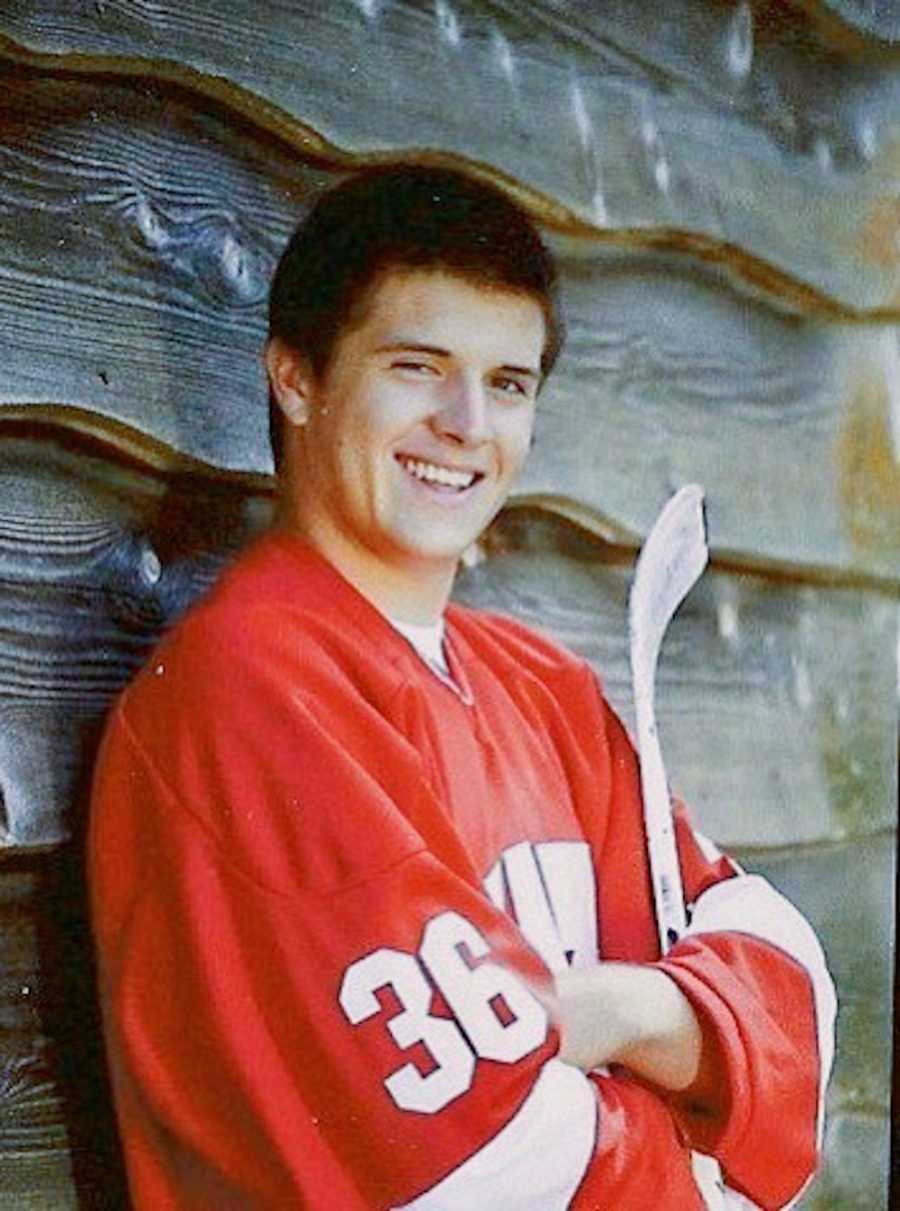
Hockey was your favorite thing outside the Army. You loved playing club hockey with the guys. I still remember ninth grade, when you asked if you could play and I said no because you didn’t even know how to ice skate. A year later, you didn’t ask—you told me you were playing. And you did. You were always a natural at almost everything. You stayed on JV, but you never cared. When we drove your truck up to Alaska, you made sure we brought every piece of your hockey gear.

When Dad got pulled over for speeding in Montana—the truck had a Hemi—the officer asked if we had any weapons. Dad said, “Just hockey sticks.” Ironically, it was that love of hockey that would eventually leave this hole in my heart.
You took a slap shot to the groin during a friendly game, and everything changed. You were so far away, with no one there to truly advocate for you. And you weren’t in any condition to advocate for yourself. For the next 16 months of your service, you lived with chronic pain. When I later went through your medical records, searching for answers, I counted nearly 250 pain pills—and not one trip to Anchorage to see a specialist. I had no idea how bad it was for you. How alone you must have felt. How those prescription medications wrapped around your mind like a snake.
I remember warning you to be careful when you mentioned pain pills. I wouldn’t even let you have them when you had your wisdom teeth out. And yet there you were, 3,250 miles away, slipping into addiction and unknowingly becoming a statistic in a war with no winners. In Minnesota alone, 422 lives were lost to this crisis in 2017.
You were discharged in April 2016, and it didn’t take long for us to realize something was very wrong. Once we did, we tried everything. You were stubborn—you only wanted care from the VA. I could write an entire book about what happened next, but I’ll only share a few moments.
You were denied care because the local post office sent back your mail and you missed an appointment. The envelope was missing our PO Box number. In a town of 200 people, that was hard for me to believe. We started again. Your liaison even stamped “EMERGENCY” on the paperwork.
Did you know the priority mail envelope with your hearing appointment was finally delivered to me four months after you died? It had been lost in that tiny building for an entire year. You truly can’t make this up.
We applied for help because of your pain, but you were granted disability for severe depression and anxiety. By that point, I think Dad and I would have qualified too. We paid for your surgery ourselves after finally getting you to see a urologist—something that was supposed to happen in Alaska but never did. The local urologist offered no hope, but an urgent care doctor knew of a newer surgery that had helped other athletes with groin injuries, including hockey players. It worked for most of your physical pain, but it didn’t touch the much bigger battle you were fighting.
Next, we focused on your depression. We got you seen locally, thanks to friends pulling strings to get you in quickly. We chased outsourced VA appointments all over the place, just trying to get you accepted into the system. At the same time, I was learning everything I could about substance use disorder—because that’s what it was. A disease. Not a choice.
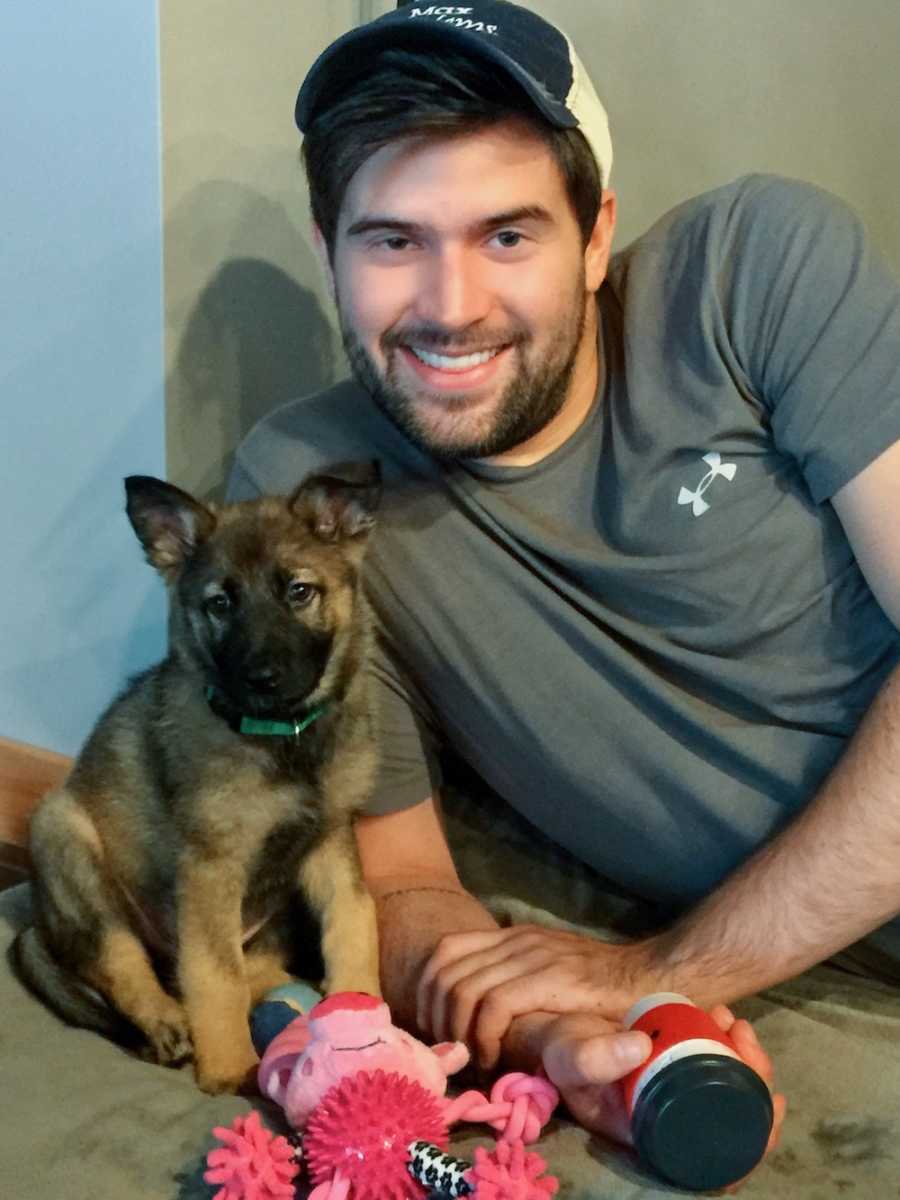
I remember you telling me how much you hated the addiction. And honestly, John, even if we could do it all over again, I don’t know if we could have saved you. That’s the most terrifying part. Things are changing now, but not fast enough. I once heard a doctor say that withdrawing from opioids is “inhumane,” and I believe her. I think you tried to quit on your own. I think you were violently sick and in unbearable pain. I wish I had understood that then. I wish I could have saved you. I would have traded places with you in a heartbeat, son. You know that.
We thought you were getting better. You seemed happier. You agreed to counseling and took your medications. The VA denied our request for EMDR therapy and suggested counseling over FaceTime. I knew you’d never open up to a stranger on a screen. When we finally got you in front of your healthcare team, they told you to keep taking your meds and they’d see you next year.
Why didn’t I go into that room with you and beg them for help? I had spent my whole life advocating for you and your sibling, and suddenly I was powerless. I wasn’t allowed to call or ask questions. You were over 21. You belonged to the government.
What you truly were was a victim of one of the greatest evils this country has ever seen. More than 70,000 people died in 2017 alone. I believe the total number is closer to 750,000 now.
When we woke up on the morning of November 4th to the puppy crying, you were ice cold. Your life was stolen by a drug we had never even heard of—fentanyl.
A part of us died that day too, son. I miss your smile and your laugh. I miss the way you pulled your socks over your army boots and tightened those laces just right. I miss your help in the kitchen. I even miss your smelly feet.