
As a southern woman, I’ve learned early on that politeness is often elevated above all else. We are taught, through countless experiences, that in nearly every situation, the correct response is to be agreeable—smile, nod, and maintain decorum—no matter what we are truly feeling. Instead of speaking our minds, we bless people’s hearts. Instead of sharing our honest thoughts, we hug graciously and keep our discomfort to ourselves. These lessons are ingrained, layered, and persistent. And while these experiences shaped me, I don’t want them to shape my daughter in the same way. I want her to know from the start that being polite is not always a requirement. That sometimes, honoring herself matters more.
Recently, I was at a lunch event with friends and relatives when two women struck up a conversation with me. The discussion started casually but quickly took a turn—they began saying disparaging things about a close family member of mine. My instinct screamed for a sharp response, a verbal sparring match, but instead, I smiled politely, nodded, and said nothing. I swallowed the words I wanted to speak and kept the peace.
Later that year, my family and I were out for lunch at a local restaurant when we were seated across from a chatty, elderly couple. I’m accustomed to interactions when we’re out with our kids; there’s nothing like the energy of little ones to get strangers talking. But the issue wasn’t what the man said—it was his assumption that he could insert himself fully into our family lunch. I felt uncomfortable, crowded, and intruded upon. Yet again, I said nothing, let the conversation continue, and remained polite.
Afterwards, I felt a familiar pang of frustration and wanted to share it with my daughter. I wanted her to understand that she doesn’t have to quietly accept discomfort for the sake of someone else’s feelings. Pulling her aside, I crouched down to meet her eyes and told her, “I want you to know that it’s always okay to not interact in situations like that. If someone makes you uncomfortable, it’s completely fine to say that you’re not interested in engaging.”
She looked at me, blankly, and asked the question that has stayed with me: “Well, why didn’t you?”
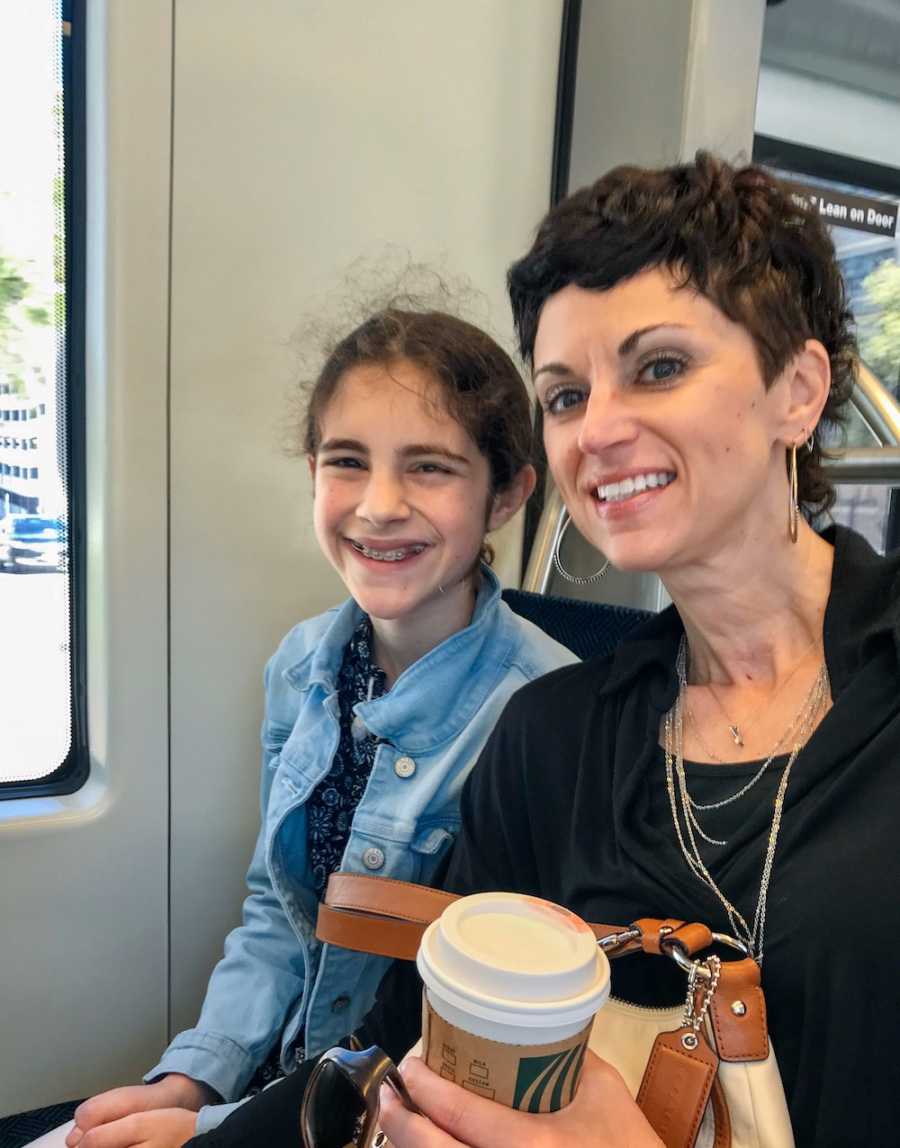
Her words cut deep. I realized, once again, how often I have prioritized others’ comfort over my own feelings, opting for politeness instead of honesty. The old man’s intrusion shouldn’t have outweighed my desire for privacy. The women’s cruel remarks didn’t deserve my protection. My feelings—my right to be heard and respected—matter. And I want my children, especially my daughter, to understand that theirs do too.
I want her to find the balance I wasn’t always taught to seek. I want her to understand that while respect and politeness are important, bravery and honesty are equally vital. It’s okay to be scared. It’s okay to speak up anyway. She doesn’t have to sacrifice her feelings to maintain the comfort of others.
So, is it ever okay to ruin the lunch?
As a mother raising a daughter, I’ve realized that teaching her this lesson requires more than words. I must model it, show her through action that it’s safe to honor your own voice. I must demonstrate that politeness is a choice, not a mandate.
To all the women navigating this delicate balance, and to my daughter and all the girls growing up with her, I say emphatically: yes. It is okay. It is okay to disrupt the moment, to speak your truth, even if your voice shakes and it feels terrifying. Take up space unapologetically. Express your feelings boldly. And remember: being polite is not a requirement. Being you is enough.