“Tell me if he’s an alcoholic. There’s no way I would ever be with an alcoholic.”
I stopped by my dad Danny’s restaurant, L’acajou, on my way home from the final day at my job. I’d been celebrating nonstop—margaritas at my going‑away lunch, beers on the walk back to the office with friends, and a joint in the stairwell. By the time I left, I was completely wrecked, carefully weaving my way up Sixth Avenue. On impulse, I ducked into the restaurant to say hi to Danny and ended up sitting at the bar beside Will, the daytime chef, sipping his end‑of‑shift drink. Will had that downtown bar‑guy look—black jeans, black button‑down, black boots. Aloof. Older by nearly a decade. Always with a Kool cigarette nearby. Heartbreakingly cute.
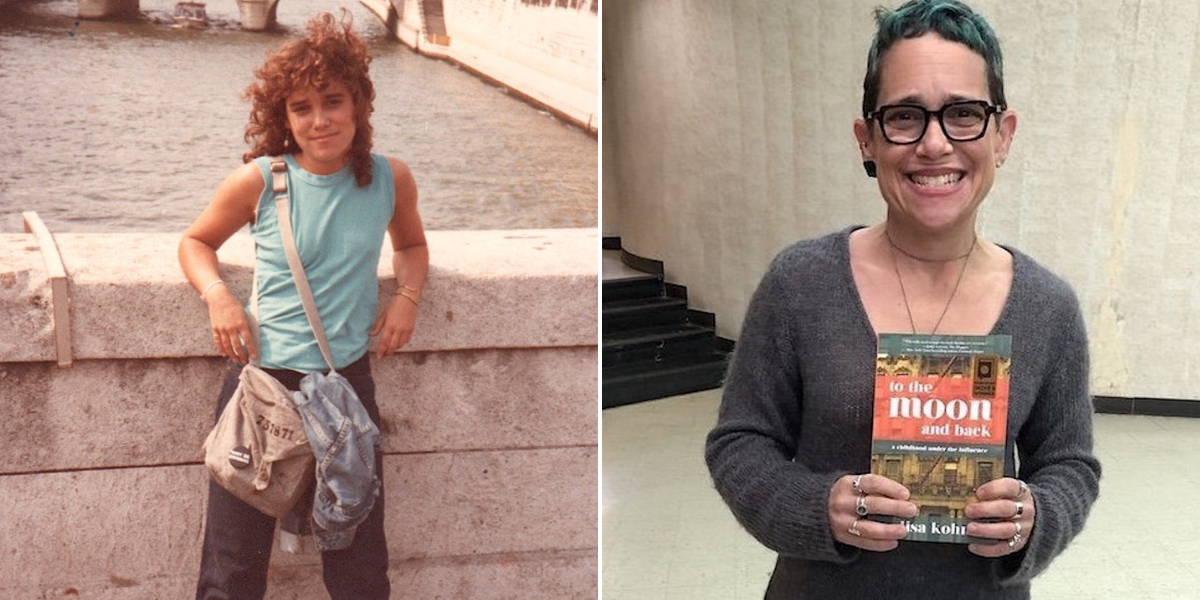
I’d had a quiet crush on him for years. Fueled by everything running through my system, I struck up a conversation. To my shock, he talked back—and then asked me out. My hand trembled as I scribbled my phone number inside a matchbook.
Two weeks later, Will took me to a college graduation party for his ex‑girlfriend. She was younger than I was. He’d started dating her when she was underage, and it had caused a scandal. We drank heavily, and by the time we crawled into my loft bed, my jealousy and insecurity were roaring. I was determined to make things real, convinced that sleeping with him would somehow anchor him to me.
We did. I woke up alone. No note. Nothing. I dragged myself to work, frantically calling around, stunned by the humiliation. When I finally confronted him later that day, he shrugged. “I just had to go.”
“Let’s get together tonight,” I said anyway. And just like that, I plunged deeper.
Will drank—a lot. Our dates were bar tours, hopping from one spot to the next, drinking until dawn, sometimes scoring cocaine, while I still managed to show up at work in the morning. Other nights were deceptively quiet: cooking dinner, watching TV, until he’d slip out for cigarettes and vanish. I’d pace our tiny living room or sprint through nearby bars looking for him. “Where were you?” I’d yell when he came back. “I just stopped for a drink,” he’d say. “No big deal.”
It was a big deal to me. Everything became a big deal. His relationship with alcohol shredded my self‑esteem and left me desperate for air. And when he drank, he was cruel.
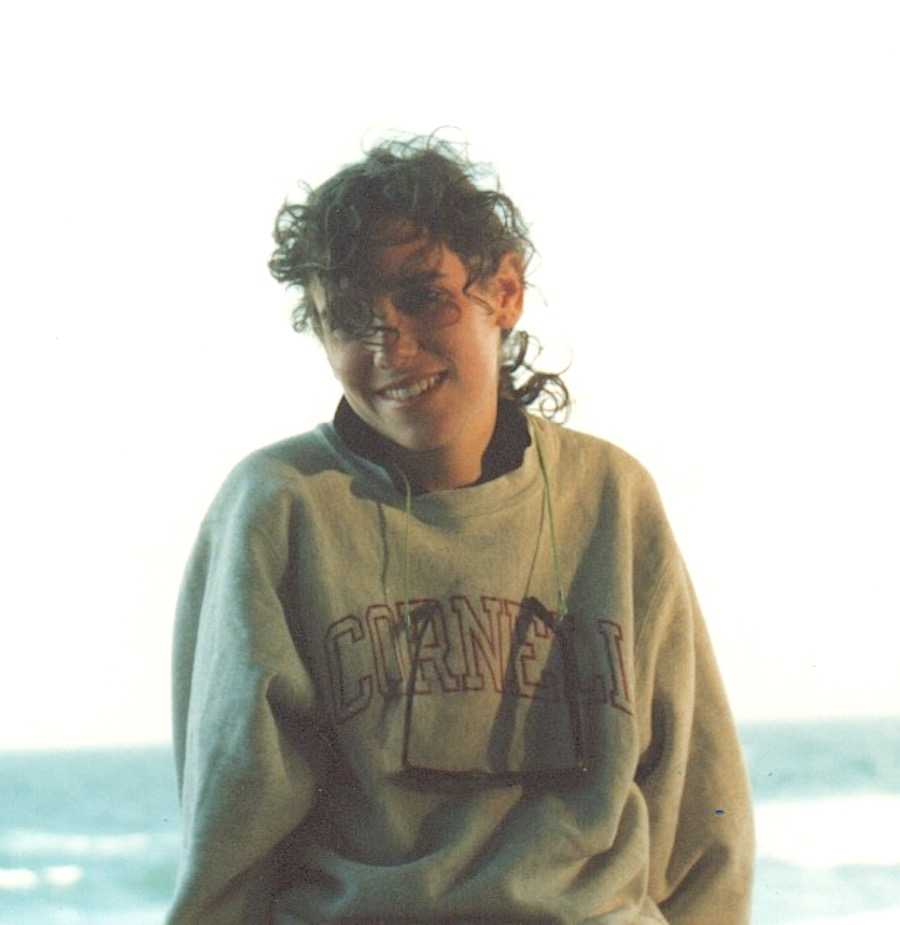
Will insulted me relentlessly—called me dumb despite my Cornell degree, mocked my intelligence, told me I was fat while knowing I battled anorexia. Even though I had a steady job and savings and he lived week to week with five dollars left in his pocket, he insisted I was the incompetent one. He seemed to know exactly where I was vulnerable and pressed there again and again.
We fought constantly, though I can barely remember what about. His drinking. His disappearances. The screaming and crying blurred together. I’d heard his relationship with his ex had been violent. I wasn’t proud to realize I’d crossed that line too—hitting him twice. It terrified me.
Still, I clung to him. Even after he slept with a waitress from L’acajou while I was away, I begged him not to leave. We broke up and reunited endlessly. When things felt good—or pretended to—he’d propose, but only when drunk. “Ask me when you’re sober,” I’d say.
Eventually, he did. At a Chinese restaurant near his apartment, stone‑sober, he proposed again. I said yes, wanting it to be the right answer even as my chest tightened.
From there, things worsened fast. Will moved to nights, drank more, came home later—if at all. Then my cousin Bobby took me to lunch and listened quietly. “Go to the support group I told you about,” he said. “It’s for people involved with alcoholics.” I bristled. I would never be with an alcoholic.
Four months later, Will and I moved into a beautiful one‑bedroom on the Upper West Side—fireplace, balcony, a dream apartment that became a nightmare. When his sisters visited, they cornered me. “Lisa,” they said gently but firmly, “he’s an alcoholic. You have to help him.”
That Wednesday night, I found myself in a church basement on Eighty‑Sixth and Amsterdam, heart pounding, desperate to leave. The room was packed. Everyone looked normal. My mind repeated one question: Tell me if he’s an alcoholic.
I wanted rules. A checklist. Proof that I wasn’t here. I didn’t yet understand how my history—my father’s drinking, generational addiction, growing up in a religious cult—had quietly led me here.
One night, I wandered into a meeting for adult children of alcoholics and froze as the traits were read aloud. Low self‑esteem. Fear of anger. Guilt for standing up for ourselves. Every word landed. I cried silently, stunned by recognition.
Meanwhile, Will’s drinking escalated. I lay awake at night listening for footsteps, pretending to sleep when he finally arrived, only to be dragged into drunken arguments about our future. I postponed the wedding. I hated the smell of Scotch on his skin, the martinis that made him vicious, the delusions that turned him into God himself.
At the same time, my body began to fail me. Numbness crept down one side. The doctor didn’t dismiss me. Tests followed. A neurologist suspected a stroke. I was twenty‑four. Terrified. Alone. The MRI eventually came back clear—a viral nervous‑system infection—but the message was unmistakable. My body was begging me to stop.
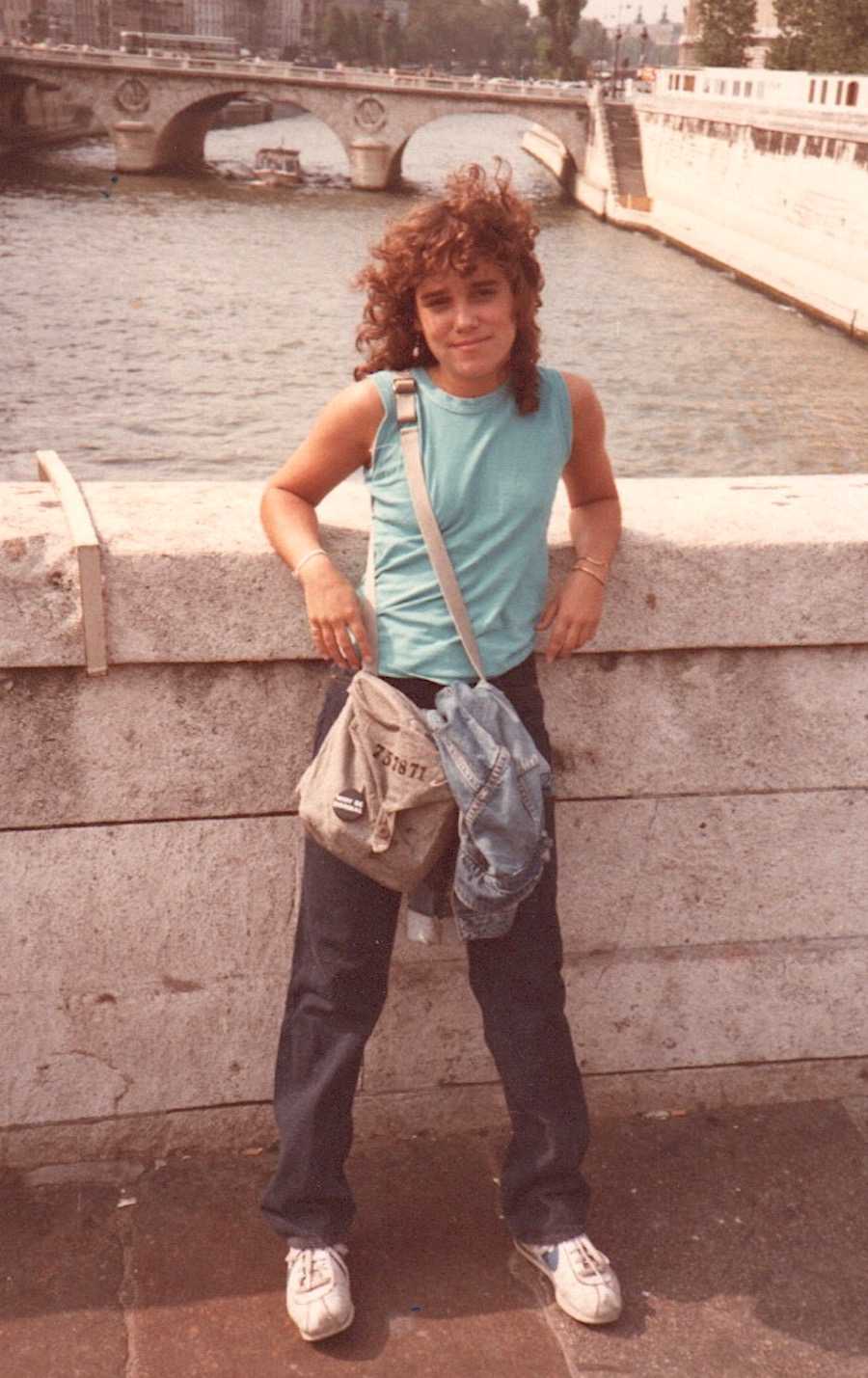
I still tried to convince myself I could marry him and survive. I wasn’t fine. At a lunchtime meeting at St. Patrick’s Cathedral, after sharing my story, a man hugged me and said quietly, “There are no victims. Only volunteers.”
Something shifted. I finally understood I had a choice. I didn’t have to endure this to prove my strength. I didn’t have to stay.
I was only twenty‑four.
I decided to leave Will.