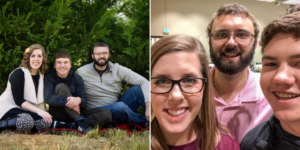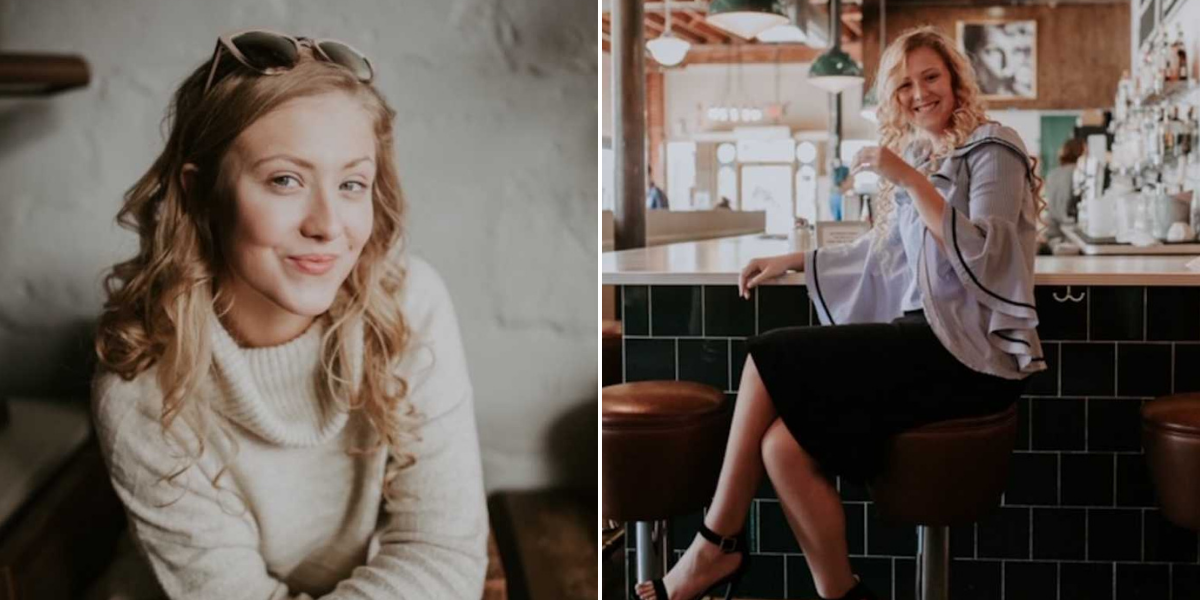
Growing up, I wanted to be involved in everything. From playing sports to singing at church, I wanted to be right in the middle of it all. I craved inclusion. I wanted to feel like I belonged, like I mattered, like I was part of something bigger. I’ve always been competitive and driven—I wanted to be the best. But whenever I got excited, stressed, or upset, I would suddenly feel lightheaded and dizzy. My head would spin, my vision would blur, and I’d feel like I might pass out. I assumed it was normal. I didn’t know any different.
December 2013
It wasn’t until my freshman year of high school that I realized something was seriously wrong. I was playing basketball, a sport I loved because it made me feel connected and part of a team. But I couldn’t keep up. During practice runs, it felt like the entire room was spinning. I struggled to breathe, struggled to focus, struggled just to stay upright. Still, I told myself I was making excuses. I thought I was being lazy or weak. I’ve always pushed myself to excel, no matter the cost. But that month, something changed, and I could feel it deep down.
January 2014
My symptoms escalated quickly. My vision and hearing started to fade in and out. Every time I stood up, it felt like the ground was shaking beneath me. Teachers began to notice and grew concerned. One morning in first period, I stood up, and it felt like a train slammed into my body. I grabbed the desk, trying to steady myself, and slowly collapsed to the floor. The embarrassment was overwhelming. As an overachiever, being the center of attention—especially in that way—was humiliating. Mrs. Mann sent me to the front office to call my mom. I remember barely being able to stand, telling myself, Pull it together, Jen. I convinced myself it had to be in my head. I told myself I was making it up, that nothing was actually wrong, that maybe I just wanted attention. And somehow, I truly believed it.
February 2014
My mom knew better. She could see that something wasn’t right. I tried to go to school almost every day, but more often than not, I’d end up calling her because my body simply couldn’t handle it. She drove me to countless doctor appointments. My primary care doctor, Dr. Kristen Stevens—who had cared for me since I was six and was a family friend—sent me everywhere: a cardiologist, an ENT, an allergist, a rheumatologist. We searched endlessly for answers. But none came. Instead, I kept hearing, “I think you’re depressed.” And sure, I was depressed—but I was depressed because I was sick. My head felt like it was filled with cement. Every day felt unreal, like I was living in a fog. I struggled to think clearly or finish sentences. I wanted to live my life, but my body wouldn’t cooperate. Friends didn’t understand. Many people didn’t believe me. My prayers felt empty as I cried out, asking God what I had done wrong and why I felt this way.
March 2014
I’ll be brutally honest—by this point, I had given up. I convinced myself I was losing my mind. I wondered if I needed to be institutionalized. We had seen nearly every specialist except one: a neurologist. I remember that appointment vividly. After examining me, he said, “I’ll be honest—nothing appears to be wrong.” I braced myself for another lecture about depression. But then he continued, “Something must be happening for you to feel this way. Let’s do an MRI of your brain and spine, just to be sure.” I felt defeated. More tests. More waiting. My hope was gone.
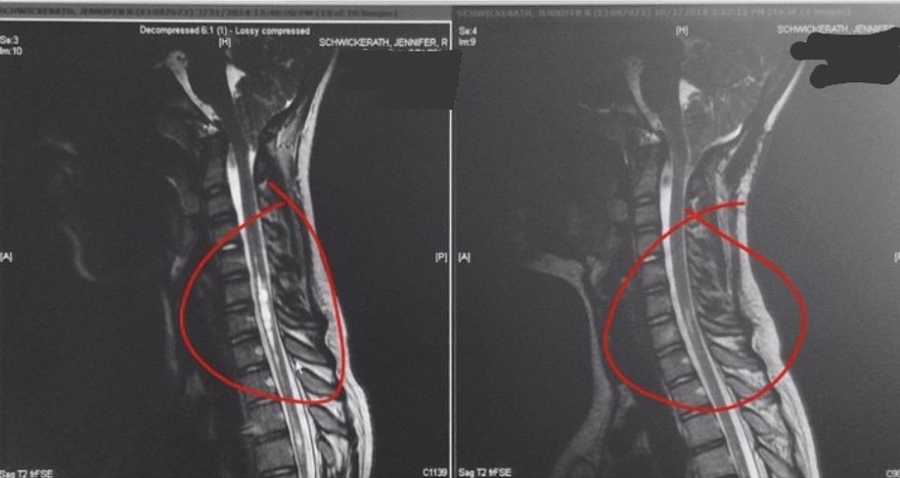
March 21, 2014
MRI day. I was exhausted, angry, and bitter. The imaging center was cold. I changed into a gown and lay on the table, convinced they wouldn’t find anything. I had an IV placed and slid into the machine, losing track of time as tears streamed down my face. I felt like my life was over at fifteen. When it was finished, the technician pulled up the images, looked at me, and said, “You’re going to need a neurosurgeon.” I was stunned. A what?
April 2014
Soon after, we drove from Tulsa to Oklahoma City to OU Children’s Hospital—two hours that felt like a lifetime. My parents and sister came with me. The hospital didn’t look like what I expected. It was colorful, filled with laughter, and somehow comforting. We sat in the car and prayed for guidance. When the neurosurgeon entered the room, peace washed over us. She explained everything clearly and compassionately. I finally had answers.
I was diagnosed with Type 1 Chiari Malformation—a rare, chronic brain condition. My skull was too small, forcing my brain into my spinal canal. Fluid was building in my spine (syringomyelia), putting me at risk for paralysis. I needed decompression surgery immediately. She would remove part of my skull and my first vertebra to relieve the pressure. There was no cure—only management.
Oddly enough, I felt relieved. I wasn’t crazy. I wasn’t weak. I wasn’t making it up. I was sick—and it was real. My surgery was scheduled for May 7, 2014.
May 2014
I was terrified. I read too much online. I wrote goodbye letters. I begged my parents for a short trip to Branson before surgery, afraid it might be my last happy memory. Death wasn’t my only fear—paralysis, blindness, deafness haunted me.
May 7, 2014
Surrounded by family and faith, I joked my way through the morning, hiding my fear. As they wheeled me into surgery, I prayed silently. Then everything went black. I woke up in the ICU. The pain was unbearable. The surgeon later told us that if we had waited two more weeks, I would’ve been paralyzed from the neck down.
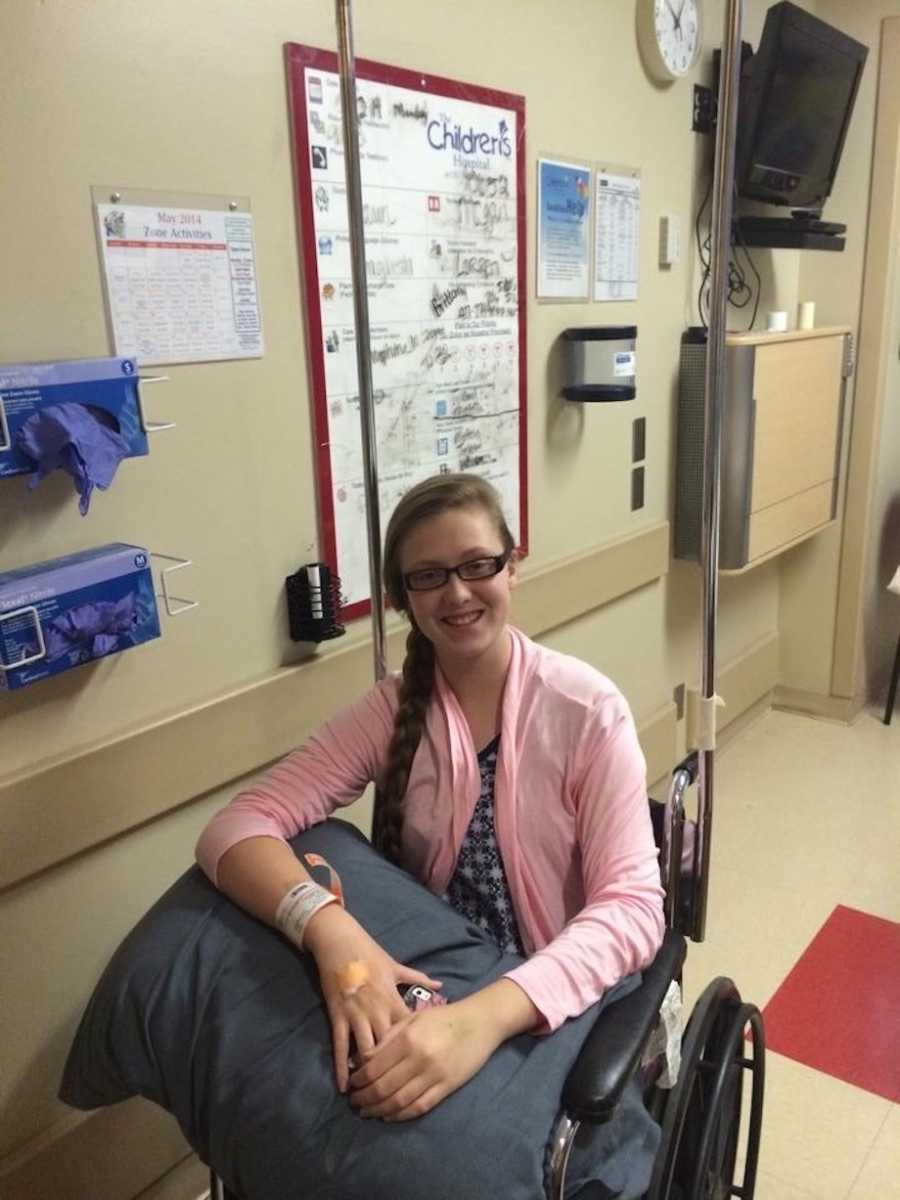
Recovery was brutal. I needed help with everything. Walking was slow and painful. One day, I saw a young boy in a wheelchair, his face scarred, smiling and waving at me. In that moment, something changed. I knew my purpose. I told my mom I would go into the medical field and help kids.
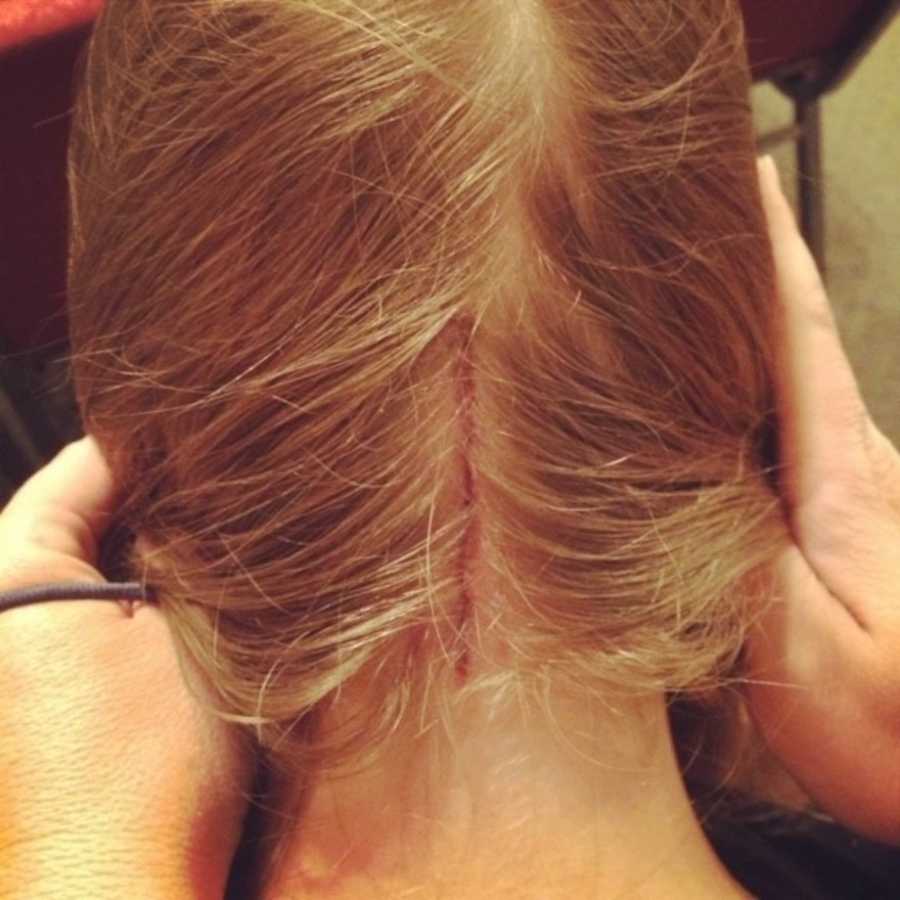
Recovery took months. In October 2014, my MRI showed the fluid was almost completely gone.
But the journey wasn’t over. I was later diagnosed with Fibromyalgia and POTS. I lived with pain, exhaustion, anxiety, and countless hospital visits for years. Still, I worked hard. I graduated with honors, became a Certified Medical Assistant and Phlebotomist, and found joy in volleyball.
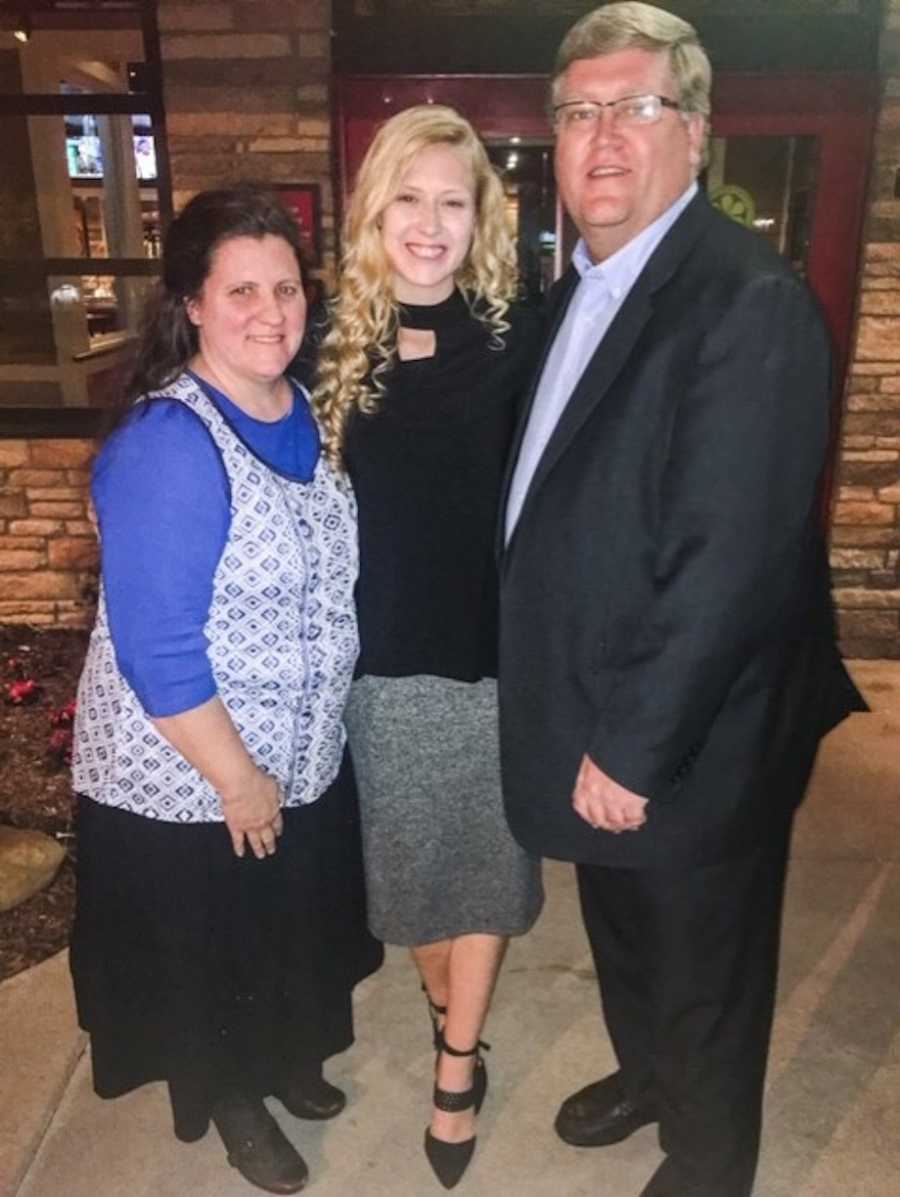
By 2019, life looked different. I found flexible work, meaningful friendships, and peace. For the first time in six years, I went an entire year without a hospital visit—no medications, no emergencies.
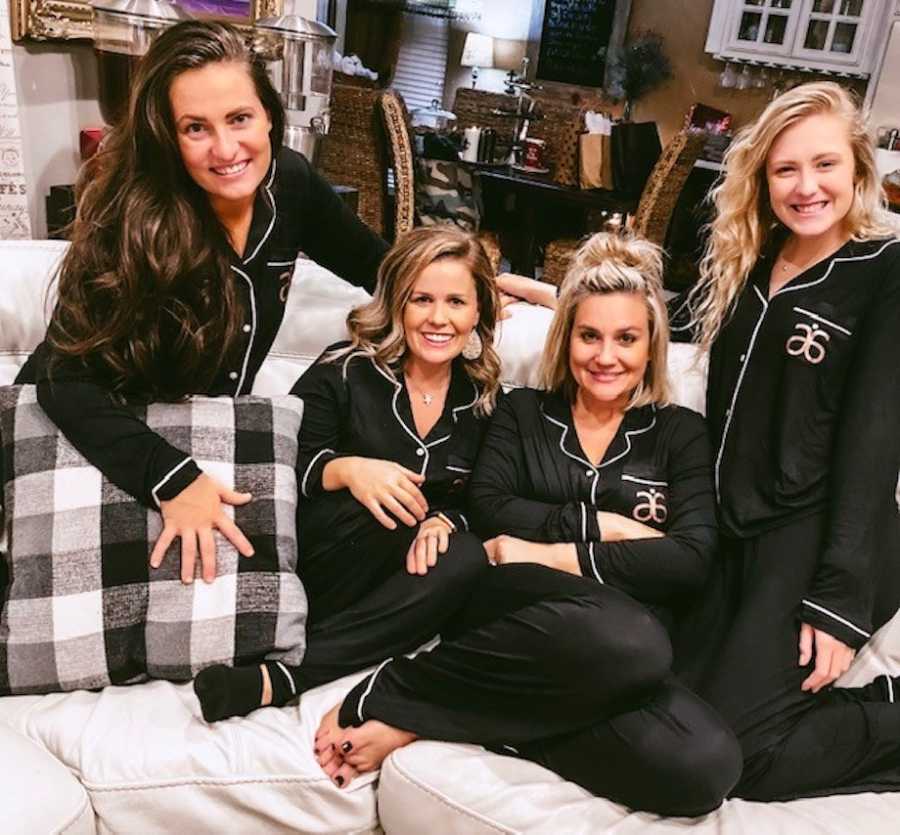
If you’re in a storm right now, hear me when I say this: it will end. Give yourself grace. Keep going. God sees you. I would go through it all again. It made me strong. It made me bold. It made me who I am.