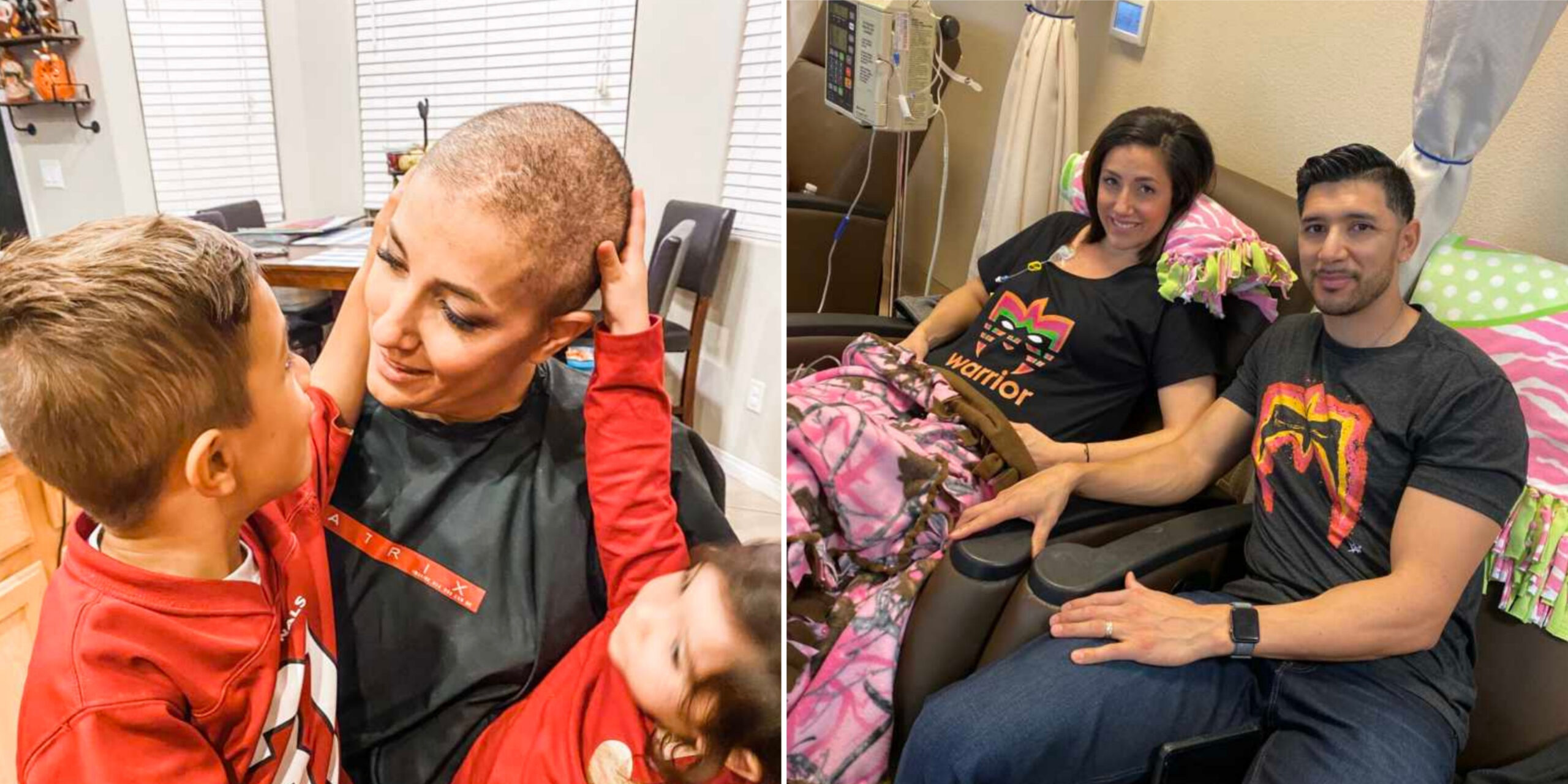
As I walked down the long, sterile hallway to the oncologist’s office, my mind was racing with disbelief: “This is so wrong. I do NOT belong here. I had a pregnancy, not cancer.” I was only supposed to see a specialist about medication to clear unwanted tissue in my uterus—a procedure often used for non-cancerous issues. But just being there, surrounded by people who looked so sick, made my stomach churn. I tucked myself into a corner of the waiting room, hoping no one would notice me, watching the patients around me—some bald, some wearing hats, some clearly terrified at their first visit. Again, I told myself, “I don’t belong here.” Little did I know, I belonged there more than I could have imagined. I had stage 4 Gestational Trophoblastic Neoplasia, a rare cancer that had already spread to my uterus, spleen, liver, and over my lungs—and it was moving fast.
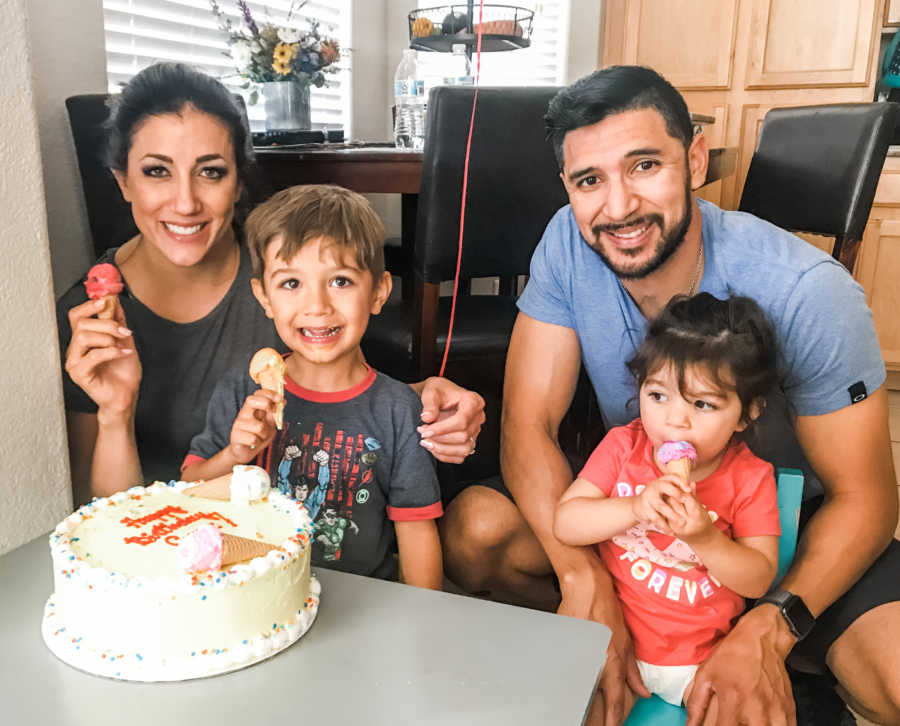
It all began two months earlier with a positive pregnancy test. Life was already busy—working as a morning news anchor in Las Vegas, with two toddlers and a husband also working full time. We’d debated adding another baby, so when it happened naturally, we were overjoyed. We felt like it was meant to be. The following Saturday was my sister’s wedding, so we shared the news only with our parents, savoring the excitement of a secret celebration in Napa. That weekend felt perfect. That weekend was the last time life felt normal.

Everything changed at my six-week ultrasound. My husband was at work, so I went alone. The moment the tech showed me the screen, I knew—there was no tiny flickering bean, no sign of life. I had experienced two pregnancies before, and I recognized the absence immediately. My doctor called it a blighted ovum—an early miscarriage where the baby never forms. There it was. I was losing another child, and I sat alone, crying in the sterile office, unable to do anything.
We decided to let the miscarriage happen naturally, hoping to avoid invasive procedures so I could try again. I returned home to endure the process in private. At first, there was light bleeding, then fatigue so profound that all I wanted was to sleep. Nausea and food aversions followed. The bleeding escalated, with large clots, sometimes at the most inconvenient times—once during a live news broadcast, another at Target. One night, lying in bed, I gushed so heavily that within seconds, the bathroom looked like a crime scene. I was terrified and confused. Was I truly miscarrying, or was I still pregnant? My symptoms didn’t make sense.
When I returned for another ultrasound, my doctor looked at the screen and asked, “How do you feel?” Terrible. And then he said the words that changed everything: “You’re not having a miscarriage—you have a molar pregnancy.” Instead of ending, the placenta had grown abnormally, producing invasive tissue. Molar pregnancies are rare—one in 1,000 pregnancies—but sometimes they become cancerous. My pregnancy hormone, HCG, should have been around 25,000, but it was 800,000. My body thought I was carrying five babies at once. My doctor reassured me: “You’re not crazy—you really are sick.”
The D&C provided immediate relief, clearing the tissue and allowing weekly HCG testing to ensure levels dropped. I couldn’t try for another baby for a year, which crushed me, but it was necessary. Initially, the numbers fell dramatically, giving hope. But within weeks, they began to rise, doubling each week. When my doctor called from Hawaii with a simple, chilling message—“You need to meet with an oncologist on Tuesday”—I knew my life was about to change.

Two days later, I walked down that same long hallway, meeting doctors I had never seen, talking about cancer. They assured me we weren’t calling it cancer yet; the tissue from my D&C had tested negative. But the CT scan the next day painted a different picture. That night, scrolling through Instagram, I saw bald women undergoing chemo and broke down, convinced it was me. My husband had to calm me through breathless sobs.
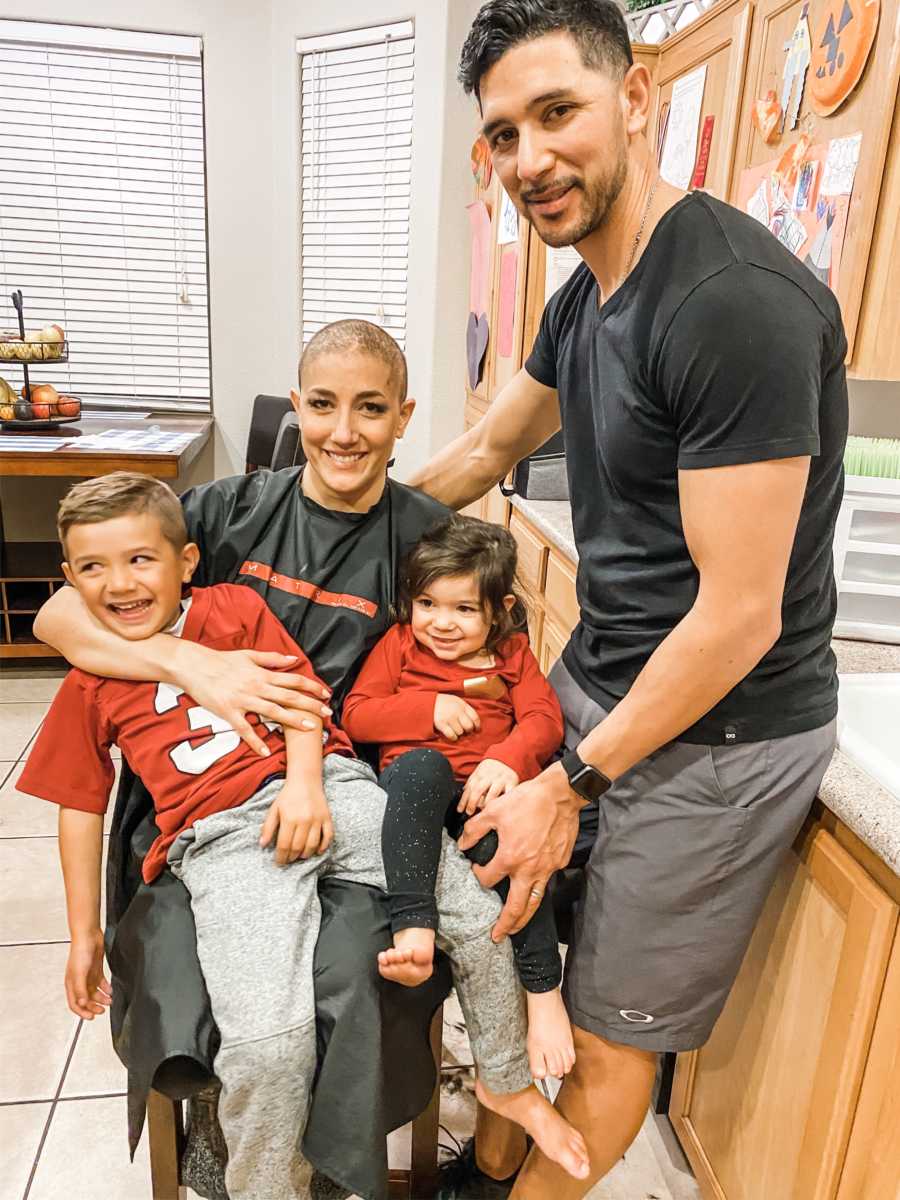
The next morning, my doctor called me in. Stage 4 cancer. Lesions on my spleen, liver, uterus, and at least fifteen spots on my lungs. I sobbed uncontrollably, clinging to my co-anchor who had rushed in so I wouldn’t be alone. I couldn’t process it: two months ago I was pregnant, now I was facing chemo, hair loss, and survival battles. My husband and I prayed, and I began surgery to place a port for chemo. The bleeding worsened, and I prayed again, surrendering control completely.
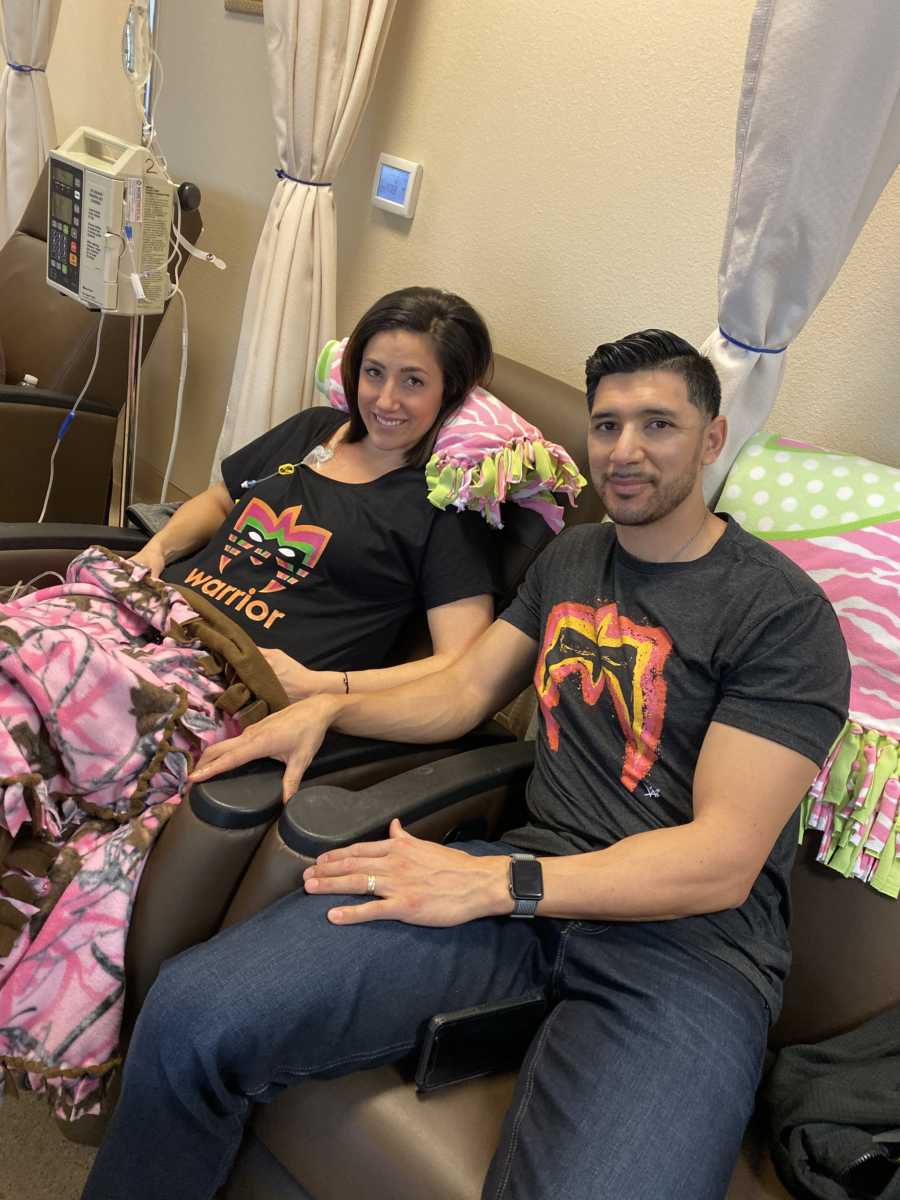
Hospitalization followed. Blood transfusions, two chemo treatments, and unbearable bleeding that landed me back in the hospital via ambulance. Doctors presented a difficult choice: a risky D&C to slow the bleeding, possibly delaying chemo, or continue bleeding while chemo worked. After prayerful consideration, we chose the procedure. Thankfully, it worked. Finally, I could focus on treatment and prepare for the long road ahead.
The good news? This rare cancer responds extremely well to chemo. My treatment involved a high-dose weekly regimen, IV medications, oral pills, and careful HCG monitoring. Eight weeks and four rounds later, my HCG levels normalized. I lost my hair, endured the harsh chemo side effects, but I survived. I know not every cancer story has a happy ending, which makes me grateful beyond words.
I’ve shared my journey to bring awareness to molar pregnancies, a condition so few know about yet so crucial to catch early. I’ve heard from hundreds of women worldwide who felt alone, unaware of the risks. Molar pregnancies can mimic normal pregnancies, making early detection vital. If sharing my story saves even one life, it makes my journey—and my cancer—worth it. I’ve been given a gift: a purpose. To educate, to raise awareness, and to remind women that sometimes, life’s most unimaginable challenges can become their most profound mission.