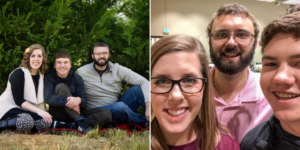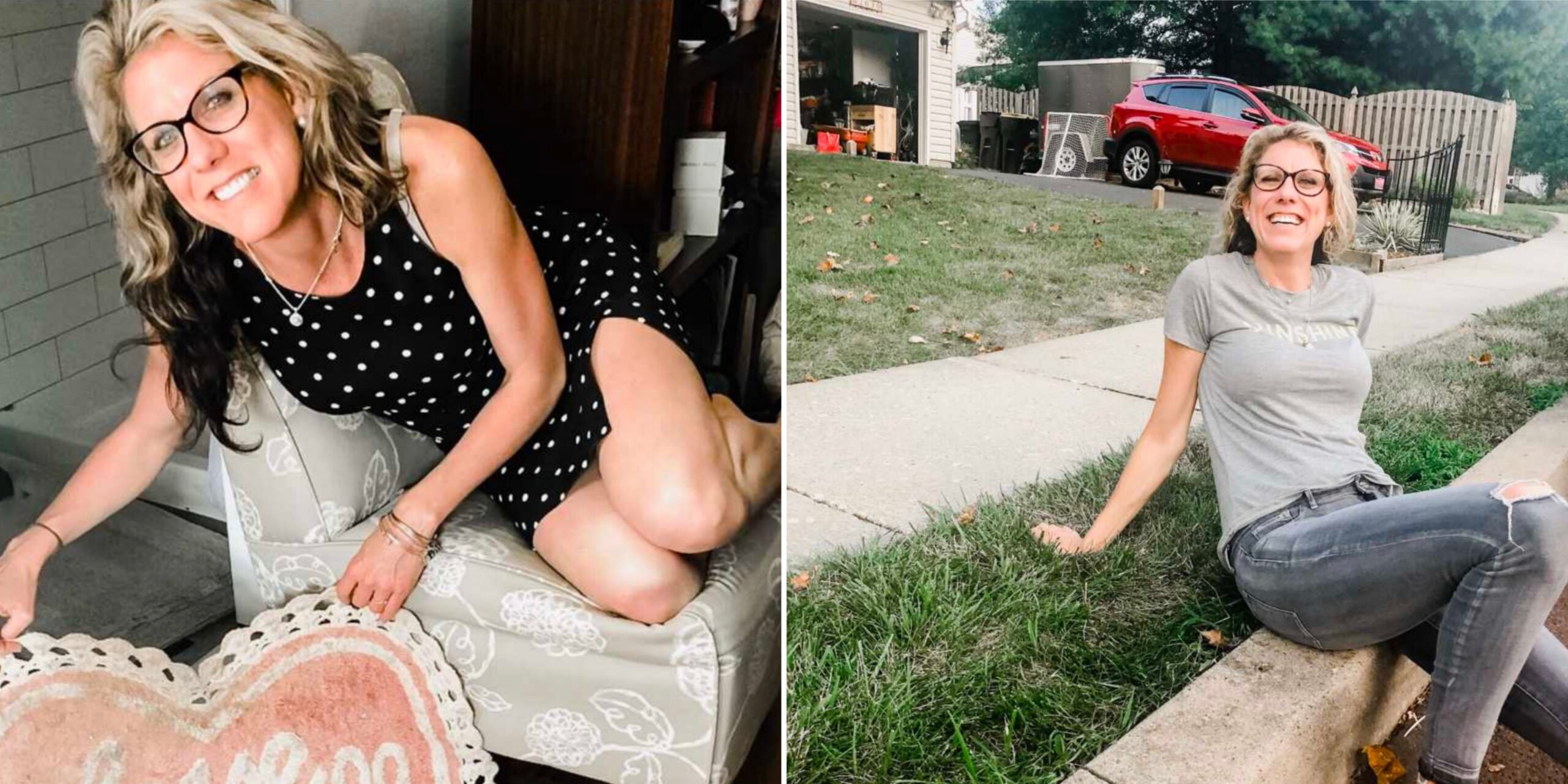
As I slowly moved from room to room in my childhood home, something unfamiliar caught my attention. The photographs my mom had placed on shelves and walls over the years—images I had passed thousands of times—suddenly felt different. There were pictures of me playing youth sports, lined-up school photos, senior portraits, and decades of family vacations and celebrations frozen in time. I had seen every one of them before. Yet on this particular day, something stood out in a way it never had.
Something was missing.
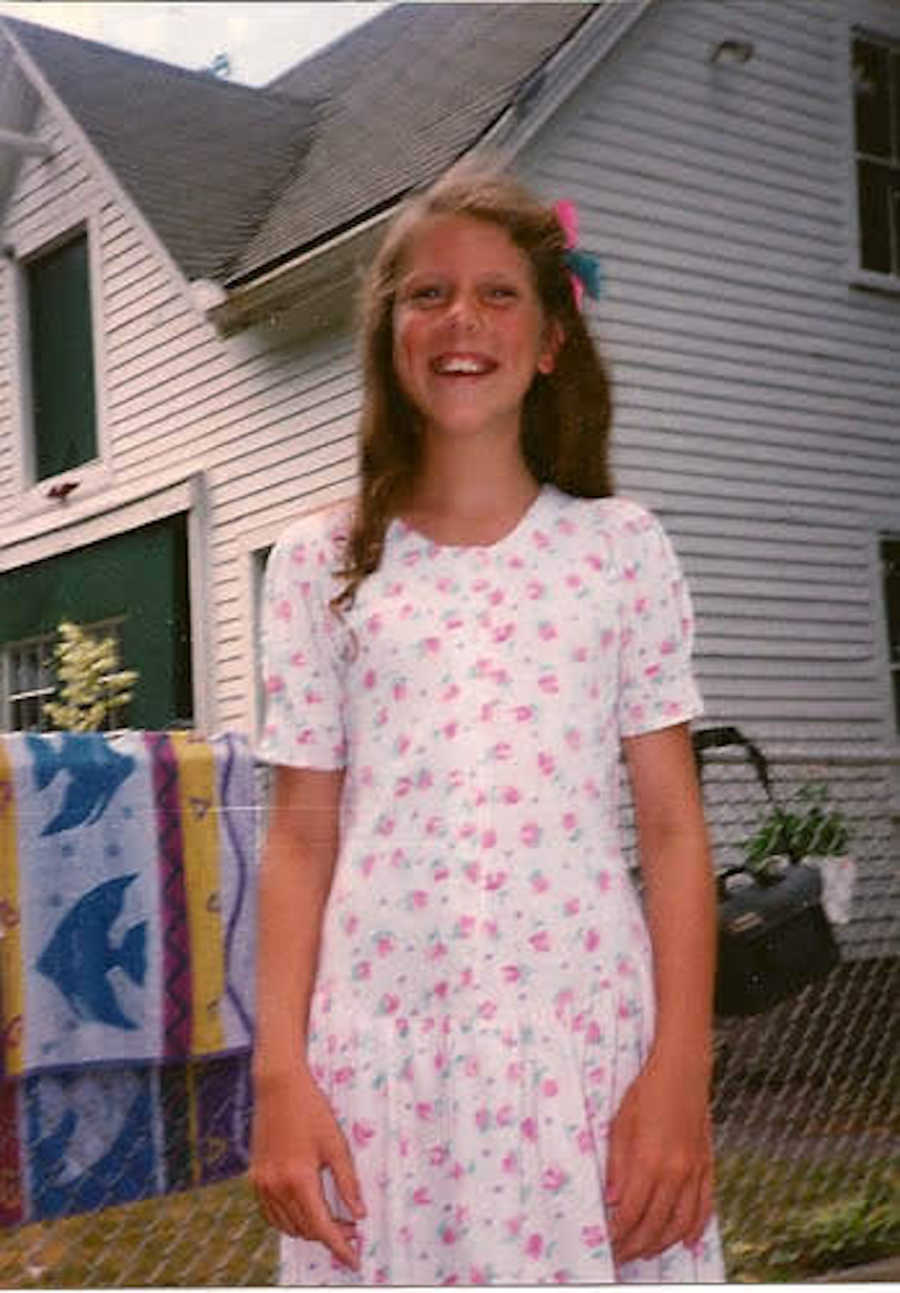
Before I explain what that was, let me take you back to the very beginning.
I grew up as the second oldest of five children in a loud, traditional Irish Catholic household. My parents believed deeply in the importance of praying together, playing together, and sitting down for meals as a family. Those rituals were the glue that held us together through hard seasons. Our home overflowed with love, strong opinions, busy hands, and constant noise. There was always movement, conversation, and togetherness.

But as a highly sensitive, introverted middle child, I experienced that world differently. Everything around me felt amplified. My thoughts and emotions carried an intensity that, as a young girl, I didn’t yet know how to manage. Loud rooms made me anxious. Conflict terrified me. Emotional stimulation drained me. Social situations left me overwhelmed and uneasy. While most of my family thrived in noise and energy, I felt rattled by the very things that seemed to ground them.
Over time, a quiet but powerful belief took root: something must be wrong with me. That belief embedded itself deeply into my impressionable psyche. By the age of six, it had manifested into full-blown anxiety. I begged my parents not to make me leave the house. I pleaded to avoid sleepovers, swimming lessons, or anything unfamiliar. I felt different—and I hated it. All I wanted was to be like everyone else. I wanted to fit in more than anything. And that was when my disappearing act began.
At first, my escape showed up as perfectionism. I became the model child. My grades were impeccable. My behavior was flawless. I was the quintessential “good girl,” determined to be the daughter every parent praised and the student every teacher admired. It was my way of compensating for how different I felt inside.
If I can be exactly what everyone wants me to be, I told myself, then they’ll have no choice but to love me.
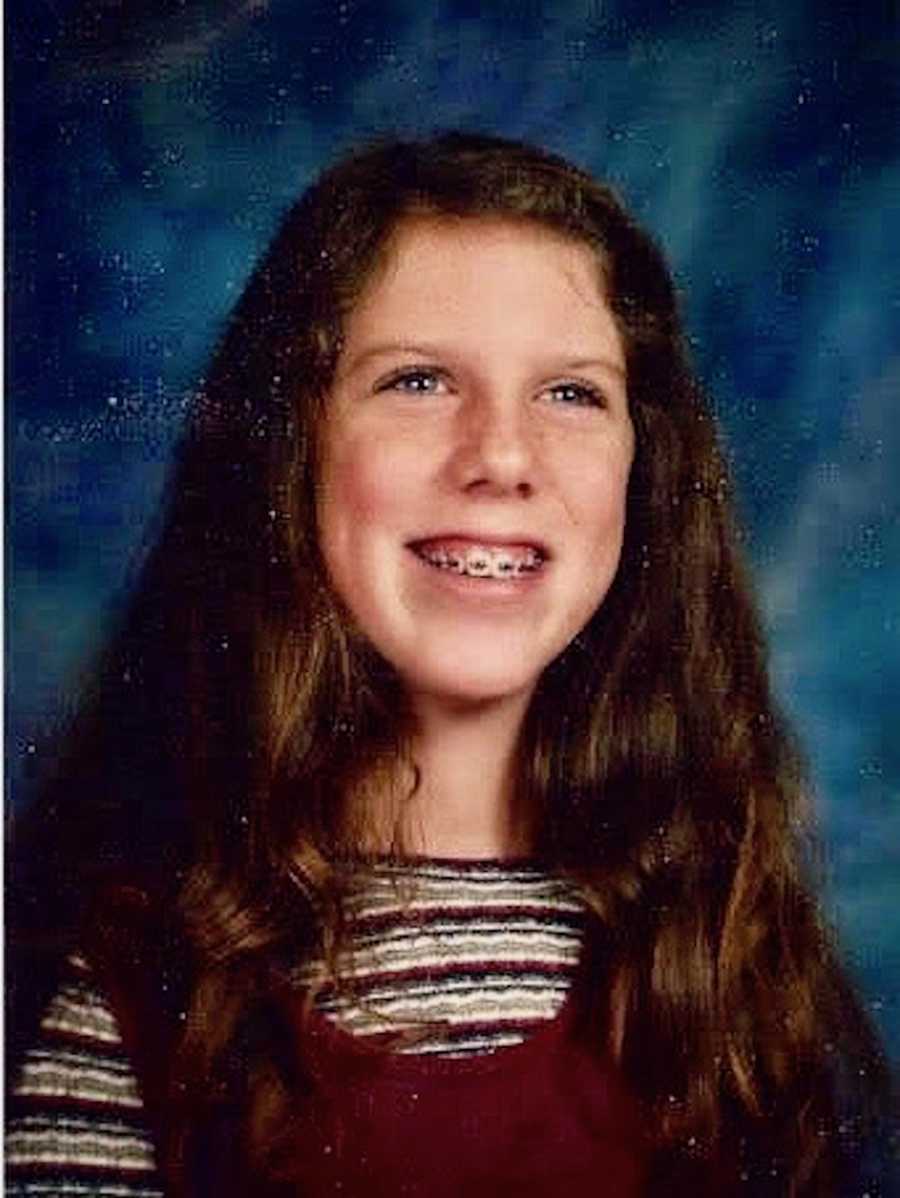
During my grade school and middle school years, fear ruled my inner world. Anxiety paralyzed my thoughts, and shame followed me everywhere. I carried an unbearable weight for simply being human and for never quite achieving perfection. On top of that, I was by far the tallest girl in my class. I towered over my peers, always placed in the back row with the boys for school photos. That physical difference only reinforced the belief that something about the way I was made must be wrong. The fire of self-rejection burned hotter.
At the start of eighth grade, my desire to disappear took a dangerous turn. My best friend was dieting, and curiosity pulled me in. One afternoon at lunch, I gave away my Little Debbie dessert. From that moment on, everything changed. I quickly realized that the less I ate, the quieter my thoughts became. Hunger was easier to feel than shame. Starvation dulled the intensity of my emotions, and soon I was consumed by the scale. In my distorted mind, not eating became the perfect escape. My disappearing act was now in full force.
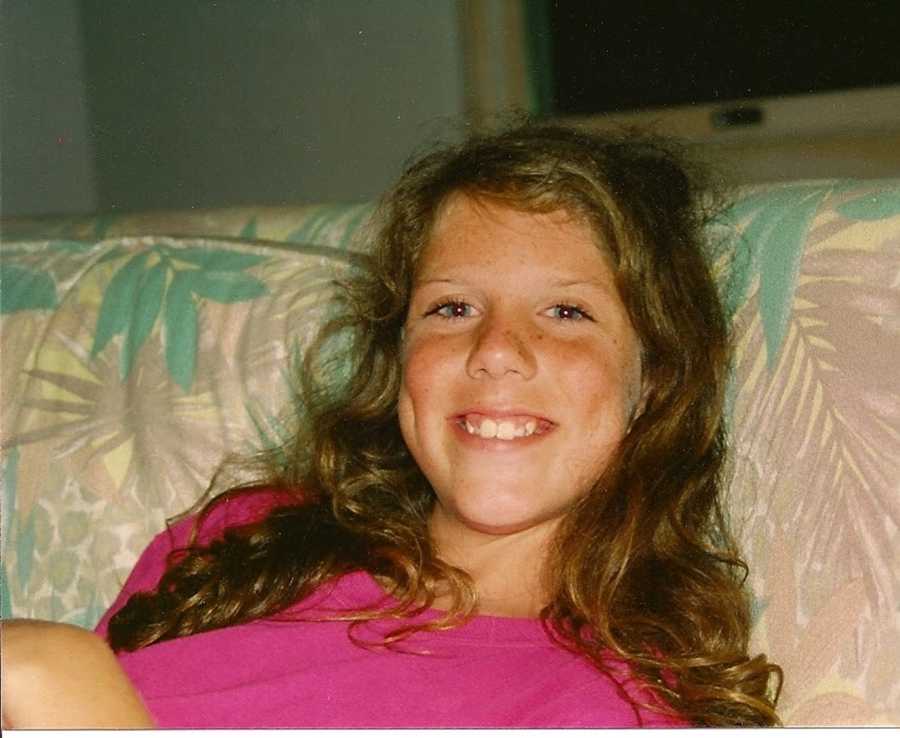
My parents fought desperately to intervene. “You’re not leaving this table until you finish what’s on your plate,” they pleaded. But my illness was bigger than all of us. After every attempt to stop my behavior failed, I was admitted to an inpatient eating disorder unit. At 5’11” and 86 pounds, I was hospitalized far from my school, my friends, and everything familiar.
I will never forget being pried from my parents’ arms, sobbing, terrified, unsure when I would see them again. I had just turned fourteen. Walking into a unit connected to the psych ward, surrounded by others who were visibly sick, I thought, I’m not like them. In that moment, it felt as though I had stepped through the gates of hell.
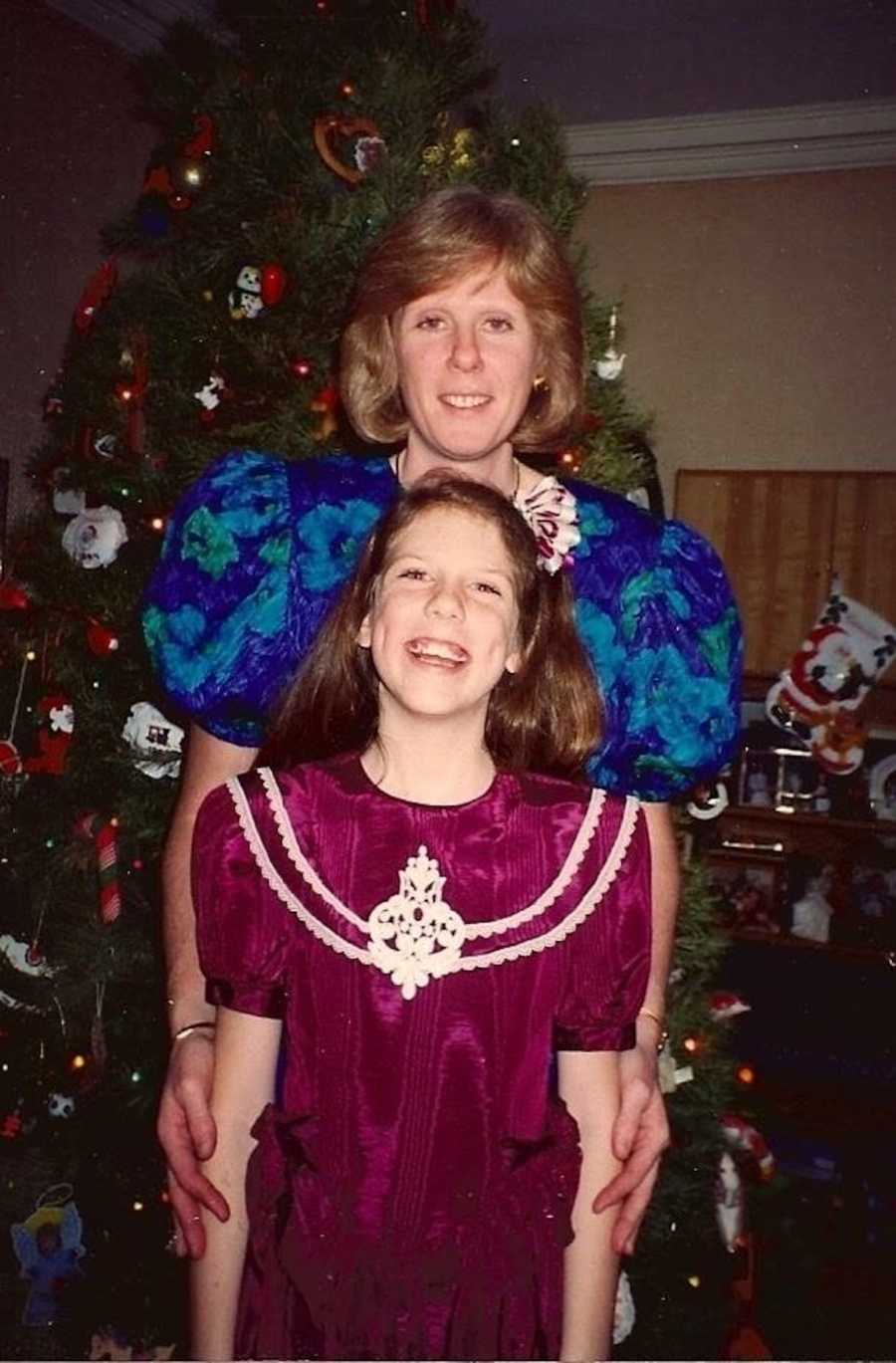
Things deteriorated before they improved. Day after day, I sat at dining tables staring out hospital windows, completely hopeless. My obsession with disappearing owned me. I hid food, defied nurses, poured supplements into my shoes—nothing was off-limits if it meant the number on the scale would drop. Losing weight meant no phone calls or visitors, yet even that wasn’t enough to stop me. I was deeply entrenched in my illness.
One evening, as my dad drove me to outpatient therapy, he said something that finally pierced through the fog: “Nothing changes if nothing changes.” For the first time, I truly saw the pain my disorder was causing. Recovery didn’t come quickly or easily, but slowly—step by step—through prayer, support, and relentless love, I began to heal. Though disappearing had been my plan, it was clear it wasn’t God’s.

High school became a turning point. For the first time, I felt like I belonged. I thrived academically and athletically and found friends who loved me as I was. I embraced parts of myself I had once rejected. Life wasn’t perfect, but I was happy. Still, when college approached, fear crept in. After three solid years of recovery, the thought of starting over in an unfamiliar place terrified me.
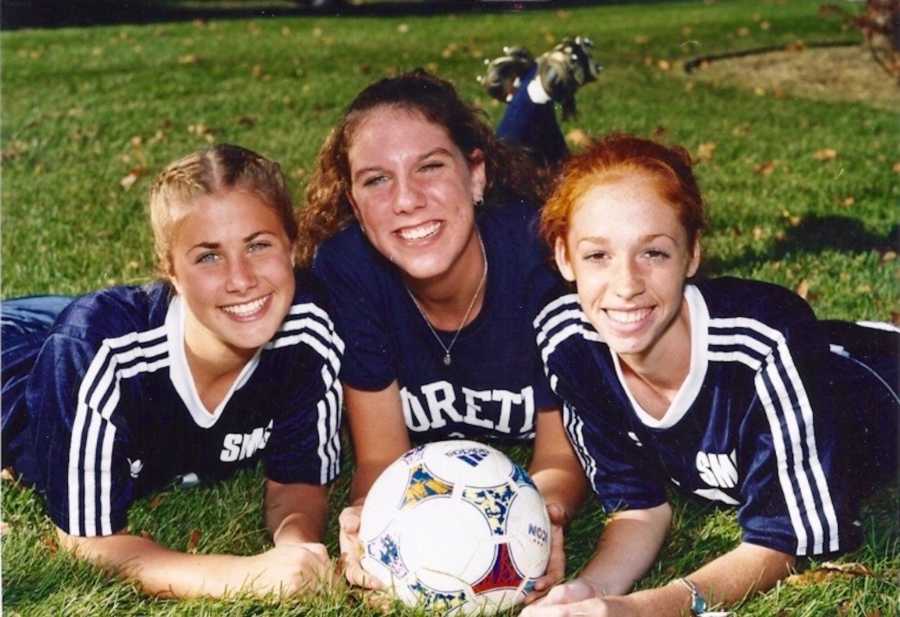
As a freshman, the urge to disappear returned quickly. I felt naive, insecure, and consumed by the familiar pain of feeling different. At 6’1”, I didn’t fit the mold of a typical sorority girl and was mocked for my height. Ashamed to admit my struggles, I turned back to the one escape I knew would numb the pain. I relapsed.
My family intervened, and after my first semester of sophomore year, I was forced to withdraw. Months later, I transferred to a college I loved. Yet I refused proper treatment, unwilling to confront the root of my behavior—self-hatred. I clung to it as my escape. Instead of healing, I shuffled symptoms.
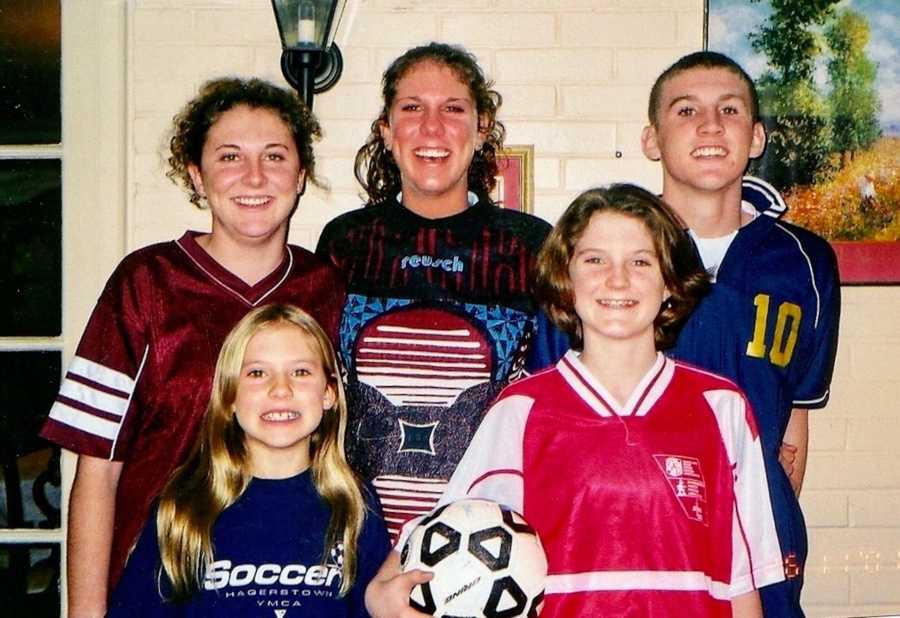
Exercise addiction replaced starvation. Missing a workout felt impossible, especially after eating. It allowed me to appear healthy while still punishing my body. Control became my comfort.
After graduation, the unknown loomed again. Exercise no longer sufficed. I found a more socially acceptable escape—alcohol. Drinking numbed me the way anorexia once had, but without immediate concern from others. It made me outgoing, fearless, and disconnected from myself.
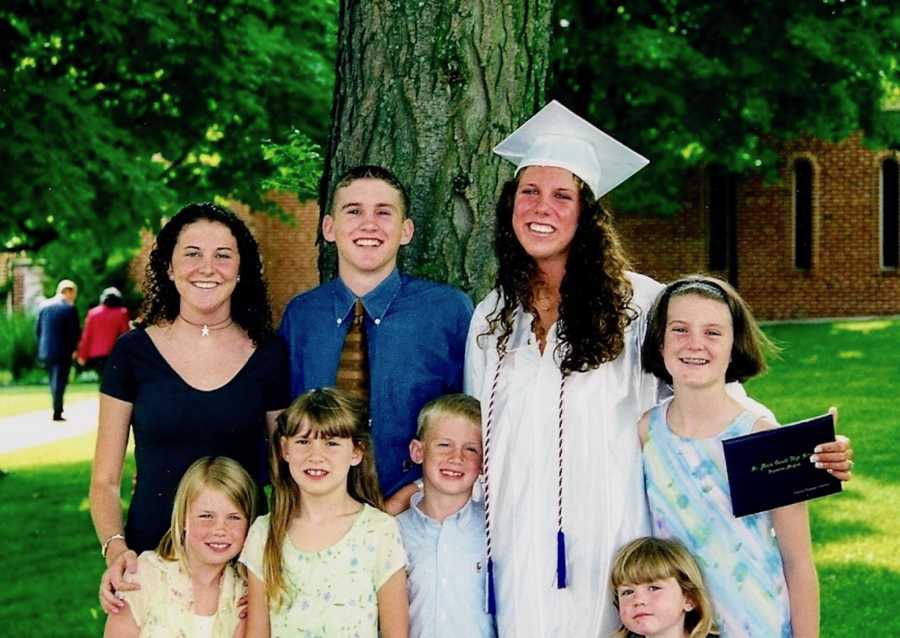
For ten years, I cycled through restriction, over-exercise, and excessive drinking. Five years ago, it all came crashing down.
One summer night, delirious and exhausted, my sisters held my hands and prayed aloud as I lay in bed, afraid to close my eyes. I didn’t want to die—I just wanted the pain to stop. That night became my rock bottom.
At 31, I realized God didn’t create me to disappear. He created me to live—fully, as myself.

What followed was radical healing. Treatment. Therapy. Sobriety. Prayer. Meditation. Journaling. Releasing trauma. Learning compassion. Learning love. Slowly, I began to smile at my reflection.
So when I stood in my parents’ house that November day, surrounded by photographs, I saw it clearly. What was missing were all the reasons I once believed I needed to disappear. Instead, I saw every version of myself—and for the first time, I saw how beautifully human she always was.