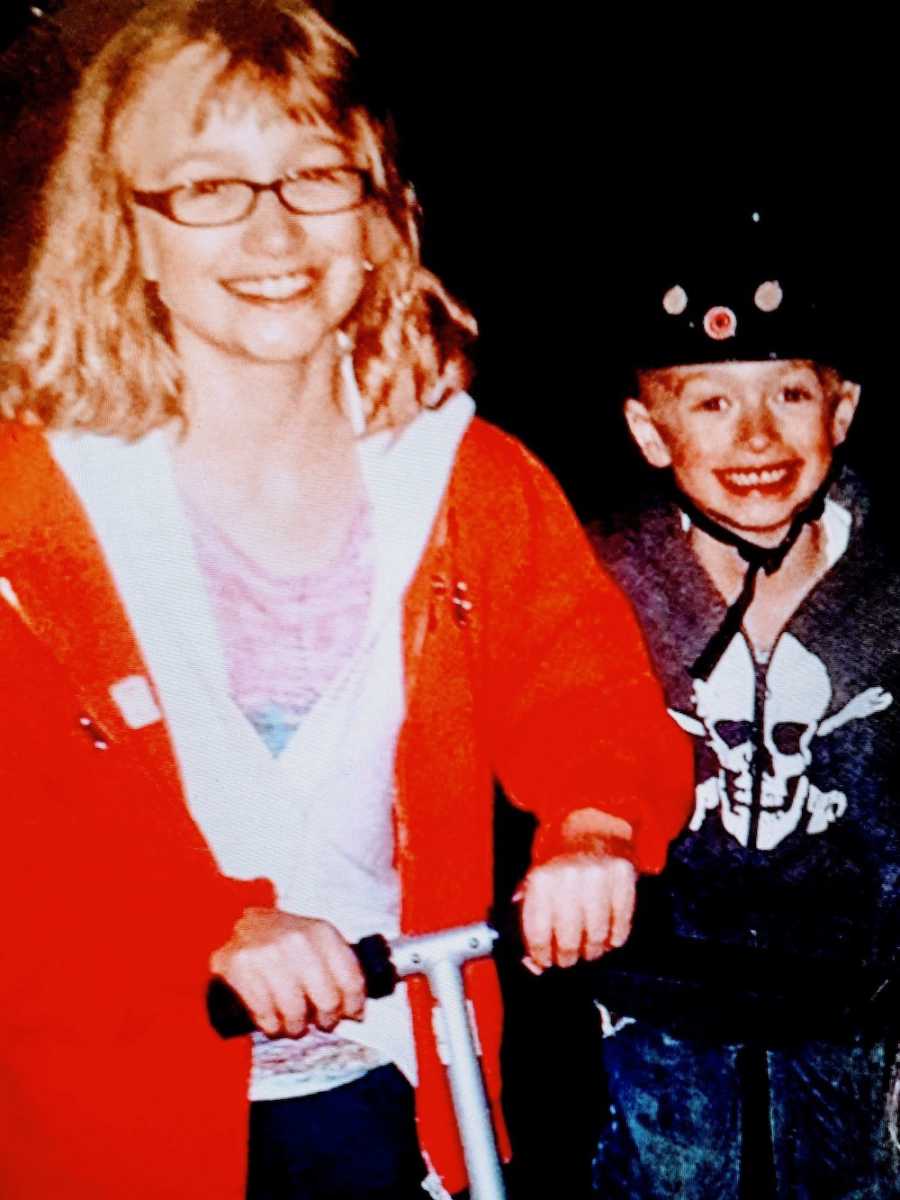
Life used to feel wonderfully normal. I was a ballerina and ballroom dancer, played the piano, ran track and field, rode my bike everywhere, competed in a dart league—where I even won first place at provincials—and spent hours racing my brother on our scooters. Then, one June six years ago, I woke up with a sore knee. Because I was always active, we brushed it off. But the pain didn’t fade—it intensified, spread, and slowly took over. By the following January, my life revolved around painful weekly injections for Juvenile Arthritis, constant pain in at least five major joints, frequent out-of-town doctor appointments, and the sudden disappearance of everything I once knew as “normal.”
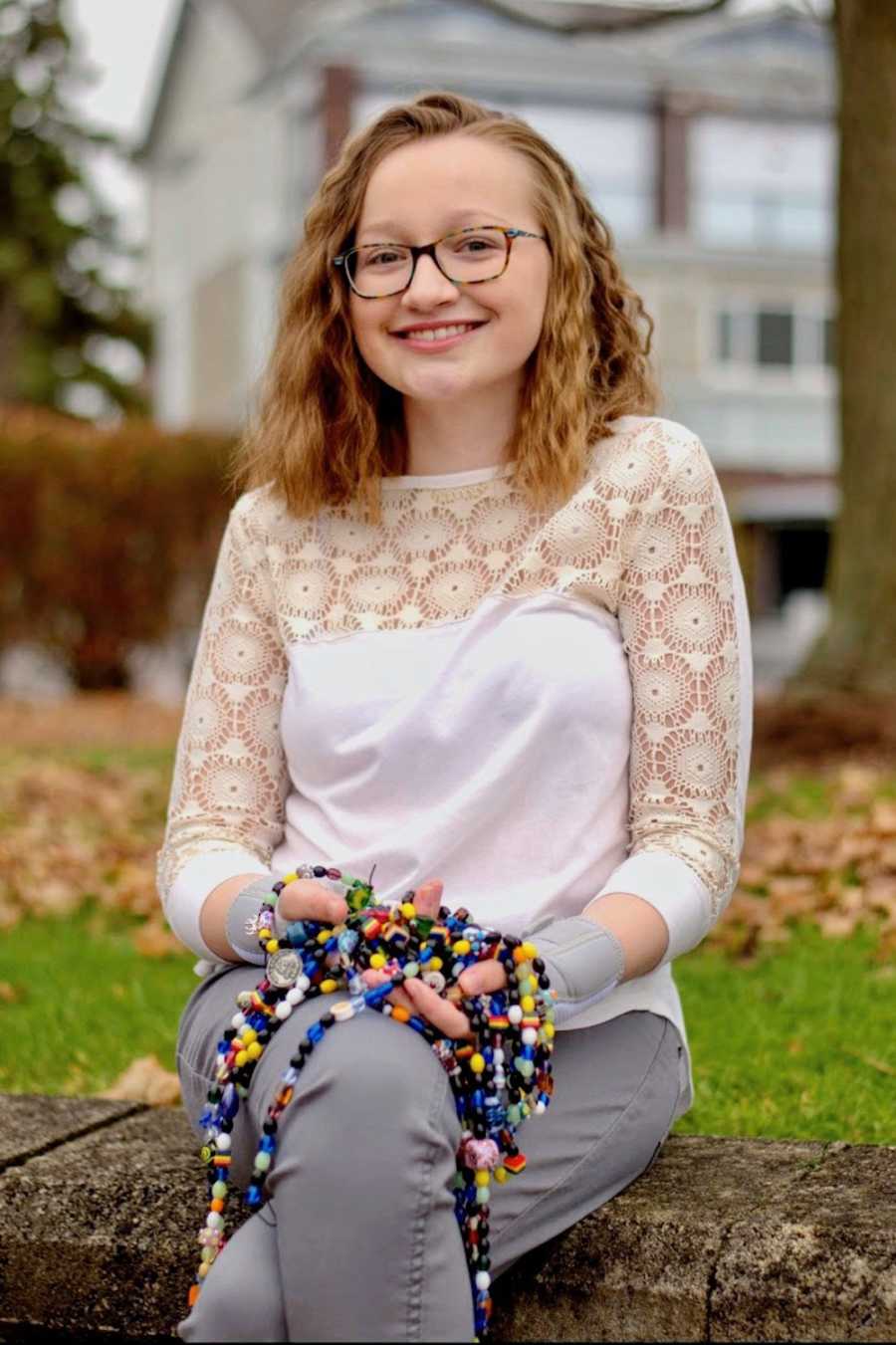
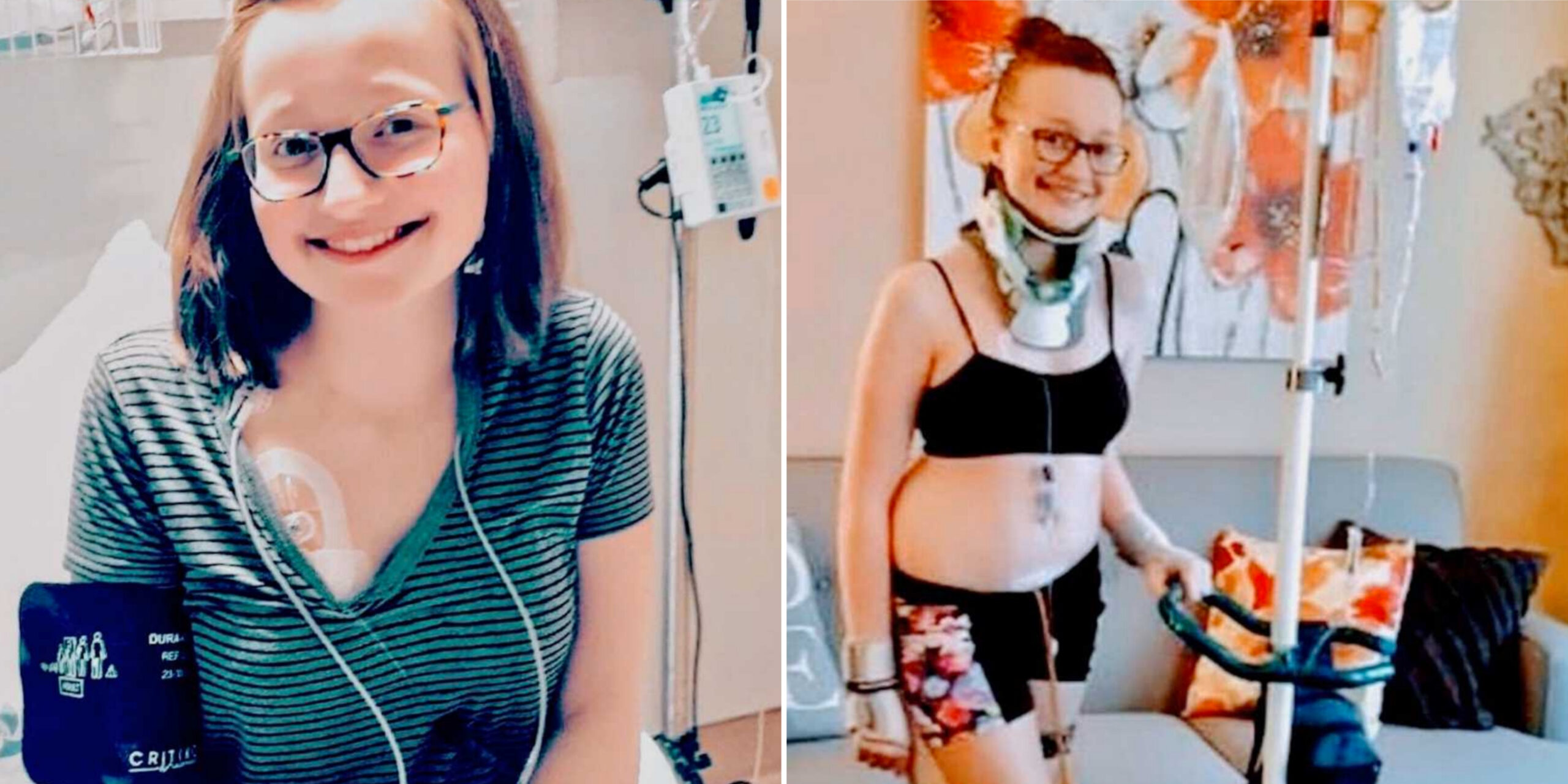
Over the last four years, I’ve spent about eleven weeks in the hospital. I’ve endured countless diagnostic tests, ambulance rides, three PICC lines, two port-a-caths, IV infusions, and now take more than 30 pills a day—on top of IV treatments. Along the way, I’ve collected over 1,000 Beads of Courage. Each bead represents a test, a procedure, a needle poke, a hospital stay, an ambulance ride, or another hard moment that shaped my journey.
It all happened so fast that I didn’t even have time to be afraid—I was just overwhelmed and confused. We all were. What began as a sore knee quickly turned into something far more complex. Within a short time, I developed two heart conditions, severe gastrointestinal issues that left me unable to eat and dependent on IV nutrition, and relentless joint pain. I was tethered to an IV pole most of the time and relied on countless stability aids—wrist and leg braces, a cane, a wheelchair for longer distances, and even a stair lift to reach my bedroom. I needed extra support for everyday tasks many people take for granted, including bathing.
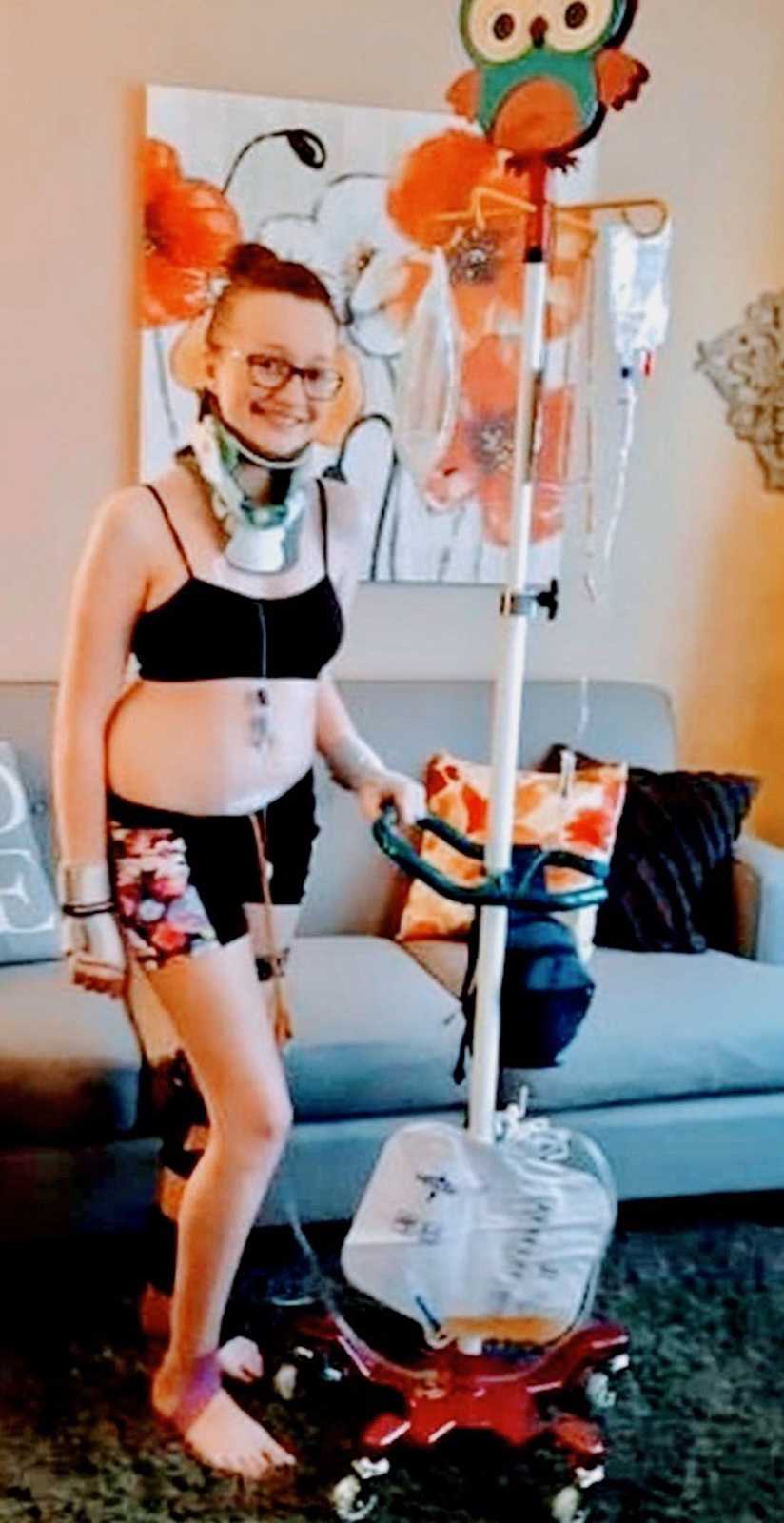
On top of that, I have severe scoliosis that continues to worsen. My rib cage is twisting, my spine is pressing on my lungs and organs, and I will eventually need a spinal fusion from my neck to my tailbone using rods, screws, and cadaver bone. For now, that surgery is on hold until I am stable enough to undergo it.
In November 2016, while simply talking to my mom, my left shoulder dislocated. She was horrified. I calmly popped it back in myself—yes, it hurt a lot. Nearly three years later, dislocations became part of daily life. I now experience around 20 dislocations a day in nearly every joint, including my jaw, hips, knees, ankles, ribs, shoulders, and even my neck, which once left me in a neck brace for an entire year. Sometimes I stand up and my knee dislocates. If I laugh, my ribs can subluxate. My jaw audibly clunks as it slips out of place, and my hips—my worst joints—dislocate constantly.
After four long years of searching for answers, we finally found one. The question that haunted us—how can a child be healthy one day and so sick the next?—finally had a name: Ehlers-Danlos Syndrome. The “party tricks” I once used to gross out my friends, my extreme flexibility and hypermobility, turned out to be key clues. When I met my first orthopedic surgeon, he explained there are only two reasons someone dislocates repeatedly: injury—or EDS. After hearing my history, he said I fit the genetic syndrome perfectly.
I spent countless hours researching EDS, stunned by how closely it described me. While it wasn’t a diagnosis anyone wants, it was still a diagnosis—and that mattered. What hurt the most wasn’t the syndrome itself, but the moments when people doubted my pain or whispered accusations they thought I couldn’t hear. The very first doctor I saw told me nothing was wrong and that it was all in my head, a heartbreaking experience many people with EDS know too well. Those moments were when I truly hated my journey.
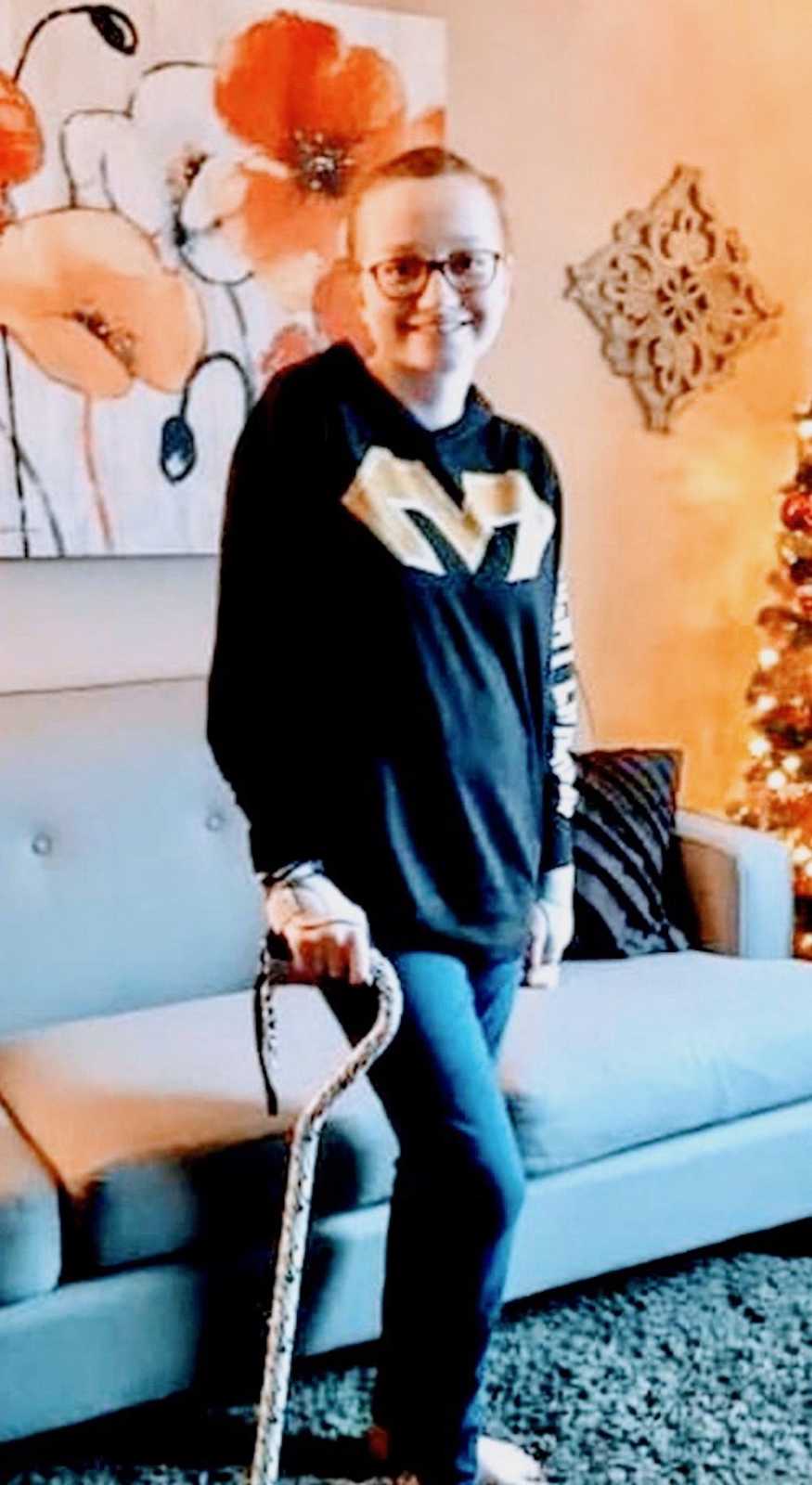
The last nine months alone have brought more challenges than I can count. I had surgery to place a suprapubic catheter after my bladder suddenly stopped working—by far the hardest hurdle I’ve faced mentally and emotionally. I required IV muscle relaxers every four hours, around the clock, for four months. I had my third PICC line placed, surgery to remove my first port-a-cath and insert a second, countless hospital admissions, and traveled to as many as four cities in four weeks for medical care. I’ve been poked, prodded, sedated for multiple procedures, and attended more appointments than most people can imagine in a lifetime.
Today, we are more educated and better equipped to manage my long list of diagnoses and symptoms. My life now looks very different. I need help with basic daily tasks like bathing and dressing—thanks to my incredible mom. I receive saline infusions every second day through my port to manage POTS (Postural Orthostatic Tachycardia Syndrome). I’ve since had the suprapubic catheter removed, something we once feared might never be possible, and was able to stop IV muscle relaxers after that. I still experience frequent dislocations, live with constant pain, take over 30 pills a day, and rely on a walker and wheelchair, among other supports.
I’m unable to attend school in person, but I homeschool myself through an advanced program, working as many hours a day as my pain allows—even on holidays. Much of our time is spent traveling for appointments, infusions, and surgeries. In my free moments, I enjoy calligraphy, art, gardening, and watching medical documentaries (yes, it’s a little ironic). Ever since I could talk, I’ve said I wanted to be a baby doctor. Long before my own health struggles began, that dream was already there. My goal is to become a neonatologist, and I refuse to let EDS stand in my way. It may take longer, and the road may be harder, but I’m determined to keep learning and moving forward.
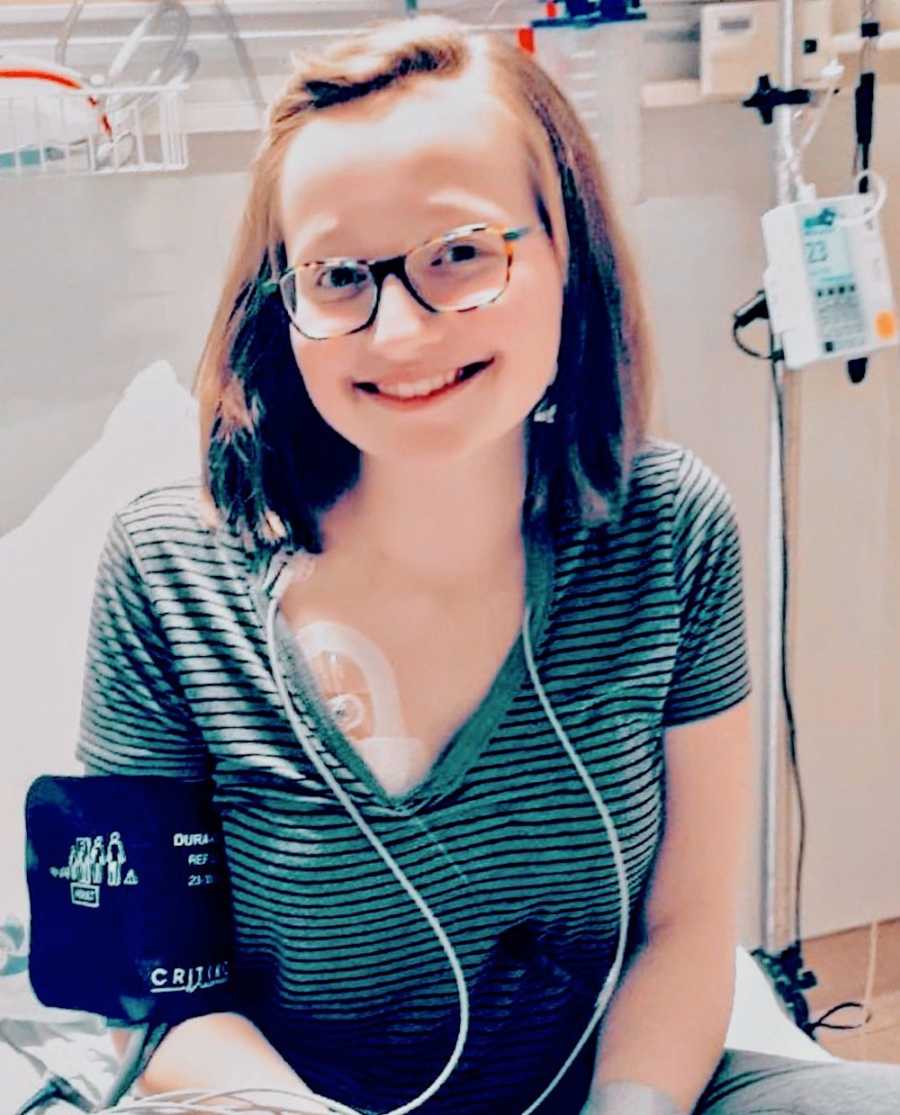
I am now 16 years old. I’m an Ambassador for Fight Like a Warrior, an organization that empowers individuals living with chronic illness. I’m also an Ambassador for Easter Seals, which provides vital programs, services, and financial assistance to children and youth with disabilities, helping them achieve independence and inclusion. This is just the beginning of my journey—of advocacy, awareness, and sharing my story so others know they are not alone.