When I tell other parents that I have five kids who were all out of diapers by the time they started walking—and that I never had to potty train any of them—there’s usually one of two reactions: either they suddenly remember they need to go home to bathe their llama, or they lean in, wide-eyed, asking how on earth I managed it.
For all the parents out there who want the secret to avoiding endless diapers and messy potty training, listen closely! It’s easier than you might imagine, and there are flexible ways to do it that can fit almost any family’s lifestyle. I’ll walk you through what worked for us—and what could work for you too.
Let me start by saying it hasn’t always been smooth. Over the years, I’ve faced raised eyebrows, cold shoulders, and even outright criticism. The hardest part? Being misunderstood by other parents who sometimes see my method as an indirect judgment of their choices. Locally, it’s been a somewhat lonely path, made bearable only by the enormous online community I’ve found—and helped create—of parents following the same early potty approach. Hundreds of thousands of them have been my lifeline.
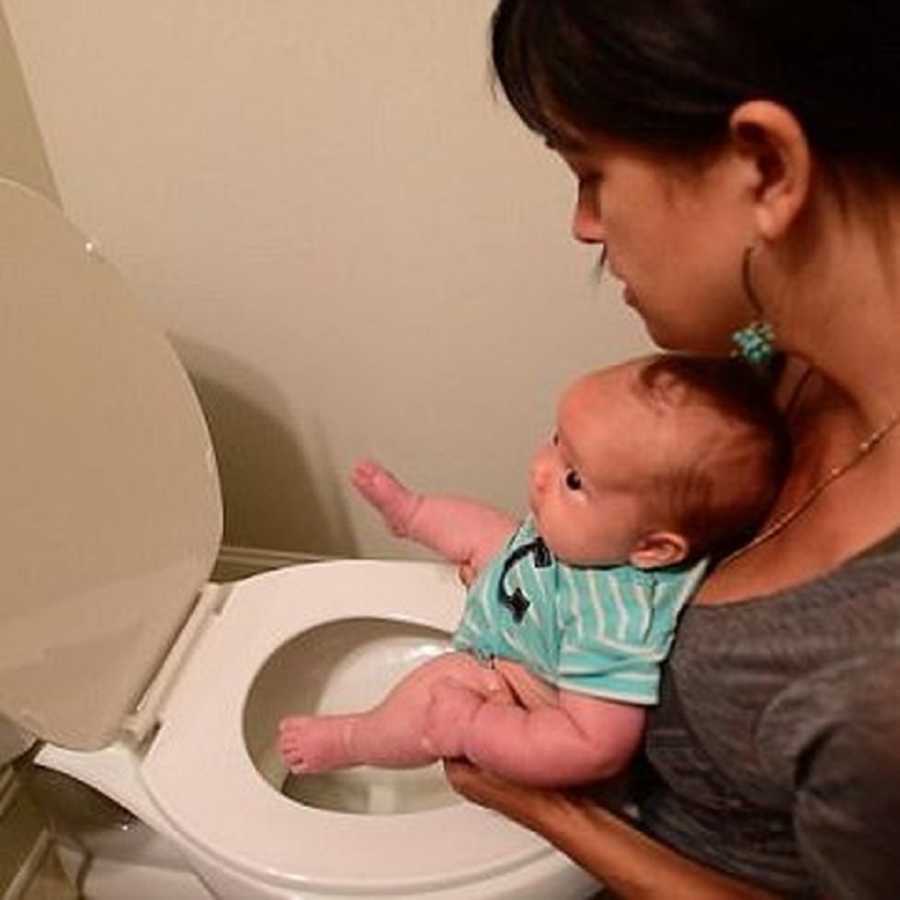
So here’s the method we used: elimination communication, or EC. Some call it infant potty training, natural infant hygiene, diaper-free, or even, in an old-school 80’s term, trickle treat. We start EC from birth (though technically you can start anytime from birth to 18 months) because it’s easier, it strengthens connection, and babies naturally signal their needs more clearly when they’re newborns. Why force a diaper when a baby’s instincts tell them otherwise? For me, knowing what I know about infant biology and psychology, it feels neglectful not to listen. Plus—full disclosure—I absolutely hate cleaning up poopy diapers.
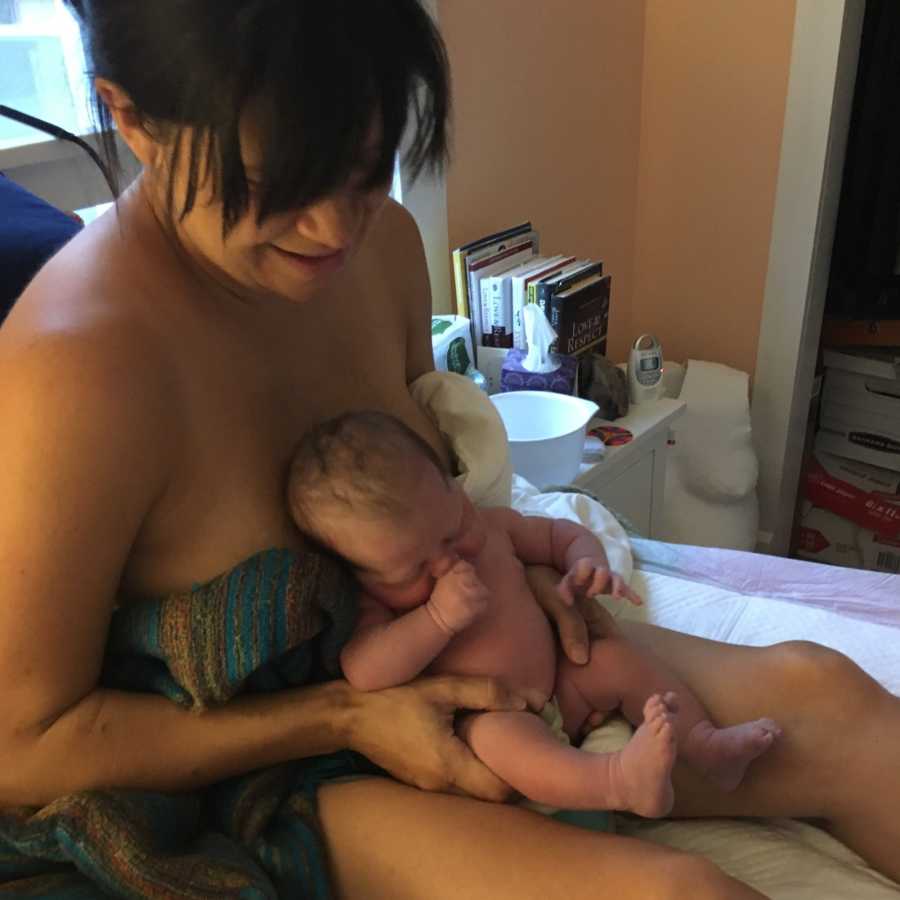
Newborns are surprisingly easy to EC. We offer the potty when they wake, often catching a pee or a poo—or both—before feeding. This early communication teaches us our babies’ rhythms, helping us understand the mysterious fifth aspect of baby care—pottying—alongside eating, sleeping, loving, and keeping warm. By tuning in this way, babies cry less, parents worry less, and everyone bonds more deeply.
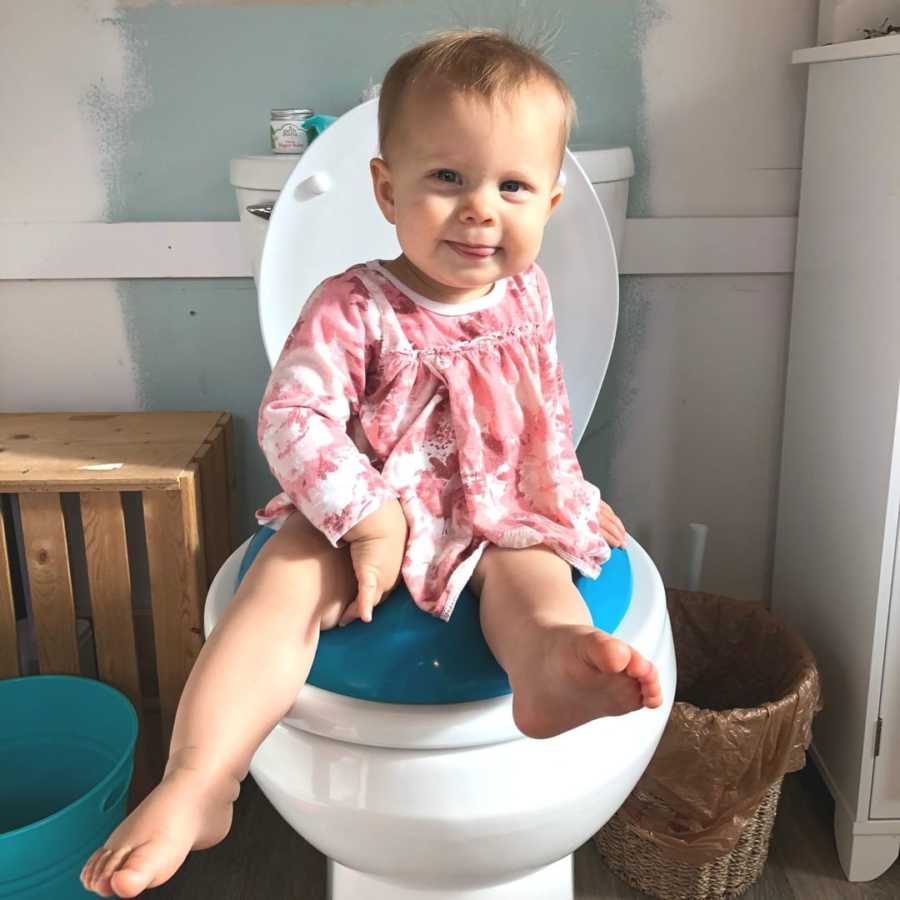
I first heard about EC in 2005, when a friend of a friend posted on Facebook about never using diapers—just holding their baby over a toilet or the ground. I was instantly intrigued. “Where do I sign up?” I thought. At the time, I didn’t even have a baby—or a steady partner! But the idea stuck with me.
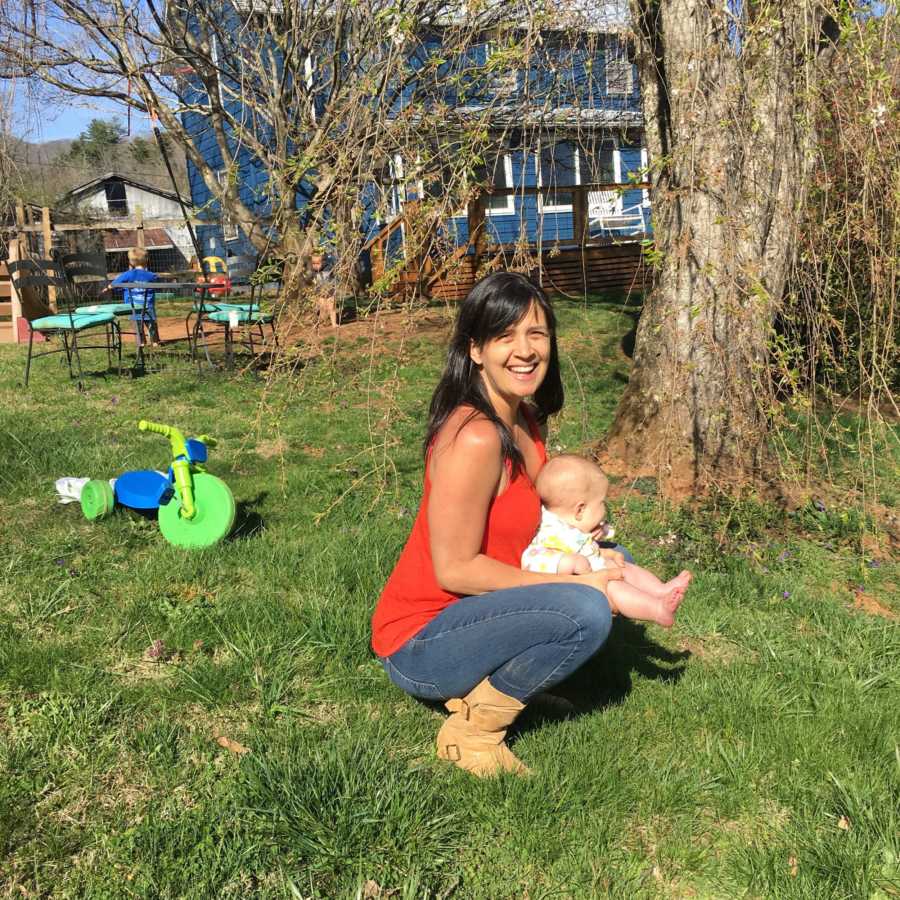
Four years later, when I discovered I was pregnant, I immediately bought a book on EC, determined to avoid the mess entirely. The concept felt right, even though in the haze of early pregnancy, I struggled to picture how it would actually work. By the time my first baby was born at home in 2010, I was nervous but ready. On his very first day, as he wriggled and bore down, I held him over a small potty just as the book instructed—and he went. That first tarry newborn poop in the potty cemented my commitment. From that day forward, I knew I could navigate nursing and pottying, and that confidence carried me through early motherhood.
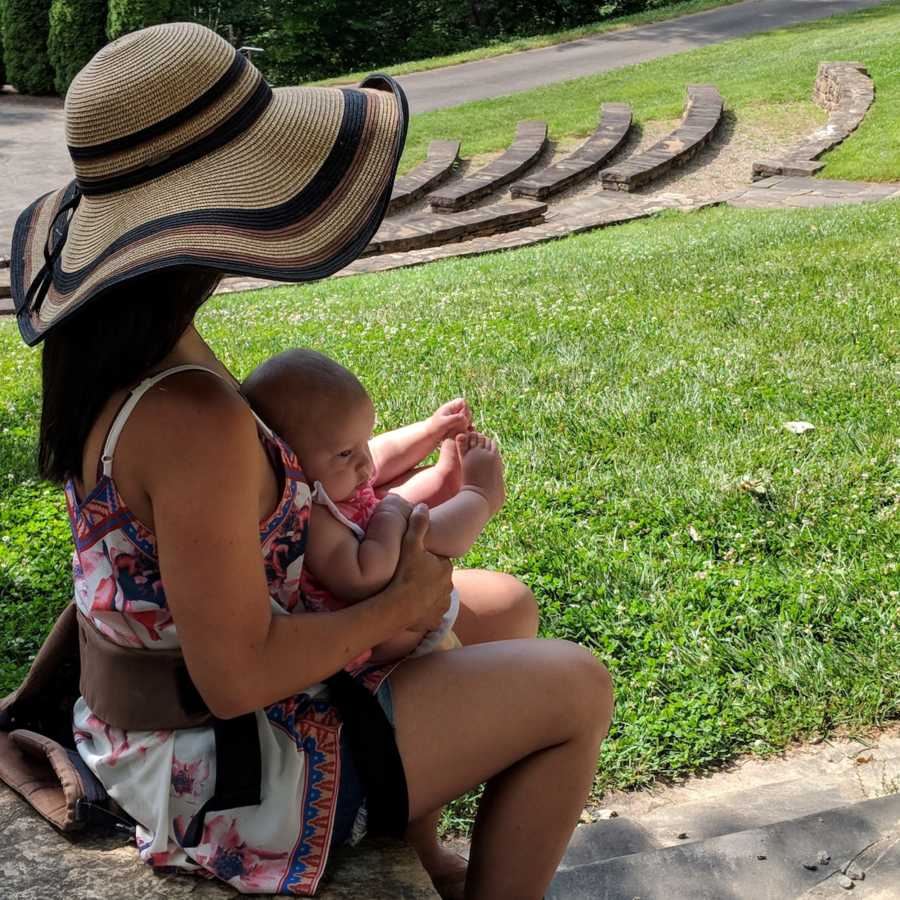
Over the next eight years, I had four more babies, starting EC with each one from birth. When people ask why I start so early, I answer simply: “It’s easier than changing endless blowout diapers, and why would I want to wait for my baby to poop in a diaper when they could go comfortably elsewhere?” The babies themselves seem to love EC—once they learn the rhythm, they respond naturally.
The benefits have been remarkable. Babies are more comfortable, less fussy, and less colicky. We catch early signs of illness or teething, avoid diaper rash, constipation, tantrums, bedwetting, and the stress of traditional potty training. Financially, we’ve saved an estimated $10,000 on diapers and kept literal tons of waste out of landfills. And because we start EC early, older siblings don’t regress when a new baby arrives—they happily help with their younger siblings’ pottying.
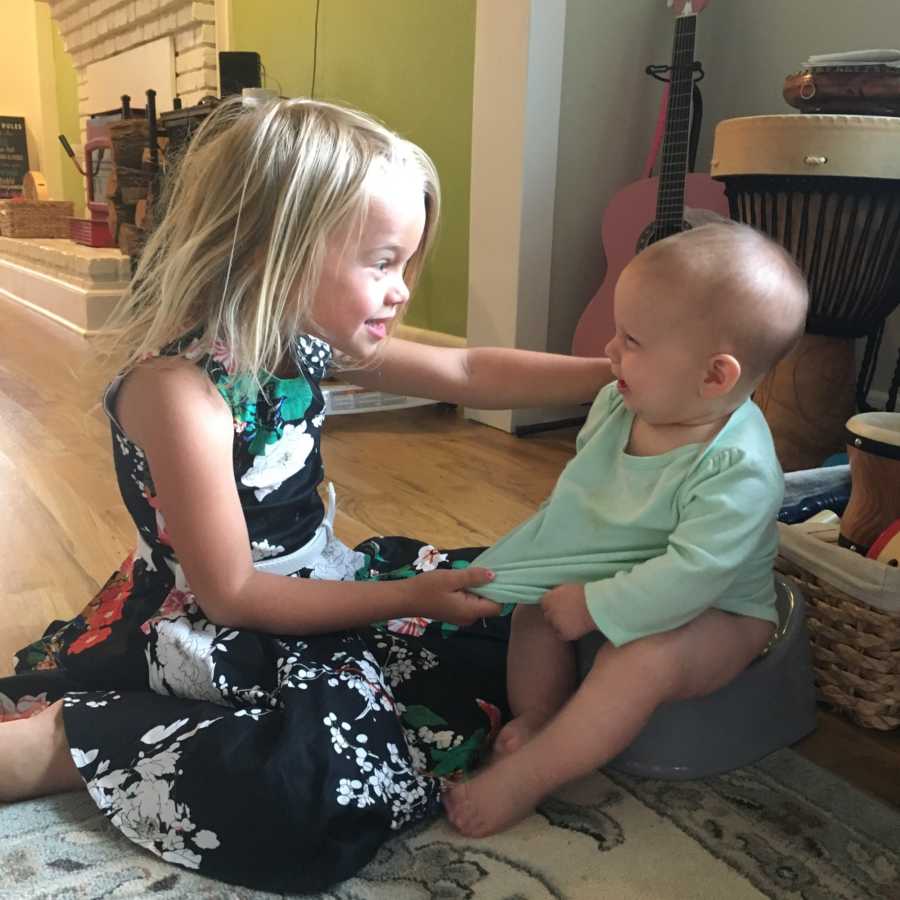
The biggest benefit, though? We’ve avoided the traumatic two- and three-year-old potty battles most parents endure. No “No!” phases, no power struggles, no tears.
Now, I know what some of you are thinking: “This sounds great, Andrea, but I don’t have time. I work, I have a busy life—how do you manage it?”
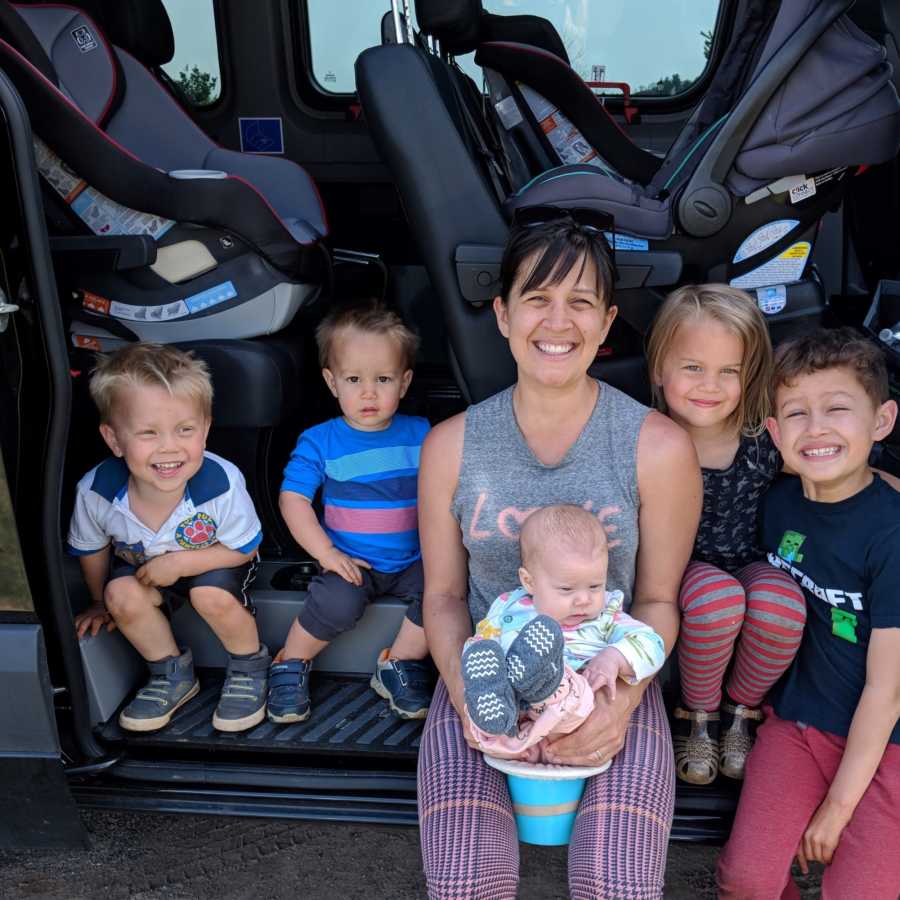
Here’s the truth: I own three businesses, five children aged 1-9 (three in preschool), and a farmhouse from 1890 that’s never fully done. I work about four hours a day from home, breastfeed, cook, clean, parent, exercise, and sneak in hobbies. If I can make EC work in this chaos, so can you.
Two shortcuts helped make it manageable:
- We don’t do EC 24/7 for every pee. Part-time EC works fine—focus on poops, wake-up pees, or every other pee. Think of diapers as a back-up, not the main toilet.
- We use a diaper as a back-up until babies start walking. This reduces stress and helps babies learn to use the potty predictably. For us, biodegradable and cloth options work well, supplemented by Tiny Trainers and Tiny Undies (which I make and sell).
Consistency is key. Babies respond well to a predictable routine, and small, manageable steps make EC sustainable.
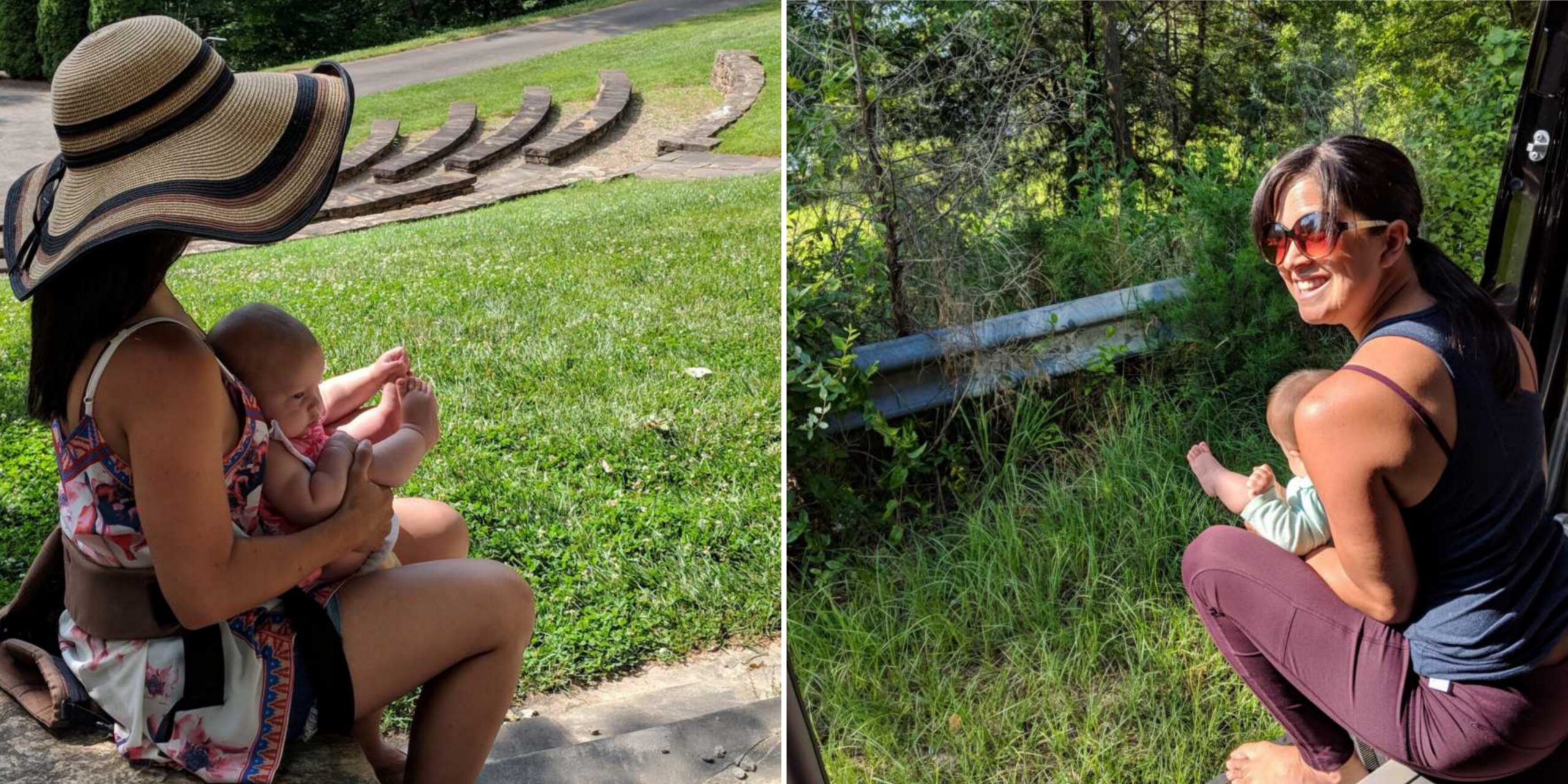
For those ready to try, we use the “4 Easy Catches”: wake-ups, poops, diaper changes, and transitions. Observing baby signals and using the right positions makes pottying easier and builds confidence for both parent and child.
By walking, my kids were out of daytime diapers by 9.5 to 17 months, and typically dry at night by 26 months. Taking them out when they start walking mirrors what our grandparents and great-grandparents did—babies are ready, capable, and proud of their independence. Montessori even highlights 12-18 months as the sensitive period for toilet learning, which aligns beautifully with EC.
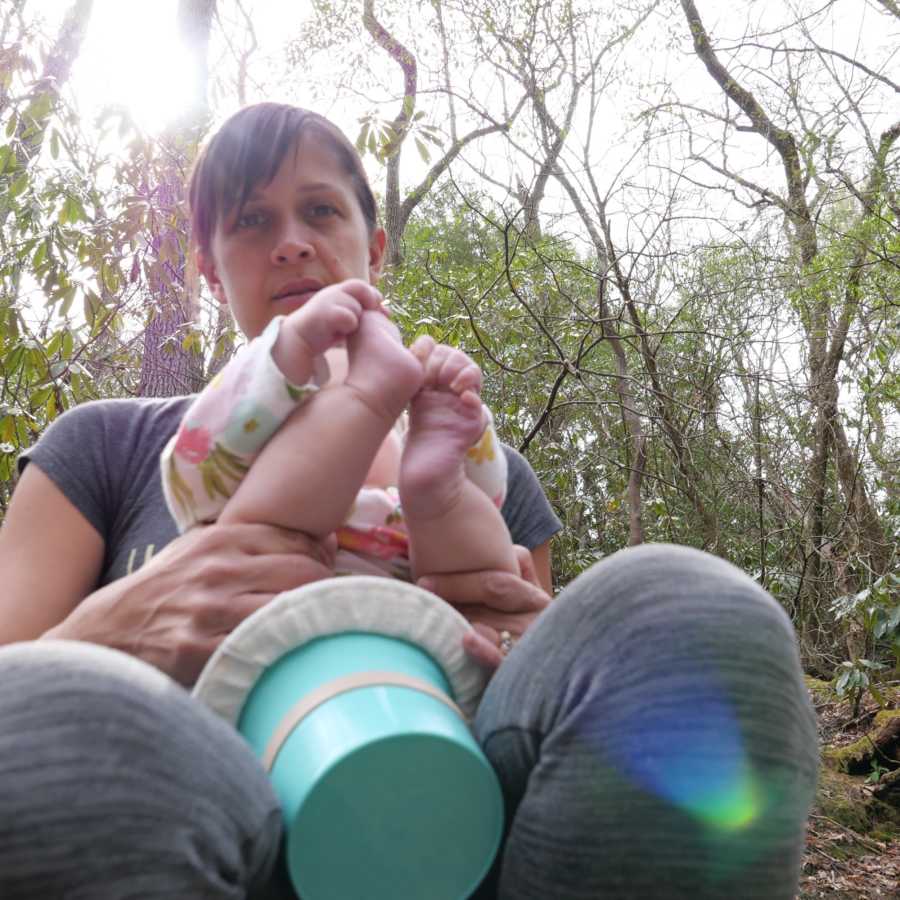
Ultimately, I’ve made it my mission to share accurate, supportive information about elimination communication. For parents ready to try, my free Easy Start Guide shows how to begin with a 0-18 month baby. For slightly older toddlers, my 3-Day Potty Training Primer helps prepare both parent and child. And for gear, from cotton-core training pants to small potties, tinyundies.com has you covered.
This journey has been transformative. My children are confident, independent, and our family has avoided unnecessary struggles with potty training. I hope sharing our story inspires you to consider a different path, one that’s more natural, connected, and—dare I say—enjoyable. Please leave a comment if you have questions—I love connecting with other parents on this path!