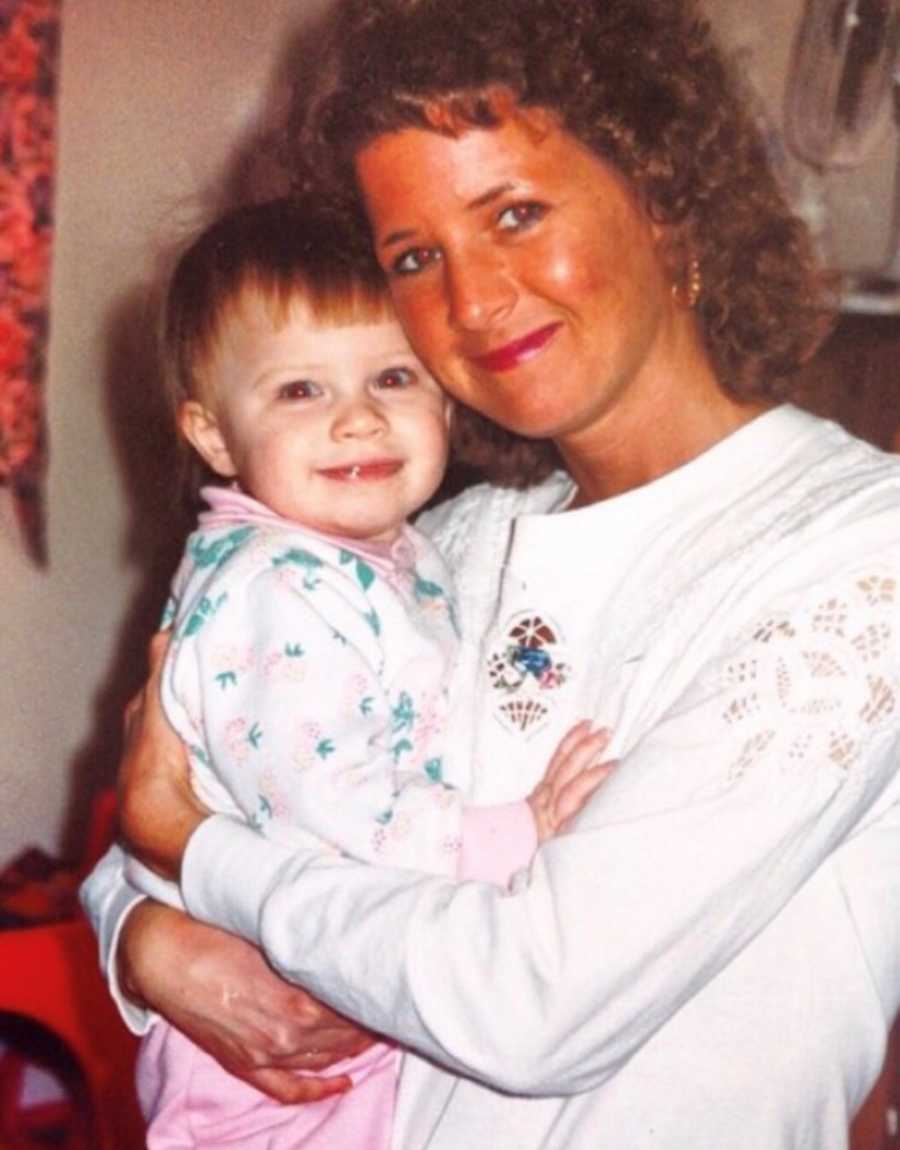
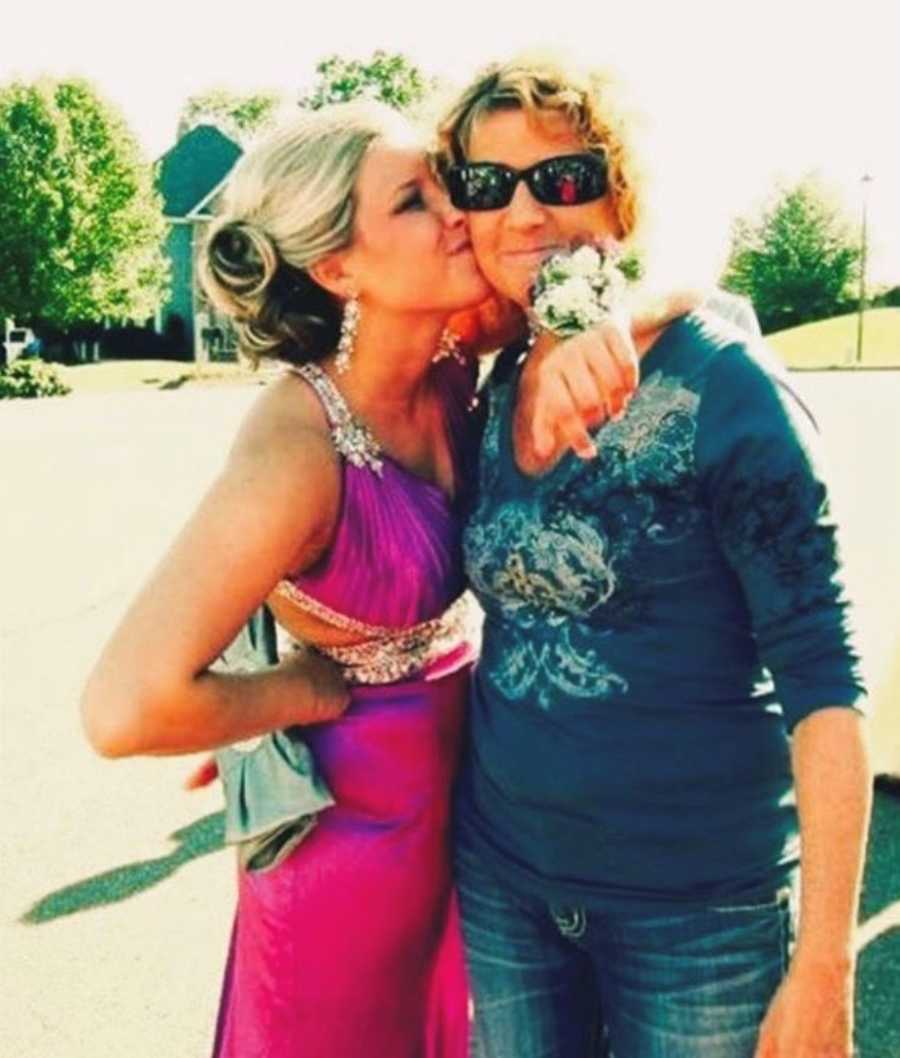
Growing up as an only child was a little different from most of the people I knew. My friends had siblings who were sometimes their best friends, sometimes their worst enemies. I had my parents. And because of that, I was closer to my mom and dad than anyone else I knew. I never went through the awkward “I hate you, I’m embarrassed by you” phase. Sure, we bickered and argued—my mom and I especially, like sisters half the time during my teenage years—but I was never ashamed of her, never ashamed of him. I loved being around them. They were, and always had been, my favorite people in the world.
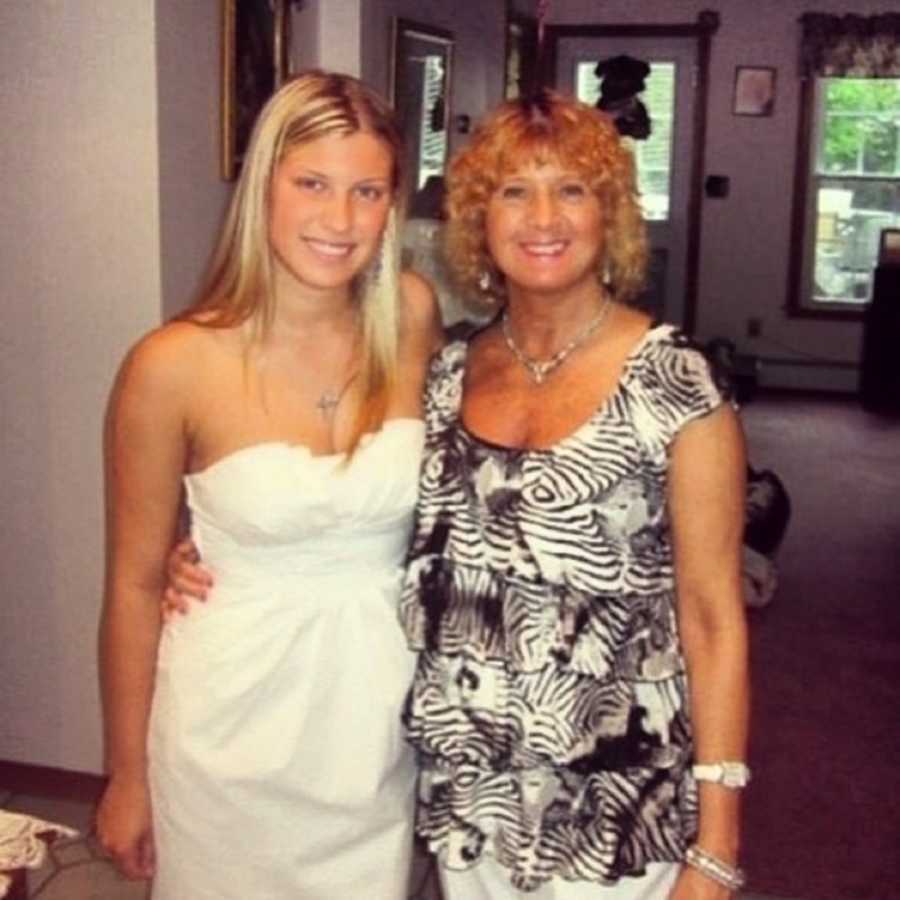
My house became a place where everyone felt at home. Friends came and went constantly, and they all adored my parents—sometimes I even thought they loved them more than their own. I told my mom everything. She was my confidante, my stronger half, the person who knew me better than I knew myself. I was lucky. I had a happy childhood, a wonderful family, and what I believed was an almost perfect life.
But everything changed on a spring day in 2012. I was rushing out the door for college—commuting to the local state school and still living at home—when my parents came barreling down the stairs, panic written across their faces. The left side of my mom’s body was completely numb. They didn’t know what was happening. My dad grabbed her and rushed her to the hospital, insisting he would keep me updated. “Go to school,” he said. “Keep yourself busy.”
Of course, he couldn’t tell me anything over the phone. He said we had to talk in person. And when someone insists that, it’s never good news.
Sitting across from him, my heart pounding, he said the words I’ll never forget:
“Mom isn’t going to be coming home for a while. She is really sick.”
He explained that they had discovered multiple tumors in her brain. She would need emergency brain surgery the next morning, and doctors would run tests to see if the cancer had spread and determine its type. I remember screaming, hyperventilating, feeling as though my entire world had collapsed. How would I go on without my mom?
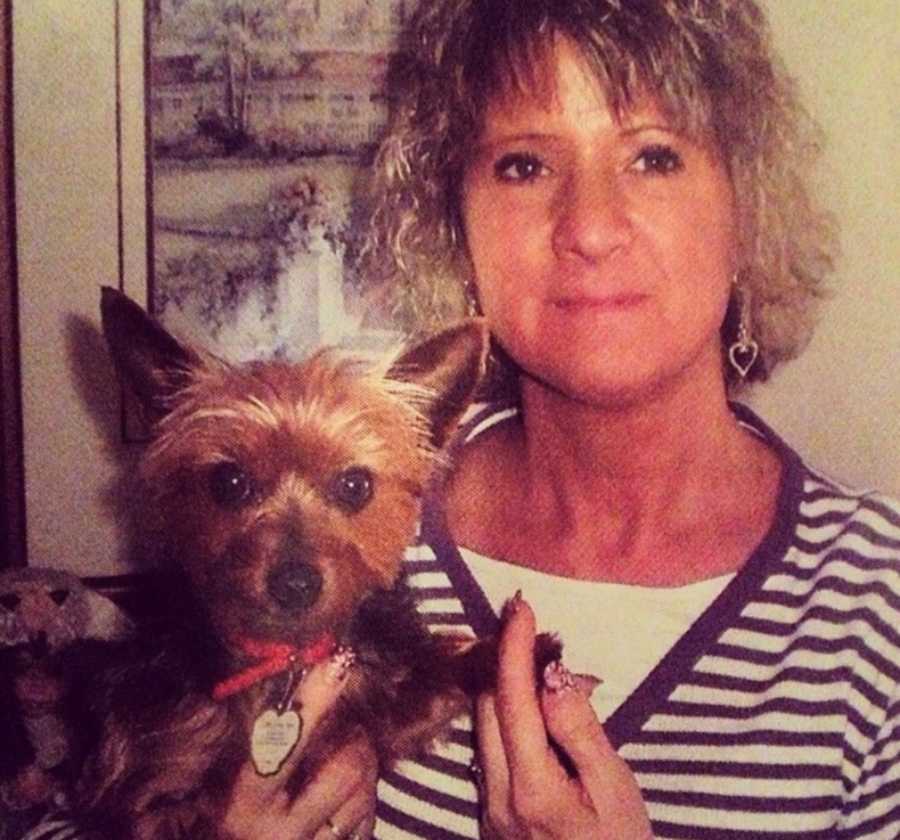
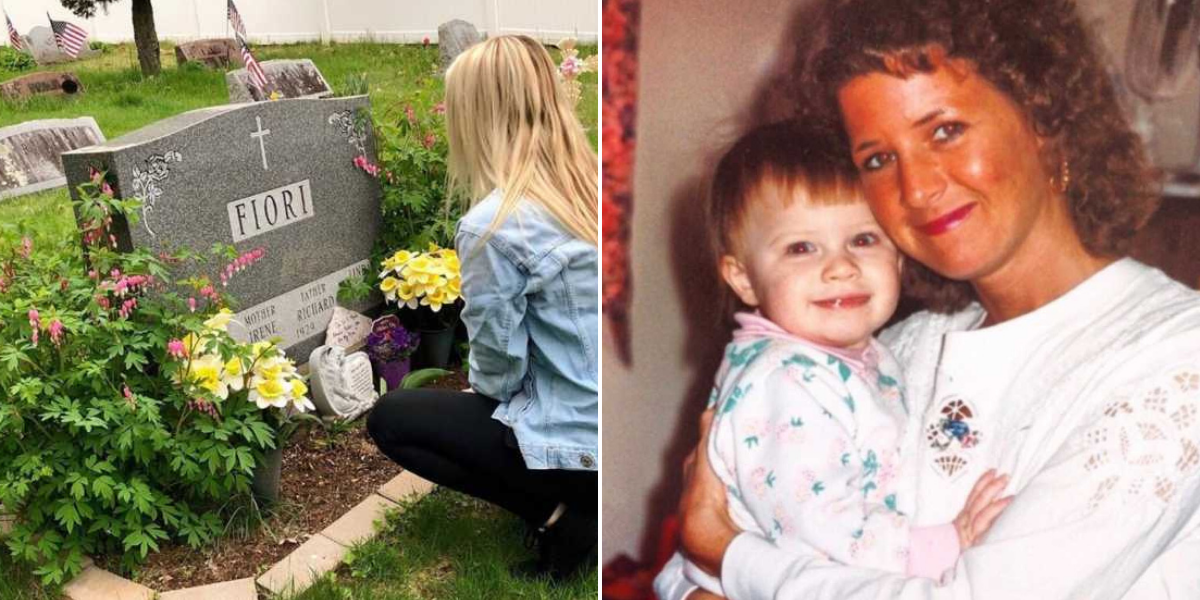
The following days—weeks, really—were a blur. My mom was diagnosed with stage 4 metastatic melanoma, with tumors in almost all her organs. I sank into denial, numbing myself with alcohol and avoiding any emotions I couldn’t bear to face. This wasn’t happening. It couldn’t be. But it was real. There would be no miracle. My mom didn’t beat the odds. Almost exactly seven months after her hospitalization, she passed away.
And just like that, the only child who had always loved her parents endlessly was left, at 19, trying to navigate life without her mother.
The early days of grief were a haze of heartbreak and confusion. I remember very little about the funeral except that friends and family came from near and far, some traveling back from college just to support me. I appreciated them, I truly did, but there was little they could do. Nobody could truly understand what I was feeling—except those who had walked this path before me.
I sought out those who had lost a parent and opened up only to them. They became my guides through the pain. They offered a kind of understanding no one else could. Even now, seven years later, many of them remain just a text away, supporting me through life’s ongoing challenges.
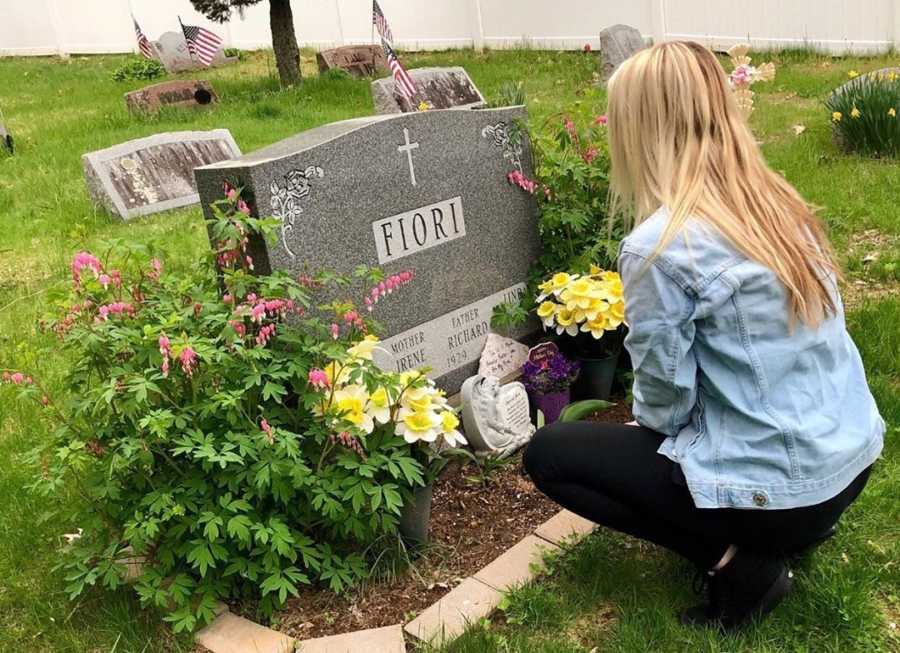
The journey through grief has been long and winding. It took time, mistakes, therapy, and a lot of self-discovery to reach a place where I could function, laugh, and even find purpose again. My dad has been my anchor through it all—selfless, unwavering, and endlessly supportive. I truly don’t know how I would have survived without him.
I graduated college on time, then went straight to graduate school to pursue a Master’s in social work, dedicating myself to helping others facing loss and trauma. I started a blog, which became a lifeline—a place to immerse myself, to process, and to find meaning amid the grief.
Even now, grief is not linear. Milestones come, and my mom isn’t there to witness them. There are moments that still hit like a punch to the chest. And yet, while the pain never fully disappears, it softens over time. Grief is a rollercoaster, each day presenting the possibility for fresh sorrow or unexpected healing. It never gets easy, but it does become bearable. I promise it will hurt less with time, and you will learn to carry your memories with love instead of anguish.