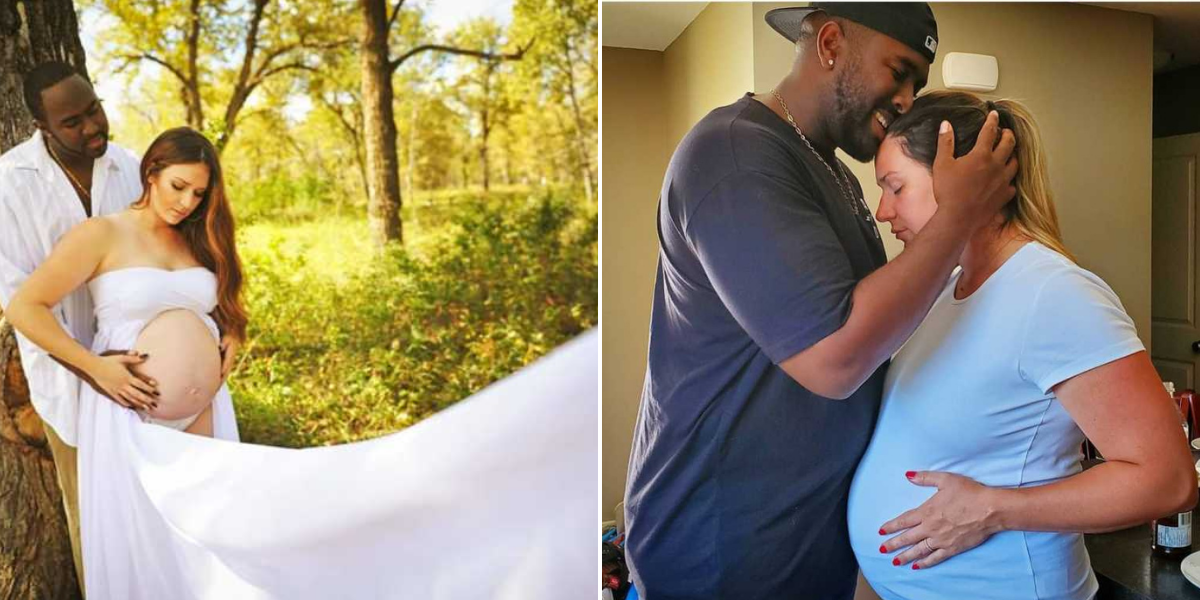
“There’s no heartbeat,” the sonographer said, her voice trembling.
“What?” my wife and I said at the same time, clutching each other’s hands so tightly it felt like we were trying to hold the world together. “What does that even mean? Is the machine broken?” I wondered silently, struggling to form words. My wife lay still on the examination bed. She didn’t blink. Her green eyes stared blankly at the ceiling, distant and empty, as if a part of her had already left this world. The room felt suffocating, darkened even further by the weight of our grief. The sonographer continued to move the ultrasound probe over my wife’s belly, searching desperately for signs of life. I couldn’t bring myself to look at the screen. I squeezed my wife’s hands, silently trying to absorb her pain. And then, a small glimmer of hope flickered in my mind: there are two babies. Maybe, just maybe, one of them is still okay.
My heart raced, threatening to escape my chest. “So… no heartbeats at all?” I asked, my voice cracking.
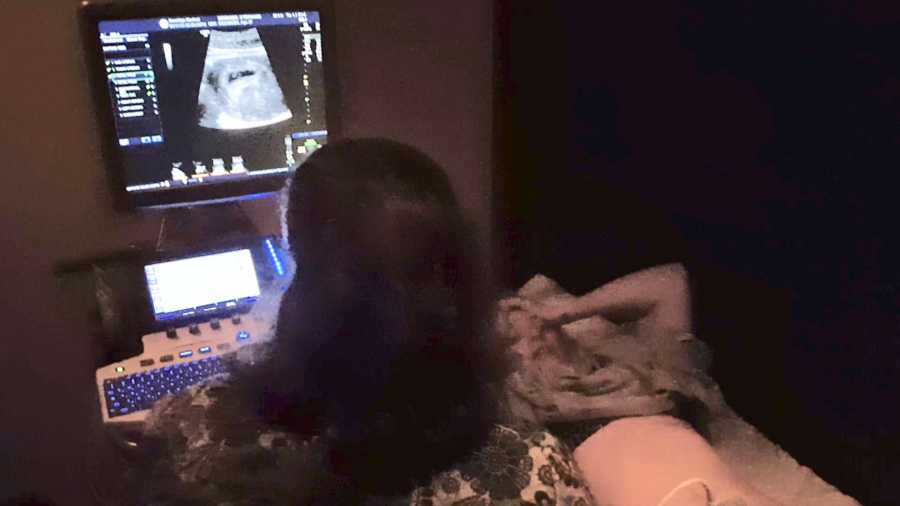
The sonographer shook her head, avoiding eye contact. “I’m so sorry,” she murmured.
My wife’s voice broke as she whispered, “What happened? My doctor said I was perfectly healthy.” Tears traced down her cheeks, and I cupped them in my hands, feeling helpless.
“At 10 weeks, it’s often impossible to know why,” the sonographer said gently. “It’s nothing you did. I wish I could tell you more. I’m truly sorry for your loss.”
It was early April 2016 in Calgary, Alberta, Canada. We walked out of the building, numb and disoriented. I tried to hold my wife, but supporting her felt like trying to carry both her body and the weight of the world. A quick glance at her face reflected the same confusion etched onto my own.
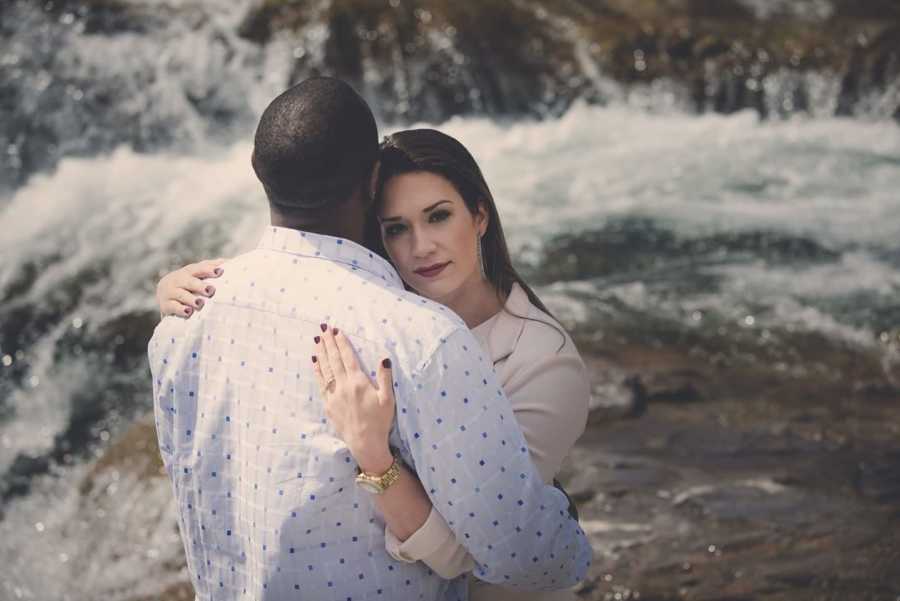
As we drove home, my mind spiraled back in time, desperately searching for answers. How could this happen? But instead of clarity, all I could remember were moments of joy: the day we took the first positive pregnancy test, the excitement of discovering we were expecting twins, and our first ultrasound just four weeks earlier.
“Baby, we’re having identical twins!” I had shouted with pure excitement. “Oh my God, I could cry right now!” I remembered saying, tears of joy streaming down my face. That same darkened ultrasound room, once a place of hope and life, now felt cruelly empty—a place where our dreams of a bright future were suddenly ripped away.
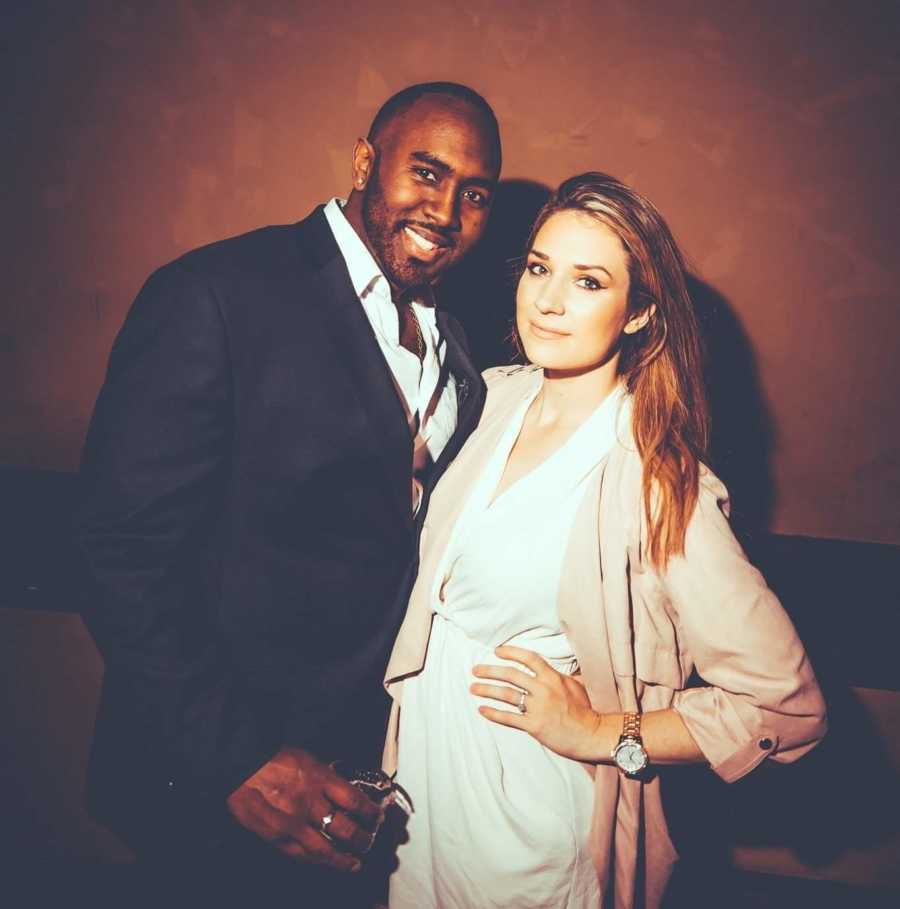
At home, around 10 a.m., we collapsed onto our couch. Our 17-month-old son was being cared for by the grandparents, and we were left alone with our grief. I wrapped my arms around my wife’s trembling body, and she began to cry uncontrollably. “I don’t understand,” she sobbed, gasping for air. I wanted to stay strong for her, but my own grief overwhelmed me. My tears soaked her shirt. I couldn’t swallow, couldn’t think clearly. All I could imagine were the tiny lives we’d lost—the babies we would never meet, never hold, never say goodbye to. We didn’t even know their genders. The sense of helplessness crushed me from the inside.
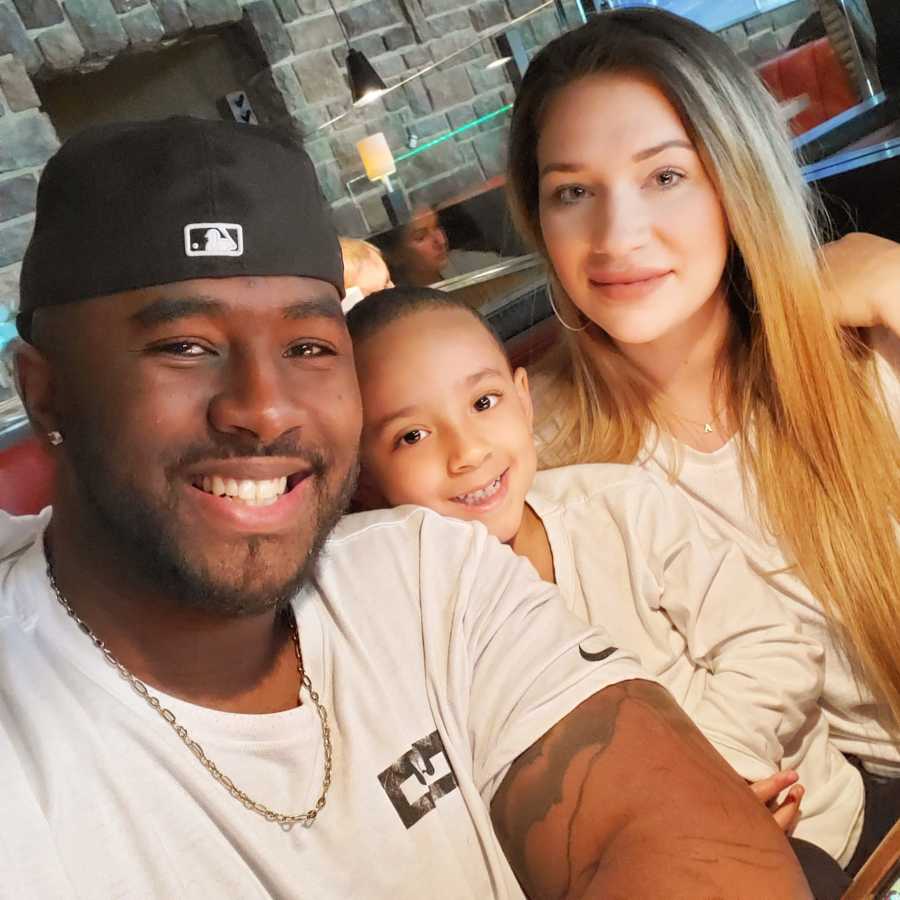
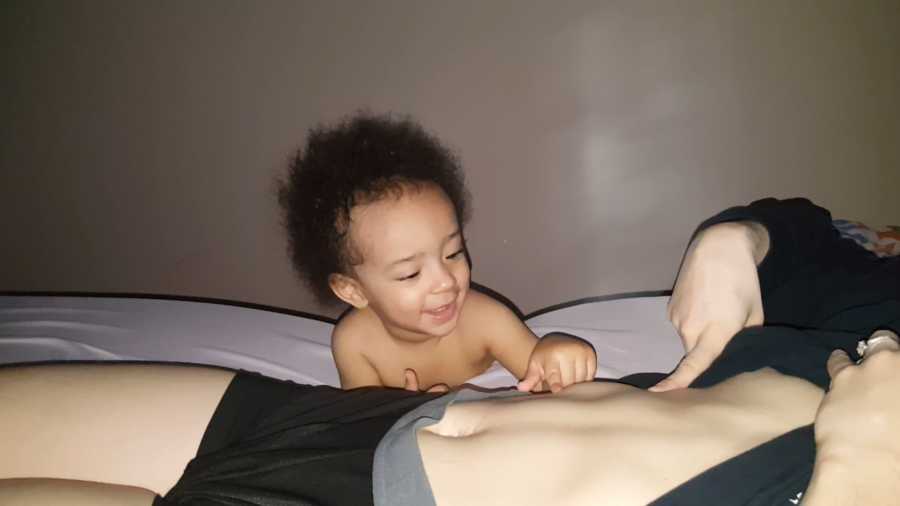
I wondered if this was God’s plan, if our faith was being tested, if there was some hidden reason for our heartbreak. Identical twins had been labeled a high-risk pregnancy, but never in my worst fears did I imagine we would be part of the statistics. In the days following, we avoided conversations about the loss, especially after my wife underwent the surgical procedure to remove the placenta. Yet, our young son would occasionally point at my wife’s belly and say “baby,” forcing us to relive our grief in those quiet moments.
By mid-April, I could no longer contain my emotions. I poured my heart into a poem titled My Identical Twin Angels. Writing had always been my sanctuary, a place where grief could run wild and unspoken words could breathe. Sharing the poem online, I hoped to open a dialogue about miscarriage and to seek emotional support for my wife and me. Responses flooded in—friends, strangers, even people who had suffered multiple miscarriages, including the loss of twins, yet had gone on to have healthy children. Their stories gave us hope and reminded us we were not alone.
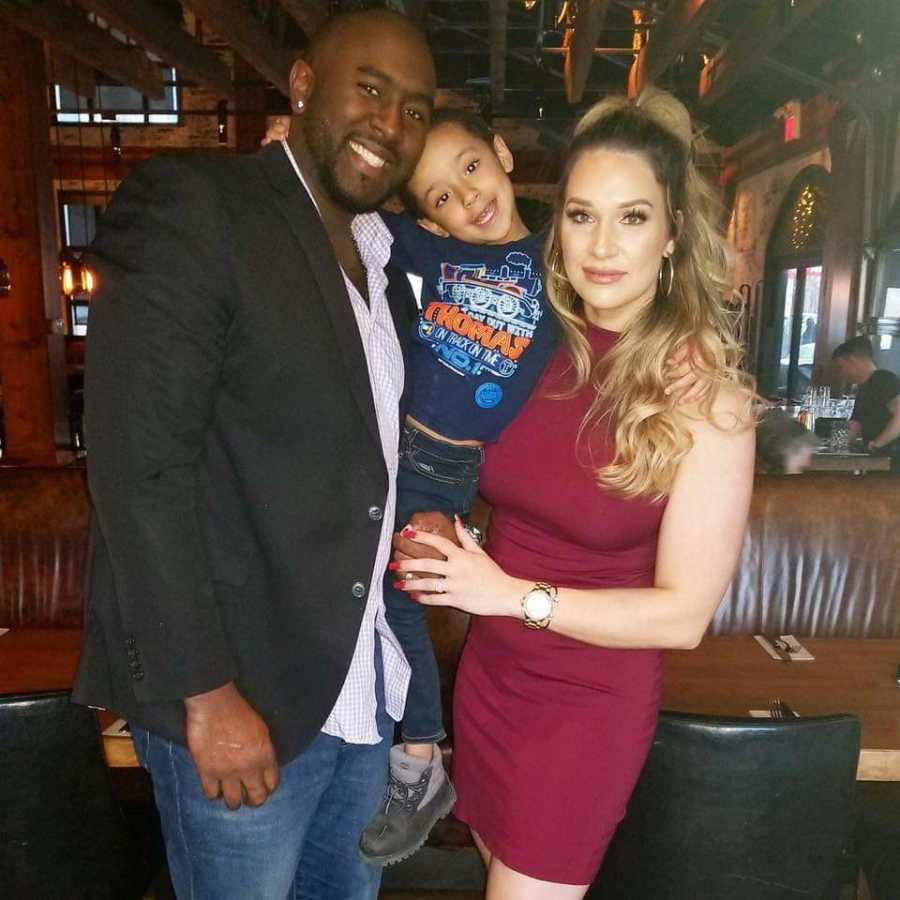
Months passed, and our son’s longing for siblings grew. “Mommy, Daddy, will I ever become a big brother?” he would ask. My wife and I understood the depth of his desire. Growing up in households of three children, we knew the power of siblings’ love. Seeing him play alone, yearning for companionship, broke our hearts. “One day,” I would say, “you’ll be the best big brother ever.”
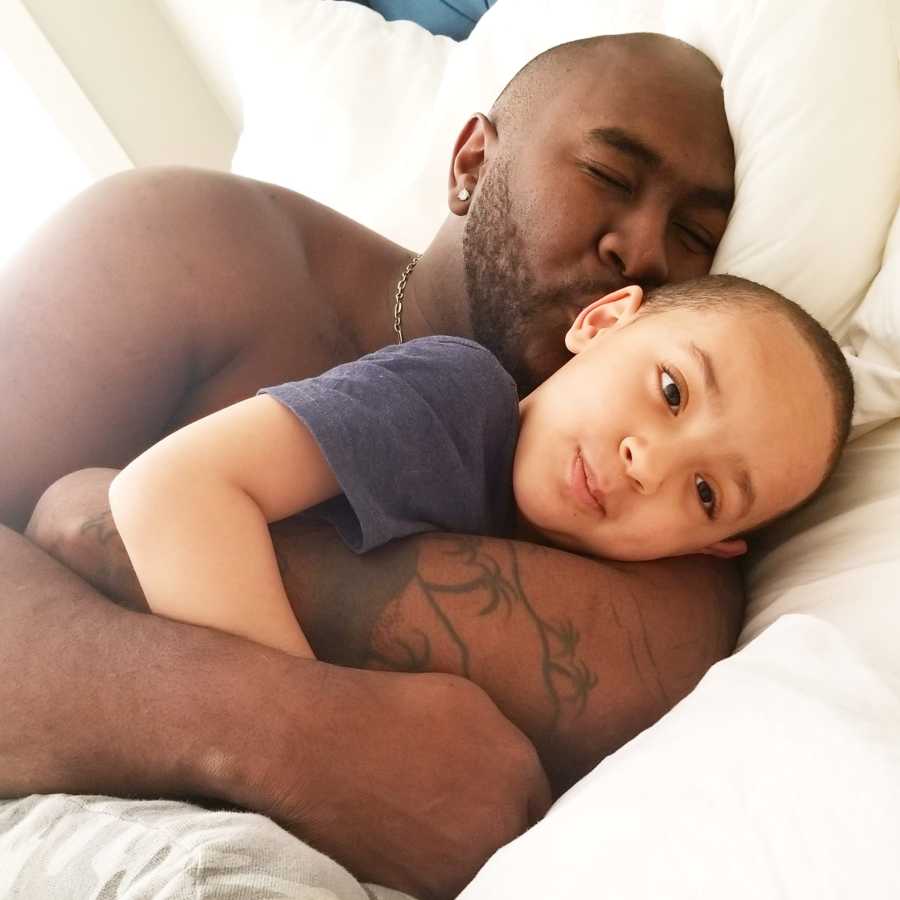
Behind closed doors, we struggled. We had been trying to conceive again, but fear haunted us. “Babe, what if it happens again?” my wife whispered, tears brimming. “I don’t know if I can handle it.”
“We have to be ready for anything,” I told her. “I’ll always be here to support you.”
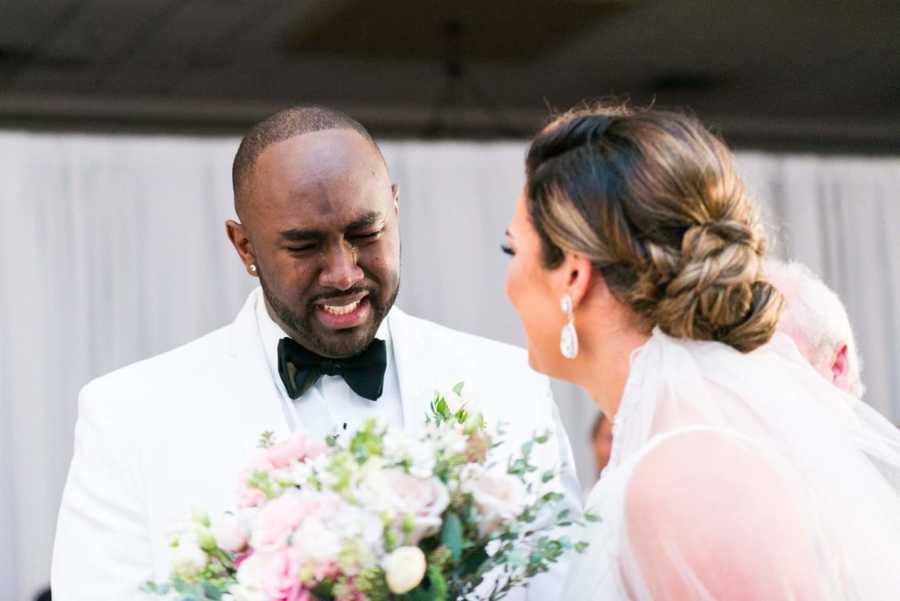
We took every precaution, tracked fertility cycles, and considered assisted conception. Every month brought anticipation, hope, and disappointment. We endured false alarms, tears, and self-blame. I even blamed myself, fearing my own fertility issues had caused our struggles.
Then, on January 10, 2019, just ten days after writing our New Year’s resolutions, a miracle happened. My wife appeared in my home office, holding a pregnancy test. Her hand covered her mouth, her eyes shining with tears. I felt my heart stop and then burst with joy.
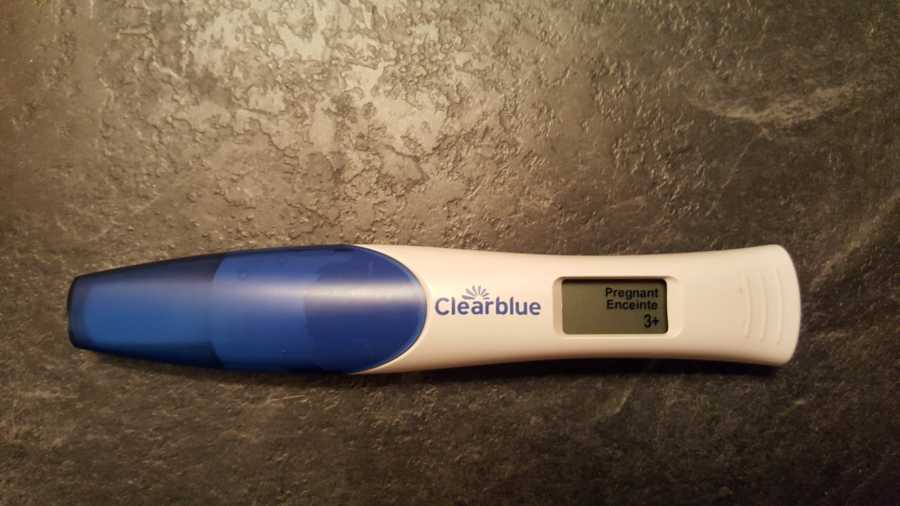
“You’re pregnant?” I shouted, disbelief and elation mingling as I spun her around and kissed her endlessly. The test confirmed it—two solid lines. “I love you so much!” I cried, picking up our now four-year-old son. “Amarion, you’re finally going to be a big brother!”
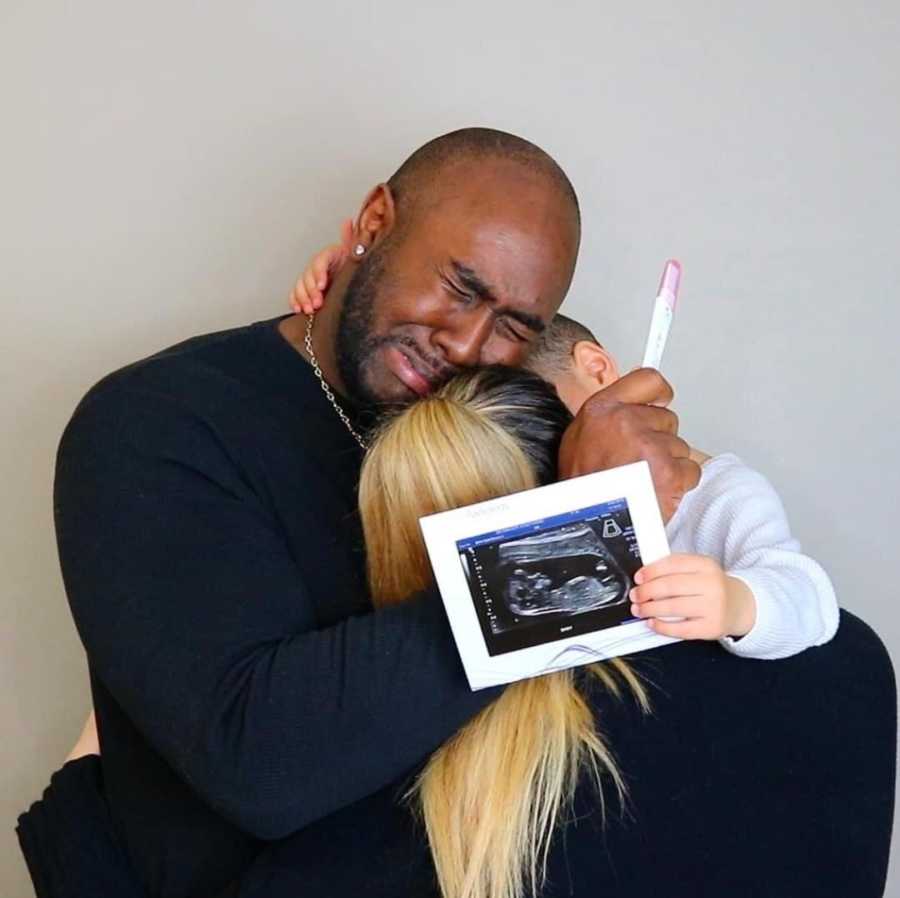
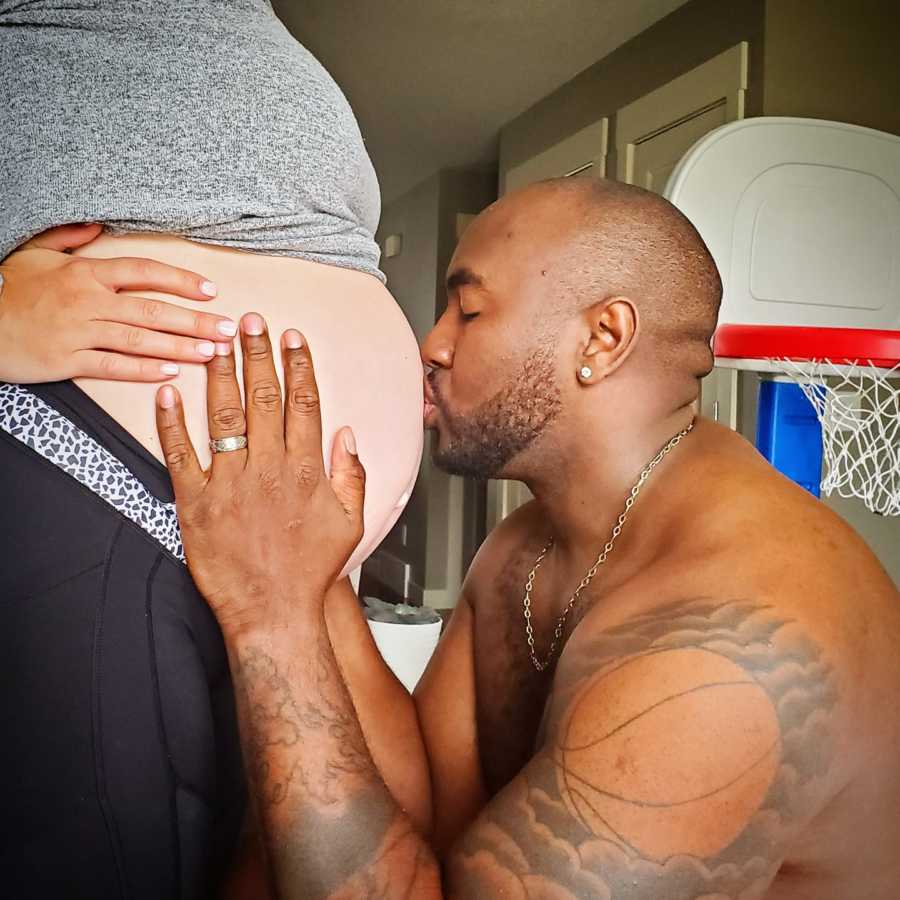
Despite the joy, shadowed memories lingered. Fear of miscarriage, paranoia about complications—they haunted every moment. Yet, as my wife’s pregnancy progressed into the third trimester, hope and gratitude carried us forward. We looked ahead to October 2019, when we would finally meet our rainbow baby boy, holding him in our arms and crossing the finish line together, hand in hand.