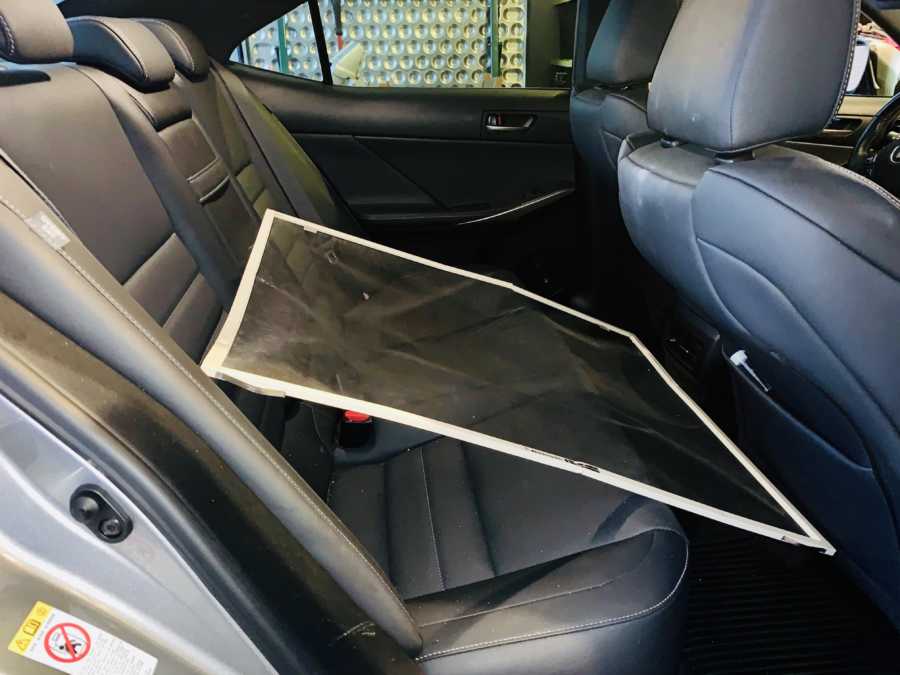
I am currently driving around with a broken window screen in my car. Not just the mesh—the entire thing. Frame and all. It’s been riding in my backseat for about two weeks now. At first, it was meant to remind me to stop by a hardware store and grab a replacement. Simple, right? Apparently not. After calling around, I learned that window screens aren’t something you just buy. You have to make them. I don’t understand this. I am not a DIY person. Pinterest and I are not friends, and on the rare occasions we try to be, I fail spectacularly. So now I’m supposed to construct an actual window screen? Suddenly, I understand why some people never fix things around their house. I can feel myself becoming that neighborhood woman—the one with missing screens—because as they break one by one, they’ll probably just end up piled in the backseat of my car until some solution magically appears. Adulting is confusing. And exhausting. I’m not joking.
Just today, I had to pay bills. I try to stay on top of them because I enjoy things like running water and air conditioning, but that doesn’t mean I don’t dread it. I spend more time trying to remember usernames and passwords than I do getting ready for the day. I even attempted to set everything up with facial recognition on my phone, but sometimes my phone doesn’t recognize me. I’m not sure what Apple is trying to tell me, but my teenager never has trouble unlocking it, so maybe when I don’t resemble a beautiful 16-year-old girl, it just throws the system off its axis. Axle? Whatever. That’s confusing too. On top of that, my bathtub is leaking, my air conditioner is leaking, and I’m not entirely sure if my refrigerator is leaking or if someone keeps dropping ice cubes on the floor and leaving them there. Either way, my house feels like one giant puddle. Between work, writing, kids, and my charity, I simply run out of time for these things. I figure if the house eventually collapses into a sinkhole, I’ll call someone then. Until that happens, just thinking about it gives me a headache.
Speaking of headaches—I don’t usually get them. But in November of 2015, I had one I will never forget. I had just come home from a long graveyard shift and was getting ready for bed. Right before I climbed under the covers, my head began to pound. Not a mild ache. Not a warning throb. Out of nowhere, it felt like heat and pressure rushed from the back of my neck to the front of my forehead and completely took over. The pain was unlike anything I had ever experienced. Worse than childbirth. Worse than surgery. Worse than answering the same question from my kids four times in five minutes. I grabbed my head, took ibuprofen, and tried to lie down. When that didn’t help, I tried to make myself throw up. When that failed, I tried a cool washcloth over my eyes. When that didn’t work either, I cried. And when none of it helped, I called my husband.
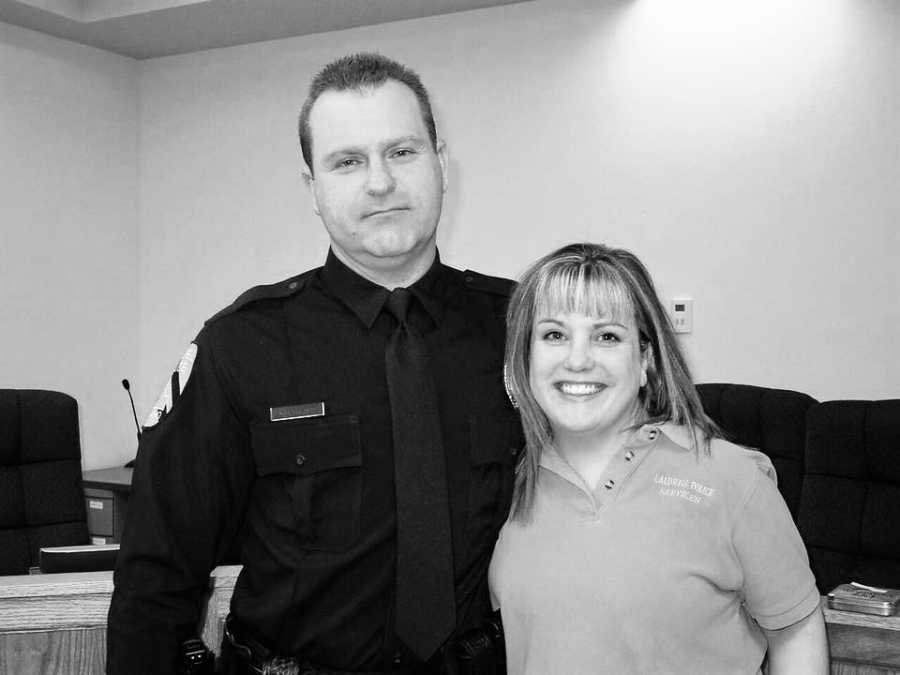
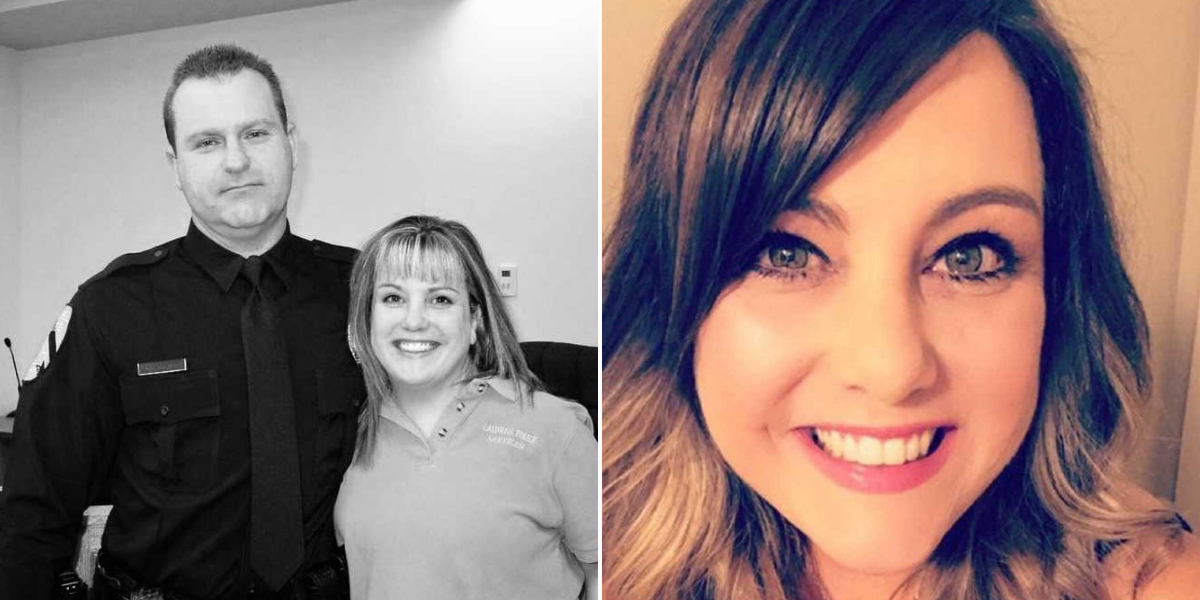
Chad was at work—he was a police officer—and calling him was my absolute last resort. I didn’t want to bother him while he was on duty. But by the time he got home, I was curled up on the bathroom floor in the fetal position, sobbing. He quietly asked what was wrong, and I tried to explain, but it hurt to talk. I told him I just needed to get sick because I had heard that throwing up helps migraines. He waited patiently while I tried. He didn’t touch me. He had learned that lesson years earlier when I was in labor with our daughter. Nothing worked. Finally, he broke the silence and said we were going to the hospital. I wanted to protest, but I couldn’t form coherent words. I couldn’t think. I could barely speak. All I could do was scream. My vision blurred. My legs wouldn’t cooperate. While he rushed around grabbing my purse, I did the only thing I could do—I crawled. I pulled myself across the floor, gripping whatever I could to get to the door. When he saw me, he dropped everything, wrapped an arm around my waist, and lifted me up. He carried me to the car until my feet gave out, then picked me up like a baby and placed me in the passenger seat, tossing my legs in before shutting the door. I was still screaming. Sometimes I wonder what the neighbors thought as he carried my nearly lifeless body to his patrol car while I made prehistoric noises from somewhere deep inside me. But with four kids in our house, they were probably used to screaming and didn’t think twice. Either way, we made it to the hospital. Everyone thought I was having an aneurysm—but it turned out to be the opposite. Instead of a blood vessel bursting, mine had constricted, like a charley horse in my brain.
What stays with me most from that day isn’t the pain, or the IV, or even the awful taste of saline. It’s the moment I asked the doctor what could have caused it. He replied, “Have you been under any stress lately?” I looked at Chad. Chad looked at me. I laughed. He laughed. The doctor laughed because we laughed. The nurse nervously laughed too. What the doctor didn’t know was that my husband had recently been diagnosed with terminal cancer. He had no idea that the strong, tan, smiling man with a dad bod sitting beside me was dying. He didn’t know that the man who carried me into the ER would soon be the one writhing in pain, with no medication to fix it, no discharge papers, no relief. There would be no laughter then. Well—that’s not entirely true. Chad made the entire hospital room laugh just hours before he stopped breathing. Less than three hours before he died.
That’s who he was. He took care of everything. He fixed everything. He would know how to fix the screen. He’d know how to fix the leaks, pay the bills, reset the passwords, convince the kids to pick up their own ice cubes. He knew how to fix the air conditioner—I watched him do it once with a piece of ground cover. He took care of me, our kids, the dogs, his mom…everything. And if I’m being honest, some days I barely function without him. I miss him. I miss knowing I had someone to rely on. I miss knowing I’d be picked up when I fell, or that I didn’t have to figure everything out alone. Now, every login, every account, every small reminder feels like a stab to the heart. Even after all this time, it still burns.
I wanted this story to be about survival. About how, when faced with loss like this, you will learn to rely on yourself—even though it’s hard and unfair. I wanted it to be about messing up and standing back up again.
But as I write this, something else feels more important. If you still have your person—and I hope you do—please take care of them. Let them take care of you. Whether it’s your spouse, your partner, your friends, or your children, stop what you’re doing and hold them. Learn the passwords. Learn how to fix things. Learn everything you can—but above all, learn how to love deeply and without hesitation. Let go of grudges. Drop the anger. Release the nonsense. I may regret not knowing how to fix everything in my house, but I will never regret holding him tighter once I knew he wouldn’t survive his disease.
Someone will read this and say I should have prepared better. I did. I prepared for the most important thing of all—making sure my husband died knowing he was fiercely and completely loved. I can survive not knowing everything, but I never would have survived if I hadn’t loved him the way I did. I would give anything to lay my head on his chest and hear his heartbeat again, even if I was mad at him. That may be the greatest lesson I’ve learned. I will never waste time again. I will never let an opportunity to love or be loved slip away. I hope you don’t either.