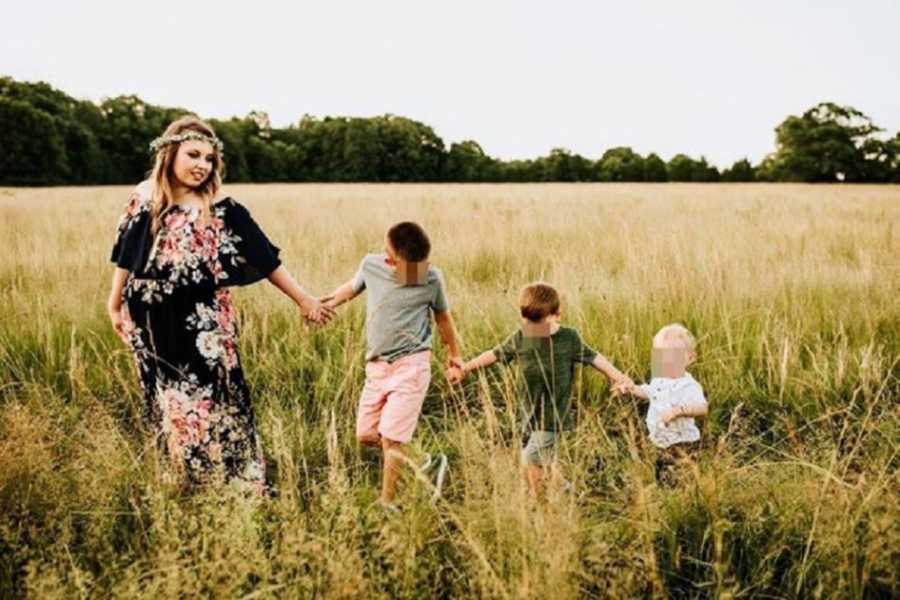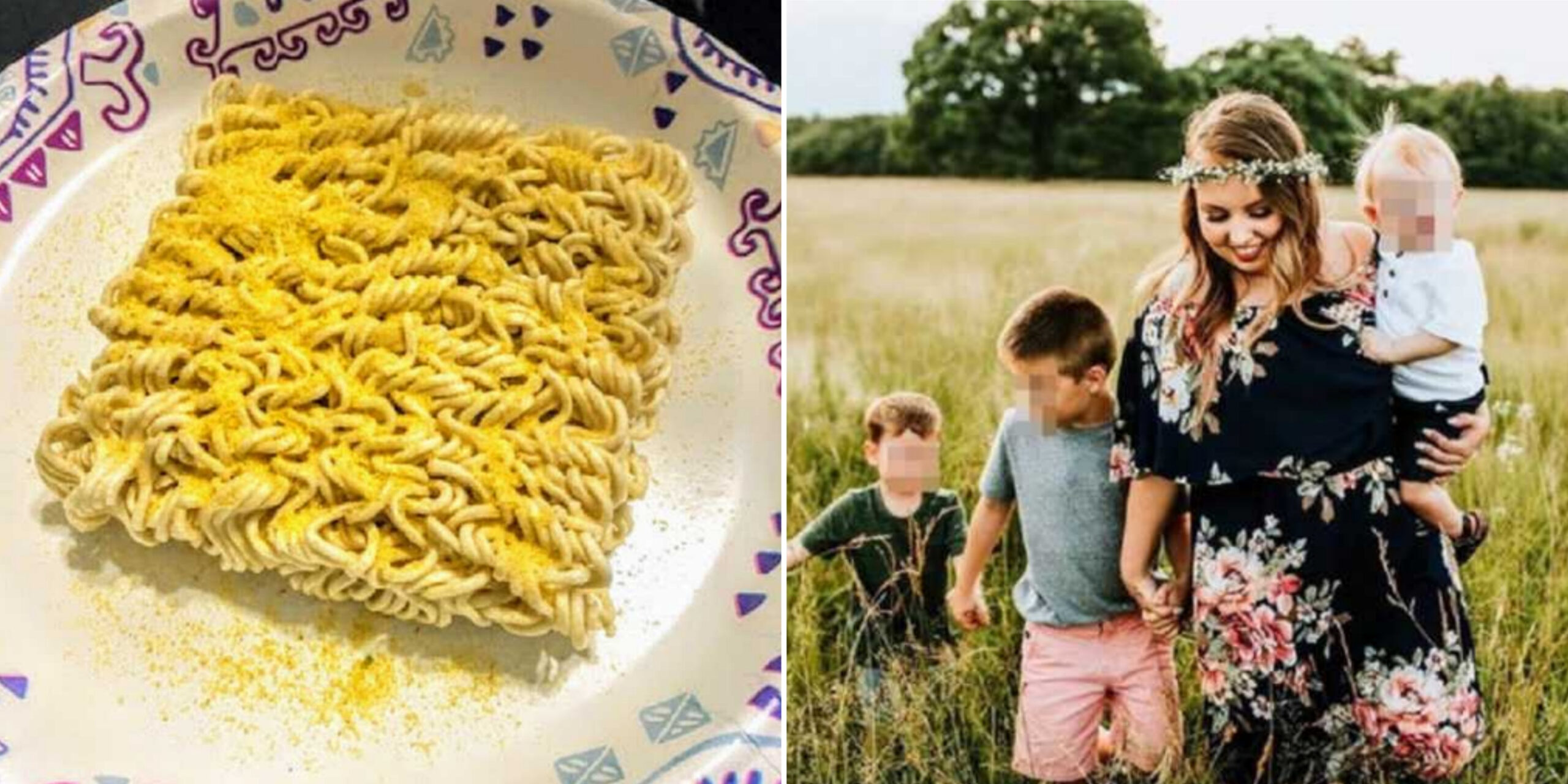
My cousin is a foster parent to five incredible children. Recently, she and her husband made the beautiful decision to adopt four out of those five siblings! Watching her embrace this journey has been such a joy—just as it was to watch her grow up herself.
What I love most about her is how she “keeps it real” when it comes to the raw, honest realities of fostering and adoption. She shared something on her personal page that struck me so deeply, I reached out to her to share it here because it’s powerful, important, and so very relevant:
Tonight, after 2.5 years of living with us, my oldest son sat down at the table with a plate of something that made me pause. He was about to dig in when I stopped him and asked what in the world he was doing.
He looked up and said, “I made myself dinner.”
“But… it isn’t cooked,” I said. “I can cook that for you, you know.”
“Well,” he replied, “I wanted to eat something I used to eat a lot with my old family.”
We sat down, and I asked him to tell me more. He explained that in his old home, they wouldn’t feed him because they were passed out (you can probably guess why). He had to make dinner for himself and his brothers, who were just 2 years and 4 months old when they came to us. He said all the money in the house went to cigarettes and other “fun things,” so he would scavenge change from the family van to buy Ramen packets from the store down the street—at just six years old.
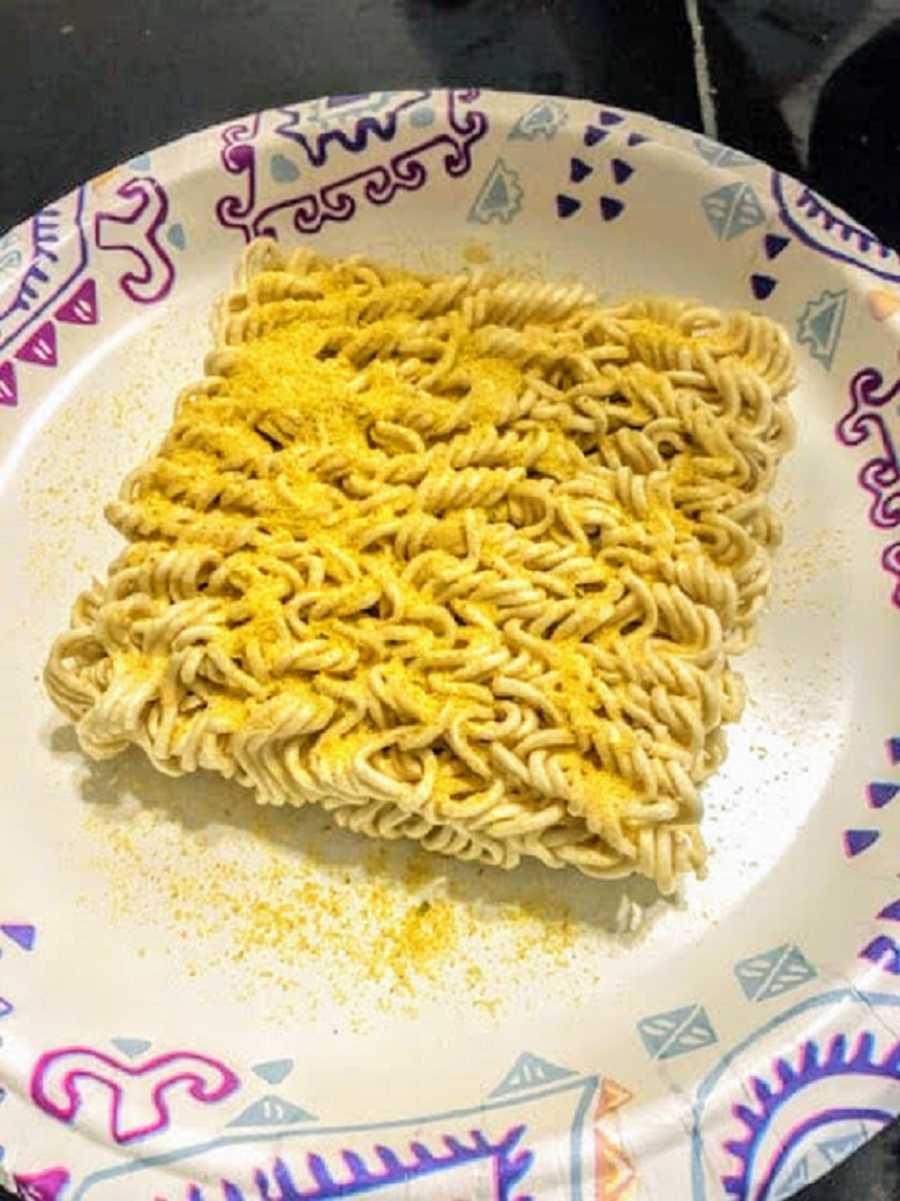
He didn’t even know how to boil water, so he ate the Ramen dry. And somehow, he grew to like it. He would break it up for his little sibling and try to make bottles for the baby… at six years old.
I asked him to make me some, and I sat beside him, crunching it down with lots of water because, let’s be honest, it’s not exactly gourmet. As we sat there, he started talking about the first time I made them Ramen. He hadn’t eaten it then, and I remembered asking why. He said it reminded him of those first Ramen packets, and he didn’t trust me. Big thoughts for a nine-year-old.
He told me he isn’t sad about not being with his “old family” anymore, but sometimes he likes to remember how strong he had to be.
I share this because it’s a crucial reminder: trauma doesn’t heal quickly. Sometimes it never fully goes away. Adoption doesn’t erase the past or the memories. Kids can change, and they will grow with love—but we must never give up on a child because they’re “hard.”
I walked away that night in shock, in sadness, and overwhelmingly proud of how strong my son is. He’s wonderful. And we love him so much.
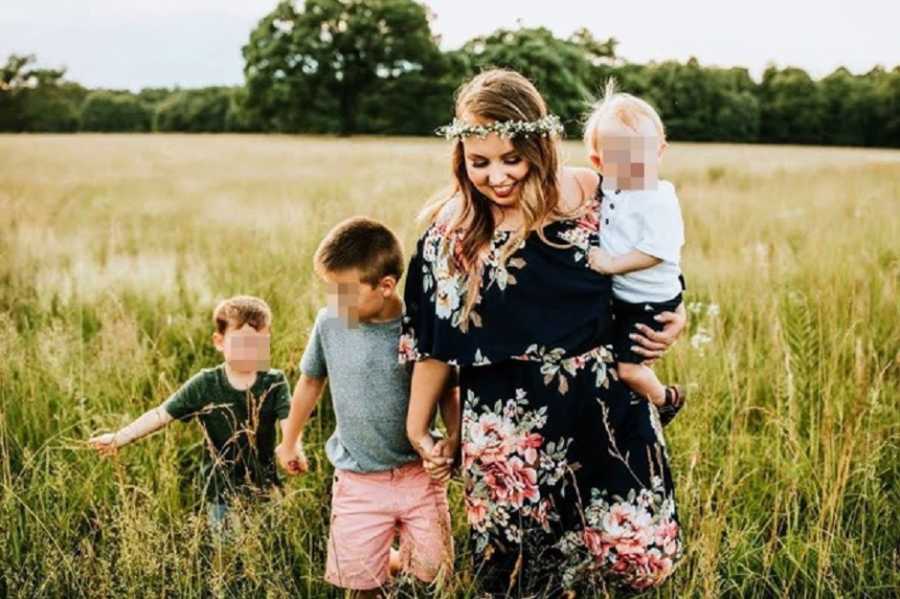
Friends, THIS is the lived reality of kids from hard places. THIS is what it means to raise children through a trauma-informed lens. We cannot imagine all they’ve endured. It’s not just one act of neglect or abuse—it’s living in survival mode day after day, making sure even the youngest siblings survive, often at the cost of their own childhood.
Trauma becomes a part of them, woven into every pore. Kids don’t just forget it—their brains and bodies won’t allow it. Those of us fortunate enough to enter their lives must be willing to sit down, eat uncooked Ramen noodles, and truly listen. We must never give up.
Because these kids? They don’t give up either.