“Are you alright?”
I must have looked flushed, my eyes distant and glazed over as the news landed.
“Oh yeah, I’m fine. No problem,” I replied automatically.
I slid off the exam table and started toward the waiting room. Then, without warning, time slowed to a crawl. My knees buckled beneath me, and I collapsed as heaving sobs erupted from somewhere deep inside, unlike anything I had ever experienced. A nurse caught my arm and gently lifted me from the industrial carpet, settling me into a stiff armchair. If there was any impulse toward embarrassment or shame, it was completely eclipsed by my spirit wailing in raw grief.
“Oh honey,” she whispered softly. “I am so sorry. It’s going to be OK.”
At 24 years old, I had been married to Peter for less than a year, and we were eager to start a family. Maybe the urgency came from my mother’s cancer diagnosis, or maybe it was driven by my dramatic, often traumatic menstrual cycles. Whatever the cause, hearing that I would not be able to conceive naturally struck me like a seismic event, one that cracked open everything I thought I knew about my future.
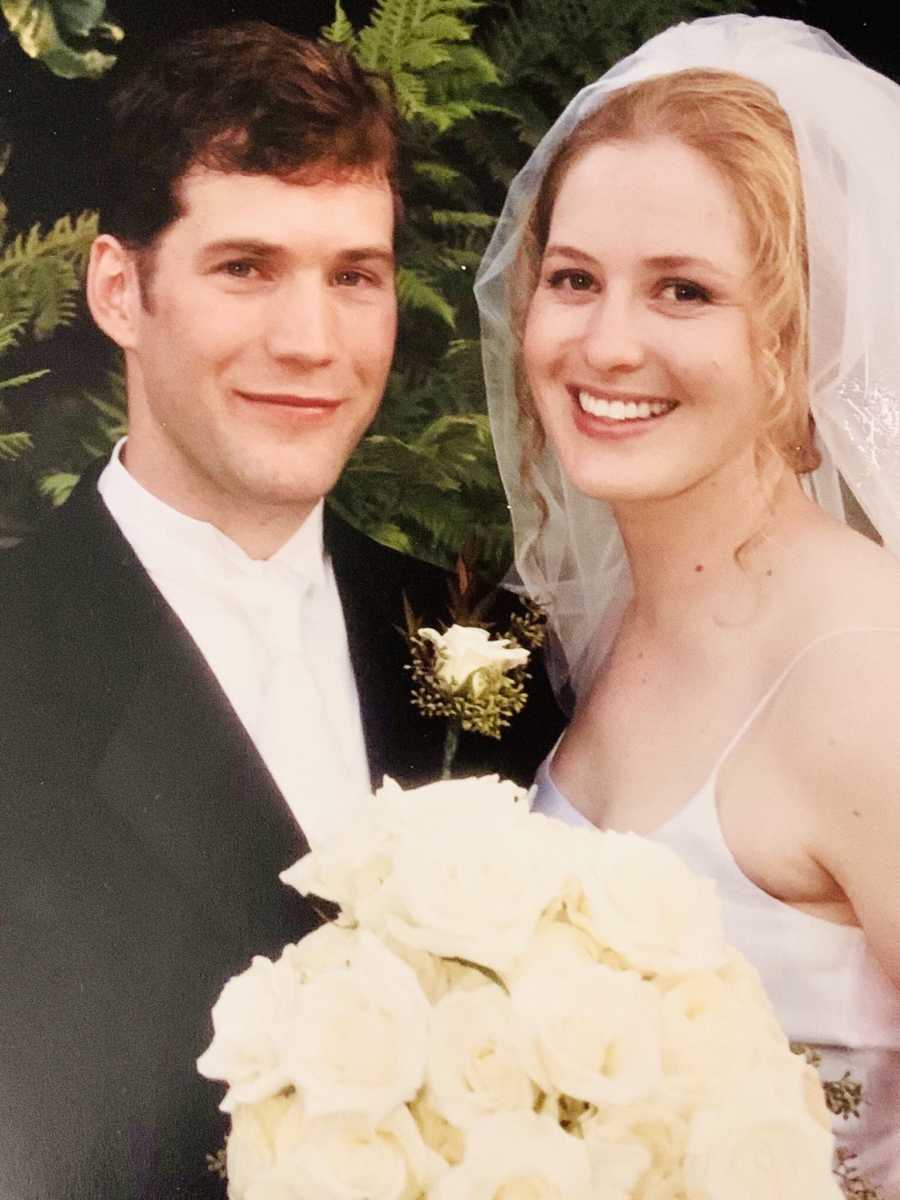
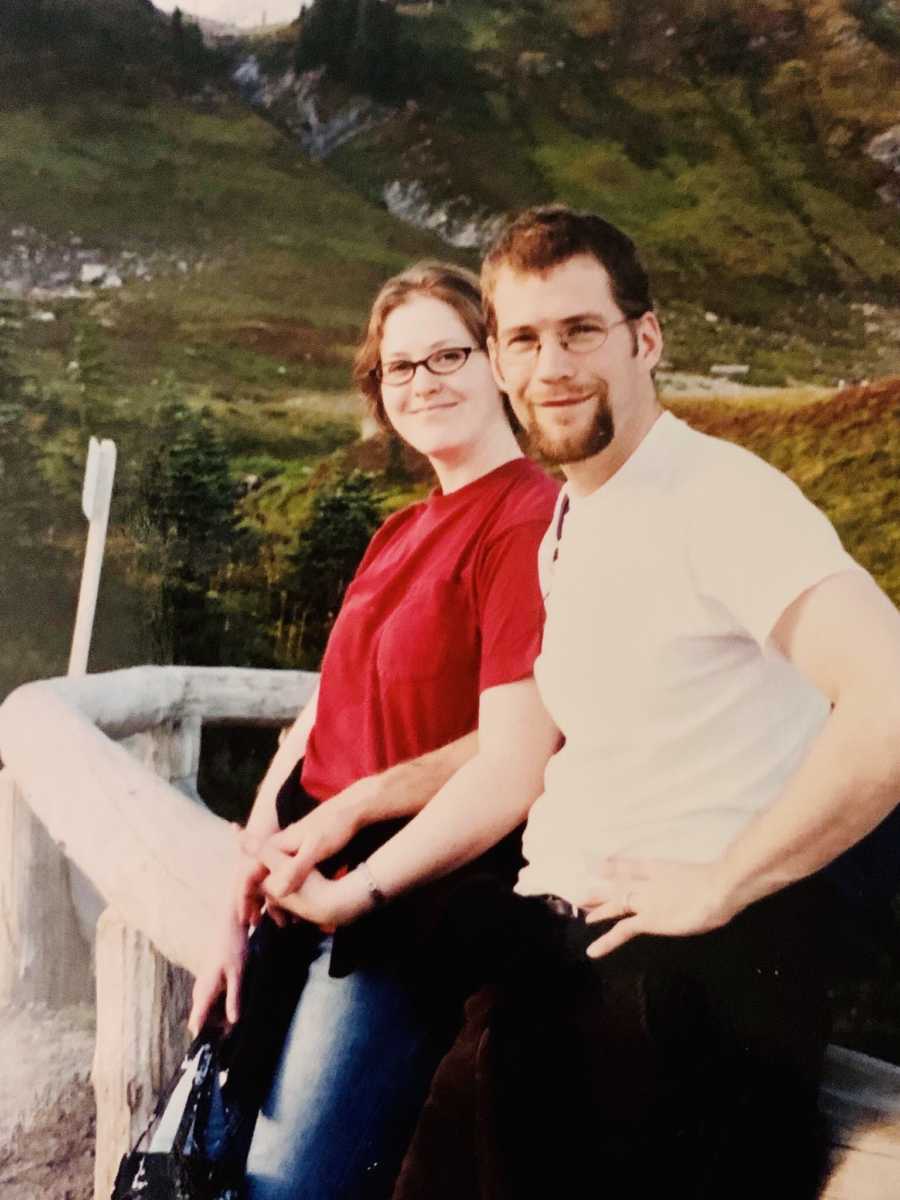
A few months and several excruciating procedures later—if you have never endured a hysterosalpingogram, consider yourself blessed; it’s every bit as awful as it sounds—I underwent surgery to repair my fallopian tubes. They had been damaged, irreparably as it turned out, by an infection I’d contracted from a previous boyfriend who apparently didn’t think disclosure was necessary. In an effort to clear the path for pregnancy, the surgeon essentially ran a plumbing snake through my insides. Without medical insurance and far from family support after a recent move to a new city, Peter and I returned to our tiny apartment exhausted and anxious. It was our first wedding anniversary. Though this was not the romantic milestone we’d imagined, we ate our frozen wedding cake and clung to one another, trusting that we were finally one step closer to our first child.
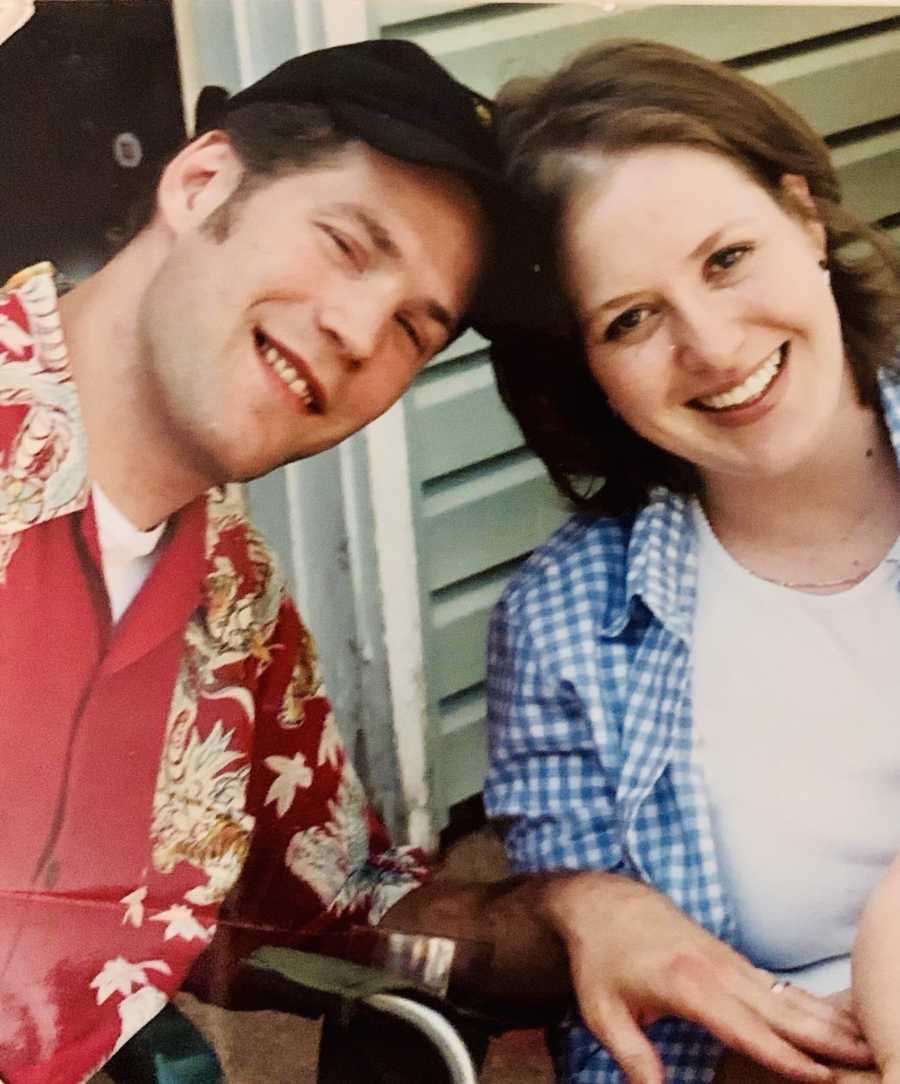
What followed was a devastating emotional roller coaster. One day we were laughing uncontrollably while attempting the proverbial medical turkey baster, marveling at the absurdity of it all. The next, we were consoling each other as yet another period arrived, reinforcing what I believed was my undeniable insufficiency—not just as a childbearer, but as a woman. The first surgery ultimately failed, leaving us facing impossible questions. IVF? More surgery? Giving up altogether? Each option carried an enormous emotional and financial cost, and we were wholly unequipped to shoulder any of them.
After heartbreak upon heartbreak, we reached our breaking point. No specialist could offer a viable solution within our means, and no well-meaning reassurance could fill the black hole that had taken residence in my chest. Had I failed Peter? Had I been naïve not to recognize the signs of infection sooner? Was motherhood simply not meant for me—and did that mean I was defective? Why did it seem so effortless for everyone else? The questions spiraled endlessly. Diaper commercials reduced me to tears. I trailed mothers with infants through the mall a little too closely. My grief hardened into an obsession, and still, there appeared to be no remaining path forward.
Then, nearly three years after that first appointment, something shifted. While working with a school community service program, I connected with Kinship Center, a foster care and adoption agency in Salinas, California, about setting up a project. Suddenly, a light flicked on in my mind. Of course. We had always planned to adopt, but we had placed biology first. Now, almost magically, everything made sense.
“Tell me more about what it takes to become an adoptive parent,” I asked as we wrapped up the business call.
“We have an information session once a month for prospective parents,” Suzanne, the social worker on the other end, replied. “This month’s session is tonight.”
“See you there,” I said. And we meant it.
Peter and I officially filed our paperwork on Valentine’s Day 2004. What followed was rigorous, deeply reflective training that challenged us in ways we hadn’t anticipated. We learned that loss lies at the core of every adoption, that open adoptions are often the healthiest path when all parties are safe and willing, and that issues like attachment disorders, long-term psychological impacts, and complex emotional landscapes were common realities. Perhaps the most powerful lesson of all was simple yet profound: monsters live in the dark. What we fear most is what we don’t understand, and once light is shed, solutions begin to appear.
Eight and a half months later, we received the call that changed everything.
“You’re going to be a mommy,” Suzanne said, her voice sparkling.
Once again, my body was overtaken by sobs. I cried with joy, with relief, in mourning for the children I would never carry, and in deep gratitude for the woman carrying our baby—hers, mine, and Peter’s—who had chosen us as a forever family. Time slowed again as I ran to my husband, breathless and shaking. “They found our baby! They found our baby!” We collapsed together on the floor, holding each other until we could gather ourselves in celebration. We had stepped aside and allowed the universe to work—and what miraculous work it did.
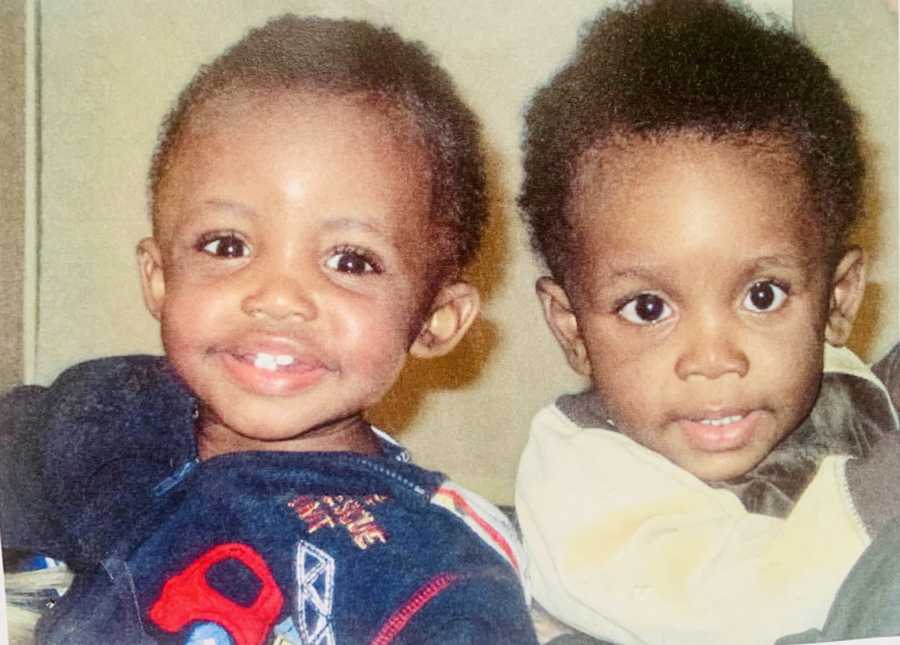
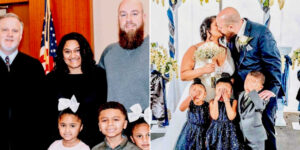
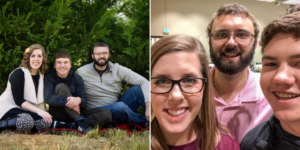
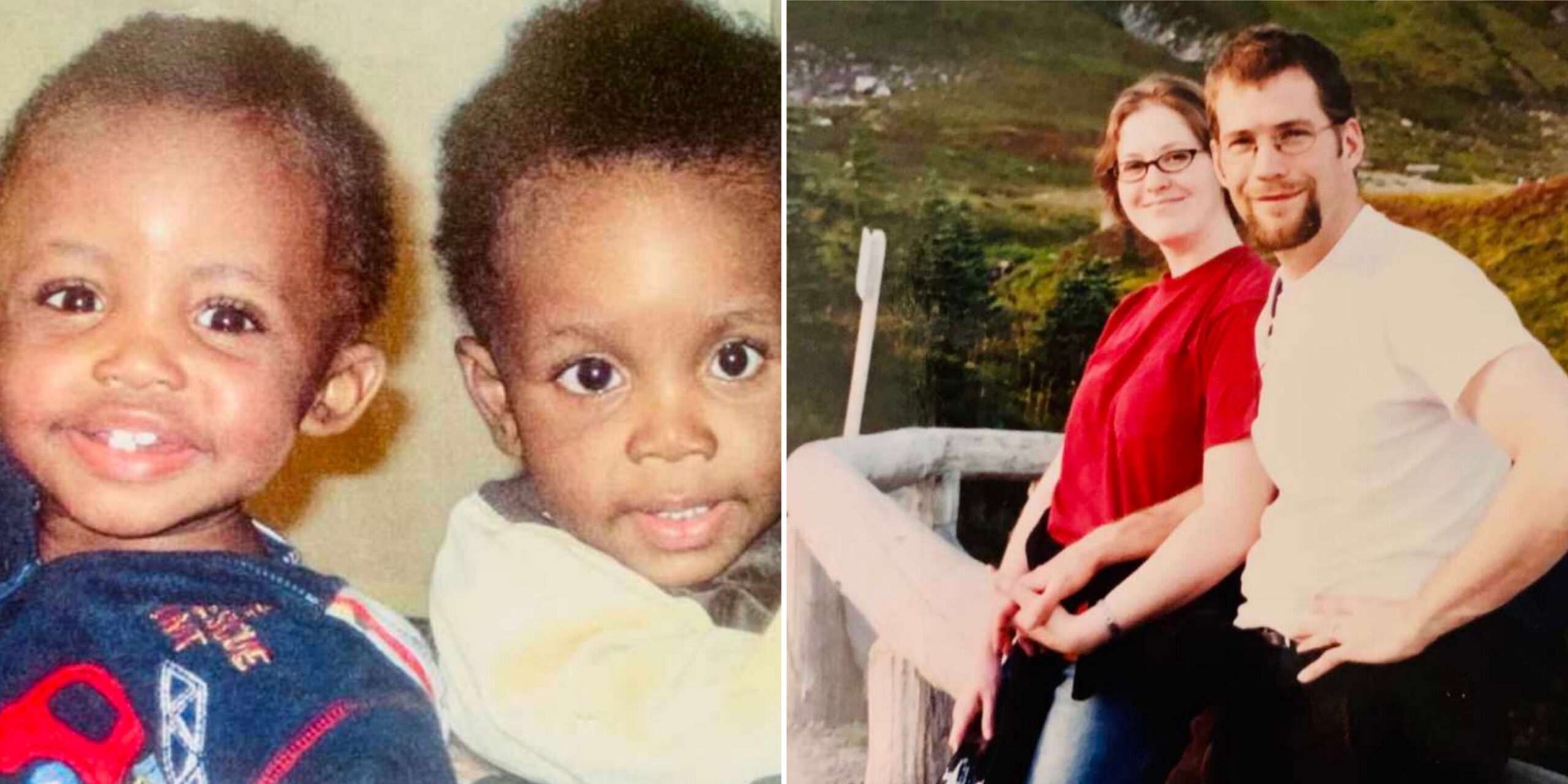
Elijah Paul was born nine months and two weeks after we filed for adoption, followed a few years later by our adopted twin sons. While I still occasionally wonder what it might have been like to carry a biological child, I no longer grieve that loss. Instead, I celebrate building a family entirely by choice, embracing differences both visible and unseen, and knowing that my boys—with all our ups and downs—are undeniably mine. When Peter died in 2012, the pain was immense, but I took profound pride in raising our sons as a single mother. Today, with my husband Tom, who adopted all three boys in 2017, we recognize that we are creating something uniquely beautiful together. We belong to one another completely, and I wouldn’t change our story for anything in the world.