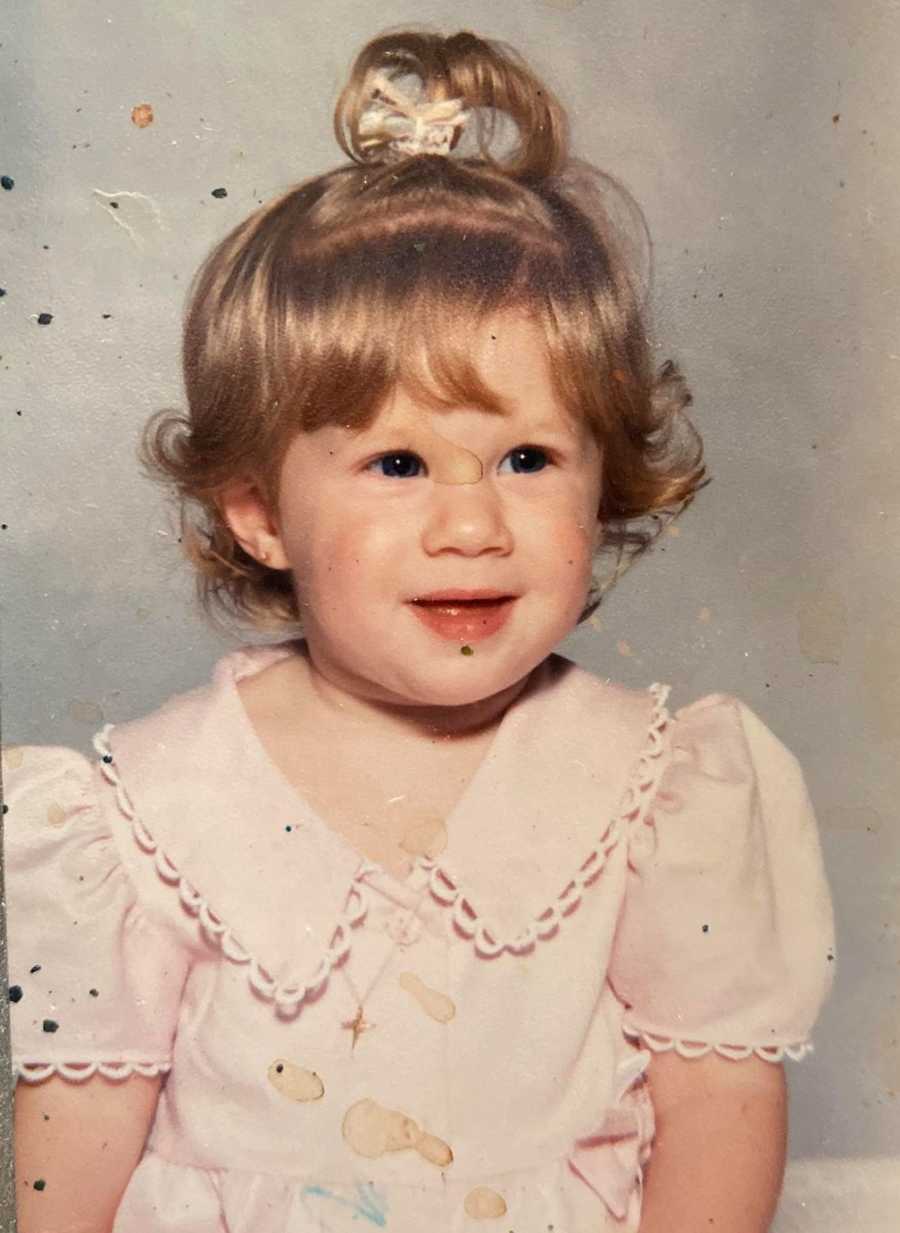
I wish I could tell you my childhood was full of sunshine and rainbows, that I grew up to be an honor roll student, graduated high school, and went on to college—but that wasn’t the life I was given. My dad tried his hardest to give my sisters and me the world, but my mom was consumed by a monster named heroin. Her addiction left a young me to raise my sisters, and even at nine years old, I became the “mom.” I cooked, cleaned, gave baths, helped with homework, did laundry, potty trained my sisters, and put them to bed—all so my dad could work full-time and support us. My childhood was lonely. I had no friends because I was home playing mommy, and even when my mom wasn’t around, I bore the brunt of my parents’ struggles and the fallout from her addiction.
My pre-teen years were dark. I was depressed, filled with suicidal thoughts, and spent days locked in my room self-harming—it was the only way I knew to cope. I became familiar with DYFS/CPS, the police, and therapy. I knew the streets where my mom obtained drugs and spent time visiting jails and prisons when she was incarcerated. She was sentenced to a few years and returned when I was 14. For a while, she stayed clean, but eventually, the addiction returned. I resented her deeply. I couldn’t understand how someone could repeatedly choose drugs over their children, despite the pain it caused us.
Around the same time, I entered my first long-term relationship—abusive in every sense: verbal, mental, emotional, physical, and sexual. I wanted love so badly that I ignored the truth: he didn’t love me. I also craved a relationship with my mom so much that I began using drugs with her. It started with weed, then ecstasy, then crack and cocaine. By 14, my relationship with drugs had begun, and soon I was hosting parties at my house with other kids my age, drinking and using drugs. My mom would shoot up with us and even teach us how to cook crack from cocaine, saying, “I’d rather you be home using than out using, at least I know you’re alive.”
My drug use spiraled, and by 15, I had dropped out of high school. My dad tried night school, but I was expelled for poor attendance. My abusive boyfriend refused to drive me and threatened me if I told my dad. We used his car to get high instead of going to school. Thankfully, that relationship ended just before my 17th birthday, but my drug use continued. At 17, I became pregnant while on birth control. I immediately stopped using drugs, but tragically, the baby stopped growing at 12 weeks, and I didn’t find out until around 16 weeks. I had a D&C, and the loss ended my relationship with the father. Shortly after, I became pregnant again, and at 18, I had my first daughter. Two years later, my second daughter, and a year after that, my third.
After my third daughter, I sank into severe postpartum depression. My mom offered me heroin, saying, “It will make you feel better. It will numb your emotions.” Vulnerable and exhausted, I accepted. I never imagined I’d become addicted, but within a week, my mom offered to shoot me up. “Snorting won’t work forever. You’re getting used to it. If you want, I can show you how. It’s so much better.” I did, and in that moment, I became what I had hated most as a child: my mother. The rush was immediate, intense, and addictive. My life and priorities rapidly dissolved—I sold my belongings, neglected myself, and lost everything I once valued.
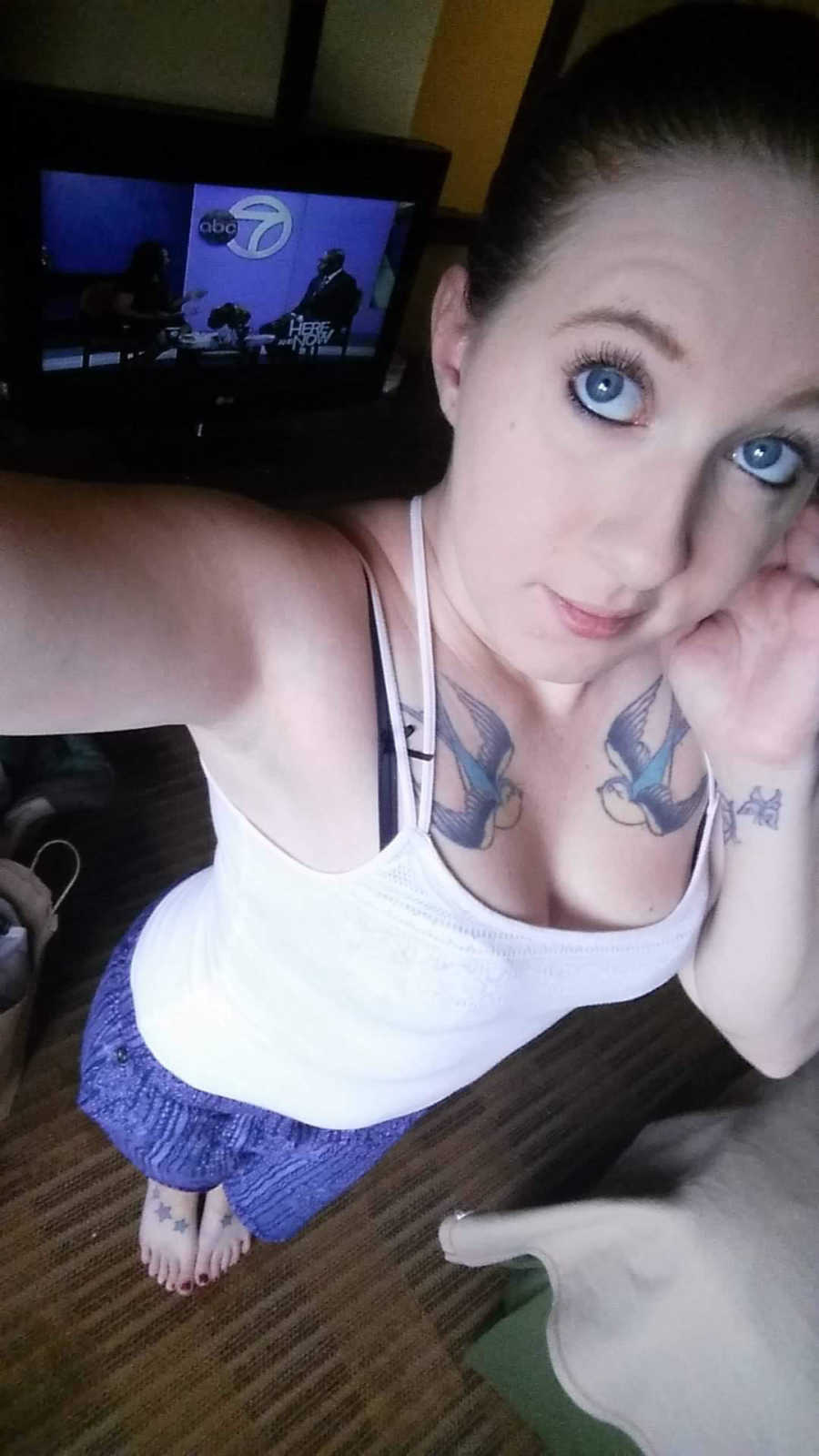
Every day, I prayed for change, for the will to stop using, to be a better mom—but the withdrawals dragged me back every time. I remember walking with my dad, hearing him say, “Just stop, Bri. It’s not that hard.” I wanted to scream, “If only it were that easy!” I had said the same to my mom as a child. Multiple attempts at detox failed. Hotels locked us in with the hope of sobriety, yet we couldn’t last 24 hours. My fiancé and I were trapped in a cycle, declaring daily that we were “sick of this life,” yet powerless to escape.
Addiction overtook the façade of stability. My mom’s worsening abscesses, our eviction, and life in hotels or friends’ homes became routine. One arrest led to DYFS removing my children. The heartbreak drove me further into drugs. Living in cars, skipping meals for highs, and facing 13 arrests, my life felt utterly unmanageable. Jail visits from my dad reminded me of who I could be, yet even after promises to change, I relapsed. One overdose left me clinically dead for a brief moment, saved only by hospital staff and Narcan. Yet, walking out of the hospital, I used again.
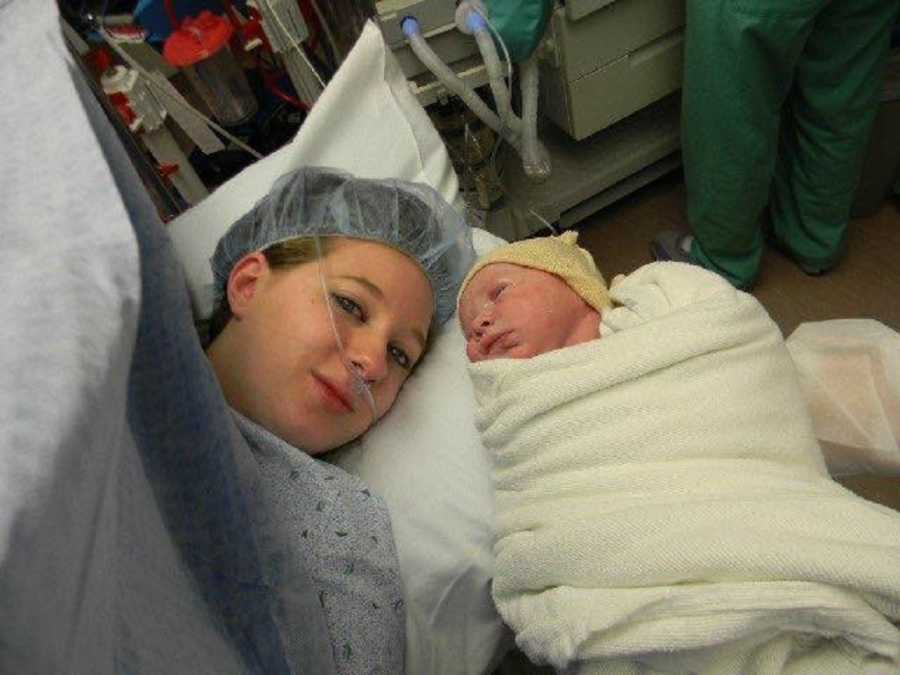
My fiancé eventually entered rehab and got clean, urging me to do the same. I resisted, living in a hotel shooting nearly $500 a day in heroin, yet he stayed by my side. When a warrant led to my arrest while I was pregnant, the shock of discovering my pregnancy in jail became a turning point. I cried, terrified of the harm I’d caused my unborn child. Calls to my mom and fiancé followed. My fiancé’s calm, hopeful words—“This is your chance. Let’s do the right thing”—ignited the spark of change. I began methadone maintenance and entered a long-term mommy-and-me rehab program, remaining in jail and rehab throughout my pregnancy. I gave birth to my son and completed the program when he was two months old.
The program opened my eyes to addiction’s harsh realities and my own trauma. I learned I live with severe anxiety, PTSD, hyper-vigilance, and memory gaps. Some women I shared the program with did not survive their addictions. I witnessed the challenges of staff and institutional limitations firsthand. Yet, I persisted. I exclusively breastfed my son, navigated postpartum recovery, and embraced the program’s lessons.
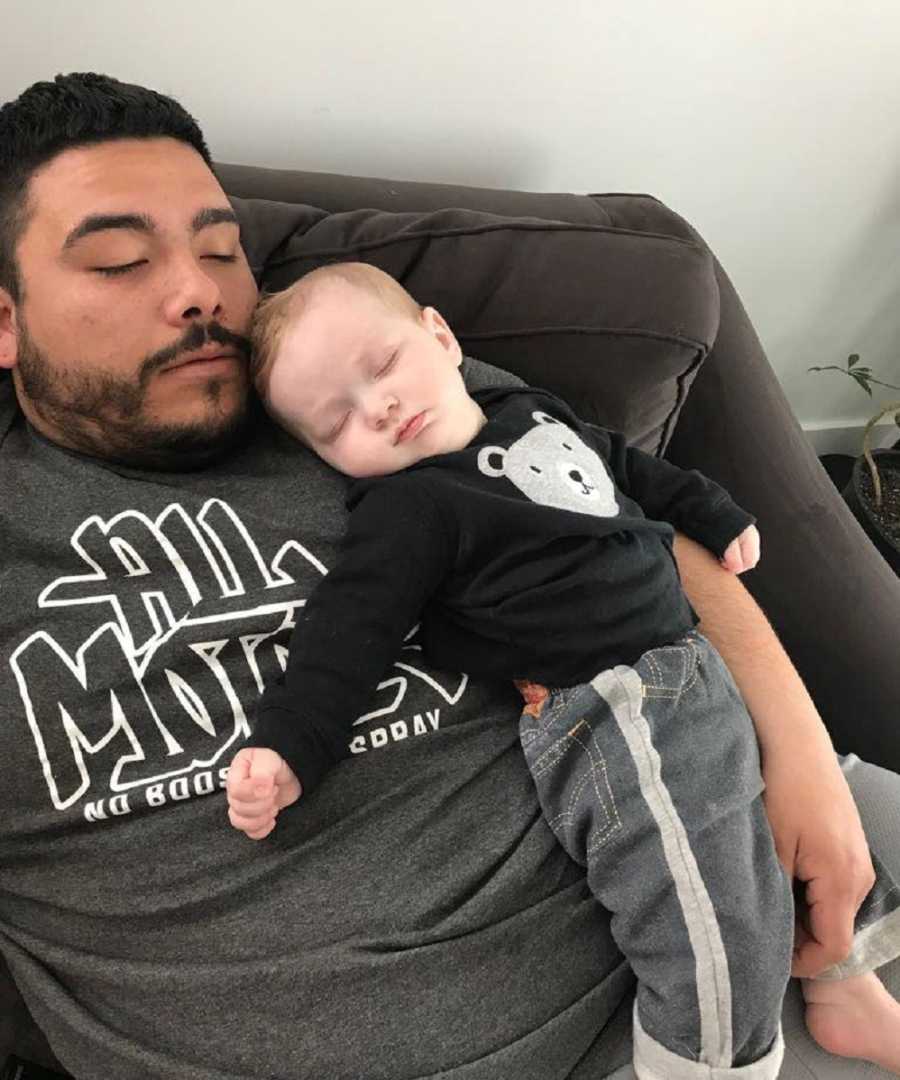
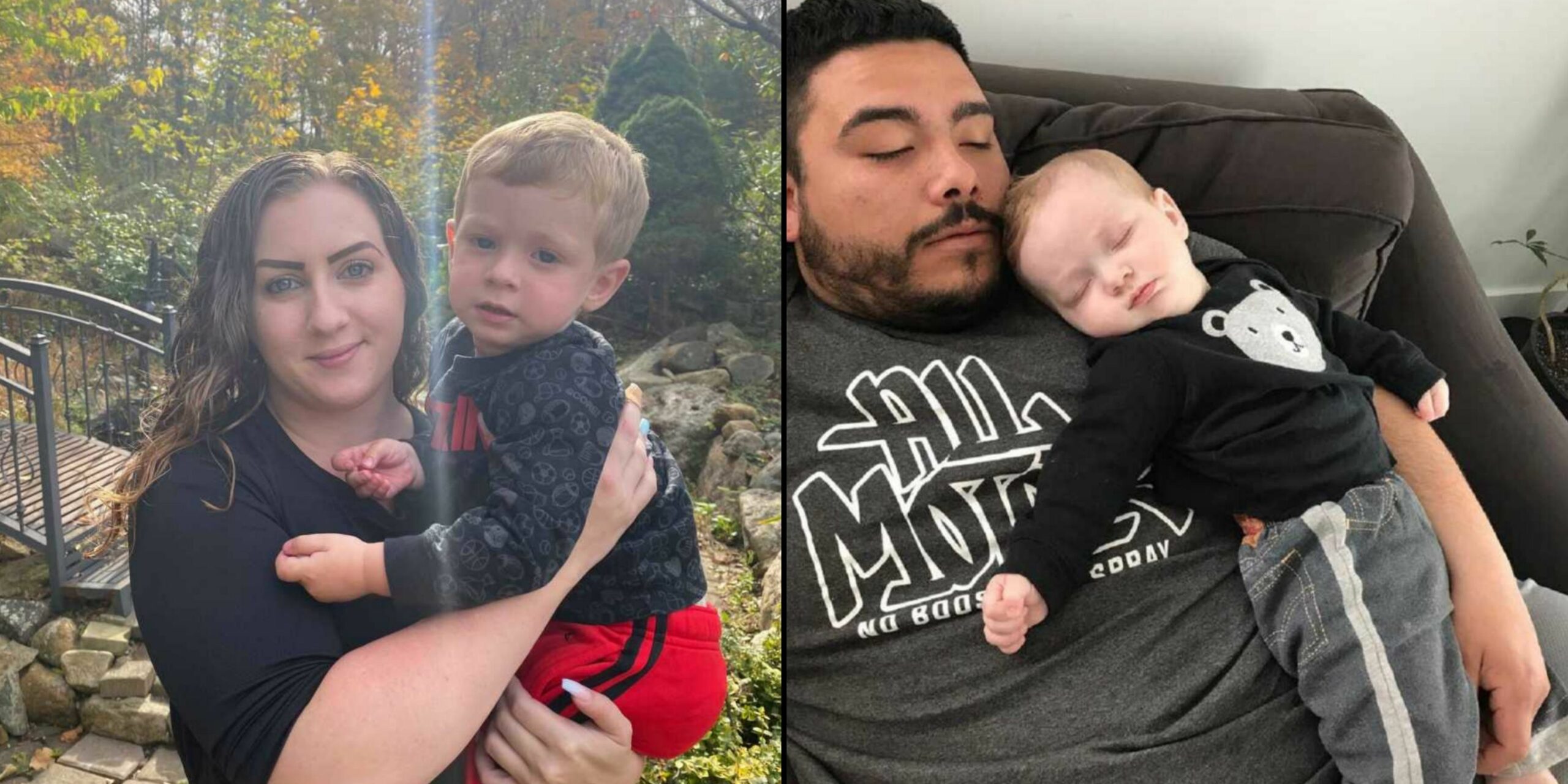
Today, my husband and I are three years clean, living a beautiful life with our son. My dad has custody of my daughters and provides them with love and stability. I remain a part of their lives, striving to be present and supportive. My son is my daily reminder of why I must stay clean; his energy, love, and joy inspire me to keep moving forward.
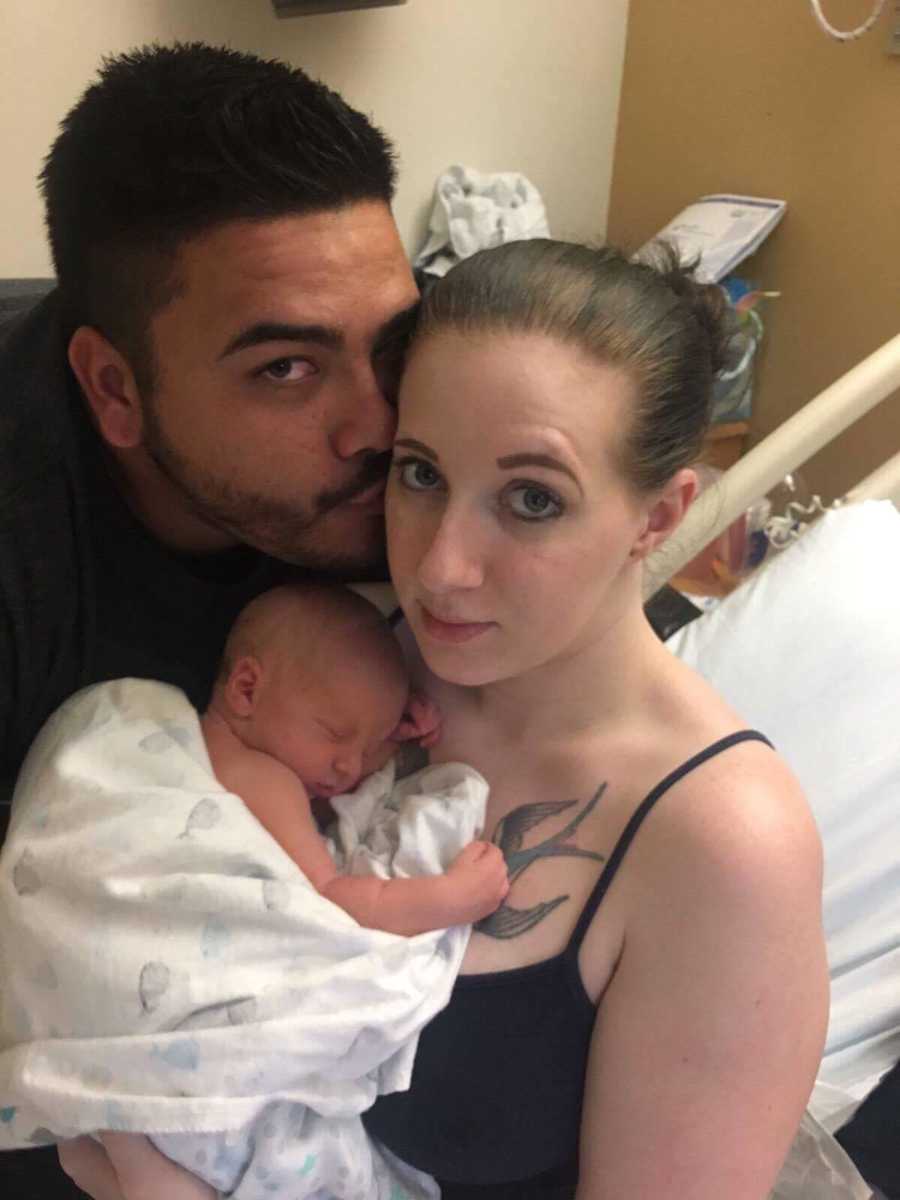
Recovery does not erase the past. I face anxiety and guilt daily, but I focus on building a better future. Drugs and depression change a person, but I am not my addiction. I am loving, caring, and selfless. Today, I am sober and proud. I can eat without worry, shop without counting pennies, and provide a safe, nurturing home for my children. I am on methadone maintenance, and I no longer feel ashamed—it saved my life.
If you are struggling with addiction, you are not alone. There is help, and there is hope. Recovery is possible, and every day sober is a victory. For those in recovery, whether it’s been a day, a year, or decades, I am proud of you.