During this time of year, when our hearts naturally soften and we focus on what we’re grateful for, I feel it’s important to share one of mine. I am grateful for courage—especially the kind of courage that allows you to be vulnerable and finally let yourself be seen. Over the years, I’ve tried to live more authentically, to be real and honest in my life, but social media remains, for most of us, the world’s most polished highlight reel. It’s so easy to maintain appearances, to curate a certain reputation based on what we allow others to see. I’ll admit it—I’ve done that for most of my life. But I’m tired of hiding. I’m sick of pretending.
When it comes to courage, I haven’t had much of it for most of my life. I’ve always been an introvert—soft-spoken, hesitant to share my ideas, rarely speaking up. But now, things are different. I am different. For decades, I’ve feared admitting and embracing a fundamental truth about myself. That fear shaped many of the life-altering decisions I made over my 33 years.
Kristin and I finalized our divorce this past July, after more than ten incredible years together.
Early last year, I told her something I had never told anyone. It was a truth I had spent my entire life trying to change, suppress, forget, or deny. A truth I had prayed for God to take away for years, and one I had ultimately planned to take to my grave.
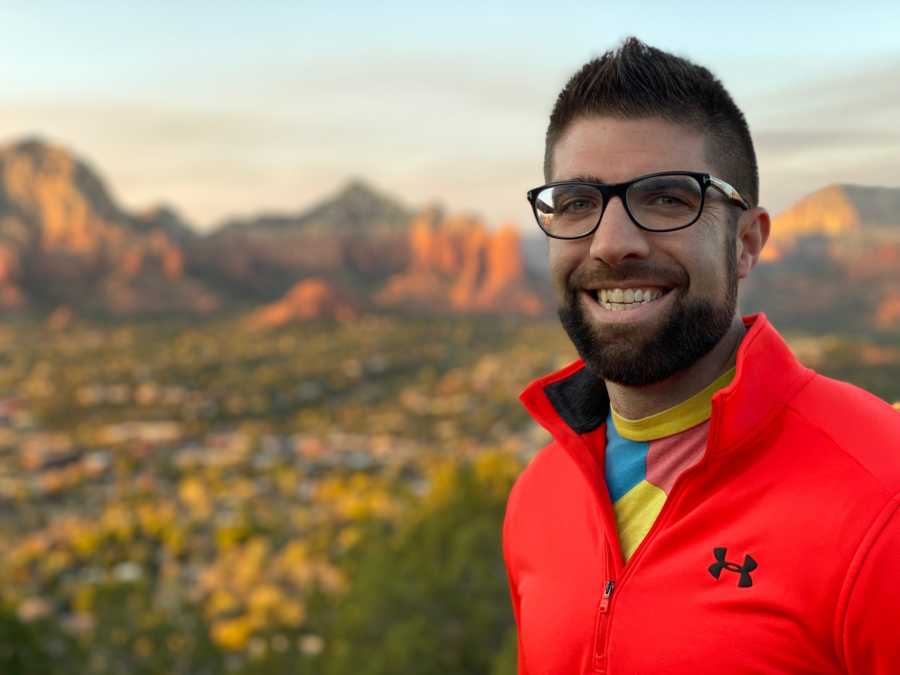
The truth is: I am gay.
That truth has been a thorn in my side for far too long. Growing up in a church environment, it caused confusion, internal struggle, and overwhelming feelings of hopelessness and despair—more than I can even describe here. I regret that I did not tell my wife before our wedding day, and I take full responsibility for the pain that caused her. No one should have to endure that. I have spent countless hours and hundreds of dollars with therapists trying to process the guilt and shame, to come to terms with what my choices have done to her. This is a journey I will be healing from for a long time.
The reasons behind my decision to hide this part of myself are complex and deeply tied to my upbringing. I was raised in a very religious family by two incredible parents. They taught me the power of prayer, the importance of faith, and the blessings of obedience. I was raised to believe that following God’s commandments was the path to happiness. I wanted that so badly.

When I realized I was different, I became afraid. I felt broken, as if I had some disease I needed to rid myself of. From a young age, I planted a seed of faith, hoping that if I was righteous enough, God would answer my prayers and change me. I worked tirelessly to be the perfect child, the obedient kid, believing that absolute devotion would bring the miracle I longed for. In my mind, it was simple: follow all the rules, and God would finally fix me.
At 21, after serving a two-year mission for my church, I believed the miracle had finally occurred. My mission was extraordinary. Living with male companions, I felt no distraction or anxiety, unlike other gay members who had struggled or returned early. I thrived. I memorized the handbook, followed every rule, and witnessed countless blessings because of my obedience. My mission was transformative—not just for others, but for me. I truly believed I had been healed.
Returning home, convinced I had been cured, I went to college, met an amazing woman who seemed perfect for a religious man like me, and we fell in love. We married within six months and began a life together that truly was beautiful. I believed that happiness could only be found by following a specific formula: church, mission, marry a girl in the temple, have kids. I thought I was on the path to the home run of life.
But early into our marriage, the old feelings resurfaced. My attractions to men were still there. I panicked, I felt angry and confused. I prayed harder, worked harder, convinced myself that if I just tried more, God would finally heal me. I poured myself into being the perfect husband, a perfect church member, a perfect father—starving myself of hobbies, personal growth, even authentic joy, trying to live as the masculine, heterosexual man I thought I was meant to be.

Over time, the gap between who I was pretending to be and who I truly was grew unbearable. Early last year, I reached my breaking point. I couldn’t carry this burden alone any longer. I had to tell her.
“I am gay,” I said one night, overcome with emotion.
It was the first time I had ever spoken those words aloud. She responded with logic, calmness, and empathy. With tears in her eyes, she held me as I wept like a child. We cried together, holding each other closer than ever. The weight lifted in that moment was indescribable, and it was only the beginning of the relief I would feel as I gradually learned to accept myself.
At first, neither of us wanted to end the marriage. The following months were full of lessons and challenges. I began seeing multiple therapists to help me communicate more honestly, to embrace vulnerability, and to reconcile the years I had hidden this truth. It was difficult, messy, and painful. The more honest I became, the more raw the process was. Hopelessness, anxiety, and depression were constant companions. I felt disconnected, numb, lost. My children noticed the tension, and I knew I could no longer shield them from the impact of my inner struggle.
I sought peace in my spiritual foundation but felt more lost than ever. I had followed every rule, worked hard, prayed hard, and yet my misery—and hers—persisted. The man I had been trying to become could not exist any longer, and admitting it was terrifying. I longed to grow, love, and experience life more fully—but in my marriage, I could only be a fraction of the husband and father my family deserved. My kids deserved a dad confident in his own skin, unafraid to love and accept all parts of himself, someone who could lead by example and encourage them to embrace their unique gifts without fear.
We intended to stay together, but grief and reality made peace impossible. I said, “At the end of the day, we both deserve to love and be loved fully.”
Our divorce was one of the hardest decisions I’ve ever made, but I know it was the right one. The past months have been full of grief, loss, and change. Ending a marriage of more than ten years is excruciating, yet I’ve learned profound truths: I am not broken. I do not need fixing. I am not a mistake. God made me, and loves me, just as I am. His love is not conditional. I have much to be proud of and so much to look forward to.
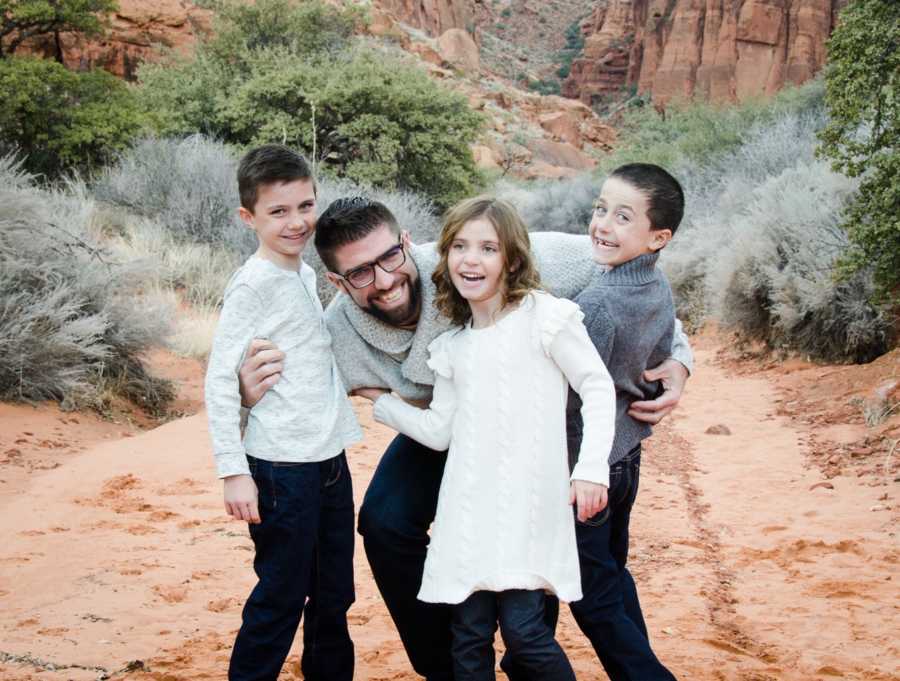
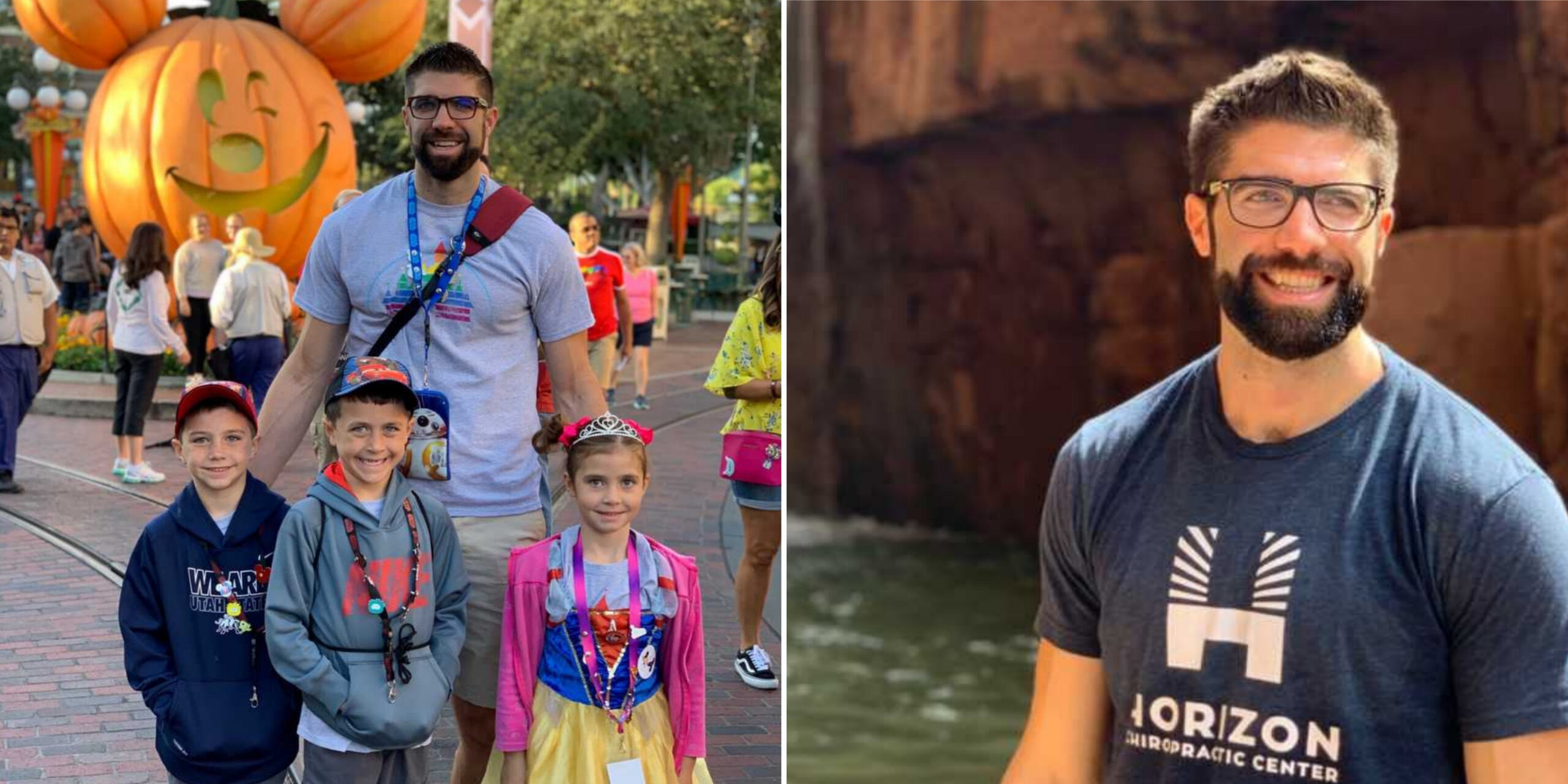
Looking back, I wish I had the emotional maturity to understand these truths sooner, but I have no regrets. I take full responsibility for my choices, and I am deeply grateful for my children: Nash, Granger, and Tenley. I can’t imagine life without them. I am beyond proud of the family I helped create.
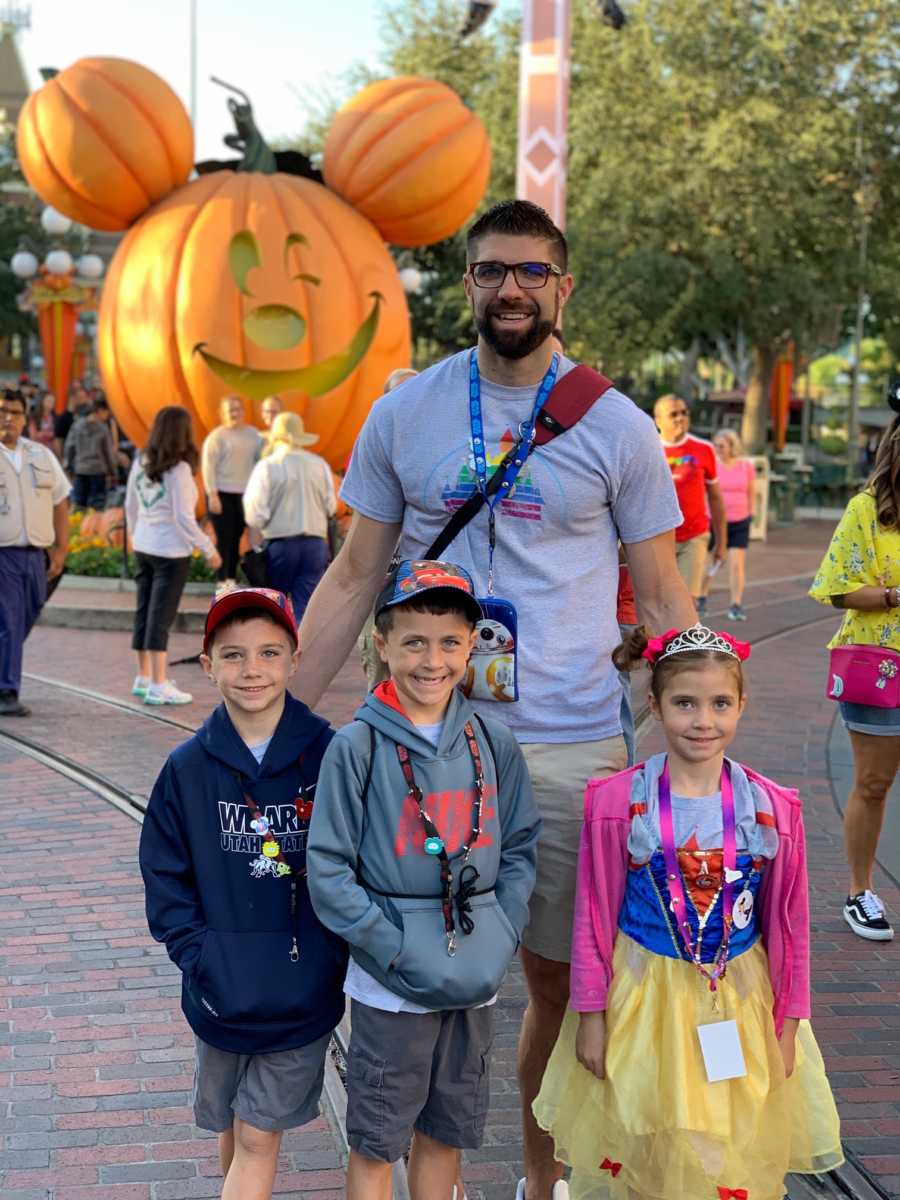
As I said at the beginning, I am grateful for courage—the courage to accept myself and live authentically. If my children learn only one lesson from this, I hope it’s to recognize courage. I hope they have the bravery to be themselves, to embrace every part of who they are, knowing they are loved, supported, and accepted unconditionally.
In Avengers: Endgame, Thor’s mom says, “Everyone fails at who they’re supposed to be. A measure of a person, of a hero, is how well they succeed at being who they are.” I did the best I could being who I thought I was supposed to be. Now, it’s time to embrace all of me. And I have a feeling this next chapter will be even better than I ever imagined.