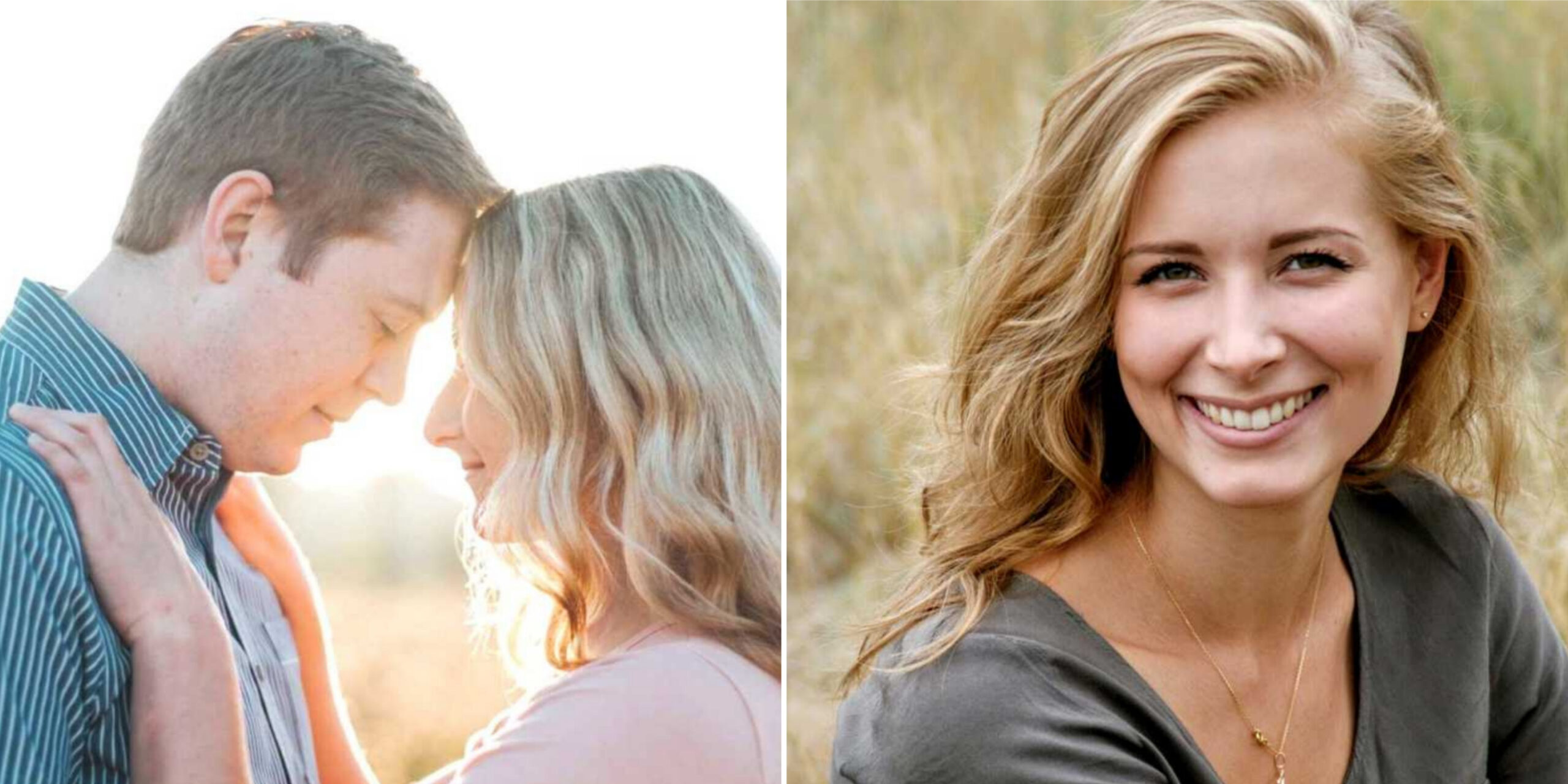
It’s part of the human experience to think ahead. We spend our days wondering what we’ll eat tomorrow, what fun plans we can make for the weekend, what moments are waiting just around the corner. We look forward to weddings and baby showers, graduations and parties, birthdays, anniversaries, and all the milestones that remind us life keeps moving forward.
Planning.
It’s such a beautiful thing—this ability to imagine the future and get creative with how we spend time with the people we love. It comes so naturally to most of us. But for two long years, that joy was taken from me. I was robbed of planning, robbed of anticipation, robbed of hope. For the longest time, I truly believed there was no tomorrow waiting for me at all. Instead of planning a future, I was planning an escape. Planning which goodbyes I could quietly send to my family, trying to let them know how much I loved them before my life reached what I believed would be its untimely end.
Domestic violence. You’ve all heard the term. You sympathize with women like me. Some of you may even judge us. You wonder why we stayed, why we didn’t leave sooner, why we didn’t speak up or report it. But the truth is, you cannot fully understand the complexities of repeated trauma unless you’ve lived it. It is never as simple as “just leaving,” especially when leaving feels like a death sentence and staying feels like slow torture. And when people hear the phrase “domestic violence,” they often picture bruises, blood, screaming, broken bones. Yes, that exists—but it’s not the whole story.
For every bruise, every scratch, every fracture, there is also an illusion of love. Not real love, but trauma love. The kind that keeps you trapped without realizing it—at least not until you’re out, if you’re lucky enough to get out. This false love is carefully woven into daily life to sustain the cycle of abuse. It manipulates your brain chemistry, convinces you that you need the very person destroying you. After months and years of being broken down, told you’re worthless, you’re suddenly told you’re special—by the same person who made you believe no one else could ever love you. And once you need him, the love disappears again. You’re worthless again. Everyone thinks so. Blood drips down your legs. You’re bruised, shaking, clinging to him just to survive. Begging him to put the knife, the gun, the belt, the needle, his fists down. Then the switch flips again. You’re “loved.” And the cycle repeats. Over and over. Again and again.
While my abuse shares similarities with other women’s stories, it was also uniquely horrific. I didn’t just endure the “usual” violence—the black eyes, the choking, the kicks. My abuser found pleasure in prolonged, calculated torture. He forced me to sing his favorite song out loud for fourteen hours straight, holding a broken shard of glass in case I messed up a single word. He locked me in a basement with only a few grapes to eat each day. He ripped out my nails. He poked me with hundreds of needles. He played what he called “pretend murder,” covering my mouth and pinching my nostrils until I nearly suffocated. He never ran out of new ways to hurt me. I was his plaything. And so many of his words still echo in my mind.
“You look so much more beautiful with a black eye.”
“I didn’t mean to hurt you—you just looked so cute sitting there.”
“One word to anyone and your family will disappear.”
“There’s a gun in here. Don’t forget it.”
I never did.
My entire existence revolved around staying alive. There was no future, no next week, no tomorrow—only the present moment, and even that felt fragile. Time wasn’t measured in hours or days. There was no 9-to-5, no eight hours of sleep. My mornings were spent calculating how many minutes I had to wipe away tears, wash blood from my body, and make myself presentable for work. How much time I had before he came home and I’d be on my knees again, praying for my life. On average? Eleven minutes. Then the abuse clock started ticking all over again.
It’s been three years since I escaped, and that clock still hasn’t fully stopped. I constantly look over my shoulder. My mind automatically maps out escape routes in every space I enter—a restaurant, a grocery store, a birthday party. I can’t turn it off. Trust feels impossible, even with people who love me. My brain insists everyone is dangerous, that everyone wants to hurt me too. The devastation of not being able to feel pure, authentic love is hard to put into words. Fear taints everything.
And yet, through it all, I am deeply blessed. I am blessed to have a selfless partner now—someone who understands. When I wake up screaming from nightmares where he’s killed me again, my partner is there, holding me, kissing my forehead, grounding me back into safety. When my PTSD sends me spiraling into accusations, convinced he’s plotting against me, he doesn’t argue or fight. He gently reminds me that it’s my trauma talking. He reassures me. He stays. He loves me. When months pass without intimacy, he never pressures me. He understands that for what felt like an eternity, sex wasn’t an expression of love—it was a weapon of war, and I was always the losing side.
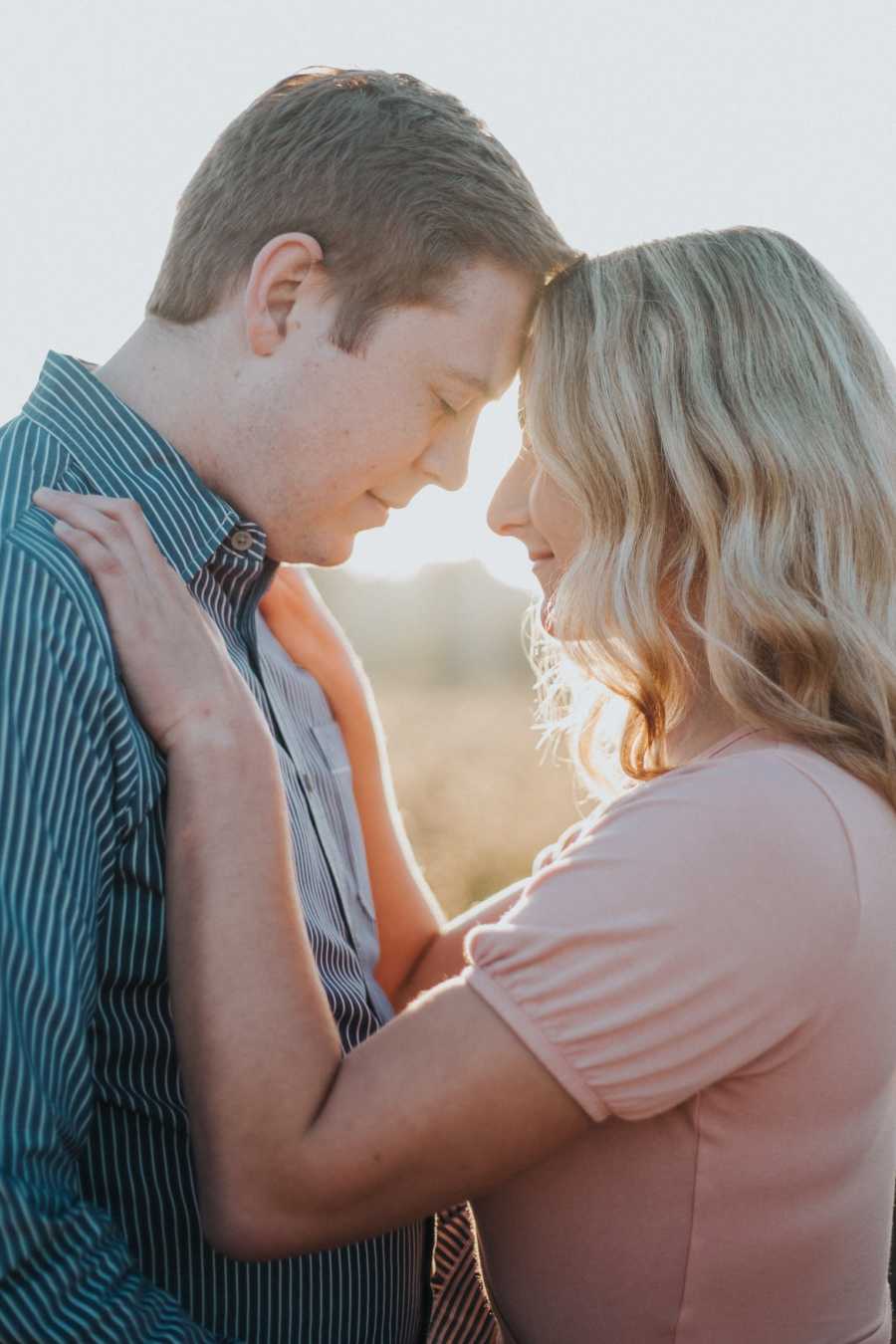
It isn’t easy loving a survivor of domestic abuse. But my friends, my family, and especially my partner make it look effortless. I am forever grateful to still be alive, despite everything I carry. And with each passing day, I am slowly learning—carefully, gently—how to look forward to tomorrow again.