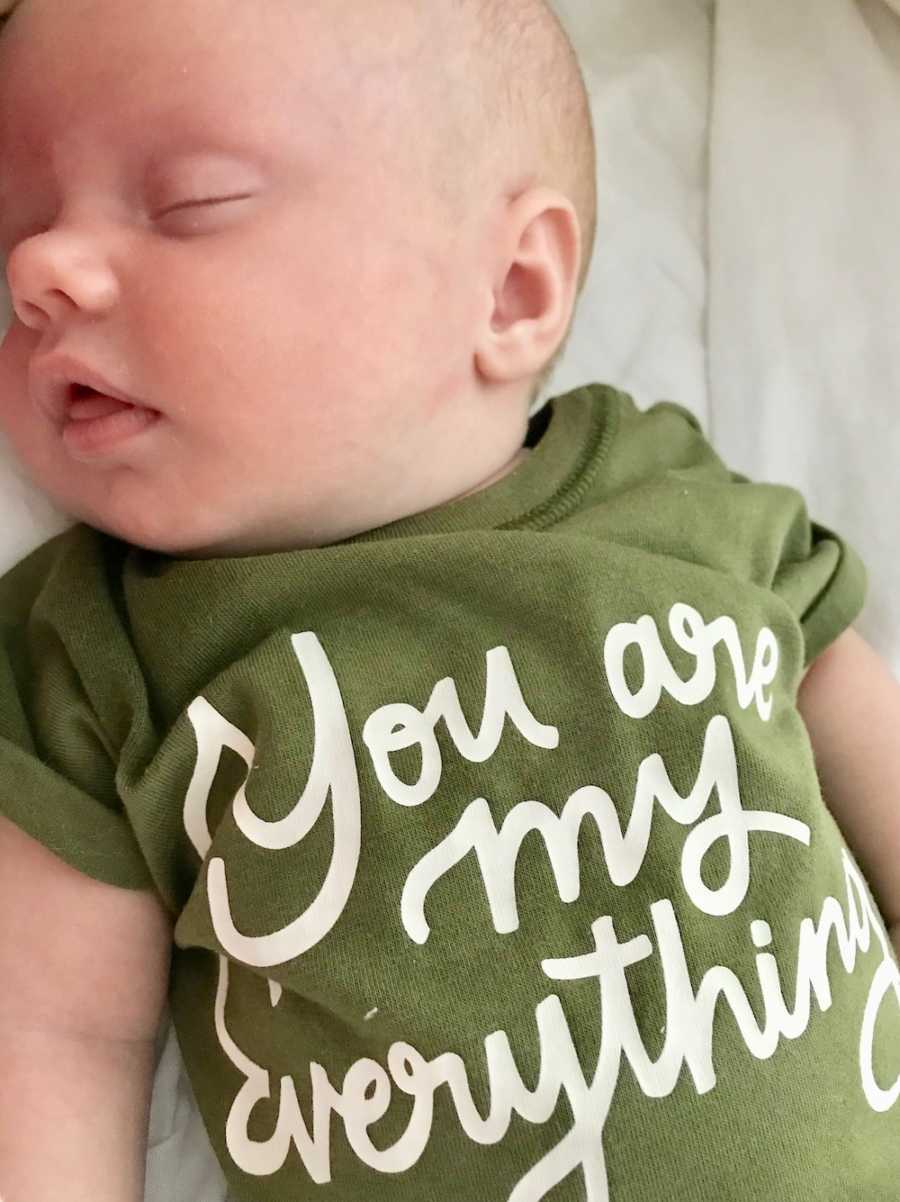
June 26 was the day the doctors told me my second daughter has cancer—just two days after my second wedding anniversary, five days after my 30th birthday, and nine days after she was born. Neuroblastoma.
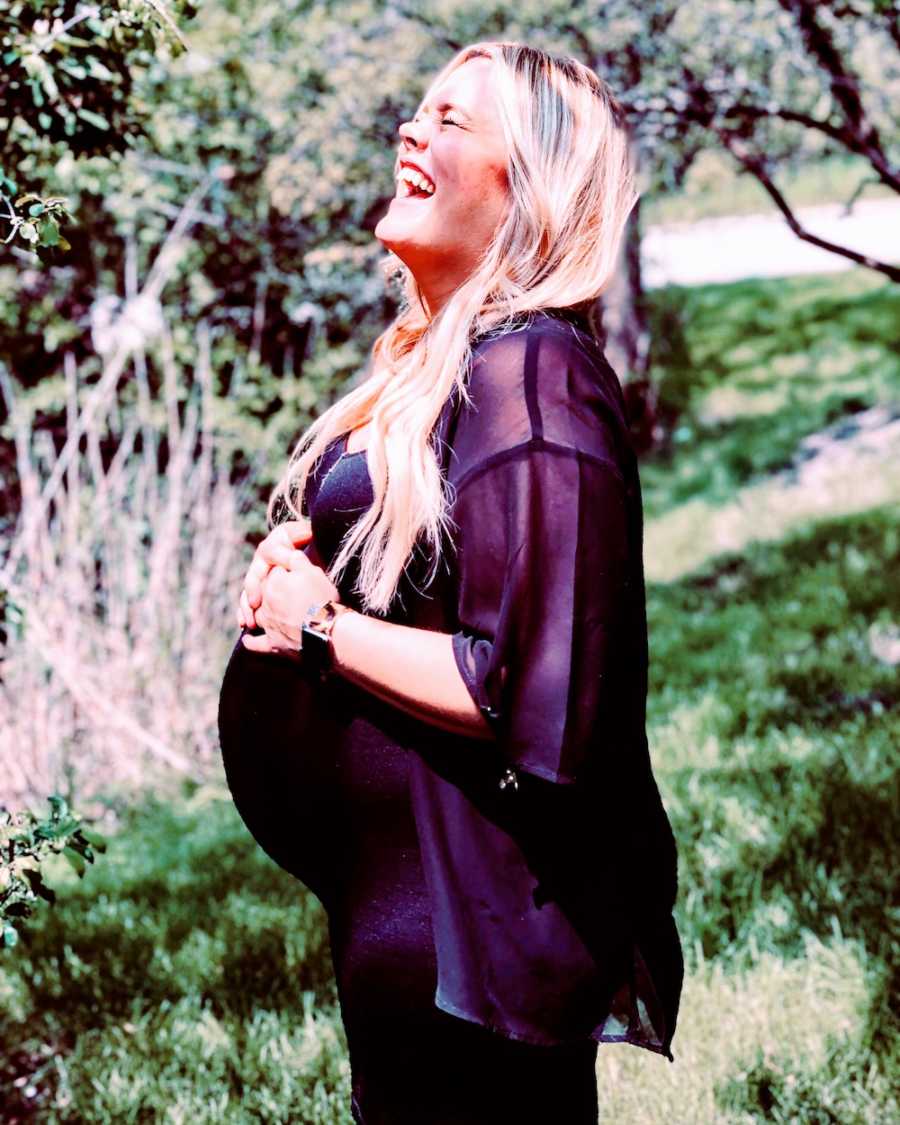
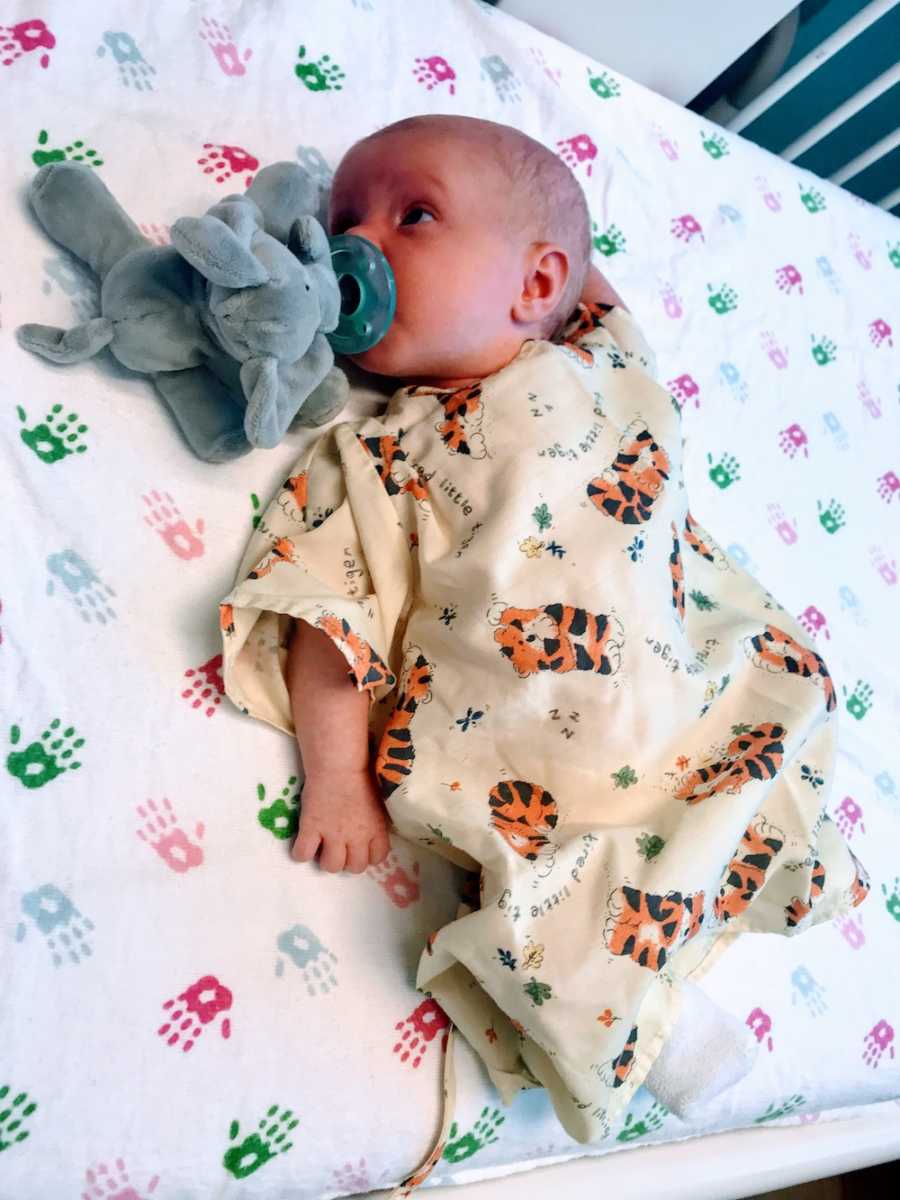
In the days that followed, I fought to resist bitterness toward parents of healthy children—the ones blissfully unaware of the heavy burden I now carried, a weight that had replaced the gentle swell of my belly. I struggled with the urge to unload her complete and very full medical history whenever a stranger or well-meaning friend complimented her. “She’s so beautiful,” they’d say. And I wanted to respond, “Yes… but she has cancer.”
Instead, I tried to savor every fleeting moment that felt almost normal. I begged my seven-year-old to understand why she couldn’t hold her baby sister or why we were constantly at the doctor’s office. “She’s very sick,” I’d say, my heart aching with guilt. Secretly, I longed for the simplicity of pregnancy, when my older daughter would read me stories until I fell asleep while her tiny sibling danced inside me, blissfully unaware of the life-altering journey ahead.
Even so, there was a strange comfort in having a name for this mass growing inside my sweet girl. August’s neuroblastoma measures 2.4 cm on her right adrenal gland, above a kidney that is only 4.8 cm. We were referred to one of the top ten pediatric hospitals in the nation, and in the past few weeks, I have come to recognize how fortunate we are to have such incredible resources so close to home. Endless consultations with Dr. Google and research online brought a cautious relief. Although cancerous, perhaps this tumor isn’t as aggressive as others. August had been diagnosed at birth—a gift most children don’t receive—and the cancer is contained to a single tumor. Infants her age sometimes experience spontaneous regression. Our prognosis is good.
Our first visit to Lurie Children’s Hospital was bittersweet. The facility itself is stunning, the staff kind and welcoming—but the hallways were filled with very sick children: babies who had lost their hair, toddlers confined to wheelchairs, teenagers with severe birth defects, and many with little hope. Yet my daughter, aside from her tumor, is what doctors call asymptomatic. She is a healthy, vibrant baby, with faith and time on her side. When we left the hospital, I was overwhelmed with gratitude and perspective. She was going to be okay. We were going to be okay. Of course, “okay” is a relative term, but it felt like a lifeline in the midst of uncertainty.
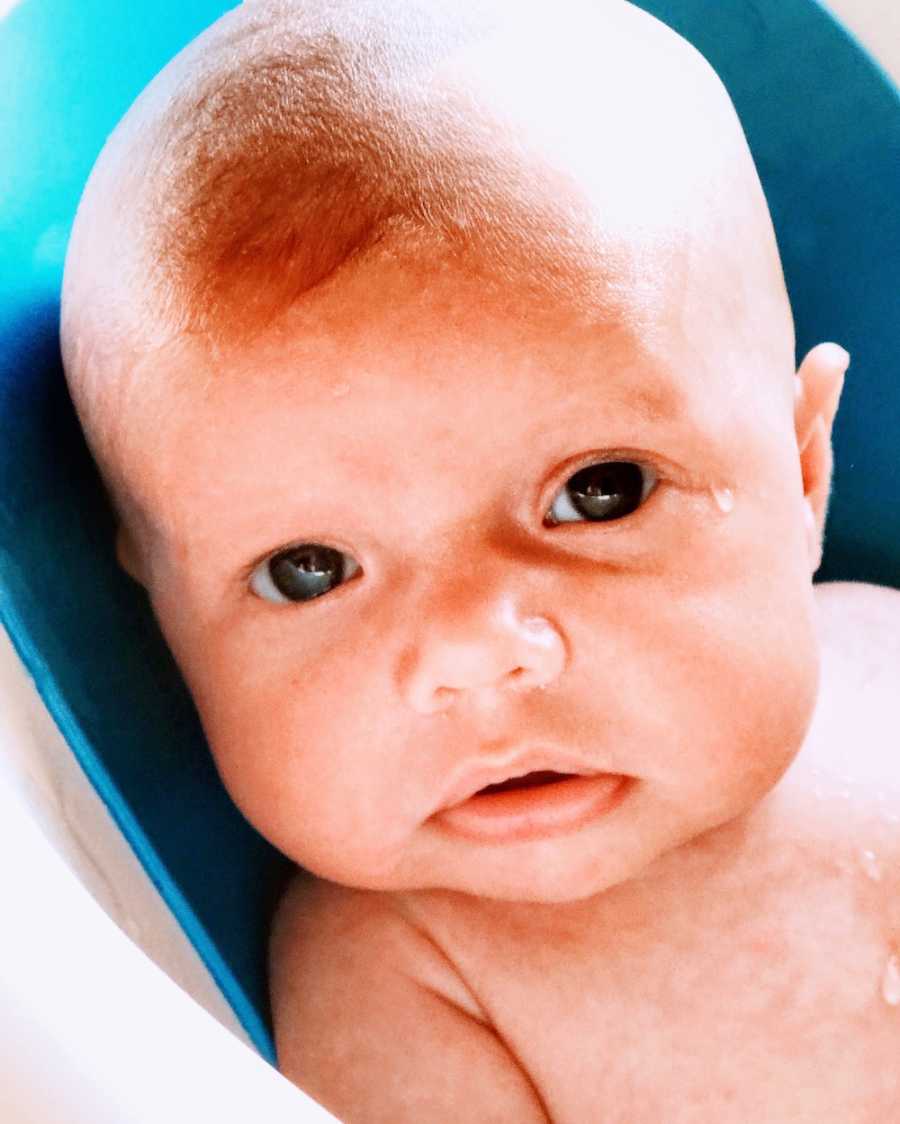
It is in these moments of grief that I am reminded of the immense love surrounding our family. “No one is closer to God than grandma and grandpa,” my mother-in-law once told me, and each day, her words have felt true. We have received texts, phone calls, meals, and above all—prayers. Friends, family, even strangers across the globe are lifting our baby up in hope. Candles have been lit for August from Illinois to Florida to Portugal.
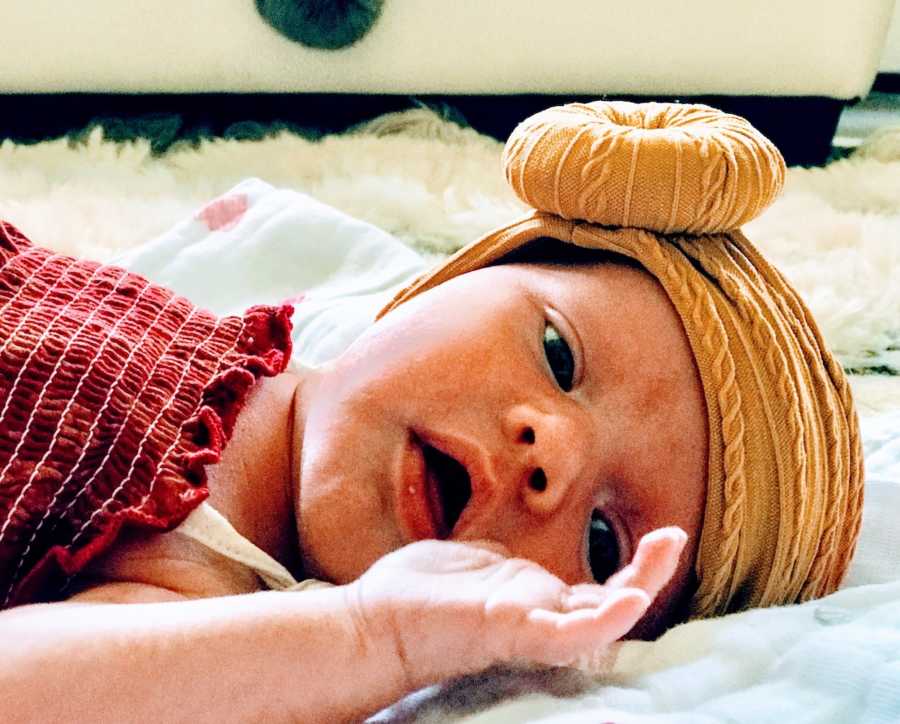
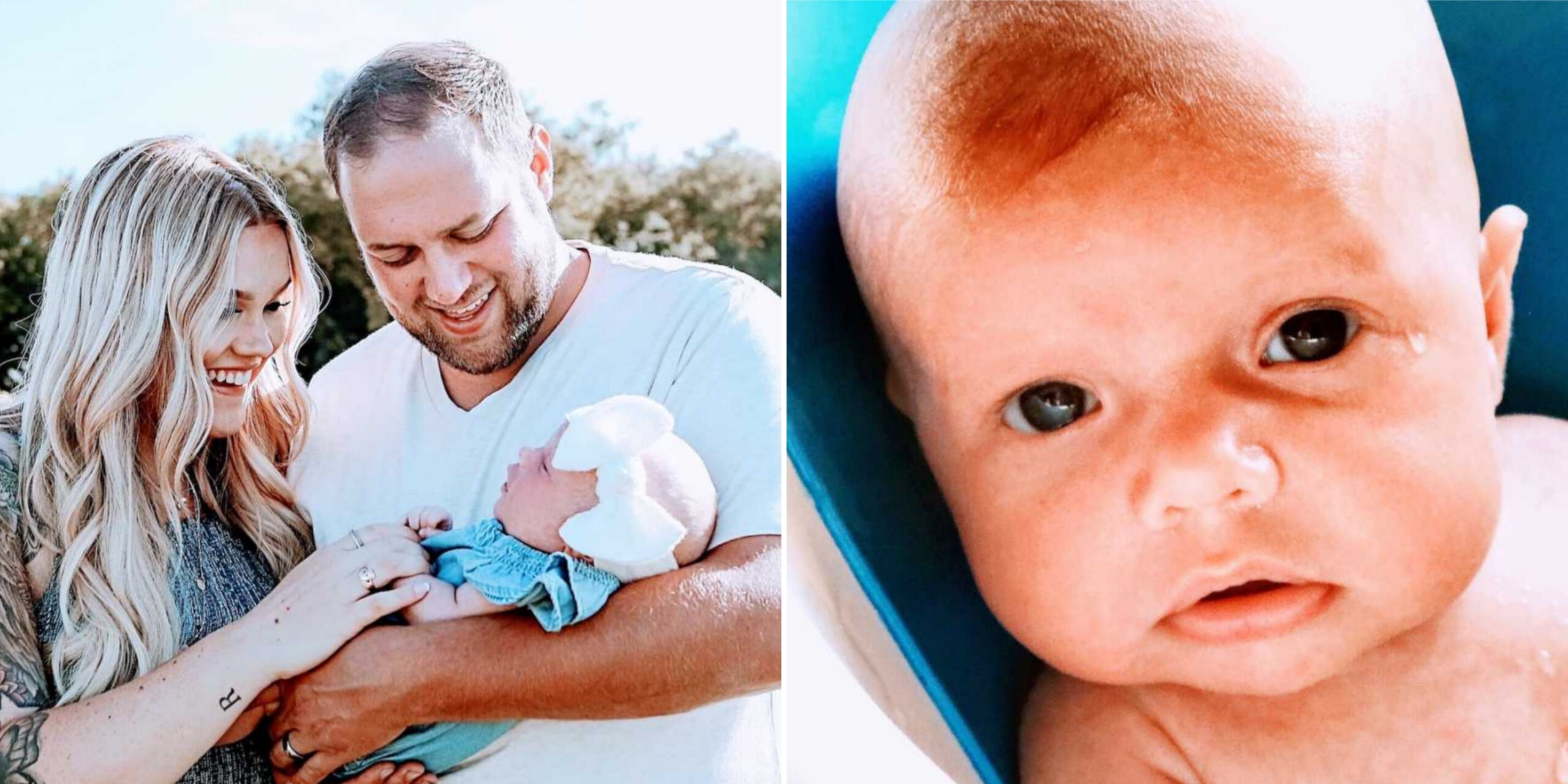
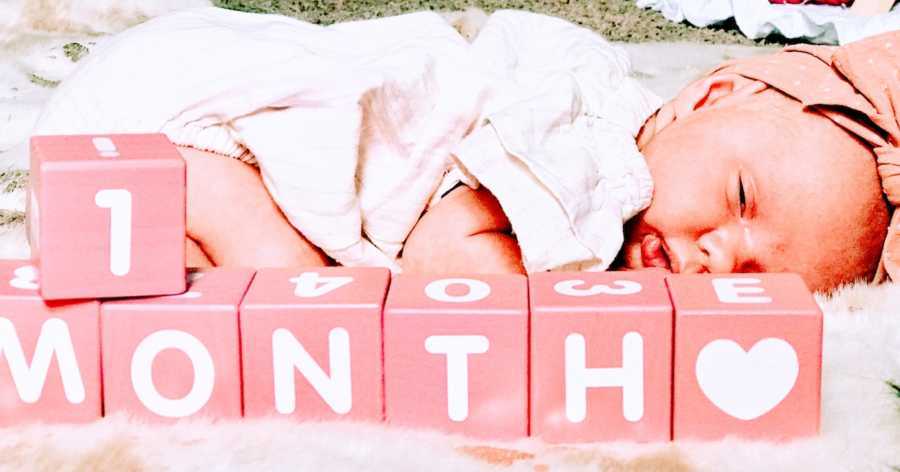
Today, baby August is one month old, and we celebrate her as we do every day. Her cancer has been staged, and she is classified as the lowest risk possible. For the next two years, she will participate in two studies designed to refine protocols for low-risk neuroblastoma, potentially sparing other children from the long-term effects of aggressive treatment. We will visit Lurie’s every six weeks for ultrasounds to monitor her tumor, and only if it grows more than 50% or symptoms arise will she undergo full surgical removal, possibly followed by chemotherapy.
We are reminded constantly of our fortune, and our hearts overflow with gratitude for the outpouring of love, support, and prayers. We ask that you continue to keep not just our little one, but all children and families facing pediatric cancer and chronic illnesses in your thoughts. Never take for granted the health or happiness of your children, and never underestimate the private battles another person may be facing.