I have one purpose for sharing my story, and one purpose only: to remind other people that they are not alone. To let those who have buried their feelings and experiences so deeply they never expected them to see the light of day know that those feelings and stories are mine too. You are not alone. We are not alone.
If I had to choose three words to describe my journey with my weight, they would be long, tumultuous, and exhausting. I’ve been overweight for as long as I can remember. There was a brief window between 2009 and 2011 when fat burners, exercise, and a healthy diet helped me lose 60 pounds. One morning in December of 2009, I stepped on the scale at 245 pounds and something inside me clicked. I worked relentlessly—thank you caffeine and fat burners—and eventually reached 185 pounds. But over the next decade, I gained 125 pounds back. By October of 2018, I found myself in a doctor’s office weighing 310 pounds at 5’4”, truly believing that the only way to escape my body was to end my life. I was 29, deeply in love, and desperate to turn my body into the healthy home it deserved to be so I could one day grow babies. I couldn’t stop eating. No matter how badly I wanted to, I couldn’t stop. I remember saying that if there were a rehab for overeating, I would go without hesitation. I just needed a month without any other option than to eat well—to finally break the cycle.
Enter: weight loss surgery.
Some of my earliest memories, backed up by old Sears photo portraits, show a little girl with a round face and chubby cheeks. My parents were overweight for much of my childhood, and while they did the absolute best they could, healthy eating and exercise simply weren’t a focus in our home. I remember friends in high school casually mentioning going to the gym with their parents—a concept so foreign to me it barely made sense. People worked out? Together? When I went away to college, my suitemates made time for the campus gym, running, sweating, and jamming to music like it was second nature. I went along and walked on the treadmill, completely lost. None of this came from a lack of love. My parents never thought, “Let’s make sure our daughter grows up obese.” They were incredible. My brother and I were surrounded by affection and support. I can now see that my parents were fighting their own battles with food—battles I understand intimately today.
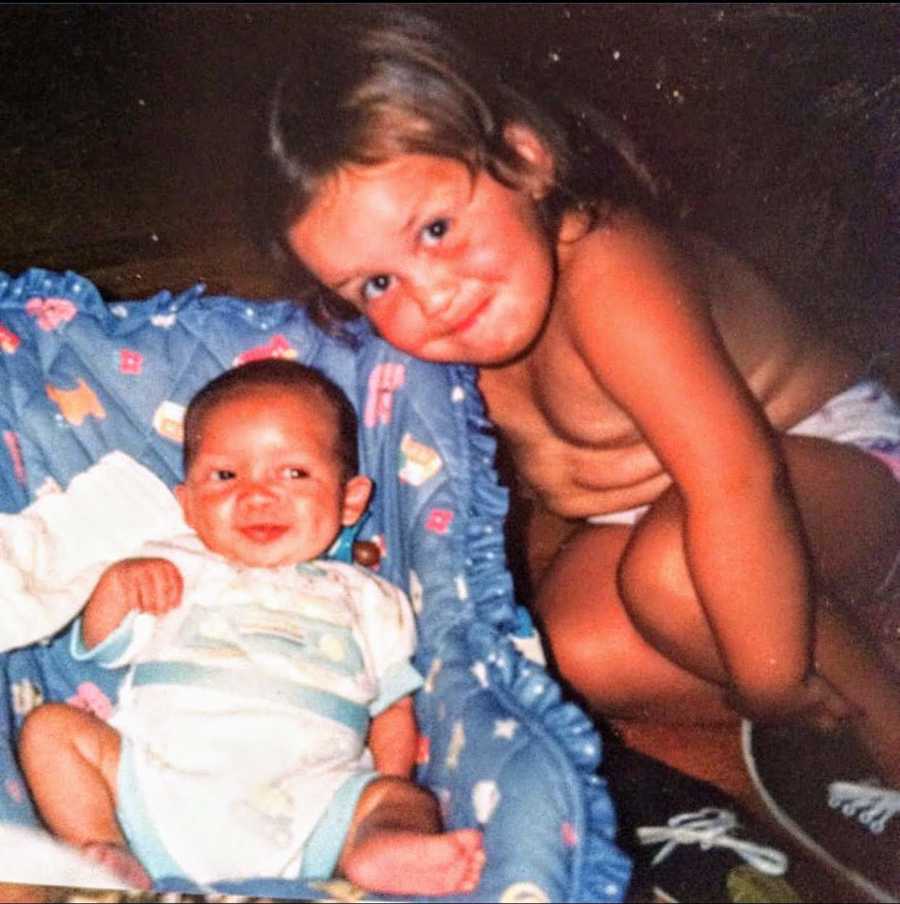
I carry a collection of painful childhood memories that I once brushed off or laughed through, but as I write this, I can finally acknowledge how deeply they embedded themselves in me. They were always there, simmering quietly beneath the surface.
One memory stands out clearly. I was around seven years old at my aunt’s house in New Jersey, reaching for another cookie when my uncle puffed out his cheeks, motioned to his belly growing, and shook his head in disapproval. At the time, I didn’t have words for what I felt. Now I know it was shock mixed with deep, burning embarrassment.
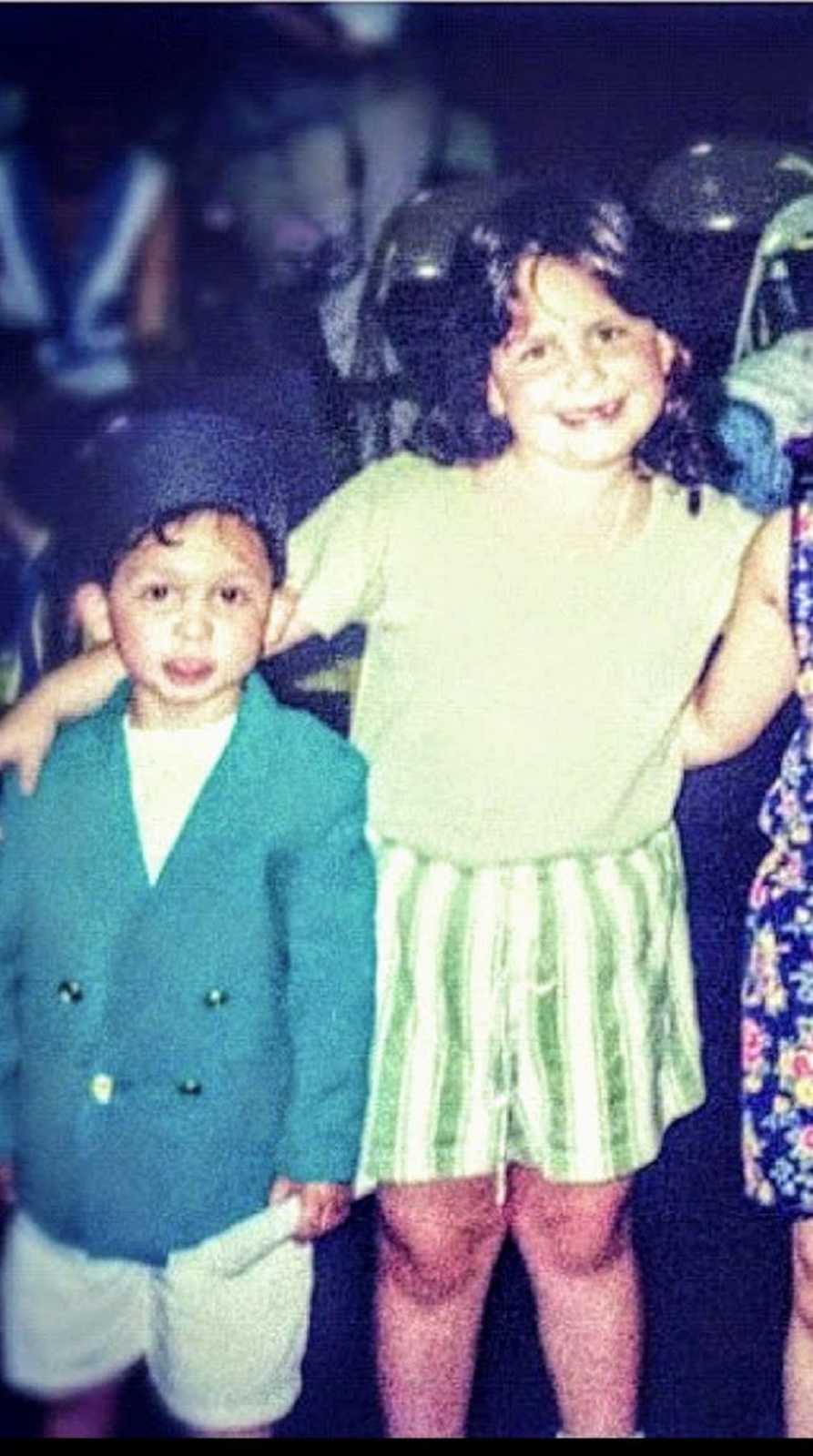
My entire life, I was “the fat girl.” In elementary and middle school, my weight was always the first target. In fifth grade, a boy once said, “Why are you so loud, Nicole? You can’t be fat and loud—it doesn’t work.” Something snapped inside me that day. I decided I would prove him wrong. I would be the loudest. At age seven, older girls teased me at day camp because I owned the same shorts in every color—the only ones that fit during a shopping trip that should have been exciting but was instead humiliating. That feeling would follow me for the next two decades as shopping became synonymous with shame.
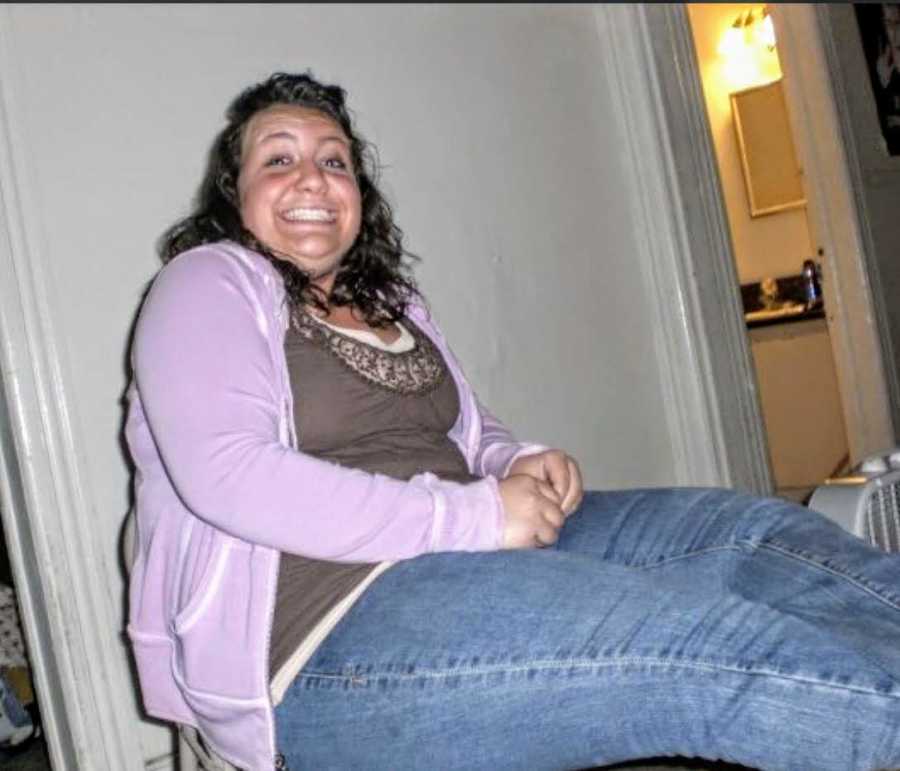
In middle and high school, I spent hours on the phone with boys like any other teenage girl. The difference was that while my friends were being asked to be girlfriends or holding hands in the hallway, that never happened to me. No one wanted others to know they liked the fat girl.
The wildest part, looking back, is that I wasn’t even “fat” in high school. I was chubby, sure—but I looked incredible in my senior prom dress. Even saying the word “fat” still makes me cringe. I wonder if that feeling belongs only to those of us who once wore it as a label.
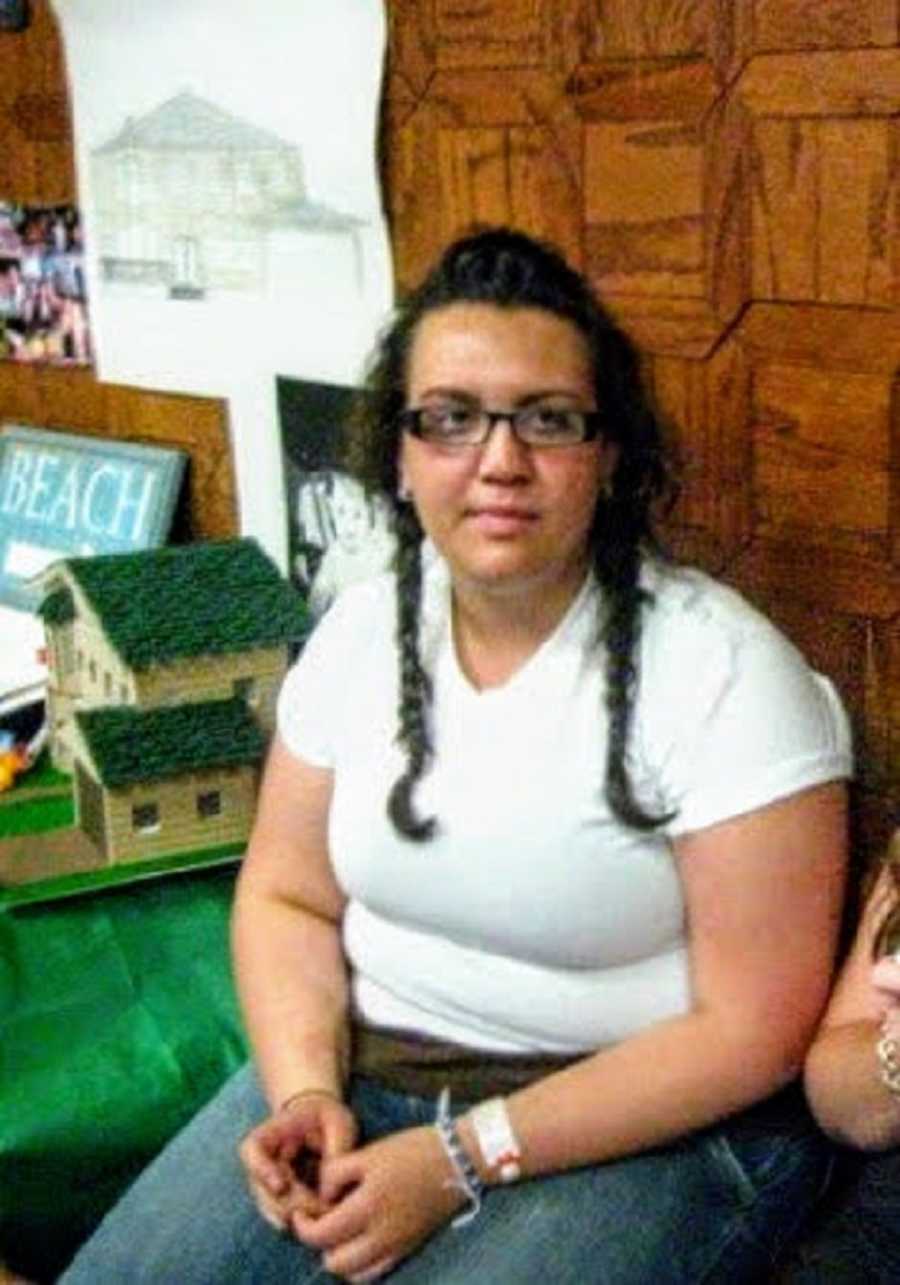
Somewhere along the way, I realized I was funny—and it saved me. I wasn’t athletic or artistic, but humor became my armor. My senior yearbook literally says “Best Sense of Humor.” When my mind told me no one wanted to be friends with the fat girl, laughter proved otherwise. It gave me belonging, even if only for moments at a time.
I had close friends growing up, and I want to honor that truth. Being overweight shaped certain experiences, but it didn’t make my life a constant nightmare. I accepted my body at some point—I can’t pinpoint when—but acceptance made life easier. It was painful at times, yes, but I tried not to let my weight steal more joy than it already had.
After high school, I spiraled into drugs and alcohol until 2012, when my parents’ tough love saved my life. When I got clean, my addiction shifted. Food became the obsession. Within a year, I gained 80 pounds.
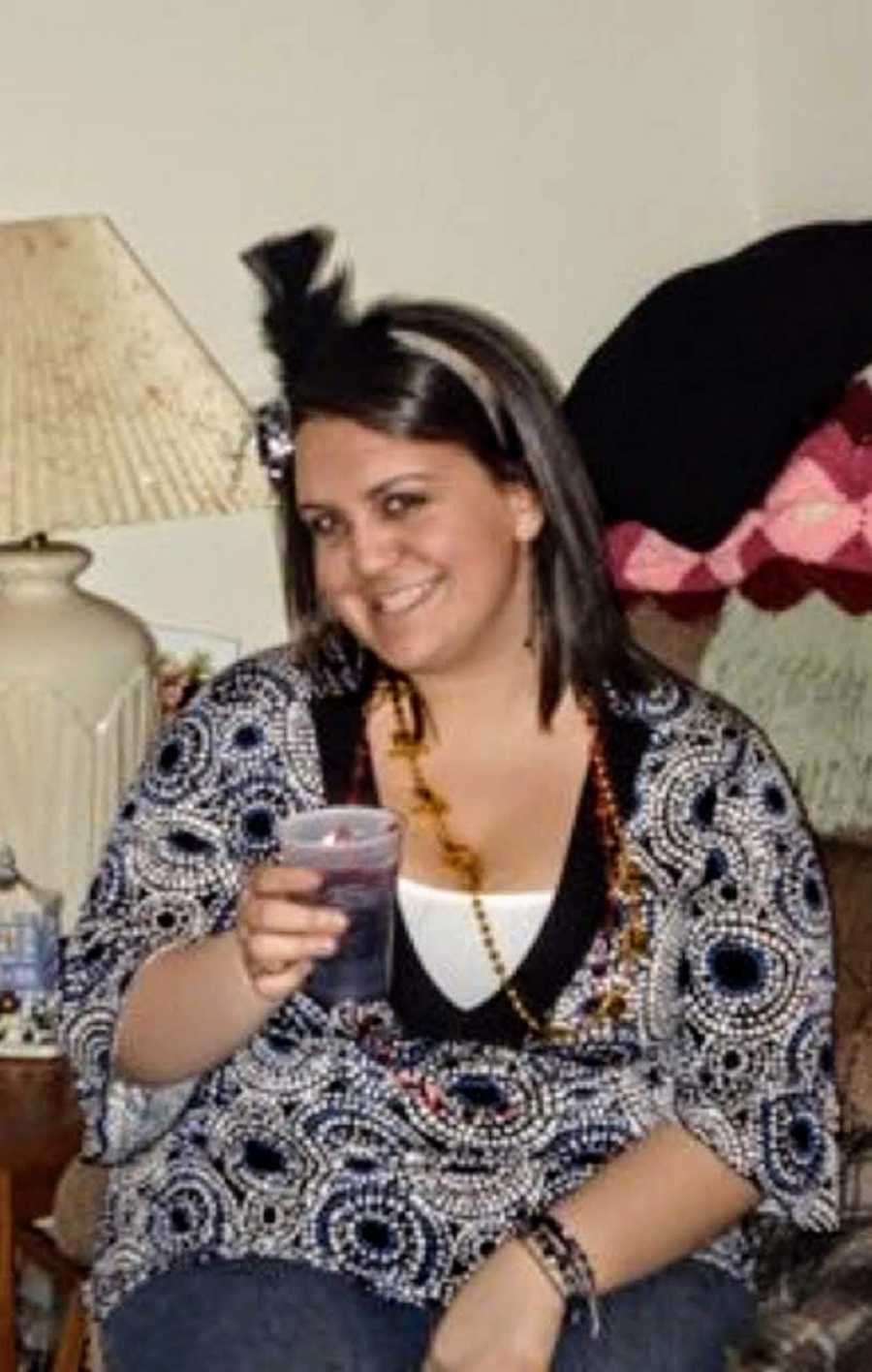
That summer, I went to an amusement park for the first time in years and didn’t fit on the rides. In front of hundreds of strangers, the restraints wouldn’t close. I laughed it off, then ate fried chicken until my stomach hurt, joking, “It’s not like I fit anyway.” At Disney World years later, I obsessively researched ride dimensions and silently begged God to let me fit. On one ride, three employees pushed the lap bar down while tears filled my eyes from the pain. Still, I kept eating.
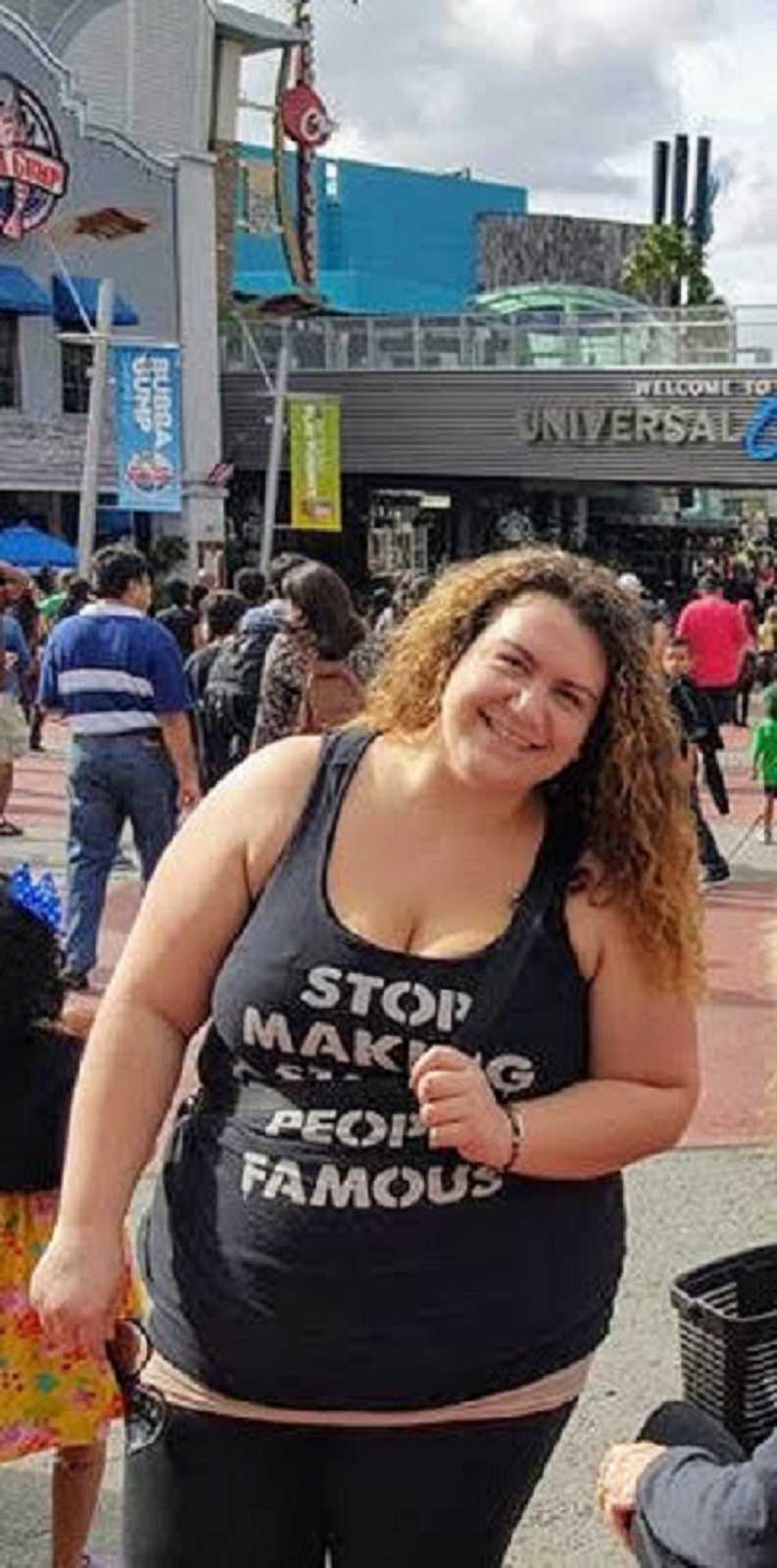
Every attempt to meal prep or exercise was drowned out by the voice telling me my progress didn’t matter. That voice always won. I’d end up ordering food for three people, hiding it, and eating until I was sick. The cycle lasted five and a half years.
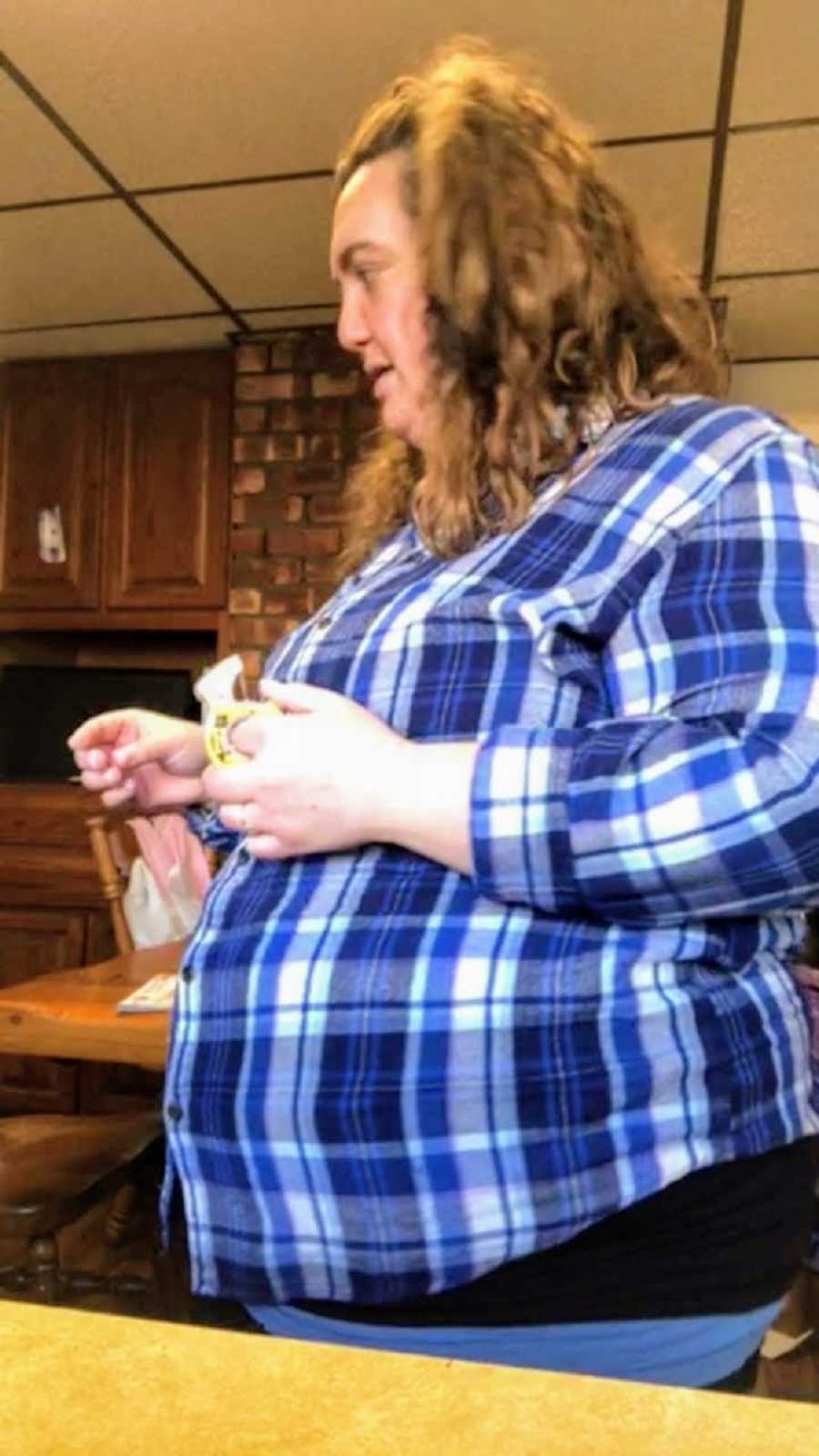
One day, I turned to my boyfriend and said, “I need help. I’m going to eat myself to death.” My cousin and a friend had both had weight loss surgery, and my father gently urged me to see a surgeon. My mother—my kind voice—had passed away in 2016. Her death deeply impacted my eating. My dad stepped in the only way he knew how.
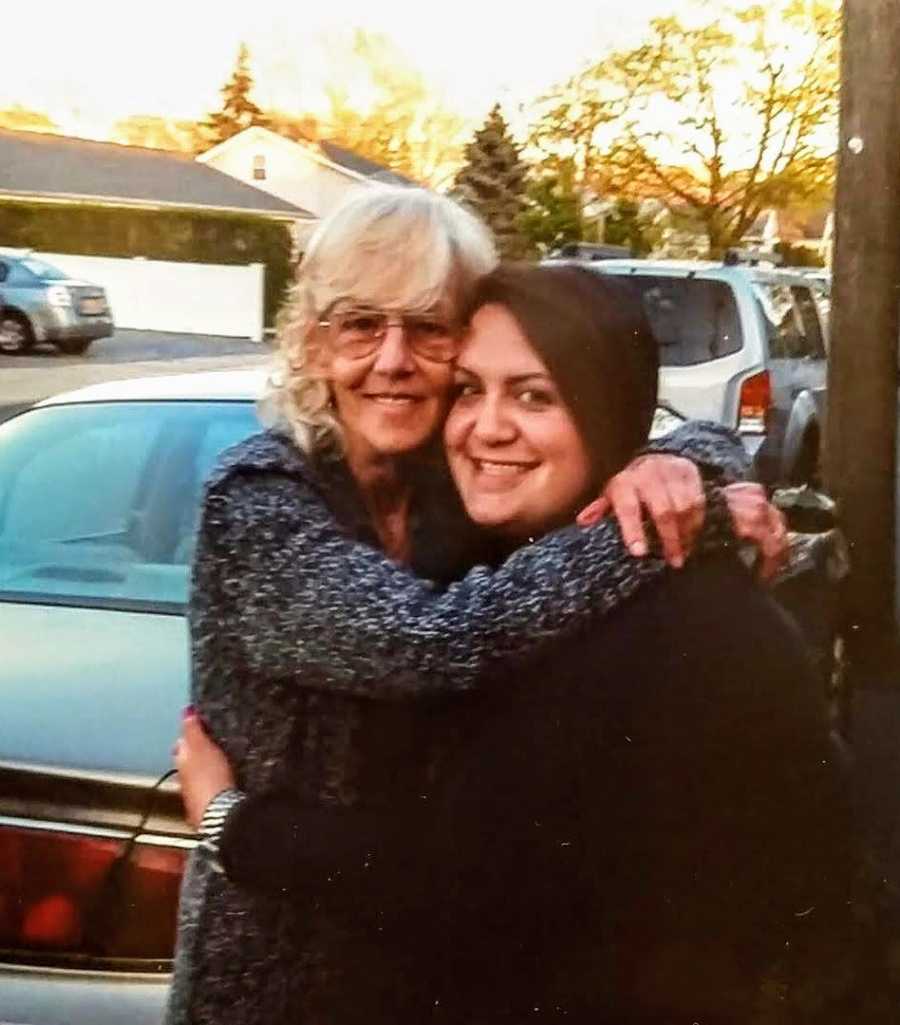
Before that appointment, I judged weight loss surgery patients harshly, seething with envy masked as moral superiority. I desperately wanted the courage they had.
At the seminar in October 2018, I knew. When my insurance approved the surgery, I sobbed. For the first time, I had hope. On January 19, 2019, I had a vertical sleeve gastrectomy—80% of my stomach removed.
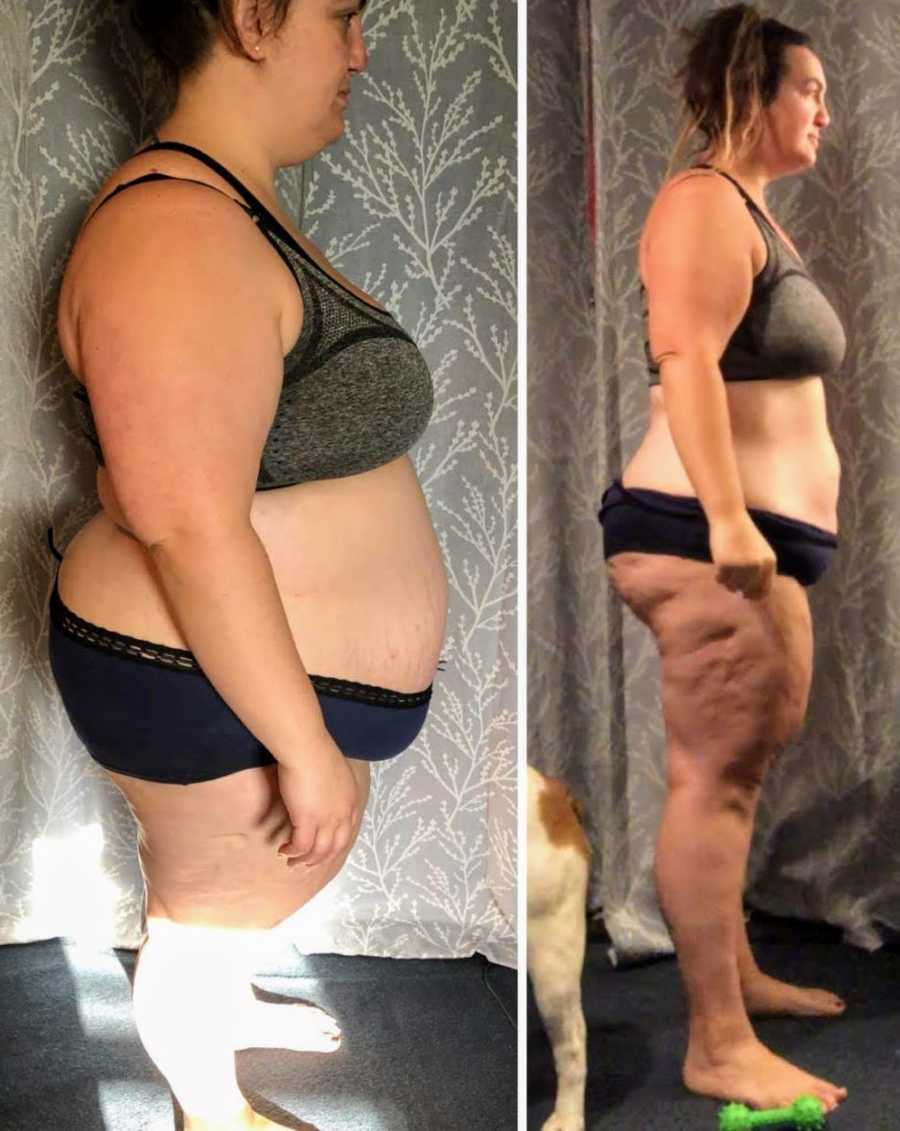
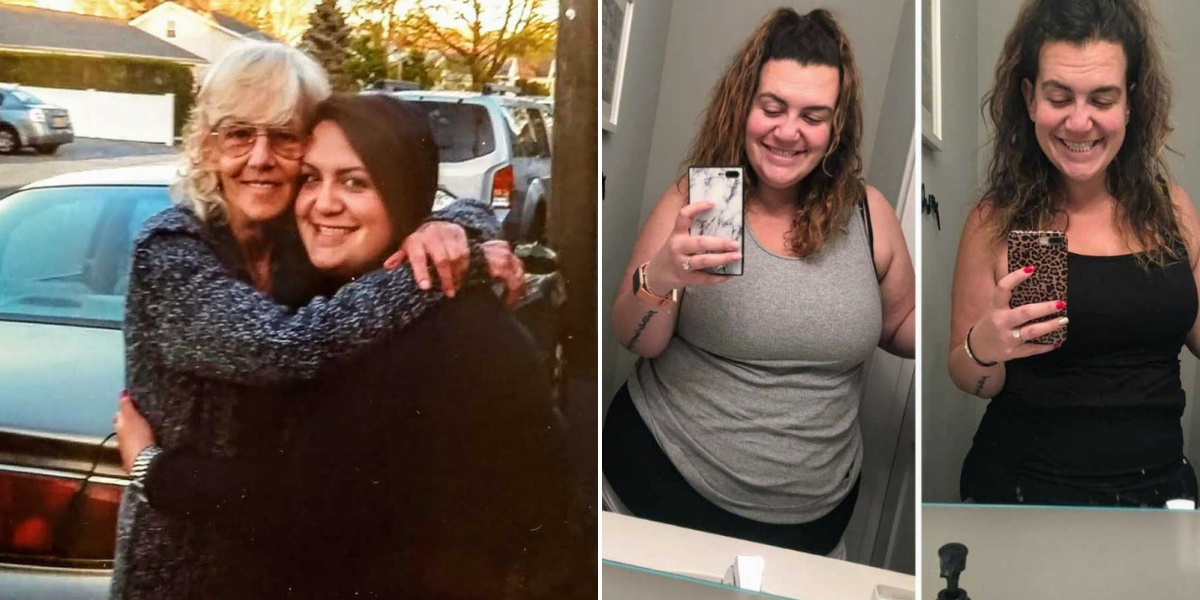
Since then, I’ve lost 98 pounds and counting. I’ve changed everything. I meal prep, track food, exercise, and celebrate countless non-scale victories—shopping in stores capped at XL, donating over $1,000 worth of clothes, fitting into a winter coat, crossing my legs, flying without a seatbelt extender, keeping up with kids, fitting into desks, and moving freely through restaurants. This confidence isn’t about size—it’s about execution.
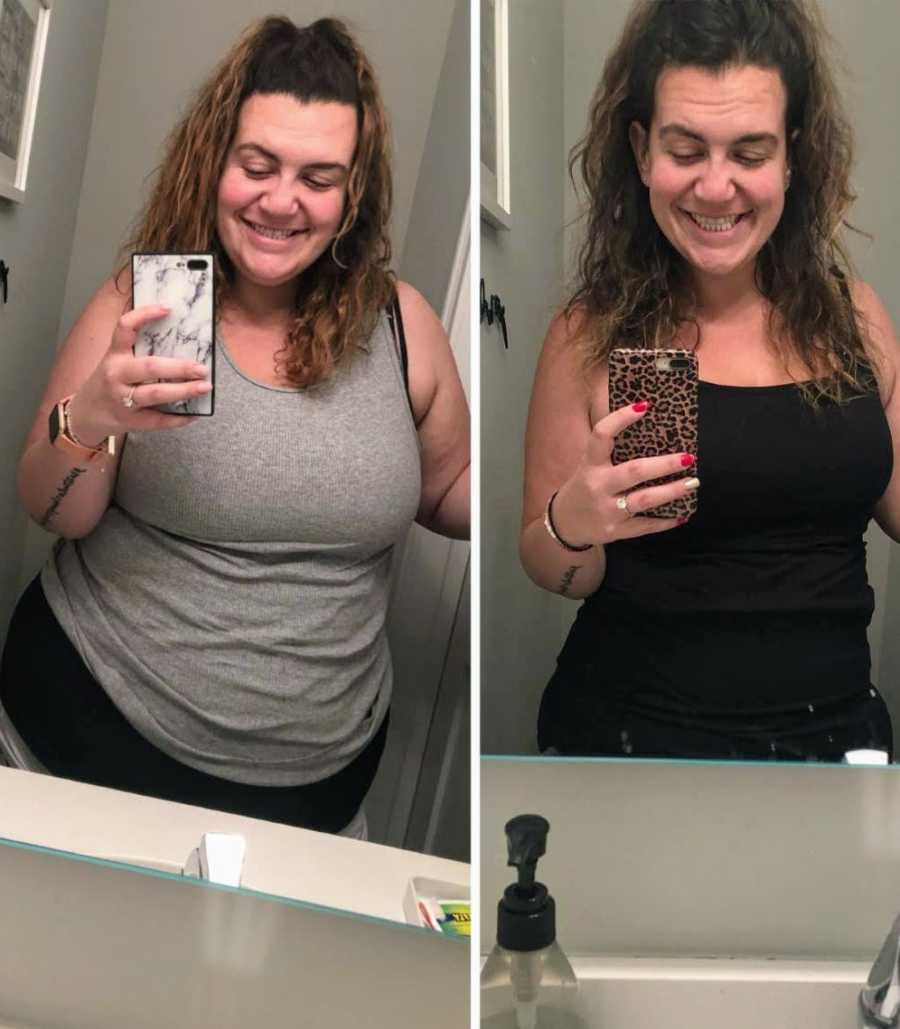
Do I mess up? Absolutely. But I always get back up.
This journey has been emotionally brutal. I’ve learned my relationship with food runs far deeper than overeating. My binges look different now, but the intent remains something I’m actively working through—with therapy and honesty.
Surgery didn’t fix my relationship with food, but it broke the cycle long enough for healing to begin.
The tears, sweat, and joy of this year have transformed me. I’ll be on this journey forever—and today, I’m grateful. I get to heal. I get to grow.
I wouldn’t change a thing.
It didn’t have to be this good.