My birth mother was an immigrant from Italy, and when she arrived in this country, her life quickly spiraled. She became involved with drugs and eventually turned to prostitution. When she went to the hospital to give birth to me, she was so heavily under the influence that doctors had no choice but to perform an emergency C-section. That moment changed the course of my life forever. Child Services stepped in immediately, and right after I was born, I was placed into my very first foster care home.
Because I was born a drug-abuse fetus, I required special care and attention. My first foster family wasn’t prepared for those challenges, and they eventually returned me to Child Services. After a couple of months, I was placed into a second foster home. When a full year passed and my birth mother never showed up to visit me, I was officially put up for adoption. The family I was living with had first choice—and they chose me. They fell in love with me and decided to adopt me. I was one year old when they became my real mom and dad.
Growing up, I wasn’t an easy child. I constantly found myself in trouble and did exactly what I was told not to do. I skipped school, disrespected my parents, and said cruel things to my mom—telling her to “f*ck off” more times than I can count. I blamed her for all the pain I carried inside. At my lowest moments, I even told her I wanted her to die. Deep down, I felt completely alone, carrying a heavy, aching pain in my soul.
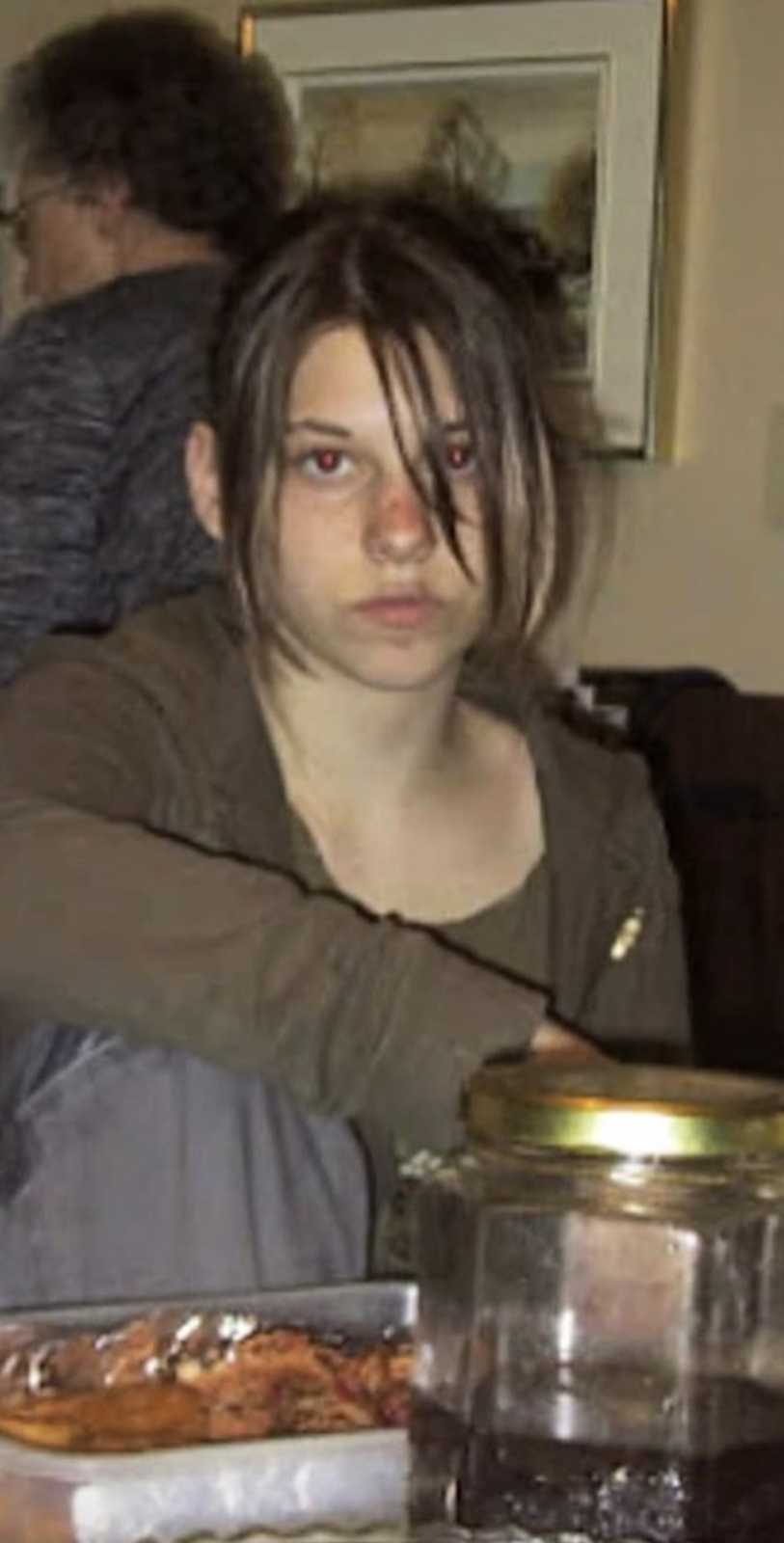
By high school, I started smoking weed and drinking alcohol. I was only 16. More than anything, I wanted to be accepted and to feel like I belonged. I watched what the popular kids did—they skipped class, got into trouble, and used drugs. So I followed. I remember my first drink clearly. It was my first party without parents. Everyone else had done this before, but it was my first time. I was terrified—not of alcohol, but of being rejected. I knew if I said no, I wouldn’t be accepted. So I said yes.
I got drunk and made a fool of myself, but my friends loved it. They talked about me at school, bragging about how much I drank and how “fun” I was. Suddenly, I was cool. For the first time in my life, I felt surrounded by friends. It felt thrilling—but I didn’t realize then that I was being accepted for all the wrong reasons.
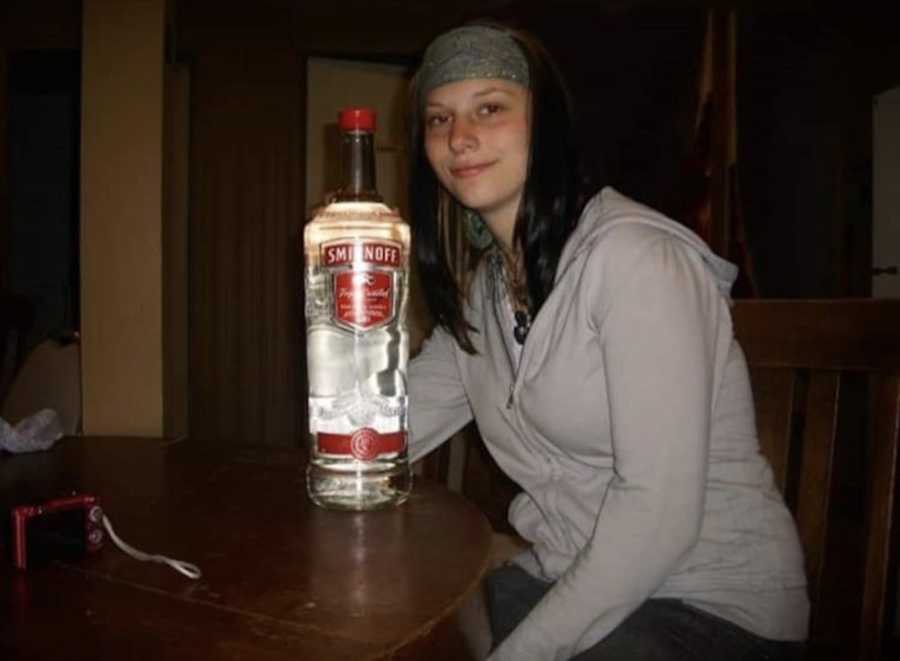
Bad friends often lead to bad boyfriends, and that was true for me. I was young, naive, and didn’t understand what love really was. My parents never approved of the boys I dated or the things I did after school, but I didn’t care. I thought they were just trying to control me. All I wanted was to have fun and feel free.
When I was 18, my parents kicked me out of the house. I had stopped seeing my psychologist and had become violent. They needed to protect themselves. I moved to British Columbia, Canada, and spent an entire year homeless. I hitchhiked to get around and took whatever jobs I could find—cherry-picking, housekeeping at a hotel—just to survive. That’s when I started using pills: ecstasy and speed. At first, I told myself it was only for parties, just to have more energy to stay up all night.
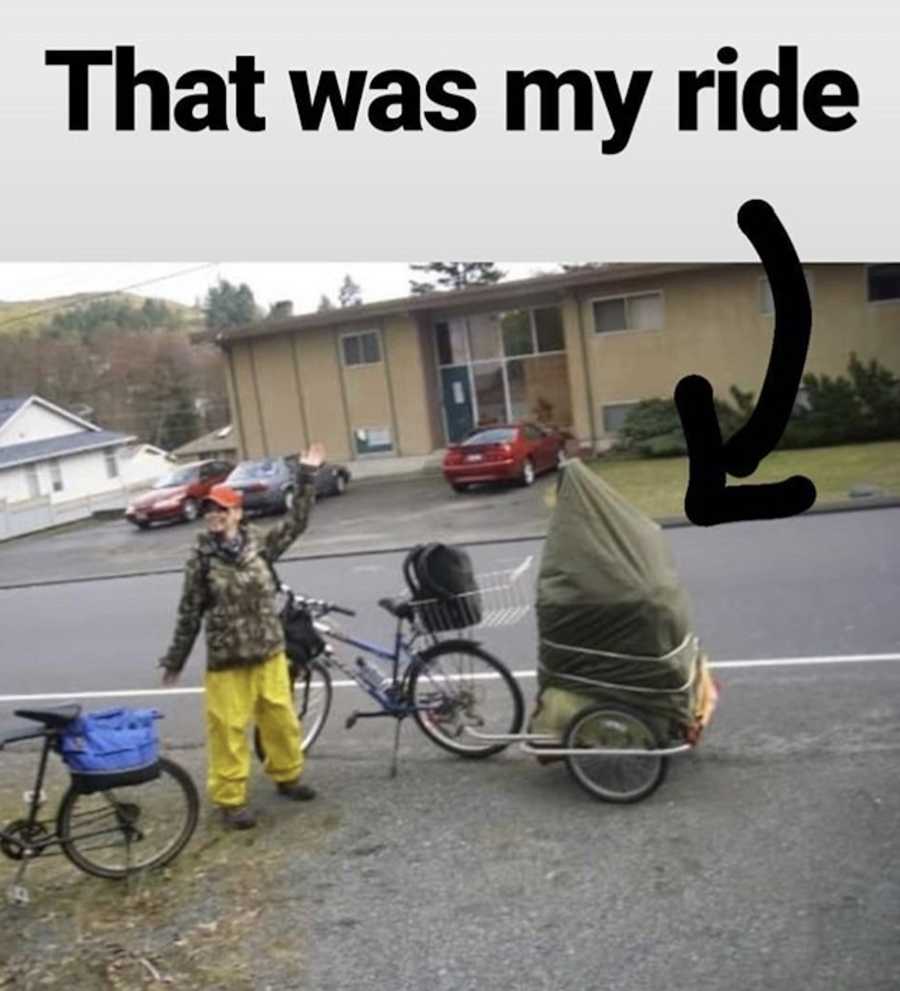
At 19, I returned to my hometown and entered a six-year relationship. My boyfriend didn’t like it when I used drugs, so instead, I drank. A lot. I drank every single day. I didn’t think I had a drinking problem—I thought drugs were the real issue. But when I eventually went to rehab, I decided to quit drinking too. A few months later, the truth hit me: I was an alcoholic. I didn’t realize how much I drank until I stopped.
Alcohol had been my solution to everything. If I was happy, I drank. If I was sad, I drank even more. If I was bored, heartbroken, dancing, cleaning, or unpacking groceries—I drank. Every moment of my life felt like an excuse to drink.
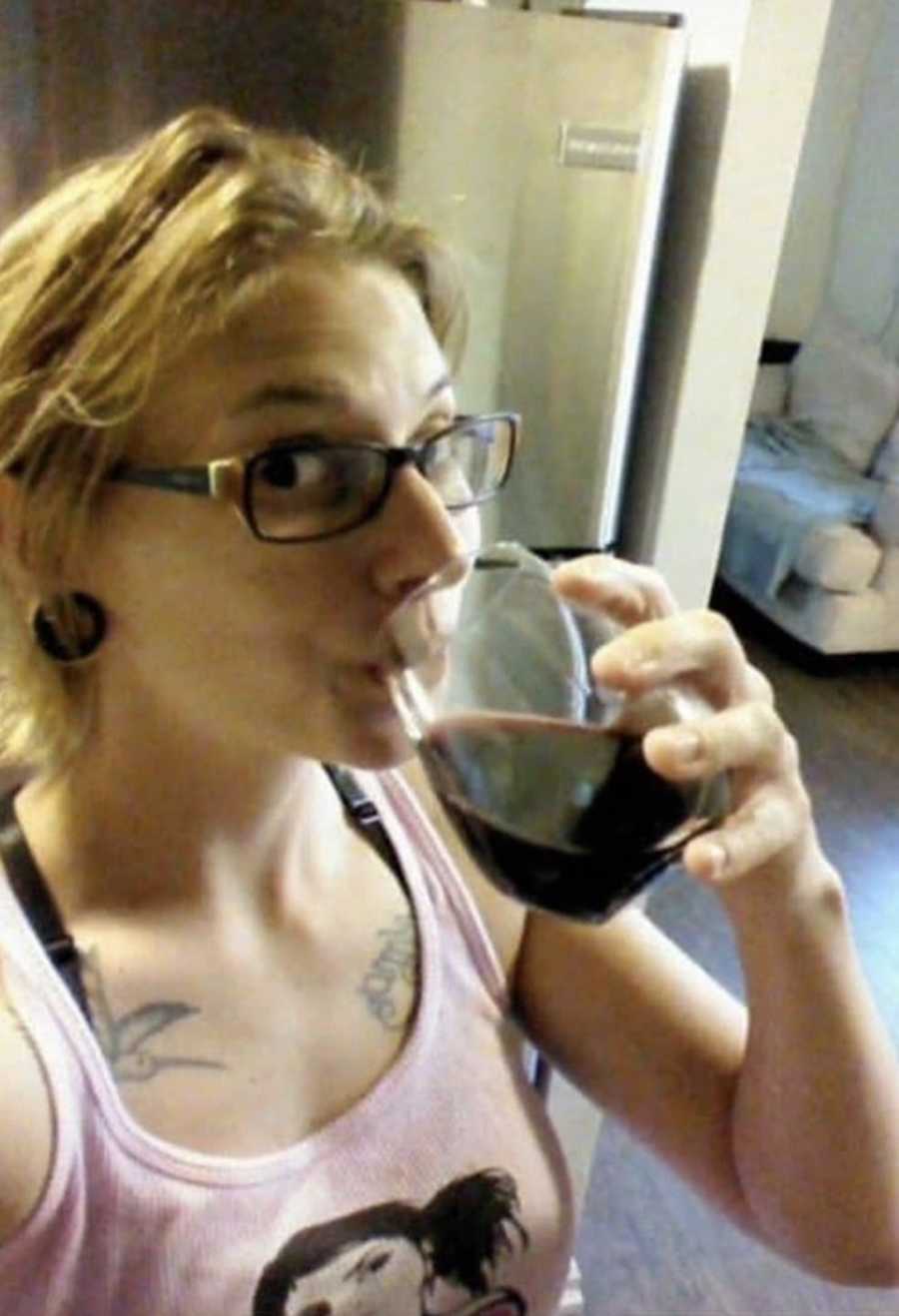
My boyfriend didn’t want me to stop drinking, and I knew then that I had to leave him. It shattered my heart. I truly believed I loved him. Suddenly, I was 25 years old, single, and free to use drugs again. I had never dealt drugs myself, but everyone around me did—friends, ex-boyfriends. Men would buy my drugs as long as I showed up and looked pretty. I had no self-esteem left. I just wanted to feel loved again, even though I didn’t know what love actually was.
At 26, I entered another deeply toxic relationship. I was using drugs every day and honestly wanted to die that way. I wasn’t working, had no money, and felt trapped because he provided everything for me. Cocaine became my main addiction—no surprise, considering my birth mother used cocaine while pregnant with me. I was hooked before I was even born.
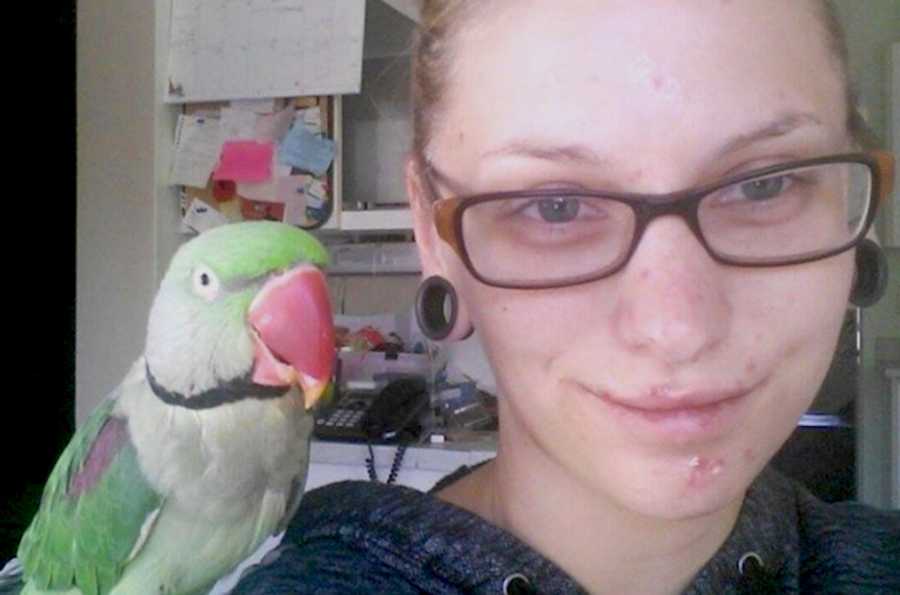
But now, I wasn’t just using drugs to escape—I was trying to overdose. I was trying to kill myself. Every morning, I woke up crying, promising myself it would be the last time. Every night, I used again, hoping it would finally end me. I was on antidepressants, barely eating, and sometimes didn’t shower for days. I woke up every day hoping I wouldn’t wake up at all.
I was stuck in a relationship with a man who used me and cheated on me, and I didn’t know how to make the suffering stop. I remember thinking, “I’ll just mix my sleeping pills and take a lot of cocaine so I won’t wake up tomorrow.” But I always did.
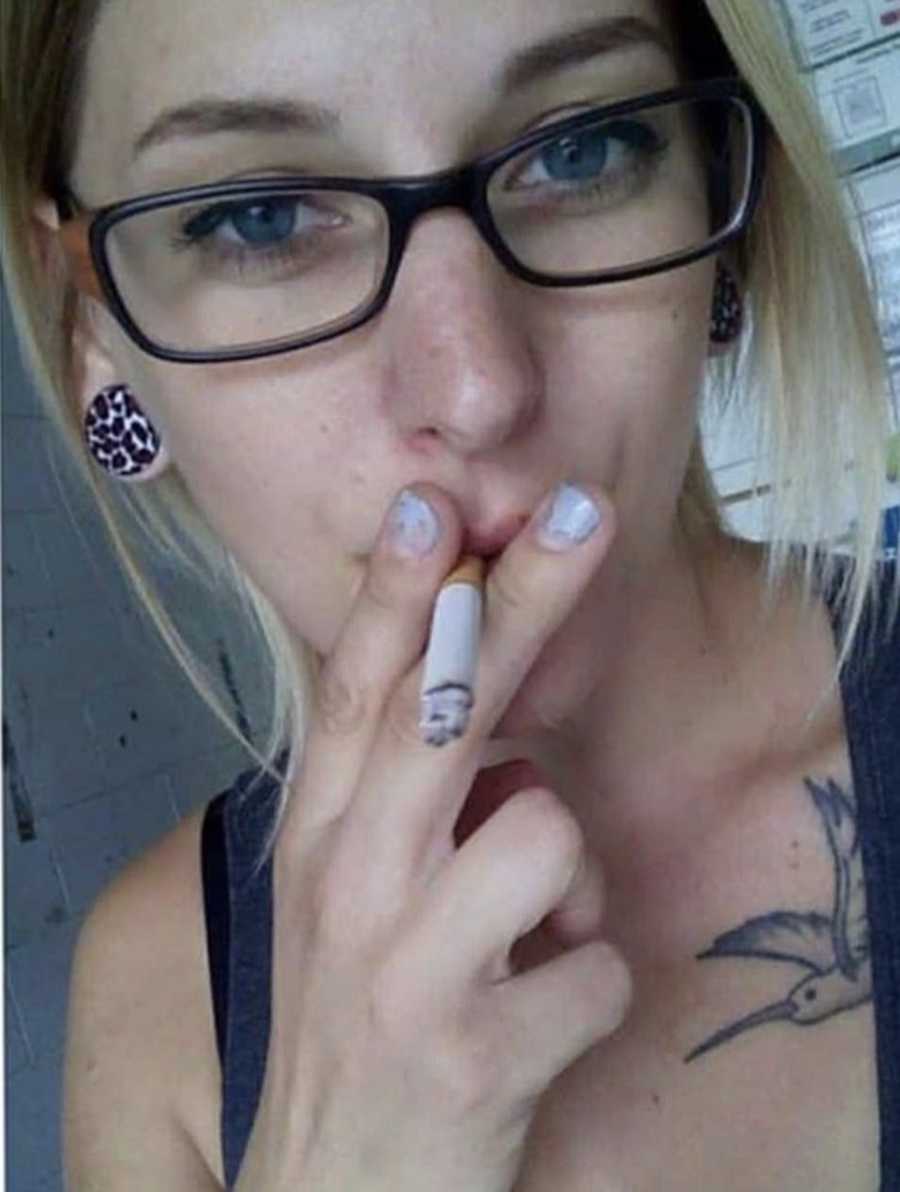
On July 11th, 2016, everything changed. I finally understood that trying to overdose on purpose was a clear sign that I needed help. I left that toxic relationship and went to my parents’ house, crying and broken. I could hear the disappointment in their voices when I told them the truth: “I’m a drug addict. I need help. I need to go to rehab.” They paused, then said, “We didn’t expect this… but we will help you.”
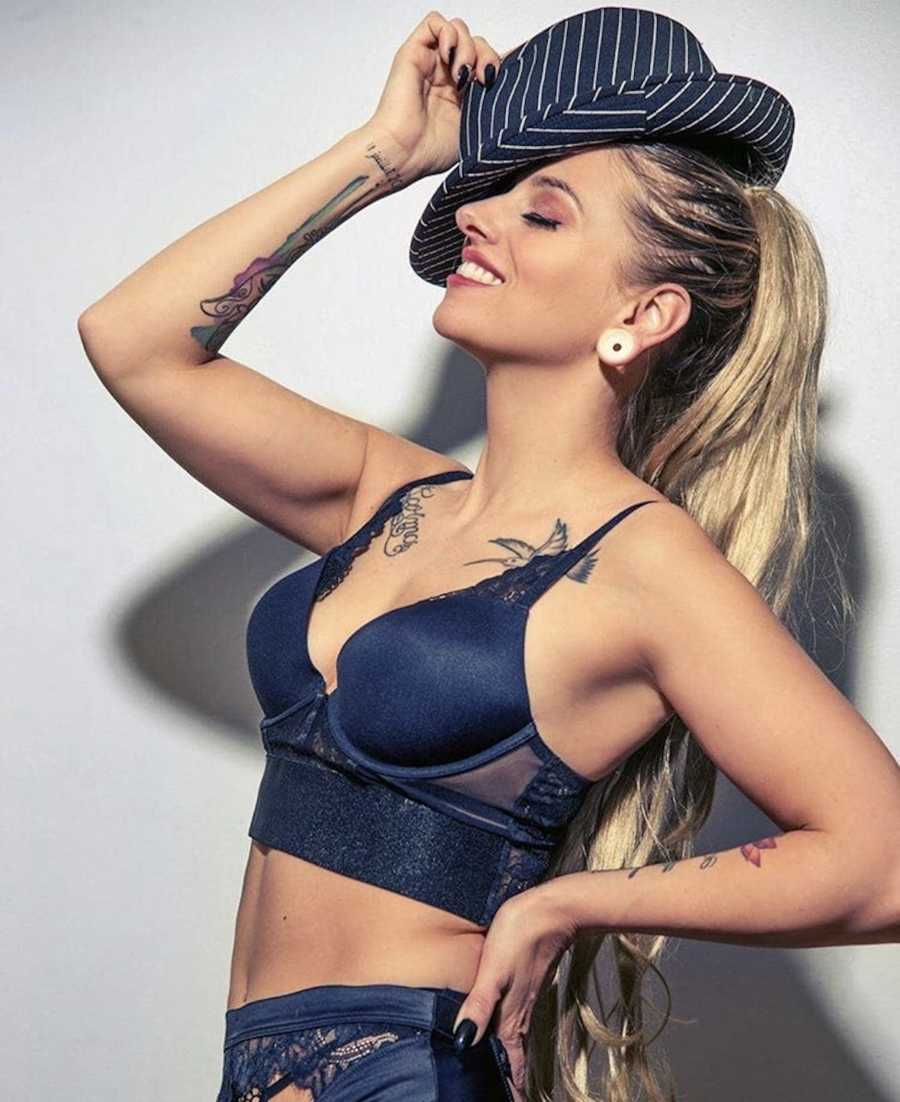
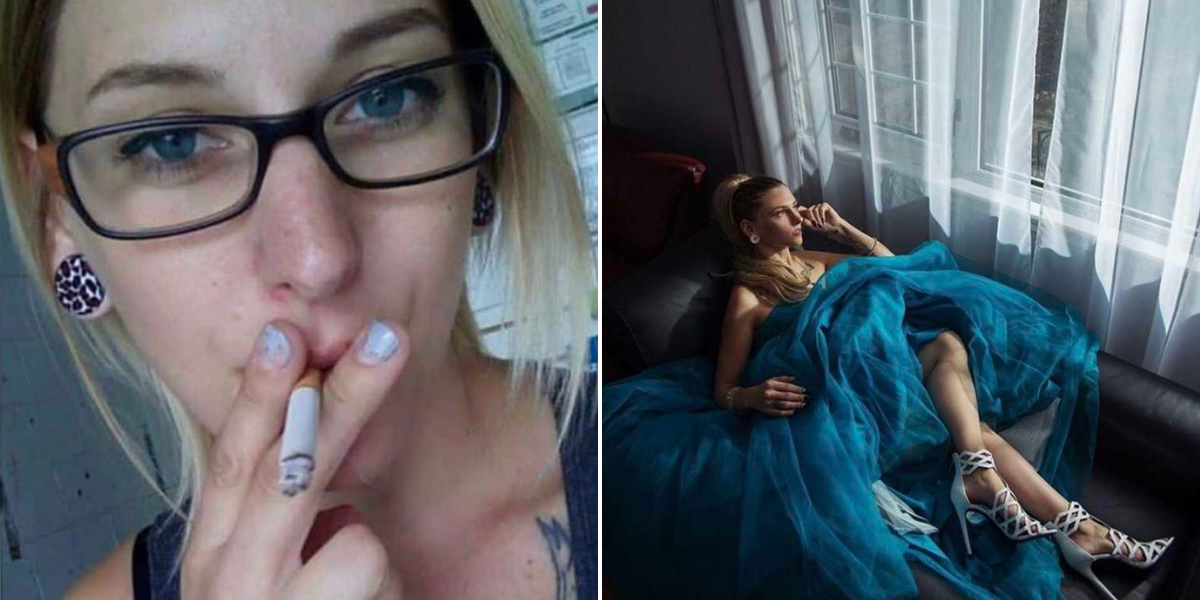
I went to rehab and never looked back. The journey wasn’t easy—not even close—but it transformed me. I grew stronger, found self-esteem, and discovered my purpose. Today, I want to show the world that recovery is possible. Through my story, my pictures, and my modeling, I want people to see that being sober is powerful. Being sober is beautiful. Being sober is sexy.
We can end the stigma.