When I went through my miscarriage, I was one of the first among my friends to get pregnant—and the first to experience a loss. It was heart-wrenching. To feel that initial excitement, to see that tiny life growing inside of you, and then to be told it was over in an instant… it’s something you can hardly imagine until it happens. No one expects it to be them. I certainly didn’t. And being the first among my circle meant I didn’t have anyone my own age to turn to for advice, comfort, or shared experience.
I was fortunate, though, to have friends who had sisters or friends who had gone through miscarriages themselves, whether months or years before. These women became invaluable to me. Even brief conversations—just a few minutes or a few days—were enough to remind me that I wasn’t alone. They showed me that others understood, that my pain was real, and that it could be shared.
Everyone responds differently to miscarriage. Some feel the need to tell the world, so everyone knows that little life existed. Others suffer in silence, never speaking of it. Some want to stay surrounded by people to distract themselves from the pain, while others need to be alone. No matter the approach, the grief is real. Everyone is suffering. Everyone is mourning.
That said, there were two responses I found especially harmful during my experience:
“She needs to move on. It’s been X amount of time already.”
“Why didn’t you—or don’t you—just have a D&C? It’s easier.”
First, it’s normal for people to feel unsure of what to say to someone going through a miscarriage. Most people I told admitted they were scared of saying the wrong thing. Personally, what helped most was simply being asked how I was doing. But I also had people say “the wrong thing.” And I understood. I knew their words, even if misplaced, came from a place of care. In fact, saying something—even imperfectly—felt better than saying nothing at all. It meant they thought of me, and that mattered.
The absolute worst, however, was being told I needed to “move on” after a certain period of time. One of my closest friends implied this after just a month. Let’s put this into perspective: if someone lost a parent or grandparent, would we expect them to stop grieving after a month—or even a year? No. You never stop missing them, never stop wishing they were here. So why do we expect women to “move on” from their babies? From the moment we discovered life inside of us, we loved it completely. We lost a child who was fearfully and wonderfully made—and just as fearfully and wonderfully loved. That love doesn’t vanish because they are gone.
I also had a friend who seemed frustrated by my grief and the way I chose to experience my miscarriage. She would say things like, “Why don’t you just have a D&C? Save yourself the pain.”
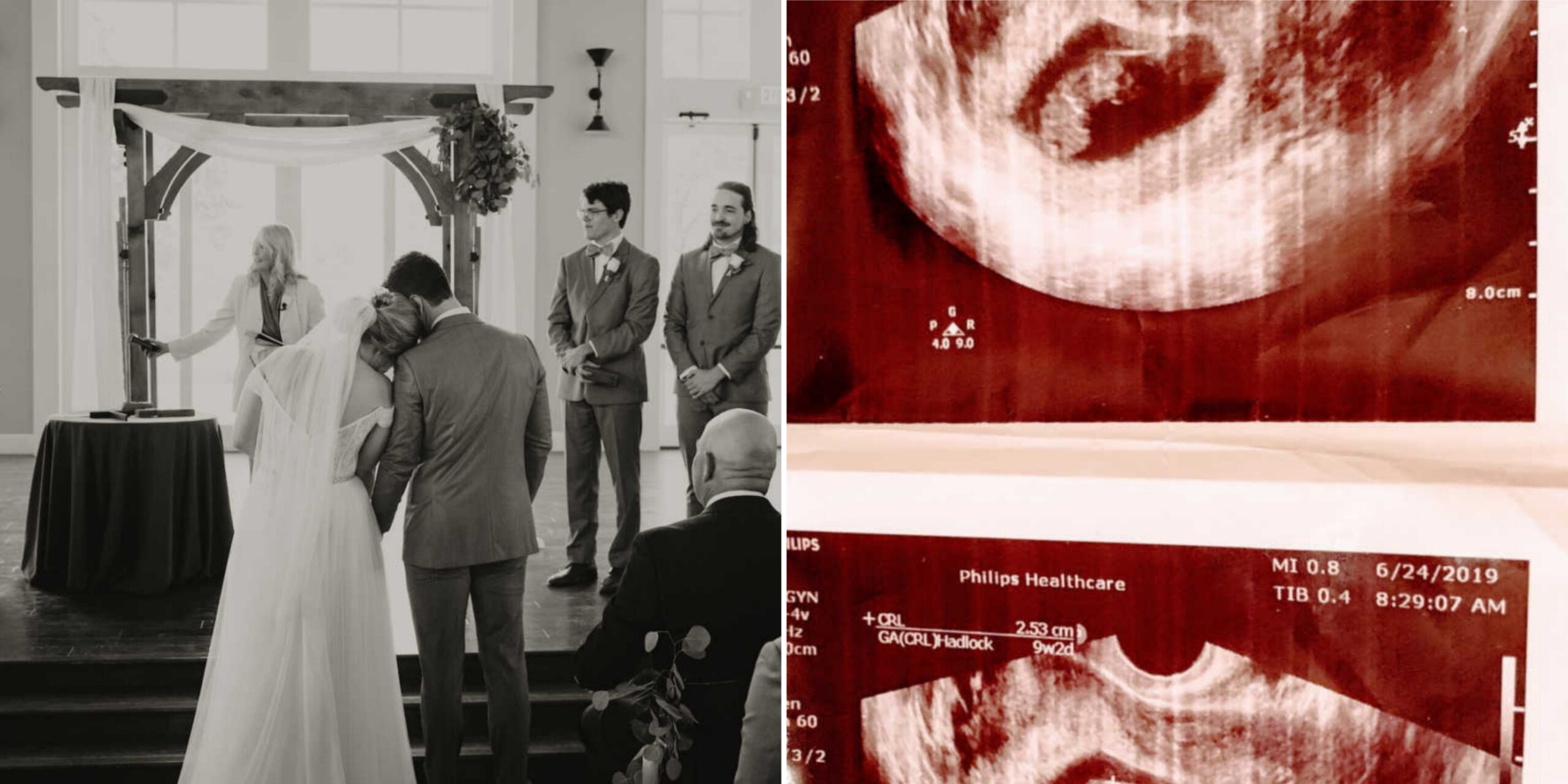
I had what’s called a “missed miscarriage.” My baby’s heartbeat had stopped around the ninth week, and we discovered it during the tenth. The doctor offered three options: wait, take medication, or have a D&C. I waited a week before starting medication, hoping my body could miscarry naturally. In week eleven, I took the first dose, which didn’t work. Over the next three weeks, I tried two more rounds. Still, nothing happened. By the time I returned to the doctor, I was in pain just sitting down, and I had developed an infection. I had no choice but to have a D&C the following day. It wasn’t my first choice, but it wasn’t the worst thing I’ve ever endured.
Choosing not to have a D&C initially was deeply personal. The thought of waking up and pretending nothing had happened felt wrong. I wanted to miscarry as naturally as possible, to honor my baby in the way that felt right to me. There was nothing ceremonial about it—miscarrying on the toilet isn’t glamorous—but it gave me closure. Even after all the complications, I would make the same choice again. I don’t judge those who chose differently, and I hope they don’t judge me. Still, I felt shamed by my friend for my choice, even if unintentionally, as though my grief was a burden to her.
Here’s what I’ve learned: as a mother experiencing miscarriage, you do not have to justify your choices. None of them are wrong. Our babies are already gone when we’re presented with the hardest of decisions. You are not wrong for having a D&C. You are not wrong for waiting. You are not wrong for taking medication.
YOU. ARE. NOT. WRONG.
This is your body, your grief, your baby. There is no “right” way to miscarry—every path is painful. And if someone judges you for the choice you make, walk away. They don’t understand your grief, your loss, or the depth of your love.
For friends of those miscarrying: it’s not your place to judge. Support is what matters most. Be there to cry with her, hold her, sit on the couch together watching endless movies, go out to dinner if she needs a distraction, or lay in bed with her and eat ice cream. Miscarriage is isolating. Your presence, kindness, and patience can mean the world.
It’s uncomfortable to talk about, but miscarriage needs to be discussed openly. So many women suffer in silence. No one ever says they had “too much support.” If you know someone going through this, reach out. Don’t assume she’s okay because she smiles. It takes a village to heal a heart broken by the loss of a baby. Be that village.