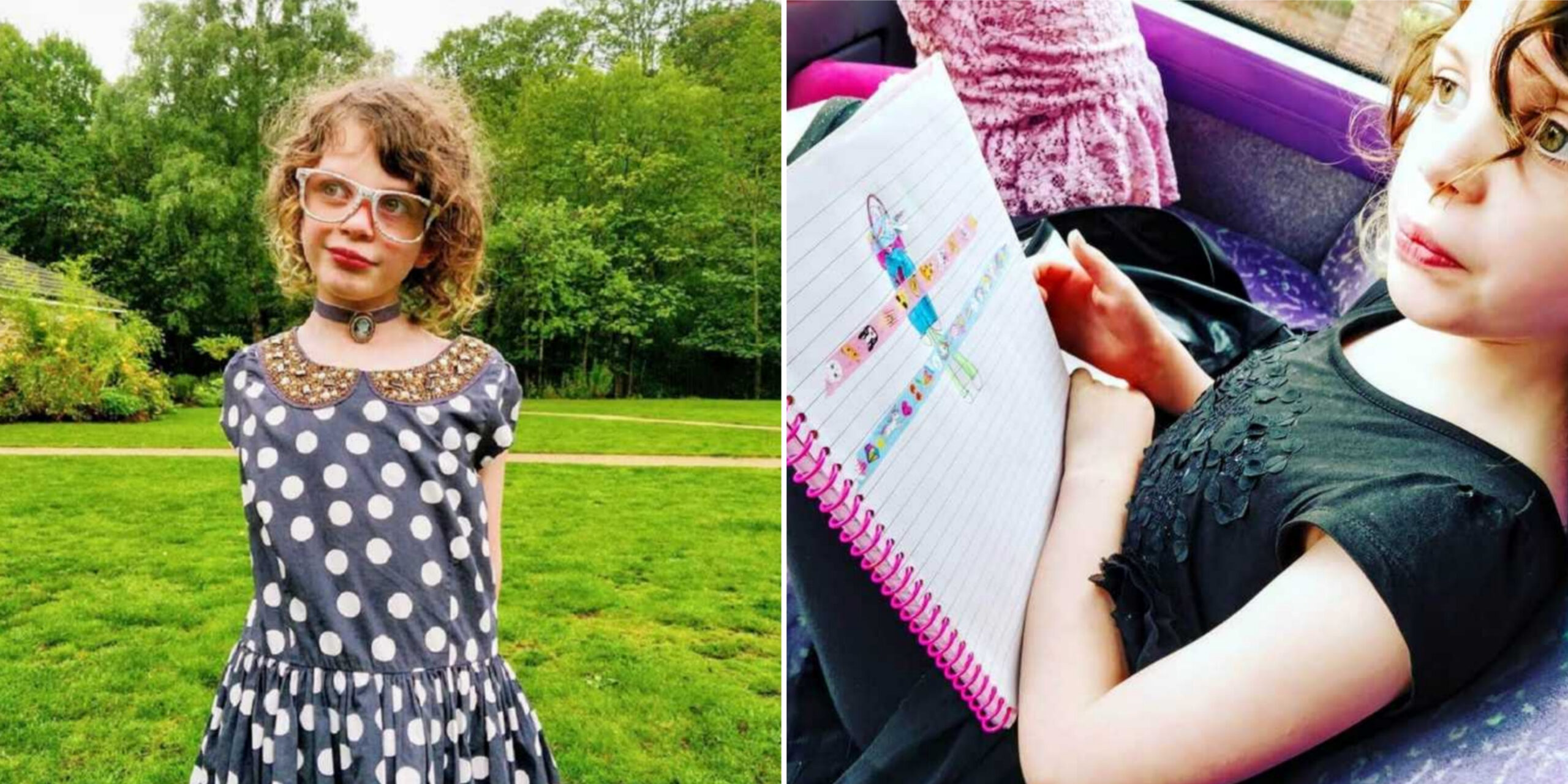
A man chose to sit next to my daughter on the bus.
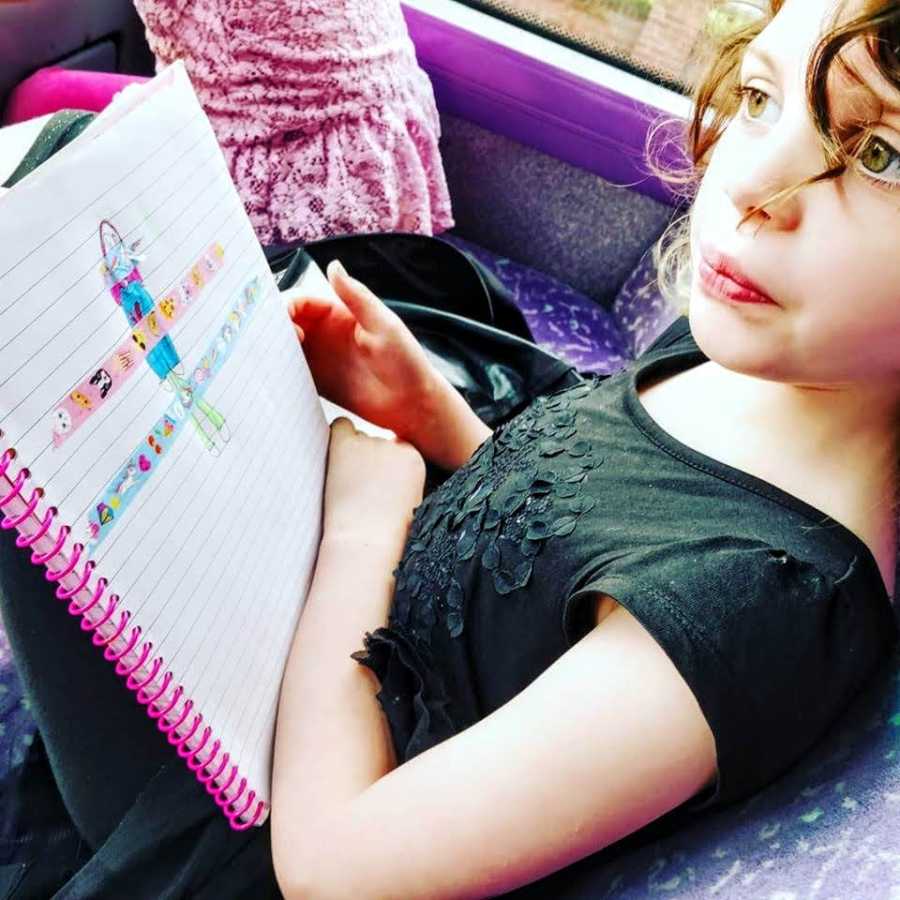
The bus wasn’t crowded, yet he deliberately picked the seat beside her. She didn’t make a scene—she simply stood up and moved closer to me. Her body language was clear: she didn’t feel comfortable sitting there.
“Aw, you don’t need to be scared. Give me a high five!” he said, trying to engage her.
She didn’t want to. She turned toward me, refusing to acknowledge him. I smiled politely at him and then focused back on my children, resuming our conversation.
“Are you looking forward to Christmas?” he asked her, again.
I guessed he might be lonely, so I answered for her with a polite smile. We exchanged the usual small talk—the kind people share this time of year—sharing a brief snapshot of our family’s holiday plans while listening as he talked about his own. I’m not the most socially confident person, but I try to be courteous and hate to think someone is lonely. That moment seemed harmless enough.
Then he tried again. “Cat got your tongue?” he leaned closer to my daughter.
She pressed herself into me, trying to disappear into my body. Every movement, every gesture was screaming STOP—yet he ignored it.
Why do people do this?
“She just doesn’t want to talk,” I said firmly.
“She shy?” he asked.
“Not particularly,” I repeated. “She just doesn’t feel like talking.”
I deliberately steered the conversation back to my children, tuning him out.
“You should teach her some manners. She should at least be polite!” he admonished, as if her feelings didn’t matter.
I looked at him and remembered all the times people had ignored my discomfort: grandparents insisting on hugs, aunties chasing me to “pinch a kiss,” being tickled until I couldn’t breathe—all far from fun. Family friends demanding I speak, strangers demanding civility…all because it suited them, not me.
I remembered the times I had been called rude for staying silent. The nightclub incident where a man pressed himself against me while my friend laughed it off, insisting I “dance” instead of turning him away. The crushing feeling of wanting to leave but feeling trapped because it would upset someone else. The nights I cried because I felt powerless to protect myself.
This is not the lesson I want to teach my children. My children’s comfort matters. Their feelings matter. They owe no one explanations, no pretense, no concessions to soothe someone else’s ego.
“She hasn’t been impolite,” I said, my voice calm but firm. “She doesn’t have to talk to you.”
Then I spoke directly to my daughter, loud enough for the man to hear:
“Sweetie, you do NOT have to speak to this person. People do NOT get to make you feel bad. You can tell him to stop, and if he doesn’t listen, that’s his problem. You can make sure he knows it. If someone refuses to listen, you shout, ‘Stop, right now! Leave me alone!’ Keep shouting it until they hear!”
The man muttered something about “back in my day,” but I refused to engage further. Calmly, I moved us to a seat farther away, resuming our peaceful journey.
When we passed him again to get off the bus, he said loudly, “I know where she gets it!”
I looked him dead in the eye and replied, “So do I.”
Today it was a pushy stranger on the bus. Tomorrow it could be a relative who ignores their boundaries, a friend who pressures them to do something wrong, or someone who doesn’t respect their “no.”
I want my daughter to know she always has a choice. She never has to stay silent for someone else’s comfort. She is powerful. She can say STOP. She can say NO. And if anyone is offended by her boundaries, that’s THEIR problem.