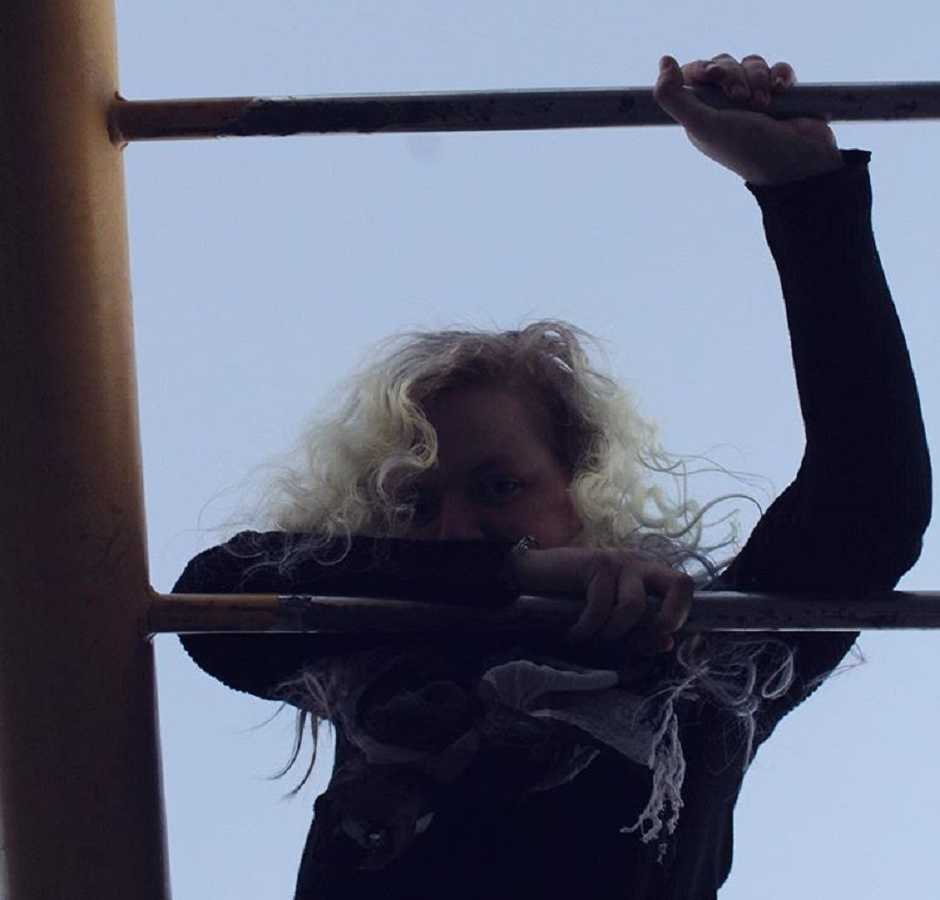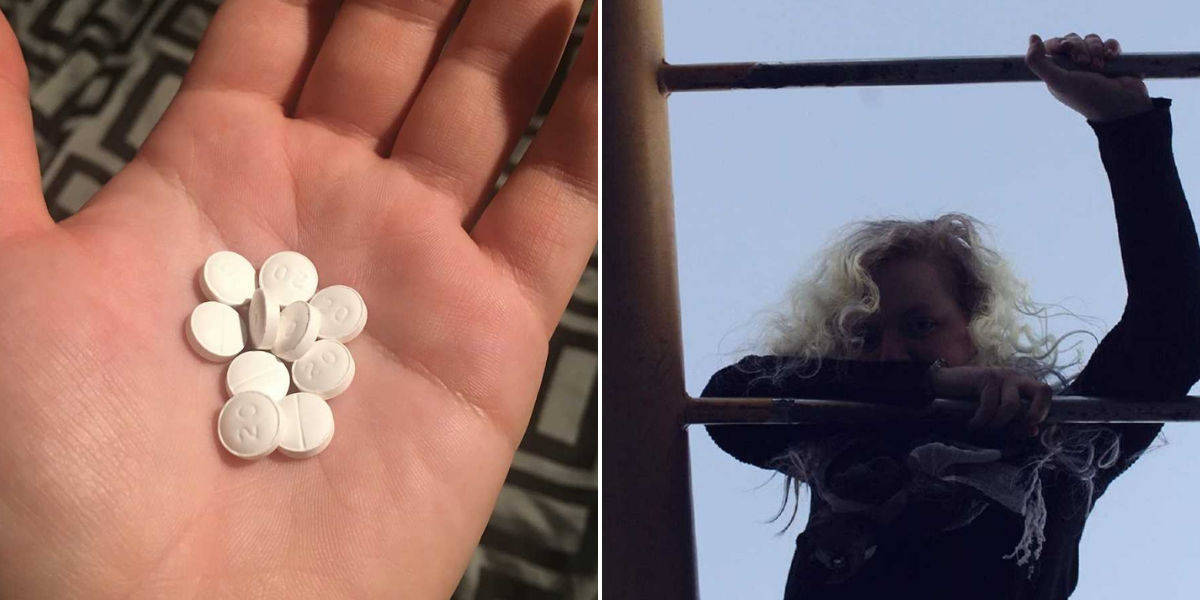
A year ago, I was prescribed Escitalopram—Lexapro. It’s meant to help with depression, anxiety, insomnia, and OCD. It still feels strange to think that such a small white pill can help hold me together. Each tablet is 20 mg. In a way, every day I’m 20 mg away from ending my life, and that thought can be unsettling if I dwell on it too long. Twenty doesn’t sound like much in the grand scheme of things. Along that same theme, I just turned 21. I’m so young, yet I feel incredibly old.
I’ve been depressed since I was 11. Anxiety came at 12. OCD followed at 15. Insomnia settled in at 18. I had a difficult childhood—maybe not the hardest, and I know comparison isn’t fair—but it left its marks. My father was angry when I was growing up, often threatening to hurt my mom and my siblings. My mom endured it quietly. My brother responded with anger. My sister hardened herself. And I just watched. I was three—what was I supposed to do? I’d look at my friends’ parents and see a connection, a shared thread between them, and then I’d look at mine and wish. I didn’t understand all the complexities then, but I wasn’t stupid. Kids aren’t stupid just because they don’t fully understand.
I remember the first time I tried to cut. I was 12, in seventh grade, while my mom was screaming at my sister. It happened often, but that day felt unbearable. I wanted to scream too, but I didn’t want the attention. I grabbed an art scraping tool—whatever it’s called—and went at my skin. It didn’t do much, because that wasn’t what it was meant for. But afterward, I felt numb, like a switch had been flipped in my brain. The pressure in my chest lifted, as if invisible hands had finally let go of my lungs. I promised myself I’d never do it again. I’m sure you can guess how that turned out.
I begged my parents for help. Starting in seventh grade, I asked for a therapist because I knew something was wrong. When I showed my mom my arms, nothing changed. I asked for help for years, until tenth grade, when I had a massive panic attack that left my body shaking like I was having a seizure. I stayed awake for two straight days afterward. It was the worst panic attack I’d ever experienced, and it terrified me. Finally, I was allowed to see a therapist—but no medication. My parents didn’t believe in it.
When I first went to college, I thought I could handle everything on my own. Then sophomore year hit, and I sank deeper than I ever had before. For three weeks, it was just me and a kitchen knife. I didn’t want to die exactly—I just wanted to stop existing. I wanted a pause, like stopping a movie or a game for a moment. Christmas break came and went, and then I was back at school for three more weeks of suffocating, black depression. Days blurred together into a gray haze. I stayed awake for days at a time. My arms and legs burned from fresh cuts.
At night, I’d go to a bridge on campus and stand there, imagining what it would be like to fall. Would my skull crack on the rocks, or would I drift away with the rushing water? I withdrew from everyone, hiding in the library with my earbuds blasting music, trying to drown out my thoughts. For those weeks, I felt nothing. I moved like a machine, emotionless and empty. Deep down, I knew this was dangerous. This was the worst I had ever been. Any lower, and I’d be six feet under.
I went to the campus health center and filled out the form to see a therapist. I knew that if I didn’t talk to someone right then, I would die. Death itself didn’t scare me—and honestly, it still doesn’t. What scared me was the after. I was raised in a Christian home, with heaven and hell drilled into me. I never truly believed, but the “what if” always lingered. If I died then, I’d find out. And I wasn’t ready for that.
I met with a nurse practitioner and received my first-ever prescription: Escitalopram, 20 mg. I didn’t expect immediate results. I’m a psychology major—I know how SSRIs work. Still, it felt almost absurd that this tiny pill was supposed to help after years of suffering.
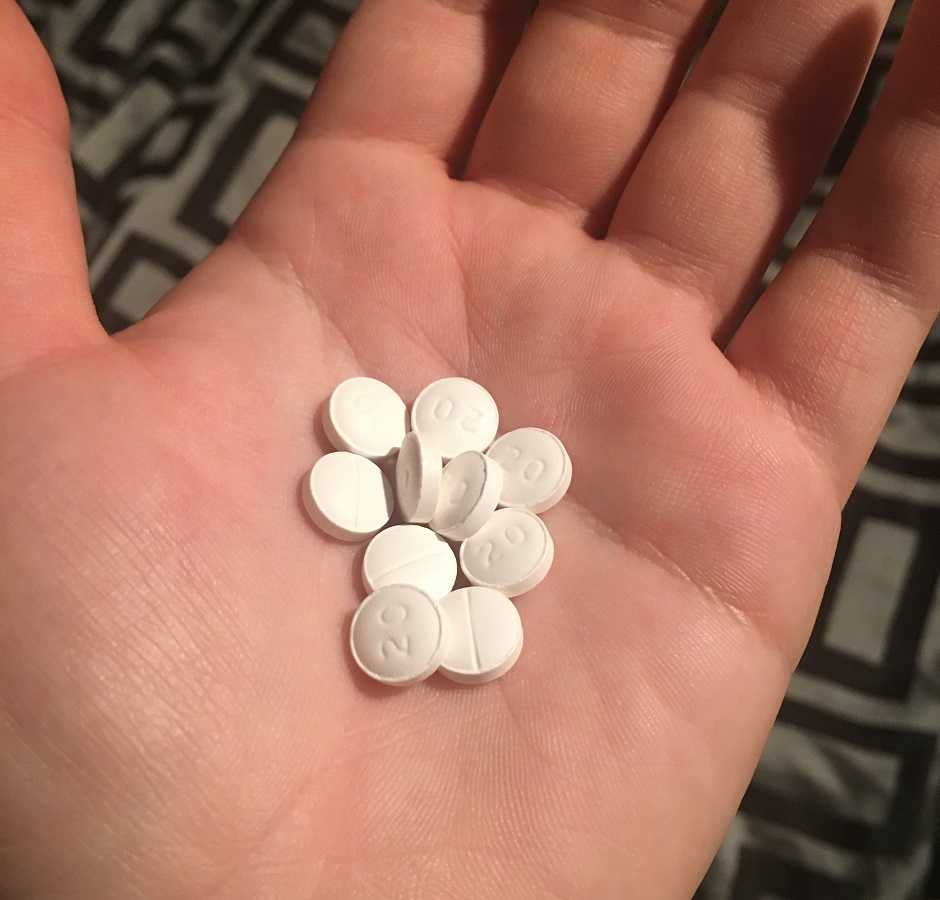
Has it helped? Yes. One thousand percent, yes. Is it a cure? No. I still have sleepless nights, days that blur together, moments when I wish I could disappear, times when the blade feels too loud in my head, and days when anxiety steals my words. But I am in a far better place than I was at 11, 12, 15, 18, or even 20.
I’m going to get better. I believe that. Someday, I’ll reach a point where I won’t need Lexapro anymore. And for the first time in a long time, I’m hopeful for that day.